
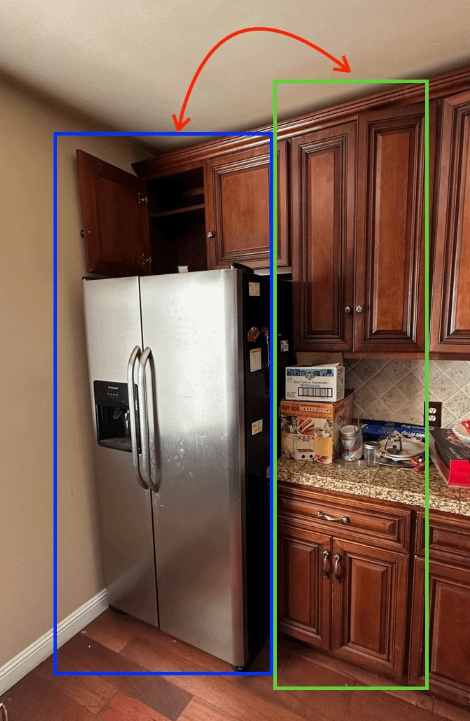
Are you struggling to find the perfect spot for your refrigerator in your kitchen? Fitting a fridge might seem simple, but getting it just right can make a huge difference in your kitchen’s flow and your daily routine.
Imagine opening your fridge easily without bumping into cabinets or blocking walkways. You’ll discover practical tips and smart tricks to fit your refrigerator perfectly, saving space and making your kitchen more enjoyable. Keep reading, and you’ll learn how to turn a tight squeeze into a seamless fit that works for you.
Choosing The Right Spot
Choosing the right spot for your refrigerator is crucial to keep your kitchen functional and comfortable. A well-placed fridge can make your cooking flow smoother and save you from daily annoyances. Think about how you move around your kitchen and what space you really have before deciding where to put it.
Measure Available Space
Start by measuring the width, height, and depth of the space where you want the refrigerator. Don’t forget to include extra room for ventilation, as most fridges need a few inches of space around them to work efficiently.
Use a tape measure and write down the exact numbers. This will help you avoid the frustration of buying a fridge that won’t fit or blocks pathways.
Consider Kitchen Layout
Look at your kitchen’s workflow. Is the fridge near the prep area or the stove? The best spot keeps everything within easy reach to save time and effort.
Think about the triangle between your sink, stove, and fridge—placing the fridge inside or near this triangle usually works well. Also, consider traffic flow: you don’t want the fridge door blocking hallways or cabinet doors.
Allow For Door Clearance
Fridge doors need enough space to open fully without hitting walls or other appliances. Check the refrigerator’s door swing direction before finalizing the spot.
Some fridges have reversible doors, which can help if your kitchen layout is tight. Have you measured the distance from the fridge to the nearest wall or cabinet to ensure smooth opening?
Assessing Power And Ventilation
Assessing power and ventilation is essential for fitting a refrigerator in your kitchen. The fridge needs a steady power supply and enough space to breathe. Without these, it can overheat or use too much electricity. Proper setup helps the fridge last longer and work better.
Locate Electrical Outlets
Find an electrical outlet close to the fridge spot. The outlet should provide the right voltage and be grounded. Avoid using extension cords as they can cause safety issues. Check if the outlet is easily reachable for plugging and unplugging the fridge.
Ensure Proper Airflow
Leave enough space around the fridge for air to flow. This helps the compressor cool down. Most refrigerators need at least 2 inches of space on each side and at the back. Keep vents and fans clear of dust and obstacles. Proper airflow prevents overheating and saves energy.
Avoid Heat Sources
Place the fridge away from heat sources like ovens, stoves, or direct sunlight. Heat forces the fridge to work harder, increasing energy use. Avoid tight spaces that trap heat around the appliance. Keeping the fridge cool helps it run efficiently and last longer.
Optimizing Accessibility
Ensuring easy access to your refrigerator saves time and effort in daily tasks. Measure the space carefully and leave enough room for doors to open fully. Keep pathways clear for smooth movement around the kitchen.
Optimizing the accessibility of your refrigerator is crucial for a functional kitchen. Ensuring easy access can save time and effort during meal prep and daily kitchen tasks. Let's explore how to strategically position your refrigerator for maximum convenience.
Position Near Prep Areas
Place your refrigerator close to your main prep areas. This minimizes the distance when you need ingredients quickly. Imagine making a salad and having to walk across the kitchen for every vegetable. Ideally, the fridge should be a step or two from the counter where you do most of your chopping. This setup streamlines your cooking process. Plus, it reduces the risk of spills or accidents from carrying items across the room.
Maintain Traffic Flow
Ensure the placement of your refrigerator doesn’t block the kitchen's natural pathways. A well-placed fridge should be accessible but not in the way. Consider the kitchen triangle rule where the fridge, stove, and sink form a triangle for efficiency. Think about how you and others move around the kitchen. Is there enough space to open the door fully without causing a bottleneck? This is especially important in smaller kitchens where space is at a premium.
Consider Height And Reach
The height and reach of your refrigerator can significantly impact usability. If the fridge is too tall, accessing items on the top shelf can be cumbersome. Choose a model that suits your height or consider adjustable shelving. For those with children, ensure snacks and drinks are within easy reach. This encourages independence while keeping your kitchen organized. Would a French door model better suit your needs by providing easier access?
Credit: www.maytag.com
Installation Tips
Installing a refrigerator in your kitchen might seem straightforward, but the right installation can make a big difference in its efficiency and longevity. Paying attention to small details during setup prevents future headaches like uneven doors, noisy operation, or even damage to your kitchen walls. Let’s dive into key tips that ensure your fridge fits perfectly and works smoothly.
Leveling The Refrigerator
Start by checking if your floor is even. An unlevel fridge can cause doors not to close properly and may affect the compressor’s performance. Use a carpenter’s level on top of the fridge and adjust the front leveling feet until it sits perfectly flat.
Don’t forget to test the door swing after leveling. Does it open and close smoothly without sticking or sliding back open? Small tweaks here save you from cold air leaks and extra energy costs later.
Securing Against Movement
Refrigerators can shift slightly when doors are slammed or during normal use. Secure your appliance to avoid accidental movement that could damage flooring or walls. Many models come with brackets or anti-tip kits—use them!
If your fridge doesn’t include a kit, you can use heavy-duty Velcro strips or non-slip pads underneath. Have you ever noticed your fridge sliding just a little when you open the door? This simple fix can stop that annoying wobble instantly.
Managing Cable And Hose Routing
Properly routing power cables and water hoses reduces wear and keeps your kitchen tidy. Avoid sharp bends or tight loops, as these can cause damage or kinks that limit water flow or power connectivity.
Plan your layout so cables and hoses don’t run across high-traffic areas or behind the fridge where they can get crushed. Use clips or hooks to secure them neatly along walls or inside cabinets. This not only looks better but also makes future maintenance easier.
Maximizing Kitchen Aesthetics
Maximizing kitchen aesthetics means creating a space that feels balanced and inviting. The refrigerator plays a big role in the kitchen’s look. Choosing the right style and placement helps the kitchen feel organized and stylish. Small details can make a big difference in how the room looks and feels.
Matching Cabinetry And Appliances
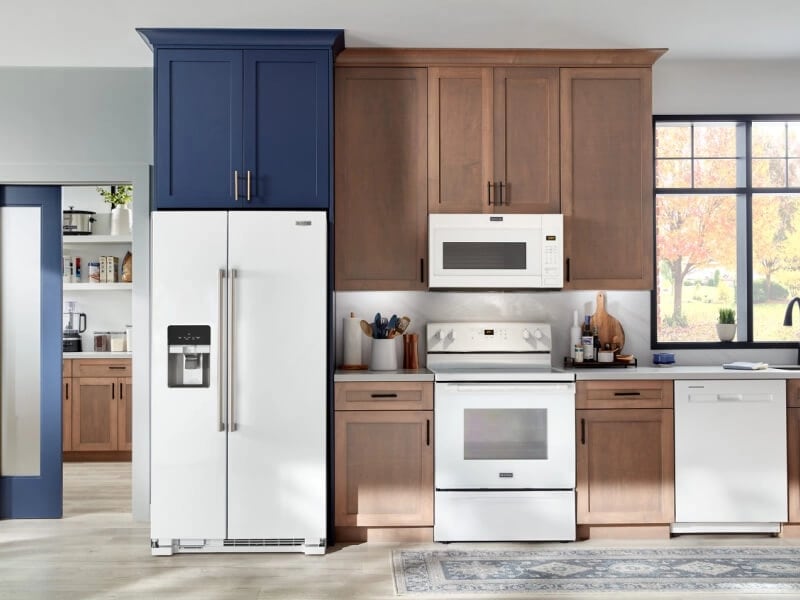
Choose refrigerator colors that blend with your cabinets. This creates a smooth, unified look. For wood cabinets, select appliances with warm tones or stainless steel. White or black refrigerators work well with neutral cabinets. Matching handles and finishes add to the harmony.
Consider the size and shape of the fridge too. It should fit well between cabinets without crowding the space. A well-matched fridge looks like part of the kitchen design, not an afterthought.
Using Built-in Or Freestanding Models
Built-in refrigerators fit flush with cabinets. This style makes the kitchen look neat and modern. They often come with customizable panels to match cabinetry. Freestanding models are easier to move and often less expensive. Choose one that fits your kitchen size well.
Built-ins work best in larger kitchens with custom designs. Freestanding models suit smaller or rented kitchens. Both types can look good with the right placement and styling.
Incorporating Design Elements
Add design touches around the refrigerator to enhance the space. Use lighting above or beside the fridge to highlight it. Decorative trim or moldings can frame the fridge and tie it to the room’s style.
Place artwork or plants nearby to soften the look. Keep the area clean and uncluttered for better appeal. These small design moves help the fridge blend naturally with the kitchen.

Credit: refrigeratortrimkits.com
Credit: www.kitchenaid.com
Frequently Asked Questions
How To Measure Space For Refrigerator Fitting?
Measure the height, width, and depth of your kitchen space. Leave at least 2 inches of clearance on all sides. This ensures proper ventilation and easy installation. Accurate measurements prevent buying a wrong-sized refrigerator.
What Is The Best Location For A Kitchen Refrigerator?
Place the refrigerator near the cooking area but away from direct sunlight. Avoid placing it next to heat sources like ovens. This helps maintain efficiency and reduces energy consumption. Choose a spot with easy access for daily use.
How To Ensure Proper Ventilation For The Refrigerator?
Leave at least 2 inches of space around the refrigerator for airflow. Avoid enclosing it tightly in cabinets. Proper ventilation prevents overheating and extends the appliance’s lifespan. Check manufacturer guidelines for specific ventilation needs.
Can A Refrigerator Fit In A Small Kitchen?
Yes, compact refrigerators are designed for small kitchens. Measure your space accurately and choose slim or under-counter models. Optimize kitchen layout to accommodate the fridge without crowding. This keeps your kitchen functional and spacious.
Conclusion
Fitting a refrigerator in your kitchen takes some planning and care. Measure the space carefully before buying. Leave room for ventilation and door opening. Choose a spot near a power source for easy use. Keep your kitchen flow smooth by placing it wisely.
Small steps make the process easier and stress-free. A well-placed fridge keeps your kitchen organized and functional. Take your time and enjoy your improved kitchen space.