

Is your dishwasher acting up just when you need it most? You’re not alone, and the good news is that you don’t always have to call a repair service right away.
Imagine saving time, money, and frustration by fixing your dishwasher yourself. In this guide, you’ll discover simple, practical steps to get your dishwasher back to working like new. Keep reading, and you’ll feel confident tackling common problems with easy-to-follow tips designed just for you.
Your kitchen routine is about to get a whole lot smoother!
Common Dishwasher Issues
Dishwashers can face several issues that disrupt their normal function. Knowing the common problems helps fix them quickly. These issues often cause frustration in busy kitchens. Understanding symptoms can save time and money on repairs.
Leaks And Water Pooling
Leaks often occur from damaged door seals or loose hoses. Water pooling inside the dishwasher may signal clogged drains or blocked filters. Check the door gasket for cracks or dirt. Tighten any loose connections under the sink. Clean the filter regularly to prevent buildup.
Dishes Not Cleaning Properly
Dirty dishes after a cycle mean spray arms may be clogged. Detergent issues or overloading the dishwasher can reduce cleaning power. Remove and clean spray arms with warm water. Use the right detergent and avoid packing dishes too tightly.
Dishwasher Not Draining
Water left inside the dishwasher shows a drainage problem. Food debris or broken drain pumps often cause this issue. Clear the drain trap and check the garbage disposal connection. Listen for strange sounds from the drain pump during the cycle.
Unusual Noises During Operation
Grinding, buzzing, or rattling sounds indicate a mechanical issue. Objects stuck in the spray arms or a failing motor cause noise. Remove dishes and inspect the spray arms for blockages. If noise continues, the motor or pump might need professional service.
Door Not Closing Securely
A door that won’t close stops the dishwasher from running. Check the latch and hinges for damage or misalignment. Clean any debris around the door seal. Replace worn-out parts to ensure a tight, secure close every time.
:strip_icc()/BHG-Clean-Dishwasher-Filter-GettyImages-1223991528-58439e2fa0a540fbbc6d4f8d50c673af.jpg)
Credit: www.bhg.com
Essential Tools For Repairs
Fixing a dishwasher requires the right tools for smooth and safe repairs. Having essential tools ready saves time and avoids frustration. These tools help you handle mechanical and electrical parts with ease. Keep them nearby before starting any repair task.
Screwdrivers And Pliers
Screwdrivers are vital for removing screws and opening panels. Use both flathead and Phillips screwdrivers to fit different screws. Pliers help grip, twist, or pull small parts. Needle-nose pliers are perfect for tight spaces inside the dishwasher. These tools make dismantling and assembling parts easier.
Multimeter For Electrical Checks
A multimeter tests electrical circuits and components. It measures voltage, current, and resistance to find electrical faults. Use it to check wiring, switches, and sensors inside the dishwasher. This tool ensures the dishwasher's electrical system works correctly. It helps diagnose problems without guesswork.
Replacement Parts To Keep Handy
Keep common replacement parts ready for quick fixes. Parts like door seals, spray arms, and filters often wear out. Having these parts saves time and keeps the dishwasher running longer. Store small parts in labeled containers for easy access. This preparation helps complete repairs without delay.
Step-by-step Repair Guide
Fixing your dishwasher doesn’t have to be intimidating. With a clear plan and some patience, you can tackle common issues yourself. This step-by-step guide walks you through diagnosing and repairing your dishwasher to get it running smoothly again.
Diagnosing The Problem
Start by identifying what’s wrong with your dishwasher. Is it not draining, leaking, or failing to clean properly? Listen for unusual sounds and check error codes if your model has a display.
Look inside for visible signs like standing water or broken parts. Taking notes on these symptoms helps you focus your repair efforts and avoid wasting time on guesswork.
Fixing Leaks And Seals
Leaks often come from worn-out seals or loose connections. Check the door gasket carefully for cracks or damage. Replacing a gasket is usually straightforward and can stop water from escaping.
Inspect hoses and connections under the sink. Tighten clamps and replace hoses if you spot holes or brittleness. Small leaks can cause big problems if ignored.
Clearing Clogs And Blockages
Clogs in filters, spray arms, or drains can prevent your dishwasher from cleaning properly. Remove and clean the filter under running water, clearing any trapped debris.
Use a toothpick or small brush to clear spray arm holes. If the drain is blocked, check the drain hose for kinks or buildup. Keeping these parts clear ensures water flows freely.
Replacing Faulty Components
Sometimes parts like the pump, motor, or heating element fail. If you notice your dishwasher won’t start or heat water, these could be the culprits. Consult your manual to find exact part numbers.
Order replacement parts online or from a local store. Make sure to unplug the dishwasher before removing and replacing components to stay safe.
Testing After Repairs
Once repairs are done, run a short cycle without dishes. Watch for leaks, strange noises, or error codes. This trial run confirms if your fixes worked or if further action is needed.
Do you notice improvements, or is your dishwasher still acting up? Sometimes a second look reveals hidden issues you missed the first time.
Preventive Maintenance Tips
Preventive maintenance helps keep your dishwasher running smoothly. It reduces breakdowns and extends the machine's life. Regular care saves money on costly repairs and improves cleaning performance.
Regular Cleaning Routines
Clean the dishwasher inside regularly. Remove food particles from the bottom and spray arms. Wipe the door edges and gasket with a damp cloth. Run an empty cycle with dishwasher cleaner once a month. This removes grease and mineral buildup.
Checking Hoses And Filters
Inspect hoses for cracks or leaks often. Replace damaged hoses immediately to avoid water damage. Clean the filter to stop clogs. Remove the filter and rinse it under running water. A clean filter helps water flow freely and improves washing.
Avoiding Common Mistakes
- Do not overload the dishwasher; it blocks water flow.
- Avoid using too much detergent; it causes residue.
- Do not use regular soap; it creates excess foam.
- Check that dishes do not block spray arms.
- Use the right cycle for the type of load.
When To Call A Professional
Deciding when to call a professional for your dishwasher can be tricky. Some issues are beyond a DIY fix. Knowing when to seek expert help can save time and prevent damage. Below, we explore key scenarios where professional intervention is wise.
Complex Electrical Issues
Dealing with electrical issues is risky. If your dishwasher has wiring problems, call a professional. They have the skills to handle complex electrical repairs safely. Attempting this on your own could lead to more damage or even a fire hazard.
Persistent Problems After Repairs
Some problems persist even after multiple repairs. If your dishwasher continues to malfunction, it might be time for expert help. Professionals can diagnose hidden issues and provide lasting solutions. Avoid frustration by reaching out when repairs don’t stick.
Safety Concerns
Your safety is crucial. If any repair feels unsafe, it's best to call a pro. This includes leaks or strange noises that indicate a potential hazard. Letting a professional handle these concerns ensures your home stays safe.
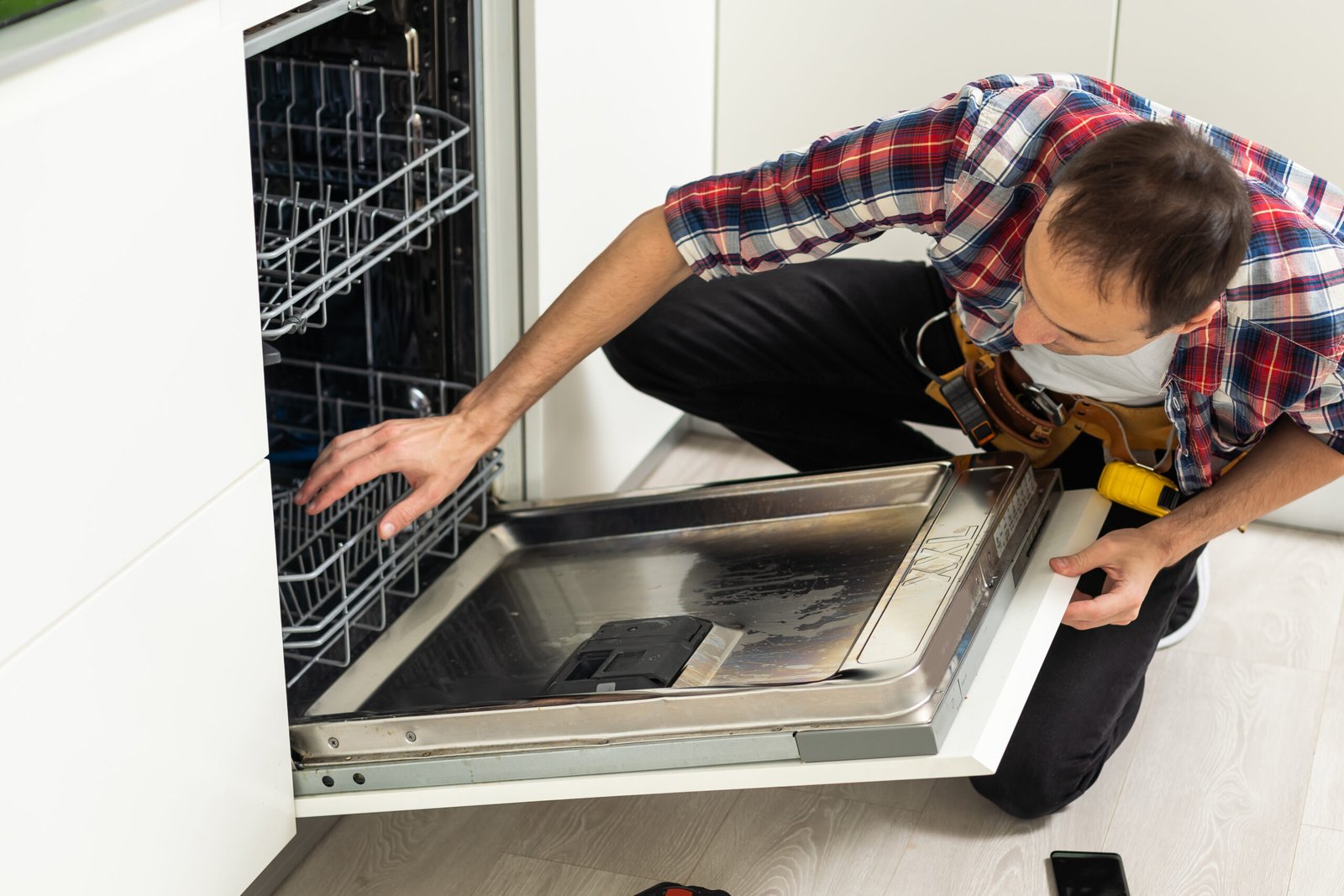
Credit: kitchpulse.com

Credit: www.youtube.com
Frequently Asked Questions
How Do I Reset My Dishwasher Effectively?
To reset your dishwasher, turn off the power for 5 minutes. Then, switch it back on. This clears minor electronic glitches and restores normal function.
Why Is My Dishwasher Not Draining Water?
A clogged drain hose or filter often causes drainage issues. Clean the filter and check the hose for blockages to fix this problem.
What Causes A Dishwasher To Leak Water?
Leaks usually result from a damaged door gasket, loose connections, or cracks in the tub. Inspect and replace faulty parts promptly.
How Can I Stop My Dishwasher From Smelling Bad?
Regularly clean the filter and run a vinegar rinse cycle. This removes food debris and kills odor-causing bacteria effectively.
Conclusion
Fixing a dishwasher can save time and money. Start with simple checks like cleaning filters and checking hoses. Small problems often cause big issues. If the dishwasher still won’t work, call a professional. Regular care keeps your dishwasher running smoothly.
A working dishwasher makes kitchen chores easier. Keep these tips in mind to avoid future problems. Your kitchen will stay clean and efficient. Don’t ignore signs of trouble early on. Taking action today helps prevent bigger repairs later.