
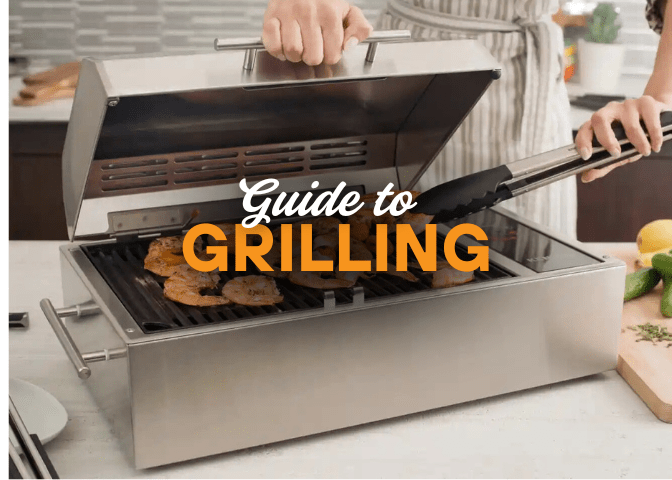
Grilling is often seen as an outdoor activity, but what if you could enjoy that smoky, delicious flavor right in your kitchen? Imagine biting into perfectly grilled chicken or veggies without stepping outside.
You might think it’s complicated or messy, but with the right tips, you can master grilling indoors easily. This guide will show you how to bring that mouthwatering grill taste to your meals, no backyard required. Ready to transform your cooking and impress your taste buds?
Let’s get started!

Credit: www.provisioneronline.com
Choosing The Right Indoor Grill
Choosing the right indoor grill makes cooking easier and more fun. The perfect grill fits your space and cooking style. It helps you prepare tasty grilled meals any time.
Think about how much space you have and what features you want. A good indoor grill saves time and cleans up fast. It also cooks food evenly for the best flavor.
Electric Vs. Stovetop Grills
Electric grills plug into a power outlet and heat up quickly. They often have temperature controls for precise cooking. These grills work well on counters and are easy to clean.
Stovetop grills sit on your burner like a pan. They use your stove’s heat and come in cast iron or non-stick. They give a smoky flavor but need more attention while cooking.
Electric grills suit busy kitchens and quick meals. Stovetop grills fit cooks who like hands-on control and smoky taste.
Size And Features To Consider
Choose a size that fits your kitchen space and cooking needs. Small grills save space but cook less food at once. Large grills handle more food but need more room.
- Look for removable plates for easy cleaning.
- Check if the grill has a drip tray to catch fat.
- Non-stick surfaces reduce the need for oil.
- Temperature control lets you cook different foods well.
- Some grills fold for storage in small kitchens.
Pick features that match your meal style and kitchen setup. This makes grilling indoors simple and enjoyable every day.
Preparing Your Kitchen Space
Preparing your kitchen space is the first and most important step before you start grilling indoors. A well-organized kitchen helps you cook efficiently and keeps your space safe. It also ensures that your grilling experience is enjoyable rather than stressful.
Setting Up Ventilation
Good ventilation is essential to prevent smoke buildup and keep the air fresh while grilling. Open windows or doors near your cooking area to allow air to flow freely. If your kitchen has an exhaust fan, turn it on to help remove smoke and odors.
Consider using a portable fan pointed towards an open window to push smoke outside. This simple setup can make a big difference in air quality. Have you noticed how quickly smoke can fill a small room? Proper airflow stops that from happening.
Safety Precautions
Grilling indoors requires extra attention to safety. Keep a fire extinguisher within reach and know how to use it. Never leave your grill unattended, even for a moment.
Clear the area around your grill of flammable items like paper towels, dishcloths, or curtains. Use heat-resistant gloves to protect your hands and always place the grill on a stable, heat-proof surface. What safety steps do you take to protect your kitchen from accidents?
Selecting The Best Ingredients
Choosing the right ingredients sets the foundation for successful indoor grilling. Your selection impacts flavor, texture, and cooking time. Focus on fresh, high-quality items that suit the quick, high-heat environment of kitchen grills.
Meats Ideal For Indoor Grilling
Some meats handle indoor grilling better than others due to their size and fat content. Thin cuts cook evenly and quickly, preventing dryness or undercooking.
- Chicken breasts and thighs:Boneless pieces work best. They cook fast and stay juicy with proper timing.
- Steak cuts like ribeye or sirloin:These have enough marbling to stay tender and flavorful on a grill pan.
- Pork chops:Choose chops about 1-inch thick. They grill evenly and develop a nice crust.
- Fish fillets such as salmon or trout:Opt for firm, oily fish that hold together well without falling apart.
Have you noticed how thinner cuts often give you better control over doneness indoors? That’s because your grill space is limited, and heat distribution isn’t as even as outside.
Vegetables And Alternatives
Vegetables add color and nutrition to your grilled meals. Pick those that can withstand high heat and quick cooking without turning mushy.
- Bell peppers and zucchini:Slice them evenly to ensure they grill uniformly.
- Asparagus and green beans:Their natural firmness makes them perfect for quick charring.
- Mushrooms:Portobello or cremini absorb marinades well and develop a meaty texture when grilled.
- Tofu and halloumi cheese:These alternatives hold shape and soak up smoky flavors effectively.
Think about what you enjoy most grilled—do you prefer crunch or tenderness? Adjust your vegetable choices accordingly to create a balanced plate.
Mastering Indoor Grill Techniques
Grilling indoors brings tasty meals without the need for an outdoor space. Use a stovetop grill pan or electric grill for even cooking and great flavor. Keep the kitchen ventilated to avoid smoke buildup while grilling inside.
Grilling indoors requires skill and understanding of heat and flavors. With practice, you can enjoy grilled dishes from your kitchen. Let's explore how to master indoor grilling techniques.
Preheating Tips
Preheating is crucial for grilling. Allow your grill to heat for about 10 minutes. This ensures even cooking and prevents food from sticking. Always preheat on a high setting.
Managing Heat Levels
Control the heat for perfect grilling. Use a medium-high setting for most foods. Adjust the temperature based on the thickness of the food. Thinner items need less heat, thicker ones need more.
Using Marinades And Rubs
Marinades and rubs add flavor and tenderness. Marinate your food for at least 30 minutes. Use rubs to create a flavorful crust. Apply them generously before grilling.
Preventing Common Indoor Grilling Issues
Indoor grilling can be a fantastic way to enjoy your favorite grilled foods year-round. However, it comes with its own set of challenges that can quickly turn a delicious meal into a smoky, greasy mess. Understanding how to prevent common indoor grilling issues will help you keep your kitchen safe and your food tasting great.
Avoiding Smoke Buildup
Smoke can fill your kitchen fast if you’re not careful. Make sure your kitchen is well-ventilated by opening windows or using an exhaust fan. If you don’t have these options, consider using a grill pan with a lid to trap some of the smoke.
Another trick is to keep the grill clean. Old food residue and grease can create extra smoke when heated. Cleaning your grill after every use reduces this problem and improves the flavor of your next meal.
Handling Grease And Flare-ups
Grease buildup is a common cause of flare-ups, which can be dangerous indoors. Always place a drip tray under your grill or pan to catch excess fat. This simple step minimizes grease fires and keeps your cooking area cleaner.
If a flare-up does happen, don’t panic. Move the food away from the direct heat and reduce the temperature. You can also keep a spray bottle filled with water nearby to gently control small flames without dousing your food.
Have you ever had a flare-up ruin your cooking? Taking these precautions can make a big difference in your indoor grilling experience.

Credit: grilladvantage.com
Cleaning And Maintaining Your Grill
Cleaning and maintaining your grill is key to safe and tasty cooking. A clean grill prevents flare-ups and keeps flavors pure. It also extends the life of your kitchen grill. Regular care saves money and time on repairs. Let’s explore how to keep your grill in top shape with simple steps.
Post-grill Cleaning Tips
Start cleaning right after grilling while the grill is still warm. Use a grill brush to remove food bits from the grates. Wipe down the surfaces with a damp cloth to catch grease and spills. Empty the drip tray to avoid buildup and odors. For tough spots, use a mild soap and warm water. Rinse well and dry completely to prevent rust.
Regular Maintenance Practices
- Check grill parts for wear or damage monthly.
- Clean burners and gas lines to avoid blockages.
- Season cast iron grates with oil to stop rust.
- Store your grill in a dry place or use a cover.
- Tighten screws and bolts to keep everything secure.
Routine upkeep keeps your grill working smoothly and safely. Clean grills cook food evenly and last longer. Invest a little time in maintenance for big rewards at mealtime.
Enhancing Flavor Indoors
Grilling indoors can still deliver rich, smoky flavors. Enhancing flavor indoors means adding elements that bring the taste of outdoor grilling inside. Small changes can make a big difference in aroma and taste. Using tools and ingredients smartly helps you enjoy grilled food all year round.
Using Wood Chips And Smokers
Wood chips bring smoky aroma to indoor grilling. Soaking chips in water before use prevents quick burning. Use a smoker box or wrap chips in foil. Place them near heat sources like gas or electric grills. The smoke infuses food with a deep, woodsy flavor. Different woods like hickory or apple add unique tastes. Experiment to find the flavor you enjoy most.
Adding Sauces And Glazes
Sauces and glazes add moisture and flavor layers. Brush them on during the last few minutes of grilling. This prevents burning while enhancing taste. Sweet glazes caramelize nicely, adding a rich crust. Tangy sauces can balance smoky or spicy flavors. Use simple ingredients like honey, soy sauce, or mustard. Apply in thin layers to avoid sogginess. Serve extra sauce on the side for dipping.

Credit: www.siuhaau.com
Frequently Asked Questions
How Can I Grill Indoors Safely?
Use an electric grill or grill pan designed for indoor use. Ensure proper ventilation by opening windows or using an exhaust fan. Keep flammable items away from heat sources. Never leave the grill unattended to prevent accidents or fires in the kitchen.
What Foods Are Best For Indoor Grilling?
Chicken breasts, vegetables, shrimp, and steaks are ideal for indoor grilling. These foods cook evenly and quickly on indoor grills. Avoid large cuts requiring high heat or prolonged cooking. Use marinades or seasonings to enhance flavor and prevent dryness during grilling.
How Do I Prevent Smoke While Grilling Inside?
Use a grill pan with ridges and avoid excessive oil. Cook on medium heat to reduce smoke production. Turn on the kitchen exhaust fan or open windows for ventilation. Clean the grill regularly to prevent grease buildup, which causes smoke and unpleasant odors.
Can I Achieve A Smoky Flavor Indoors?
Yes, use smoked spices, liquid smoke, or smoked salts to mimic smoky flavors. Alternatively, cook near a small indoor-safe smoker box or use smoked wood chips designed for indoor use. These methods add smoky taste without needing an outdoor grill or open flame.
Conclusion
Grilling in the kitchen can be simple and fun. Use the right tools and follow safety tips. Try different recipes to find your favorite taste. Keep the grill clean for better flavor. Practice often to improve your skills. Enjoy tasty meals without leaving home.
Cooking indoors brings comfort and warmth. Give kitchen grilling a try today!