
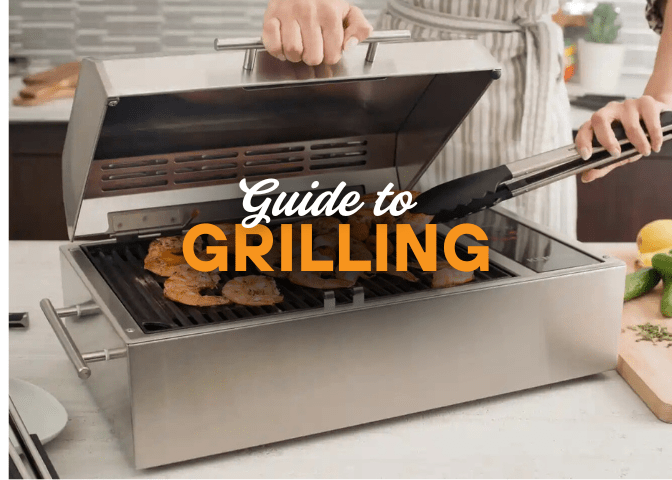
Grilling is one of the best ways to bring out bold flavors and create mouthwatering meals. But what if you don’t have a backyard or an outdoor grill?
Don’t worry—you can master the art of grilling right in your kitchen. Imagine enjoying perfectly grilled steaks, veggies, or even sandwiches anytime you want, no matter the weather. In this guide, you’ll discover simple tips and tricks to turn your kitchen into a grilling hotspot.
Ready to impress your taste buds and your guests? Let’s get started!
Choosing The Right Indoor Grill
Choosing the right indoor grill is key for easy and tasty cooking inside your home. The right grill fits your cooking style and kitchen space. It also helps make grilling safe and enjoyable all year round.
Indoor grills come in different types with various features. Picking one that matches your needs saves time and effort. Think about how often you will grill and what foods you want to cook.
Electric Vs. Stovetop Grills
Electric grills plug into an outlet and heat up quickly. They often have temperature controls for even cooking. These grills are great for quick meals and easy cleanup.
Stovetop grills sit on your burner and use your stove's heat. They give a more traditional grilled flavor and can get very hot. Stovetop grills work well if you want more control over heat levels.
Electric grills are better for convenience. Stovetop grills suit those who prefer a classic grill taste.
Features To Look For
- Non-stick surfaces for easy cleaning
- Adjustable temperature settings
- Removable grill plates for washing
- Drip trays to catch fat and juices
- Timer and auto shut-off for safety
These features improve cooking and safety. They help you grill with less mess and more control.
Sizing For Your Kitchen Space
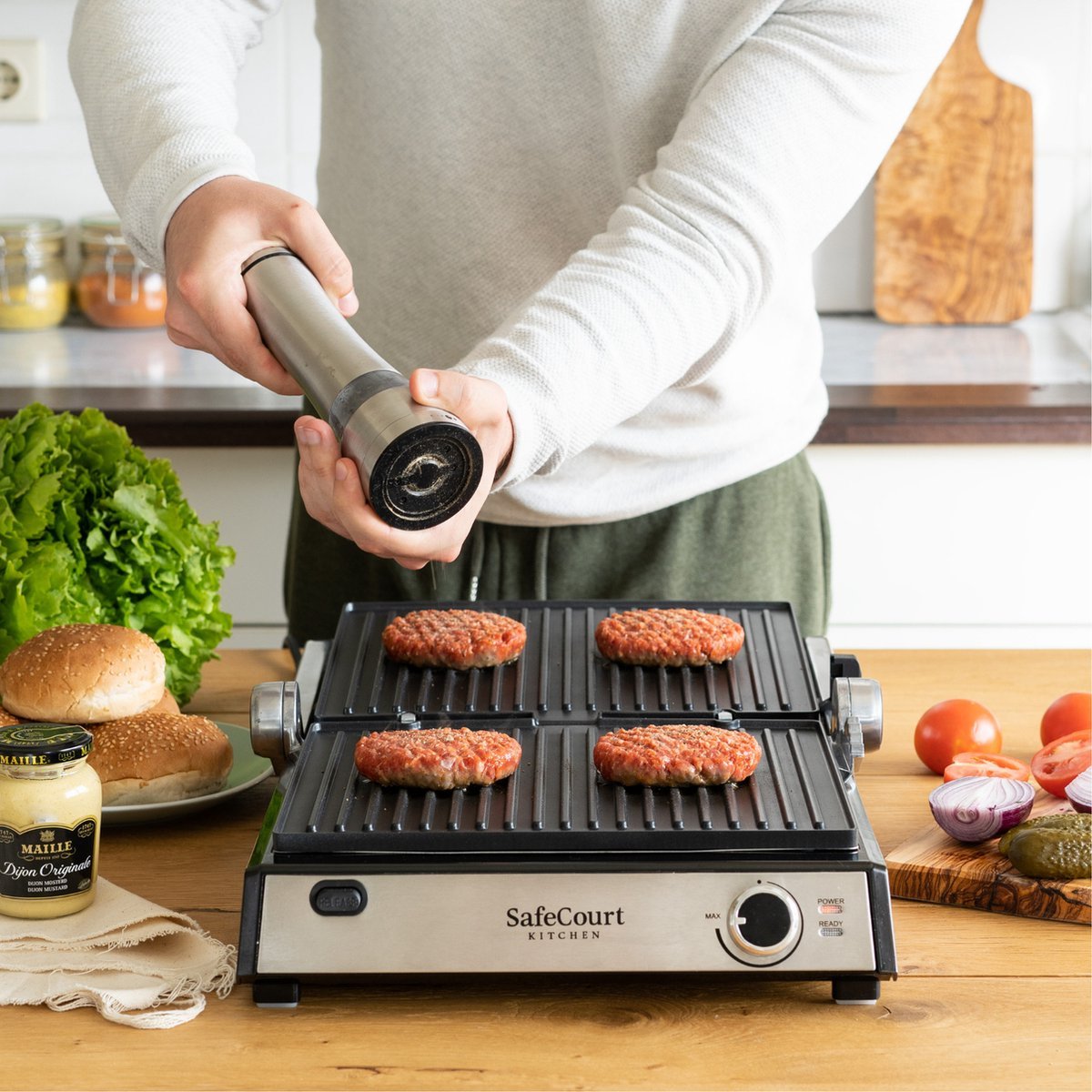
Measure your kitchen counter before buying a grill. Choose a size that fits well without crowding the area. Small grills are perfect for apartments or small kitchens.
Larger grills suit families or those who cook often. Check if the grill can be stored easily when not in use. A compact grill saves space and is easier to move.
Credit: safecourtkitchen.com
Preparing Your Grill And Kitchen
Getting your grill and kitchen ready is the first step to a successful indoor grilling experience. This preparation ensures your food cooks evenly and safely, while making cleanup easier afterward. Taking time to set up properly can turn a simple meal into something you’ll want to repeat again and again.
Cleaning And Seasoning The Grill
Before you start grilling, make sure your grill is spotless. Old grease and food bits can cause flare-ups and affect the flavor of your food. Use a grill brush to scrape off any residue, and wipe down the grates with a damp cloth.
Seasoning your grill grates helps create a natural non-stick surface. Heat the grill and brush the grates with a thin layer of cooking oil, like vegetable or canola oil. This simple step can improve the taste of your food and protect your grill from rust.
Setting Up Proper Ventilation
Indoor grilling produces smoke and smells that can linger if your kitchen isn’t ventilated well. Open windows and doors to create airflow and turn on your exhaust fan or range hood. If you don’t have a strong ventilation system, using a portable fan can help push smoke outside.
Have you ever noticed how smoke can build up quickly in a small kitchen? Proper ventilation not only keeps the air fresh but also helps you avoid setting off smoke alarms during your cooking.
Safety Precautions Indoors
Grilling indoors requires extra caution to prevent accidents. Keep a fire extinguisher close by and never leave the grill unattended while it’s on. Avoid placing the grill near curtains, paper towels, or anything that can catch fire easily.
Consider using a grill pan or electric grill designed for indoor use to reduce risks. Always check your smoke detectors before you start cooking, and have a plan ready in case of emergencies. How prepared do you feel to handle unexpected flare-ups or spills?
Selecting The Best Foods For Indoor Grilling
Choose foods that cook quickly and evenly, like thin cuts of meat, vegetables, and seafood. Avoid thick or wet items to prevent smoke and uneven cooking. Select ingredients that suit indoor grill temperatures for the best results.
Selecting the Best Foods for Indoor Grilling Indoor grilling can bring the delightful flavors of summer right into your kitchen, no matter the season. The key to successful indoor grilling lies in selecting the right foods. Choosing the best meats, vegetables, fruits, and seasonings ensures your meals are as delicious as they are easy to prepare.
Meats That Grill Well Indoors
Certain meats are particularly suited for indoor grilling due to their texture and flavor profiles. Chicken breasts, steak cuts like ribeye or sirloin, and tender cuts of pork can all yield juicy and flavorful results. Remember to trim excess fat to avoid smoke, and opt for thinner cuts to ensure even cooking on your indoor grill.
Vegetables And Fruits For Grilling
Grilled vegetables and fruits can add vibrant colors and flavors to your meal. Bell peppers, zucchini, and asparagus are excellent choices that grill to perfection indoors. Fruits like pineapple slices and peaches can caramelize beautifully, offering a sweet counterpoint to savory dishes.
Marinades And Seasonings
Enhance your indoor grilling with the right marinades and seasonings. A simple mix of olive oil, lemon juice, garlic, and herbs can elevate any meat or vegetable. Consider spice rubs for meats and a touch of balsamic glaze for fruits to create layers of flavor that will tantalize your taste buds. Have you ever tried adding unexpected seasonings to your grilled foods? A dash of cinnamon on grilled fruits or a sprinkle of smoked paprika on vegetables can surprise your palate in delightful ways.
Mastering Indoor Grilling Techniques
Mastering indoor grilling techniques transforms your kitchen into a versatile cooking space. It requires understanding how to manage heat, timing, and presentation without the open flames of an outdoor grill. Let’s dive into practical tips that help you achieve the same rich flavors and textures right at home.
Controlling Temperature And Heat Zones
Temperature control is key to successful indoor grilling. Unlike outdoor grills, your stovetop or electric grill may not have multiple burners to create different heat zones.
Use a grill pan or cast iron skillet that retains heat well. Start by preheating on medium-high, then adjust to medium or low for delicate foods. If your equipment allows, create a hot zone for searing and a cooler zone for slower cooking by shifting food between areas.
Have you noticed how uneven heating affects your cooking? Moving food strategically helps prevent burning and ensures even cooking.
Timing And Flipping Tips
Timing is critical. Resist the urge to flip your food too often. Let it cook undisturbed until it naturally releases from the grill surface.
Use visual cues like the edges of your meat turning opaque or the juices starting to pool on top. These signs tell you when it’s time to flip.
Flip only once or twice to keep your food juicy. Over-flipping can cause it to dry out or stick to the pan.
Achieving Grill Marks Indoors
Grill marks aren’t just for looks—they add flavor through caramelization. Use a well-heated grill pan with raised ridges.
Press your food firmly against the ridges and avoid moving it until the marks form, usually 2-3 minutes per side. Rotate your food 45 degrees halfway through cooking each side for crosshatch marks.
Have you ever felt disappointed by dull-looking grilled food? These simple steps make your dishes visually appealing and restaurant-quality.
Enhancing Flavor Without Smoke
Grilling indoors can be tricky when you want that rich, smoky flavor without filling your kitchen with smoke. The key lies in boosting taste through clever techniques that mimic the essence of outdoor grilling. You can create bold, smoky flavors using tools and ingredients right at home, without needing a full smokehouse setup.
Using Smoked Spices And Rubs
Smoked spices are your best friends for adding depth to grilled dishes indoors. Ingredients like smoked paprika, chipotle powder, and smoked salt bring a warm, smoky hint that lifts any meat or vegetable.
Try making a dry rub mixing smoked paprika with garlic powder, brown sugar, and black pepper. Rub it generously on chicken or tofu before grilling on a pan or grill pan. This simple step gives your food that grilled flavor punch without any smoke.
Indoor Smoking Alternatives
What if you want a real smoky aroma but can't use a traditional smoker? Indoor smoking alternatives like a stovetop smoker or a smoking gun can help. These gadgets let you infuse smoke flavor in a controlled way, perfect for small spaces.
Using a stovetop smoker, you can add wood chips like applewood or hickory. The smoke traps inside the lid, flavoring your food gently. A smoking gun lets you add smoke to finished dishes, creating that smoky layer without heating your kitchen.
Adding Charcoal Flavors
Charcoal flavor is a hallmark of grilling, but how can you add it inside without an open flame? One trick is to use liquid smoke, a concentrated essence of wood smoke. Add a few drops to marinades, sauces, or even directly onto your food.
Another way is to char vegetables or meats slightly on a hot cast-iron skillet or grill pan. The slight blackening mimics the taste of charcoal grilling and adds complexity to your dish. Have you ever noticed how a little char changes the whole flavor profile? Try it out—it's simple and effective.

Credit: www.youtube.com
Cleaning And Maintaining Your Indoor Grill
Keeping your indoor grill clean and well-maintained is key to great tasting food. It also helps your grill last longer and stay safe to use. Regular cleaning removes leftover grease and food bits that can cause smoke or bad smells. Proper care makes grilling easier and more enjoyable every time.
Simple habits can prevent buildup and keep your grill working at its best. Follow these steps after each use and schedule regular maintenance checks. This keeps your grill in top shape, ready for your next cooking session.
Post-grilling Cleanup
Start cleaning right after grilling while the grill is still warm. Use a grill brush to scrape off food stuck on the grates. Wipe the surface with a damp cloth to remove grease. Empty the drip tray and clean it thoroughly. Avoid using harsh chemicals that can damage your grill. Rinse removable parts with warm soapy water and dry them well.
Regular Maintenance Tips
- Check the power cord and plug for damage.
- Clean heating elements carefully to avoid damage.
- Inspect and tighten screws or bolts.
- Remove and clean grease traps often.
- Store the grill in a dry place when not in use.
Extending Grill Lifespan
Use your grill according to the manufacturer's instructions. Avoid overheating or using metal tools that can scratch surfaces. Regularly clean all parts to prevent rust and buildup. Replace worn or broken parts promptly. Keeping the grill dry prevents corrosion and electrical issues. A well-cared-for grill will give you delicious meals for years.
Indoor Grilling Recipes To Try
Grilling inside your kitchen doesn’t mean sacrificing flavor or excitement. You can create mouthwatering dishes that bring the smoky, charred taste of outdoor grilling right to your countertop. Ready to fire up your indoor grill? Let’s look at some recipes that fit your busy weeknights, keep things healthy, and add a twist with bold BBQ sauces.
Quick Weeknight Meals
Pressed for time? Indoor grilling can still deliver quick, tasty meals without the wait. Think grilled chicken breasts seasoned simply with salt, pepper, and garlic powder, cooked to juicy perfection in under 10 minutes.
Try grilling veggie skewers with bell peppers, zucchini, and cherry tomatoes for a fast side. You can use pre-cut veggies and a store-bought marinade to speed things up even more.
- Grilled shrimp tacos with avocado salsa
- Steak fajitas with grilled onions and peppers
- Grilled cheese sandwiches with tomato and basil
What’s stopping you from making dinner exciting tonight with just a few minutes at your indoor grill?
Healthy Grilled Options
Grilling keeps food low in fat and high in flavor. Lean proteins like salmon, turkey burgers, or tofu soak up smoky flavors without adding extra calories.
Pair these with grilled vegetables such as asparagus, eggplant, or sweet potatoes for a satisfying meal that’s good for your body and taste buds.
- Grilled salmon with lemon and dill
- Turkey burger with avocado and spinach
- Grilled portobello mushrooms with balsamic glaze
Have you tried swapping frying for grilling to cut down on oil and still enjoy rich textures?
Creative Bbq Sauces
Sauces transform your grilled dishes from ordinary to unforgettable. Mix your own BBQ sauce using ingredients like honey, mustard, apple cider vinegar, and smoked paprika for a unique flavor.
Experiment with fruit-based sauces, such as peach or pineapple, to add a sweet contrast to smoky meats. Don’t hesitate to blend spicy elements like chipotle or cayenne for a kick.
| Sauce | Main Ingredients | Flavor Profile |
|---|---|---|
| Honey Mustard BBQ | Honey, Dijon mustard, apple cider vinegar | Sweet and tangy |
| Peach Chipotle | Peach preserves, chipotle peppers, lime juice | Fruity with smoky heat |
| Classic Smoky BBQ | Tomato paste, smoked paprika, molasses | Rich and smoky |
Which sauce will you try first to elevate your next grilled meal?
Credit: www.kitchenaid.com
Frequently Asked Questions
What Equipment Do I Need To Grill Indoors?
To grill indoors, use an electric grill, grill pan, or stovetop grill. Ensure proper ventilation and a heat-resistant surface. These tools mimic outdoor grilling without smoke or fire hazards.
How Can I Prevent Smoke While Grilling Inside?
Prevent smoke by using a clean grill and cooking at medium heat. Open windows or use an exhaust fan to ventilate. Avoid fatty foods that drip and cause smoke.
Which Foods Are Best For Indoor Grilling?
Best foods for indoor grilling include vegetables, chicken breasts, fish fillets, and thin cuts of beef. These cook quickly and evenly on indoor grills, ensuring great flavor and texture.
How Do I Clean My Indoor Grill After Use?
Clean your indoor grill by unplugging it and letting it cool. Use a grill brush or sponge with warm, soapy water. Remove leftover food and grease to maintain grill performance.
Conclusion
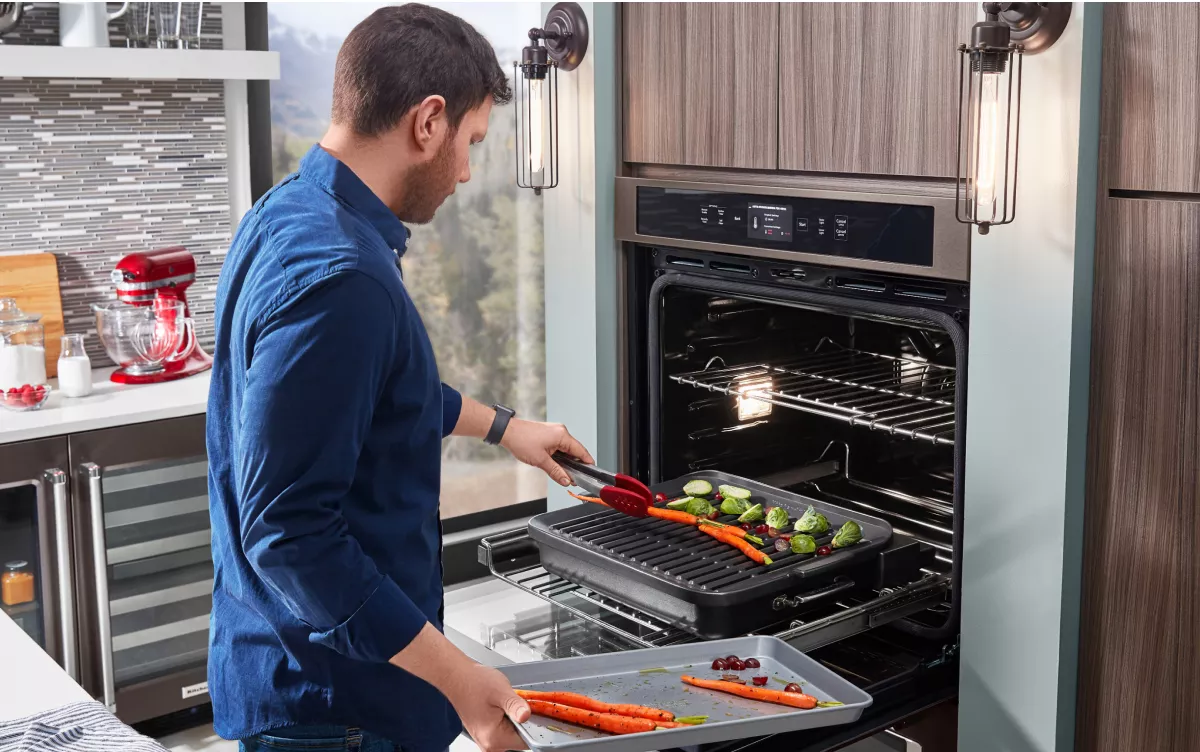
Grilling in the kitchen can be simple and fun. Use your stove or oven to get great grill marks and flavors. Remember to control the heat and watch your food closely. Try different marinades and spices to find what you like.
Practice often, and cooking will feel easier each time. Enjoy tasty grilled meals all year long, no matter the weather outside. Keep these tips in mind and start grilling today!