
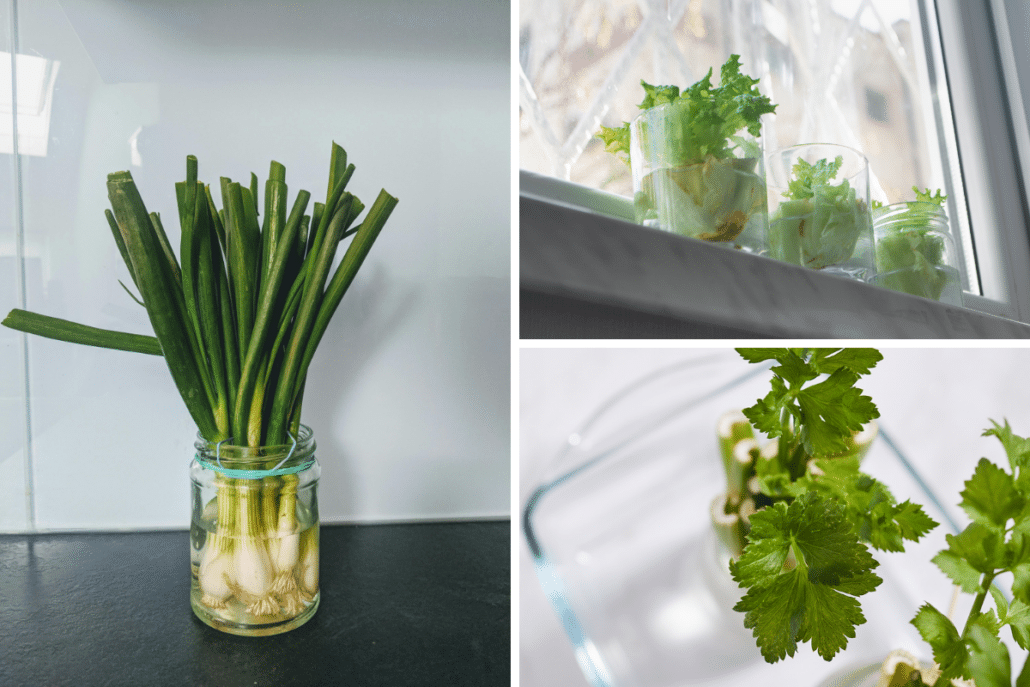
Have you ever tossed out vegetable peels, fruit stems, or leftover roots without a second thought? What if you could turn those kitchen scraps into fresh, homegrown food?
Growing food from your kitchen scraps is easier than you think, and it saves you money while reducing waste. Imagine harvesting your own lettuce, green onions, or herbs right from scraps you’d usually throw away. Keep reading, and you’ll discover simple steps to transform your kitchen waste into a thriving mini garden.
Your journey to fresh, sustainable food starts right here!
:strip_icc()/bhg-cutting-lettuce-end_2ZRev9wCagGAGiHwW9Eef1-a66ffed870644628bb06a480ae4eb419.jpg)
Credit: www.bhg.com
Benefits Of Growing Food From Scraps
Growing food from kitchen scraps offers many benefits. It turns waste into valuable resources. This practice helps save money and provides fresh, organic produce. It also has a positive effect on the environment. Here are some key benefits of growing food from scraps.
Save Money And Reduce Waste
Using kitchen scraps to grow food cuts grocery bills. You reuse parts of vegetables that usually get thrown away. This reduces the amount of food waste in your home. It also lowers the need to buy new plants or seeds. Saving money while reducing trash is a smart, eco-friendly choice.
Fresh And Organic Produce At Home
Growing food from scraps gives you fresh vegetables and herbs. You control what goes into your plants, avoiding harmful chemicals. Homegrown produce is often tastier and more nutritious. It ensures you eat clean food straight from your kitchen garden.
Environmental Impact
Growing food from scraps helps lower your carbon footprint. It cuts down on landfill waste, reducing methane gas emissions. Reusing scraps also lessens the demand for packaged produce. This saves energy and decreases pollution linked to food production.
Credit: www.familyhandyman.com
Best Kitchen Scraps To Grow
Using kitchen scraps to grow food saves money and reduces waste. Many scraps have the power to sprout new plants. Choosing the right scraps gives the best chance of success. Some scraps regrow quickly and produce healthy plants. Others need more care but are worth the effort.
Vegetable Tops And Stems
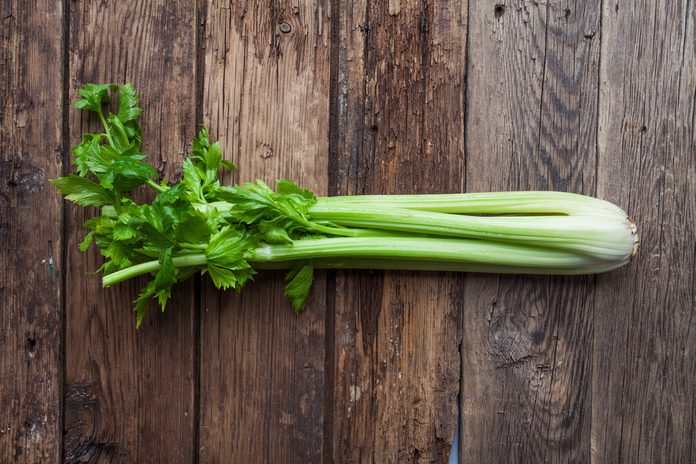
Vegetable tops and stems regrow easily in water or soil. Green onion roots sprout new shoots fast. Celery bottoms form fresh stalks after a few days. Lettuce stems grow new leaves with enough light. Carrot tops can produce green leaves for cooking. Save these scraps and place them in shallow water. Change water every two days for best growth.
Fruit Seeds And Pits
Fruit seeds and pits hold the potential to grow new trees. Avocado pits can sprout roots in water within weeks. Citrus seeds grow well in small pots with moist soil. Apple seeds need cold treatment before planting. Mango pits take longer but can become healthy plants. Remove seeds carefully and clean them before planting. Use small containers and keep soil damp for good results.
Herb Cuttings
Herb cuttings root quickly and produce fresh herbs at home. Basil cuttings grow well in a glass of water. Mint stems develop roots and new leaves in days. Rosemary cuttings prefer soil but also root in water. Cut healthy stems and remove lower leaves before placing in water. Keep cuttings in indirect light for strong growth.
Simple Methods To Regrow Scraps
Kitchen scraps like carrot tops and potato eyes can grow new plants easily. Soaking and planting these scraps helps save money and reduces waste. Growing food from scraps is simple and fun for beginners.
Growing food from kitchen scraps is a rewarding journey. It saves money and reduces waste. Discovering simple methods to regrow scraps can transform your kitchen into a mini garden. Let's explore easy ways to breathe new life into those leftover bits.
Water Regrowth Techniques
Some scraps thrive in water. This method is simple and mess-free. Green onions, for instance, are perfect for water regrowth. Place the roots in a glass with water. Change the water every few days. Watch them sprout and grow back quickly. Lettuce and celery can regrow similarly. Use the base and submerge it slightly in water. In a week, you'll see new leaves emerging.
Soil Planting Tips
Soil planting is ideal for root vegetables. Carrots, beets, and potatoes love soil. Cut a small piece of the root and plant it in moist soil. Ensure it gets enough sunlight. New greens will sprout from the tops. Tomatoes and peppers also do well in soil. Save the seeds from these fruits. Dry them and plant them in small pots. They will germinate in a few weeks.
Using Containers And Pots
Containers and pots are versatile for regrowth. They fit well on windowsills or balconies. Herbs like basil and cilantro thrive in pots. Take cuttings with a few leaves. Plant them in a small pot with soil. Keep the soil moist for healthy growth. Even scraps like garlic and ginger can grow in pots. Bury a garlic clove or ginger piece in soil. Soon, you'll have fresh shoots sprouting up.
:strip_icc()/bhg-cutting-green-onions_ALUORgLo4m-BSyvSDcgxVl-3dce86b822c14817af388e028e8460bc.jpg)
Credit: www.bhg.com
Common Challenges And Solutions
Growing food from kitchen scraps is rewarding but not without its hurdles. You might face issues like pests, mold, or plants growing too fast and crowding each other. Recognizing these challenges early and knowing how to manage them can save your scraps from becoming wasted effort.
Pest Control Naturally
Pests love tender new growth from scraps just as much as you do. Instead of reaching for harsh chemicals, try natural remedies that protect your plants without harming the environment.
- Use neem oil spray:It repels many common insects and is safe for edible plants.
- Introduce beneficial insects:Ladybugs and lacewings eat aphids and other pests.
- Plant companion herbs:Basil, mint, and marigolds can deter unwanted bugs.
Have you noticed which pests target your scraps most? Observing this can help you tailor your defense strategies effectively.
Dealing With Mold And Rot
Moist kitchen scraps can quickly turn moldy or rot, especially in humid conditions. This not only wastes your effort but might spread to healthy plants.
- Avoid overwatering:Keep the soil moist but not soggy to prevent fungal growth.
- Ensure good airflow:Space out your plants and avoid crowded containers.
- Remove affected parts quickly:Cut away moldy or rotten leaves and stems to stop spread.
Have you ever lost a promising plant to unseen mold? Catching it early can be the difference between success and failure.
Preventing Overgrowth
Scrap-grown plants can sometimes grow too fast or spread too wide, choking out their neighbors. Managing this growth keeps your mini garden productive and healthy.
- Regular pruning:Trim leaves and stems to control size and encourage new growth.
- Use suitable containers:Choose pots that limit root space to keep plants manageable.
- Rotate plants:Move fast growers to new spots to avoid overcrowding.
What’s your strategy for keeping plants in check? Finding the right balance can turn a chaotic patch into a thriving patch.
Tips For Healthy Growth
Growing food from kitchen scraps can be incredibly rewarding, but ensuring healthy growth requires attention to a few key factors. These tips help you create the right environment for your plants to thrive, turning simple scraps into a thriving mini garden. Paying attention to light, nutrients, and water can make all the difference in your success.
Proper Light And Temperature
Most kitchen scrap plants need plenty of indirect sunlight—about 6 to 8 hours a day works well. Placing your scraps near a bright window often does the trick, but avoid harsh direct sun that can scorch tender leaves.
Temperature matters too. Most vegetables prefer a range between 65°F and 75°F (18°C to 24°C). If your home gets chilly at night, consider moving your plants to a warmer spot or using a small heat mat.
Nutrient Needs And Fertilizing
Kitchen scraps provide a great start, but your plants will need extra nutrients to grow strong. Use a balanced, water-soluble fertilizer every 2 to 4 weeks to keep them nourished.
Organic options like compost tea or diluted fish emulsion work well and keep your garden natural. Have you tried mixing crushed eggshells or used coffee grounds into the soil? These add calcium and nitrogen, boosting growth without chemicals.
Watering Best Practices
Watering is more about quality than quantity. Overwatering can drown roots, while underwatering stresses plants.
Check soil moisture by sticking your finger about an inch deep. If it feels dry, it’s time to water. Use room temperature water to avoid shocking the roots.
Good drainage is essential—make sure your containers have holes to prevent standing water. Have you noticed your plants wilting even after watering? This often means poor drainage or root rot, so adjust accordingly.
Harvesting And Using Your Produce
Harvesting your homegrown food is an exciting moment that connects you directly to the fruits of your effort. Knowing the right time to pick your produce ensures the best taste and nutritional value. Once harvested, proper storage and creative use of your food will keep your kitchen vibrant and your meals fresh.
When To Harvest
Harvesting at the right time is key to enjoying your food at its peak. Most vegetables and herbs are best picked early in the morning when they’re crisp and full of flavor.
Look for signs like firm leaves, vibrant color, and a slight give when gently squeezed. For example, lettuce should be harvested before it bolts, while carrots taste sweetest when they reach a good size but before they grow woody.
Have you ever tasted a tomato picked too early? The difference in sweetness is remarkable and worth waiting for.
Storing Fresh Produce
Proper storage extends the life of your harvest and reduces waste. Leafy greens keep best when wrapped in a damp paper towel and stored in a plastic bag inside the fridge.
Root vegetables like carrots and potatoes prefer a cool, dark, and dry place to avoid sprouting or spoilage. Herbs can last longer if you treat them like fresh flowers—trim the stems and place them in a jar of water on your countertop.
Experiment with different storage methods to find what keeps your produce freshest. Have you tried freezing herbs in olive oil cubes? It’s a game-changer for adding fresh flavor anytime.
Creative Recipes With Homegrown Food
Using your own vegetables and herbs in everyday cooking adds a unique freshness you can’t buy at the store. Try tossing freshly picked greens into a simple salad with lemon and olive oil for a quick, nutritious meal.
Turn extra carrots into delicious carrot fries or blend herbs into homemade pesto for pasta nights. You might discover new favorite recipes just by experimenting with what you’ve grown.
What’s the most surprising dish you’ve made from your kitchen scraps? Sharing your creativity can inspire others to make the most of their harvest too.
Frequently Asked Questions
How Can I Grow Vegetables From Kitchen Scraps?
You can regrow vegetables like green onions, lettuce, and celery by placing their scraps in water. Change the water regularly. After roots develop, transplant them to soil for continued growth.
Which Kitchen Scraps Are Best For Regrowing Plants?
Green onion roots, potato eyes, garlic cloves, and carrot tops regrow easily. These scraps contain nutrients and growth nodes essential for new plant development.
How Long Does It Take For Scraps To Sprout?
Most kitchen scraps take 1 to 3 weeks to sprout roots or shoots. Factors like light, temperature, and water affect growth speed.
Can All Kitchen Scraps Grow New Plants?
Not all scraps regrow well. Fruits with seeds or woody stems may not root easily. Focus on vegetables with strong growth potential like herbs and root vegetables.
Conclusion
Growing food from kitchen scraps saves money and reduces waste. It helps you enjoy fresh herbs and vegetables at home. Start small, be patient, and watch your plants grow. This simple habit makes your kitchen more green and lively. Anyone can try it, even with little space.
Give it a chance and see the benefits yourself. Gardening from scraps brings joy and fresh food right to your hands. Easy, fun, and good for the planet. Why not start today?