
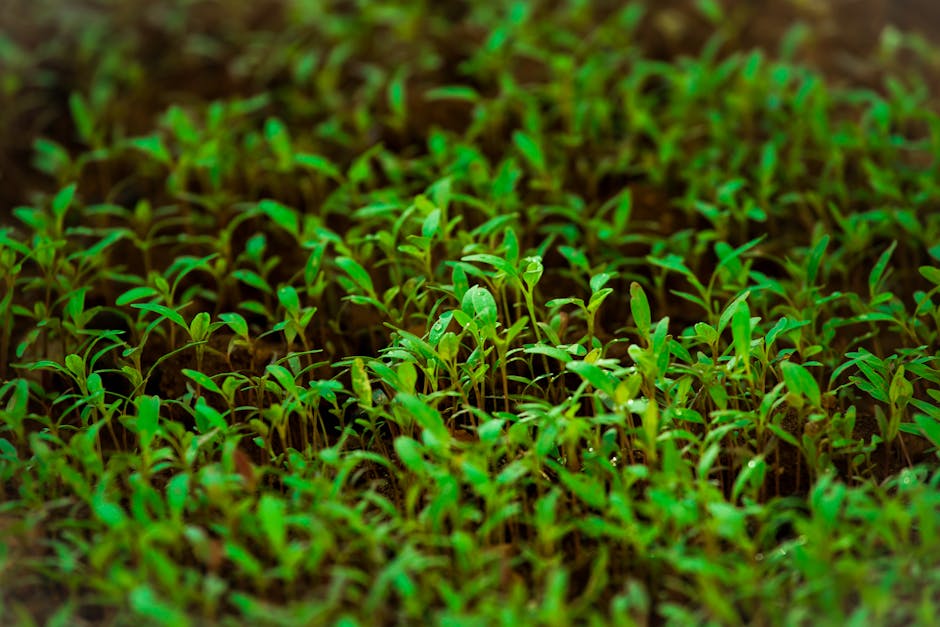
Have you ever thought about turning your kitchen scraps into a thriving garden? It’s easier than you might think, and it can save you money while reducing waste.
Imagine watching your leftover vegetable peels, stems, and seeds grow into fresh, vibrant plants right at home. You’ll discover simple, practical steps to make the most out of what you usually toss away. Get ready to transform your scraps into something useful and exciting—your garden is waiting!

Credit: www.youtube.com
Benefits Of Growing From Kitchen Scraps
Growing plants from kitchen scraps is more than just a clever way to recycle. It offers several real benefits that can change how you think about food waste and gardening. You might be surprised at how much you can gain, both practically and personally, by turning scraps into new life.
Saving Money On Groceries
When you regrow vegetables like green onions or lettuce from scraps, you reduce the need to buy new plants or seeds. This small habit can cut your grocery bills over time. Imagine harvesting fresh herbs or greens right from your windowsill without paying extra.
Reducing Food Waste
Using kitchen scraps to grow plants means fewer leftovers end up in the trash. This helps reduce the amount of food waste you produce. Have you ever thought about how much food you throw away that could have sprouted into something useful?
Easy Access To Fresh Produce
Growing from scraps gives you fresh vegetables and herbs on demand. You don’t have to wait for a farmer’s market or a store visit. Just a little care and attention can provide you with crisp greens or flavorful herbs whenever you need them.
Learning And Experimenting With Gardening
Starting plants from scraps is a simple way to learn gardening basics. You can experiment with different vegetables and see what grows best in your space. This hands-on experience can boost your confidence and inspire more gardening projects.
Connecting With Nature Indoors
Watching your kitchen scraps turn into living plants brings a small but powerful connection to nature. It adds life to your home and can be a calming activity. Have you noticed how tending to plants changes your mood or focus?
Best Kitchen Scraps To Grow
Choosing the best kitchen scraps to grow can transform your cooking waste into a thriving mini garden. Not all scraps regrow easily, so focusing on the right ones saves time and effort. You might be surprised how much you can grow from what you usually throw away.
Vegetable Scraps
Vegetable scraps like onion ends, celery bases, and carrot tops are perfect for regrowing. Place the base of an onion in water, and it will sprout fresh green shoots within days. Celery and lettuce bottoms also regrow quickly when kept moist on a sunny windowsill.
Try planting potato eyes or garlic cloves directly in soil. They develop into full plants with minimal care. Have you ever noticed how much potential lies in your vegetable peelings?
Herb Cuttings
Herbs such as basil, mint, and rosemary grow well from cuttings. Snip a healthy stem and place it in water until roots develop. Once roots appear, transfer the cutting to soil to enjoy fresh herbs all year round.
This method saved me from buying new herb plants every season. It’s also a great way to multiply your favorite herbs without spending extra money. What herbs do you use most in your cooking that you could regrow?
Fruit Seeds And Pits
Some fruit seeds and pits can grow into new plants with patience. Avocado pits, for example, can sprout roots when suspended in water using toothpicks. Citrus seeds and apple seeds also germinate well in moist soil.
Keep in mind, fruit trees grown from seeds take longer to bear fruit. Still, watching a tiny seed turn into a sapling is rewarding. Which fruit seeds have you tried or considered planting from your scraps?
Preparing Scraps For Planting
Kitchen scraps need cleaning and trimming before planting. Cut them into small pieces to help roots grow faster. Place scraps in soil with good drainage for best results.
Growing plants from kitchen scraps is both eco-friendly and rewarding. It transforms waste into lush greenery. To do this successfully, prepare your scraps properly. This involves cleaning, choosing the right containers, and understanding soil and water needs. Follow these simple steps to turn scraps into thriving plants.
Cleaning And Trimming
Begin by cleaning your kitchen scraps. Remove any dirt or residue. Use water to rinse them thoroughly. Trim away damaged or rotten parts. Healthy scraps grow better. For example, cut the base of celery or lettuce. Leave about an inch for regrowth. This helps the plant sprout new roots.
Choosing The Right Containers
Select the right container for each scrap. Containers should have drainage holes. This prevents waterlogging. Small pots or jars work well. For herbs, use wider containers. Ensure they have enough space to grow. Recycled containers can also work. Just make sure they are clean and safe.
Soil And Water Needs
Choose quality soil for planting. It should be rich and well-draining. Potting mix is a good option. For water needs, keep the soil moist. Do not overwater, as it can harm the roots. Check the moisture level regularly. Different scraps have different water needs. Pay attention to each plant's requirement.
Step-by-step Growing Methods
Growing plants from kitchen scraps is a rewarding way to reduce waste and enjoy fresh produce. You don’t need a big garden or fancy tools to start. Just a little patience and the right steps can bring new life to scraps you’d normally toss.
Regrowing In Water
Many vegetables regrow quickly in water, making this a simple starting point. Place the base of green onions, celery, or lettuce in a shallow bowl filled with water. Change the water every few days to keep it fresh.
Within a week, you’ll notice new roots and shoots appearing. This method works well on your windowsill where sunlight is plentiful. Have you tried watching green onion bulbs grow taller right on your kitchen counter? It’s almost like magic.
Planting In Soil
Once roots have sprouted in water, transferring your scraps to soil helps them grow stronger. Use a small pot or garden bed with well-draining soil. Plant the rooted scrap just deep enough to cover the roots but leave the new shoots above soil level.
Water gently and keep the soil moist but not soaked. This encourages healthy growth and prevents rot. Seeing a little celery base turn into a full stalk after planting it in soil will make you want to try more scraps.
Using Compost For Growth
Compost turns kitchen scraps into nutrient-rich soil that feeds your plants. Instead of throwing peels and leftovers away, add them to your compost bin. Over time, this transforms into dark, crumbly soil perfect for planting.
You can mix compost into garden beds or potting soil to give your plants extra energy. Think about the difference compost makes in your garden: it’s like giving your plants a natural multivitamin. Are you ready to see your scraps come back as vibrant leaves and fruits?
Common Challenges And Solutions
Growing plants from kitchen scraps is fun but not without challenges. Problems like mold, pests, and poor light can stop growth. Recognizing these issues early helps keep your plants healthy. Here are some common problems and easy solutions.
Preventing Mold And Rot
Mold and rot occur from too much moisture and poor airflow. Avoid keeping scraps too wet or sealed tightly. Use containers with holes for drainage and air circulation. Change water every few days if growing in water. Remove any decaying parts quickly to prevent spread.
Dealing With Pests
Pests like aphids and gnats can harm your growing scraps. Check leaves and stems regularly for bugs. Wash plants gently with water or mild soap solution. Introduce natural pest repellents like neem oil or garlic spray. Keep the growing area clean and free of debris.
Ensuring Proper Light And Temperature
Plants need enough light to grow strong. Place scraps near a window with indirect sunlight. Avoid direct harsh sun which can dry them out. Maintain room temperature between 65°F and 75°F for best growth. Avoid cold drafts or very hot spots near heaters.
Tips For Thriving Plants
Growing plants from kitchen scraps is rewarding and fun. To help your plants thrive, focus on proper care and smart techniques. Healthy plants need attention and the right environment. Small efforts bring big results in your garden.
Regular Care And Maintenance
Water plants consistently but avoid overwatering. Check soil moisture daily. Remove dead leaves and any pests quickly. Provide enough sunlight; most plants need 6-8 hours a day. Use natural fertilizers like compost to feed your plants. Rotate plants occasionally for even growth. Keep an eye on plant health to catch problems early.
Harvesting And Replanting
Harvest scraps at the right time for best growth. Cut leaves or stems carefully to avoid damage. Save healthy scraps to regrow more plants. Rinse scraps before planting to reduce disease risk. Plant scraps in fresh soil or water to encourage roots. Replant new growth in bigger pots or garden beds. Repeat the process to keep your garden growing.
Maximizing Growth Space
Use containers or vertical gardens to save space. Group plants with similar needs together for easier care. Choose compact or dwarf plant varieties for small areas. Use shelves or hanging baskets to increase planting spots. Keep paths clear to access plants easily. Arrange plants by height to ensure sunlight reaches all. Clever space use leads to a fuller, healthier garden.
Creative Uses For Your Kitchen Scrap Garden
Creative uses for your kitchen scrap garden bring new life to leftover bits. Growing plants from scraps saves money and reduces waste. It turns old vegetable ends into fresh greenery and tasty herbs. This simple practice brightens your space and boosts your home’s eco-friendliness.
Indoor Gardens
Kitchen scraps grow well inside your home. Place scraps in small pots or jars with water. Rooting scraps like green onions or lettuce is easy on a windowsill. Use sunlight and fresh water to help sprouts grow strong.
Indoor gardens offer fresh greens year-round. They add color and life to kitchens and living rooms. Small containers fit well on counters or shelves. This method saves space and provides quick access to herbs and veggies.
Outdoor Containers
Containers outside handle larger scrap plants like potatoes or carrots. Fill pots or old buckets with soil. Plant scraps directly into the soil, covering them lightly. Keep soil moist and watch roots develop over weeks.
Outdoor containers allow control of soil and sunlight. Move pots to catch sun or avoid harsh weather. This setup suits patios, balconies, or small yards. Containers keep your garden neat and easy to manage.
Gifting And Sharing Plants
Plants grown from scraps make thoughtful gifts. Share rooted scraps with friends or neighbors. Present them in decorated jars or small pots for a personal touch.
This practice spreads green habits and encourages community. It creates bonds through gardening and shared growth. Gifting plants from scraps supports a culture of care and sustainability.
:strip_icc()/bhg-cutting-green-onions_ALUORgLo4m-BSyvSDcgxVl-3dce86b822c14817af388e028e8460bc.jpg)
Credit: www.bhg.com

Credit: www.everydaycheapskate.com
Frequently Asked Questions
What Kitchen Scraps Can I Regrow At Home?
You can regrow green onions, lettuce, celery, and garlic from scraps. Potato eyes and carrot tops also sprout well. These scraps grow easily in water or soil, saving money and reducing waste.
How Long Does It Take For Scraps To Grow Plants?
Most kitchen scraps take one to three weeks to sprout roots. Leafy vegetables like lettuce regrow faster, often within 7-10 days. Growth speed depends on light, temperature, and water conditions.
Can All Vegetable Scraps Grow New Plants?
Not all vegetable scraps regrow. Root vegetables and leafy greens regrow best. Citrus peels and cooked scraps usually don’t sprout. Using fresh, healthy scraps increases success chances.
What Is The Best Method For Growing Scraps?
Water regrowth is simple: place scraps in a glass with water. Change water every few days to prevent mold. Transplant rooted scraps into soil for stronger growth. Soil regrowth works well for root vegetables.
Conclusion
Growing plants from kitchen scraps saves money and reduces waste. It also gives you fresh herbs and veggies right at home. Anyone can start with simple scraps like potato eyes or carrot tops. Just plant, water, and watch them grow.
This easy method helps the environment and adds fun to your daily routine. Try it today and enjoy the small rewards of your efforts. Simple steps, big benefits. Gardening made easy.