
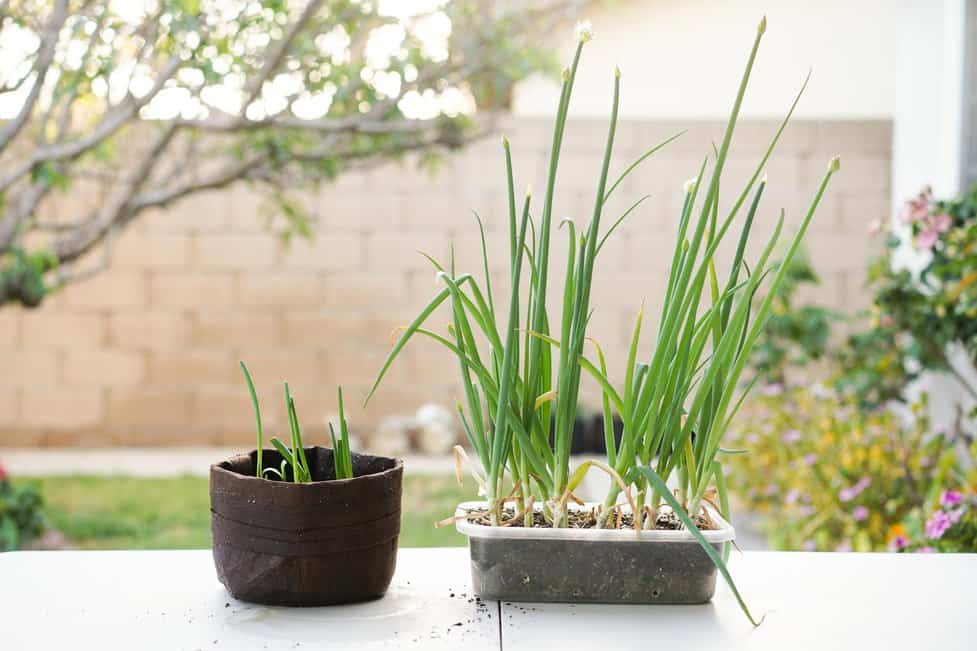
Have you ever thrown away green onion roots without knowing you could grow fresh ones right at home? What if you could turn those kitchen scraps into a never-ending supply of crisp, flavorful green onions?
It’s easier than you think, and you don’t need a garden or special tools. Imagine saving money, reducing waste, and having fresh greens ready whenever you want. Keep reading, and you’ll discover simple steps to grow green onions from scraps that anyone can follow.
Your kitchen and your taste buds will thank you!
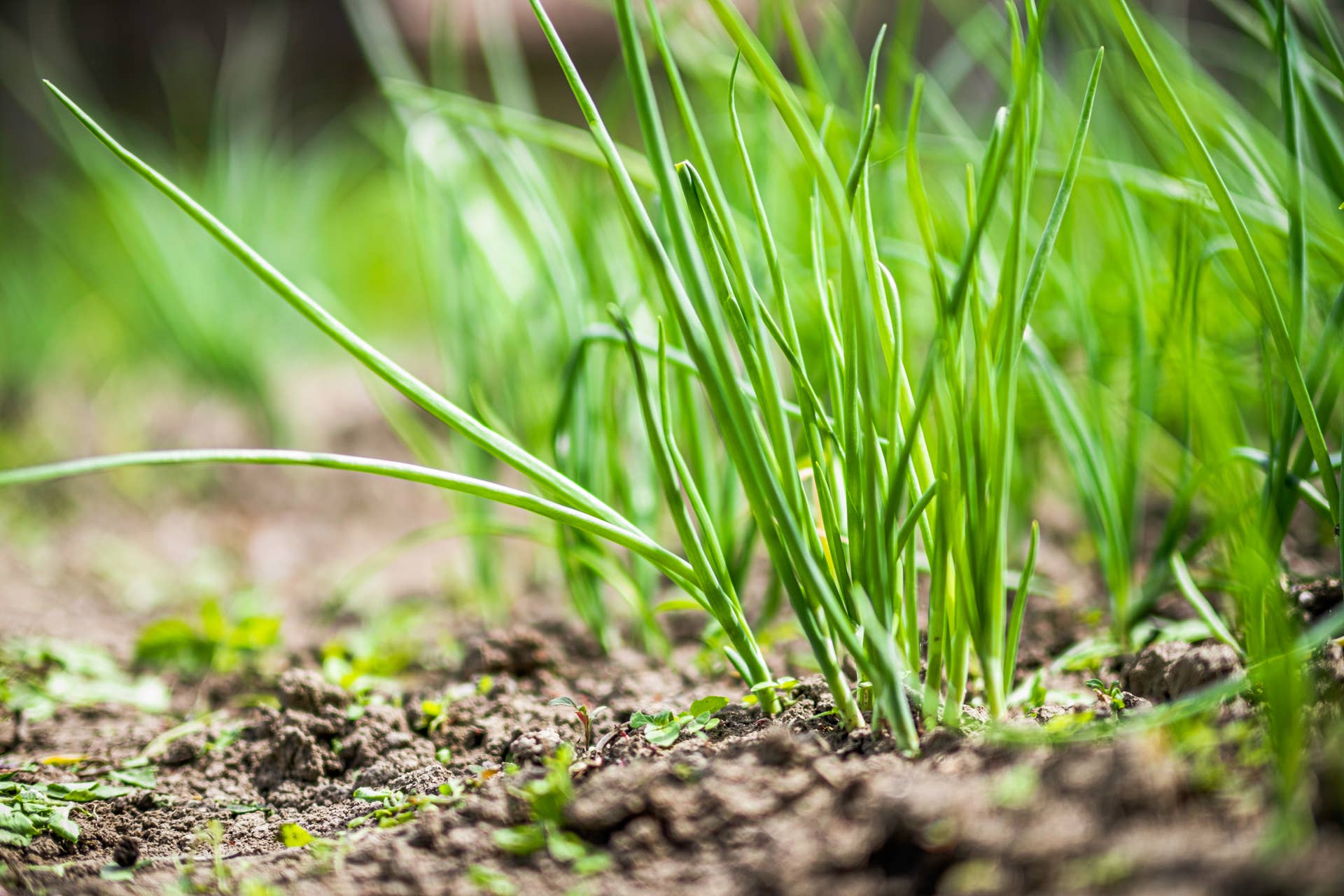
Credit: dengarden.com
Choosing The Right Green Onions
Choosing the right green onions is the first step in growing fresh greens at home. Healthy green onions grow better and last longer. Picking the best ones from kitchen scraps saves time and effort. This section helps you find the freshest stalks and suitable scraps for regrowing.
Selecting Fresh Stalks
Start with green onions that look firm and bright. Avoid those with yellow or slimy leaves. The white bulb should be intact and not dried out. Fresh stalks have vibrant green tops and white bases. Stalks with roots attached are best for regrowing. Cut green onions with at least 2 inches of white base. This part regrows new leaves quickly and easily.
Identifying Suitable Scraps
Use the bottom parts of green onions left after cooking. The root end with about 1-2 inches of white base works best. Avoid scraps that are slimy or mushy. Healthy scraps feel firm and fresh to touch. The roots should look white or light brown. Discard any scraps with black spots or mold. Proper scraps regrow strong and healthy green onions.
Preparing Green Onion Scraps
Preparing green onion scraps properly can make a big difference in how well they regrow. The right preparation sets the stage for healthy, vibrant new growth. It’s about giving your green onion scraps the best possible start.
Trimming For Regrowth
Start by cutting the green onions about an inch above the white root base. This part holds the energy needed for new shoots to sprout. Avoid cutting too low or too high to keep the roots intact and ready to grow.
Remove any wilted or slimy outer layers. These can slow down regrowth or cause mold. Keep the green parts trimmed just enough to encourage fresh, strong growth without stressing the plant.
Cleaning And Handling
Rinse the trimmed scraps gently under cool water to wash away dirt and bacteria. Dirty scraps can invite rot or disease, stopping growth before it even begins. Handle them carefully to avoid bruising the roots.
After rinsing, pat the scraps dry with a clean towel or paper towel. Excess moisture can cause mold, but a little dampness helps roots stay healthy. How often do you think about the simple step of cleaning your scraps before regrowing?
Methods To Regrow Green Onions
Green onions regrow easily from leftover roots. Place the white ends in water and watch new green shoots grow within days. Transplant them to soil for continuous fresh harvest.
Growing green onions from kitchen scraps is simple and rewarding. It's a sustainable way to reduce waste and enjoy fresh produce. You can regrow them with two main methods: using water or soil. Both are straightforward and require minimal effort.
Water Regrowth Technique
This method is quick and easy. Start with leftover green onion roots. Trim the roots to about an inch from the bulb. Place the roots in a glass jar with water. Ensure the roots are submerged but keep the tops dry. Position the jar on a sunny windowsill. Change the water every few days to keep it fresh. Watch as new shoots emerge in just a week. Harvest the green tops as needed for cooking.
Soil Planting Approach
This method gives more robust growth. Begin with green onion bulbs, leaving about an inch of roots. Fill a pot with potting soil. Make a small hole and plant the bulbs root-side down. Cover the bulbs with soil, leaving the tips exposed. Water the soil lightly, ensuring it stays moist. Place the pot in a sunny spot. New shoots will grow within days. Harvest the tops when they reach your desired length. This method may provide thicker, sturdier onions. Both techniques offer fresh green onions and a touch of nature in your kitchen.

Credit: www.hungryhuy.com
Caring For Regrowing Onions
Caring for regrowing green onions is simple but important. Proper care helps them grow fresh and strong. Small changes in light, water, and temperature can make a big difference. Healthy green onions grow faster and last longer for your kitchen needs.
Optimal Light Conditions
Green onions need bright, indirect sunlight. A sunny windowsill works well. Avoid direct sunlight as it may burn the leaves. Aim for at least 6 hours of light daily. If natural light is limited, use a grow light for support.
Watering Tips
Keep the roots moist but not soaked. Change the water every two days to prevent bacteria. Use a shallow container with about an inch of water. Avoid letting the onion base sit in dirty water. Proper watering stops rot and encourages growth.
Temperature And Environment
Green onions grow best in temperatures between 60°F and 75°F. Avoid cold drafts or hot spots near heaters. A stable room temperature helps steady growth. Good air circulation prevents mold and keeps the plants healthy.
Harvesting Green Onions
Harvesting green onions from kitchen scraps is rewarding and simple. Knowing the right moment and technique to harvest keeps your green onions growing strong and flavorful. Let’s look at how to get the best from your regrown green onions.
When To Harvest
Watch your green onions closely as they grow. You can start harvesting once the green tops reach about 6 to 8 inches tall. This height usually appears within two to three weeks after regrowth, depending on conditions.
Don't wait too long. If the onions grow too tall, the stalks can become tough and less tasty. Have you noticed your green onions getting stringy or yellowing? That’s a sign to harvest and encourage fresh growth.
Best Practices For Cutting
Use clean scissors or a sharp knife to cut the green onions. Cut about 1 to 2 inches above the white bulb base to allow the plant to keep growing. Avoid cutting the bulb itself; this is where new shoots come from.
Try cutting only what you need at a time instead of pulling out the whole plant. This approach lets your green onions regrow multiple times from the same root. Ever tasted green onions fresh from your kitchen scrap garden? The flavor is sharper and fresher than store-bought.
- Cut at an angle to reduce damage and help water run off.
- Harvest in the morning when the stalks are crisp and hydrated.
- Leave at least an inch of green growth for faster regrowth.
Troubleshooting Growth Issues
Growing green onions from kitchen scraps is simple, but problems can arise. Recognizing issues early helps save your plants. Knowing common problems guides you to quick fixes. Troubleshooting ensures your green onions stay healthy and strong.
Common Problems
- Yellowing leaves indicate overwatering or poor drainage.
- Slow growth often means lack of sunlight or nutrients.
- Roots turning brown signal root rot from excess water.
- Leaves wilting may result from underwatering or heat stress.
- Pests like aphids cause curling or spotted leaves.
Solutions And Preventive Measures
- Water green onions only when soil feels dry.
- Place scraps where they get 6 hours of light daily.
- Use well-draining containers to avoid root rot.
- Remove pests by rinsing with water or using mild soap.
- Add a small amount of balanced fertilizer every two weeks.
- Trim yellow or dead leaves to encourage new growth.
Benefits Of Growing From Scraps
Growing green onions from kitchen scraps offers many benefits. It is simple and rewarding. You reuse parts that usually get thrown away. This small act helps the environment and your wallet. Plus, fresh green onions are ready whenever you need them.
Environmental Impact
Using scraps reduces kitchen waste. It lowers the amount of garbage sent to landfills. Growing plants at home means fewer trips to the store. This cuts down on fuel use and pollution. It supports a greener lifestyle with less waste.
Cost Savings
Regrowing green onions saves money on groceries. It eliminates the need to buy new bunches often. The scraps you would discard become a fresh food source. This simple practice stretches your food budget further. It is a smart way to save without extra effort.
Kitchen Convenience
Having green onions at hand saves time. No need to run to the store for a small bunch. Just cut what you need from your regrown plants. This keeps your meals fresh and flavorful. It makes cooking easier and faster every day.

Credit: www.everydaycheapskate.com
Frequently Asked Questions
How Do You Regrow Green Onions From Scraps?
Place green onion roots in a glass with water. Change water every 2 days. New shoots appear in about a week.
Can Green Onions Grow Indoors From Kitchen Scraps?
Yes, green onions grow well indoors. Use a sunny windowsill and keep roots in water or soil. They need moderate light.
How Long Does It Take To Regrow Green Onions?
Green onions typically regrow within 7 to 14 days. Growth speed depends on light and temperature conditions.
Do Green Onions Need Soil Or Just Water To Regrow?
Green onions can regrow in water or soil. Water works for initial growth, but soil promotes stronger, healthier plants.
Conclusion
Growing green onions from kitchen scraps saves money and reduces waste. It takes just a few days to see new growth. You only need water, sunlight, and scraps to start. This method is simple and works for anyone. Try it in your kitchen to enjoy fresh greens anytime.
Keep your kitchen lively and green with this easy trick. Small efforts bring fresh flavors to your meals. Give it a try and watch your green onions grow fast.