
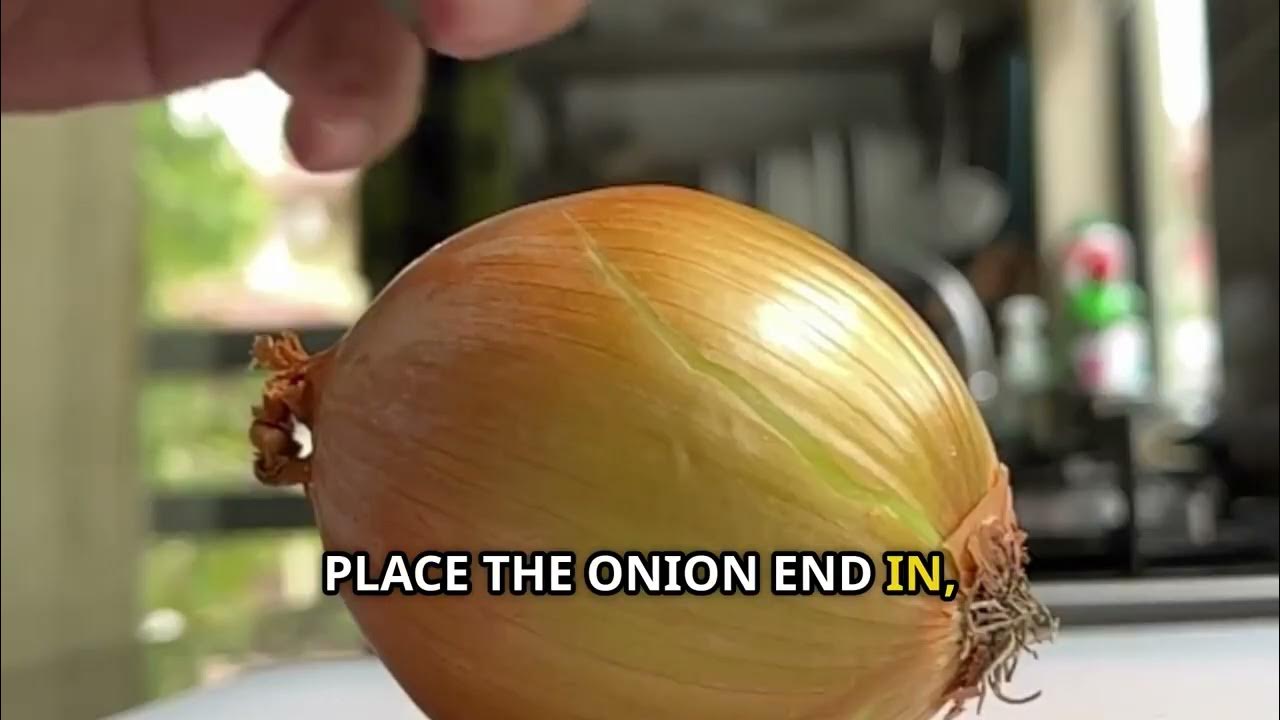
Have you ever wondered if you could turn your kitchen scraps into fresh, homegrown onions? What if you could save money, reduce waste, and enjoy the satisfaction of growing your own food—all from scraps you might usually toss away?
Growing onions from kitchen scraps is easier than you think, and it’s a fun way to bring new life to your cooking space. Keep reading, and you’ll discover simple steps that anyone can follow to start growing onions right at home.
Your kitchen scraps could become a green, thriving garden!
Selecting Onion Scraps
Choosing the right onion scraps is the first step in growing onions from kitchen waste. Not all parts of the onion will sprout or grow well. Selecting healthy scraps ensures a better chance of success.
Choosing The Right Onion Parts
Pick onion ends with roots attached. The bottom part of the onion, called the basal plate, is best. It holds the roots and can sprout new shoots. Avoid scraps that are soft, dry, or moldy. Fresh, firm pieces have more energy to grow.
- Look for onion bottoms with visible roots or root buds.
- Avoid green tops or just the stem without roots.
- Choose scraps from large, healthy onions.
Preparing Scraps For Planting
Trim excess leaves to expose the bulb base. Keep the roots intact but remove damaged parts. Let the scraps dry for a day to reduce rot risk. Soaking the onion base in water overnight can stimulate root growth. Prepare small containers with soil or water to place the scraps.
- Cut onion scraps about 1-2 inches tall.
- Remove any soft or slimy layers.
- Use clean water and pots for planting.
Setting Up Your Growing Space
Creating the right space for growing onions from kitchen scraps is key to success. A well-prepared area helps onions develop strong roots and healthy shoots. Focus on the right container, soil, light, and temperature for the best growth. This setup can fit small indoor spaces or sunny windowsills.
Choosing Containers And Soil
Select containers with good drainage holes to avoid water buildup. Use pots at least 6 inches deep for enough root space. Recycled containers like yogurt cups or small buckets work well too.
Choose loose, well-draining soil rich in organic matter. A mix of potting soil and compost is ideal. Avoid heavy soils that hold too much water and cause root rot.
Optimal Light And Temperature
Onions need plenty of light to grow strong. Place containers in a spot with 6 to 8 hours of sunlight daily. South or west-facing windows are perfect for indoor growing.
Maintain temperatures between 55°F and 75°F (13°C to 24°C). Avoid cold drafts and extreme heat. Stable, moderate warmth encourages steady growth and healthy plants.
Planting Onion Scraps
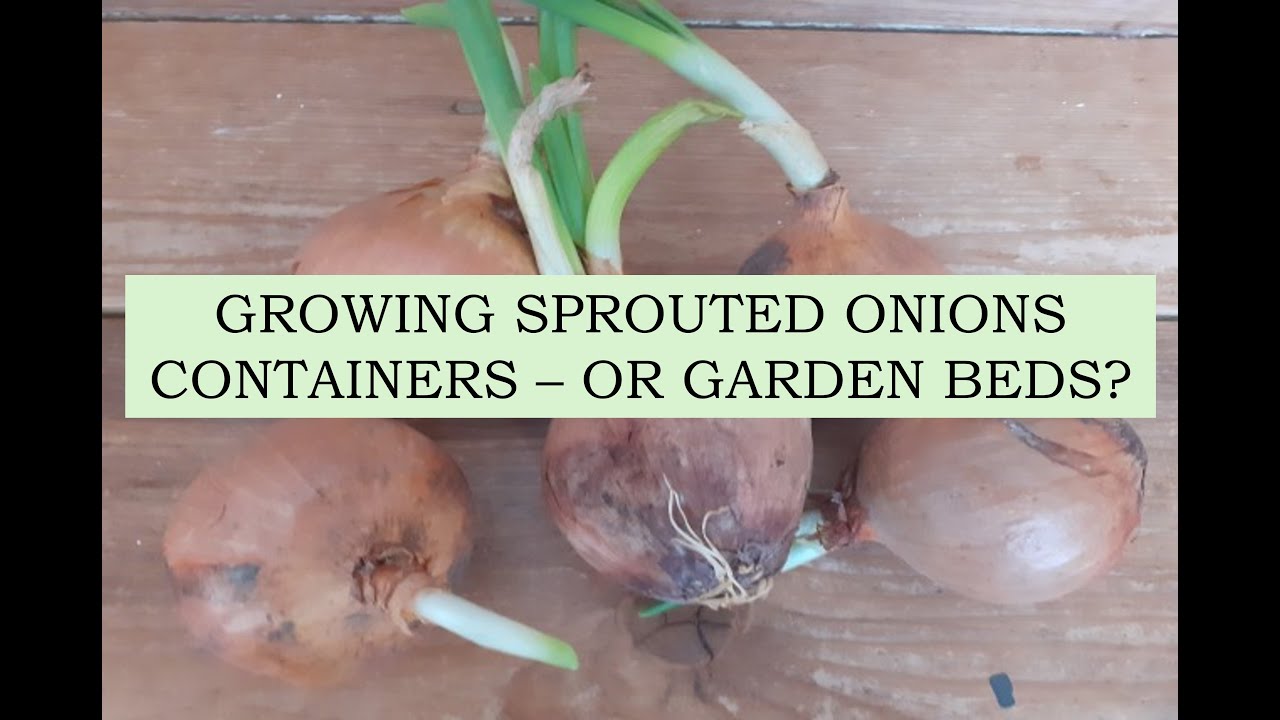
Onion scraps can grow new plants by placing the root end in water or soil. Roots will form quickly, leading to fresh green shoots. This simple process turns kitchen waste into a useful garden resource.
Growing onions from kitchen scraps is a delightful gardening venture that brings sustainability and satisfaction right to your home. Whether you're a seasoned gardener or a beginner, planting onion scraps is a simple and rewarding experience. It all starts with saving those leftover onion bottoms from your kitchen prep. These humble scraps can transform into vibrant new plants, providing you with fresh onions in no time.
Step-by-step Planting Guide
To begin, collect onion scraps that consist of the root end and about an inch of the onion bulb. Place them in a bowl of water with the root side down and let them soak for a few days. You'll notice tiny roots starting to develop—this is your cue to plant. Once the roots are visible, prepare a pot with good quality soil. Make a small hole and gently place the onion scrap with the roots facing downwards. Cover it with soil, leaving just the top of the bulb exposed. Position your pot where it can receive plenty of sunlight. Onions thrive in bright conditions, so a sunny windowsill or balcony works perfectly.
Watering Techniques
Watering is crucial for the growth of your onion plant. But how much is too much? The key is to keep the soil consistently moist without overwatering. Touch the soil regularly; if it feels dry, it's time to water. Always aim to water at the base of the plant to prevent any fungal diseases. Consider using a spray bottle for a gentle misting if you're concerned about overwatering. This method provides moisture without drenching the soil. Experimenting with different watering times can help you find the perfect balance. Morning watering might be ideal as it allows the soil to dry out during the day. What techniques have you found effective in your watering routine?
Credit: www.youtube.com
Caring For Growing Onions
Caring for growing onions from kitchen scraps requires attention and consistent effort. Onions need the right balance of nutrients, protection from pests, and a clean growing environment to thrive. Giving them proper care will reward you with fresh, flavorful additions to your meals.
Fertilizing Tips
Onions are heavy feeders and benefit from regular fertilizing. Use a balanced fertilizer with equal parts nitrogen, phosphorus, and potassium to keep your plants healthy.
- Apply fertilizer every 2-3 weeks for steady growth.
- Organic options like compost or fish emulsion work well and improve soil quality.
- Avoid over-fertilizing, which can lead to excessive leaf growth but small bulbs.
I once skipped feeding my onions for a month, and the bulbs remained tiny. The difference was clear after I started feeding them regularly again.
Managing Pests And Diseases
Onions can attract pests such as onion maggots and thrips, which damage the bulbs and leaves. Regularly inspect your plants for signs of infestation or disease.
- Remove any yellow or damaged leaves promptly to prevent spread.
- Use neem oil or insecticidal soap to control pests naturally.
- Rotate your onion scraps planting spot each season to reduce soil-borne diseases.
Have you noticed small holes in your onion leaves? Addressing pests early keeps your plants strong and productive. It’s a small effort that saves you from losing an entire batch of onions.
Harvesting And Using Your Onions
Harvesting and using onions grown from kitchen scraps is rewarding and simple. Watching the green tops grow is exciting. Knowing when and how to harvest ensures the best taste and storage life. Using your homegrown onions in daily cooking adds fresh flavor to meals.
Signs Of Readiness
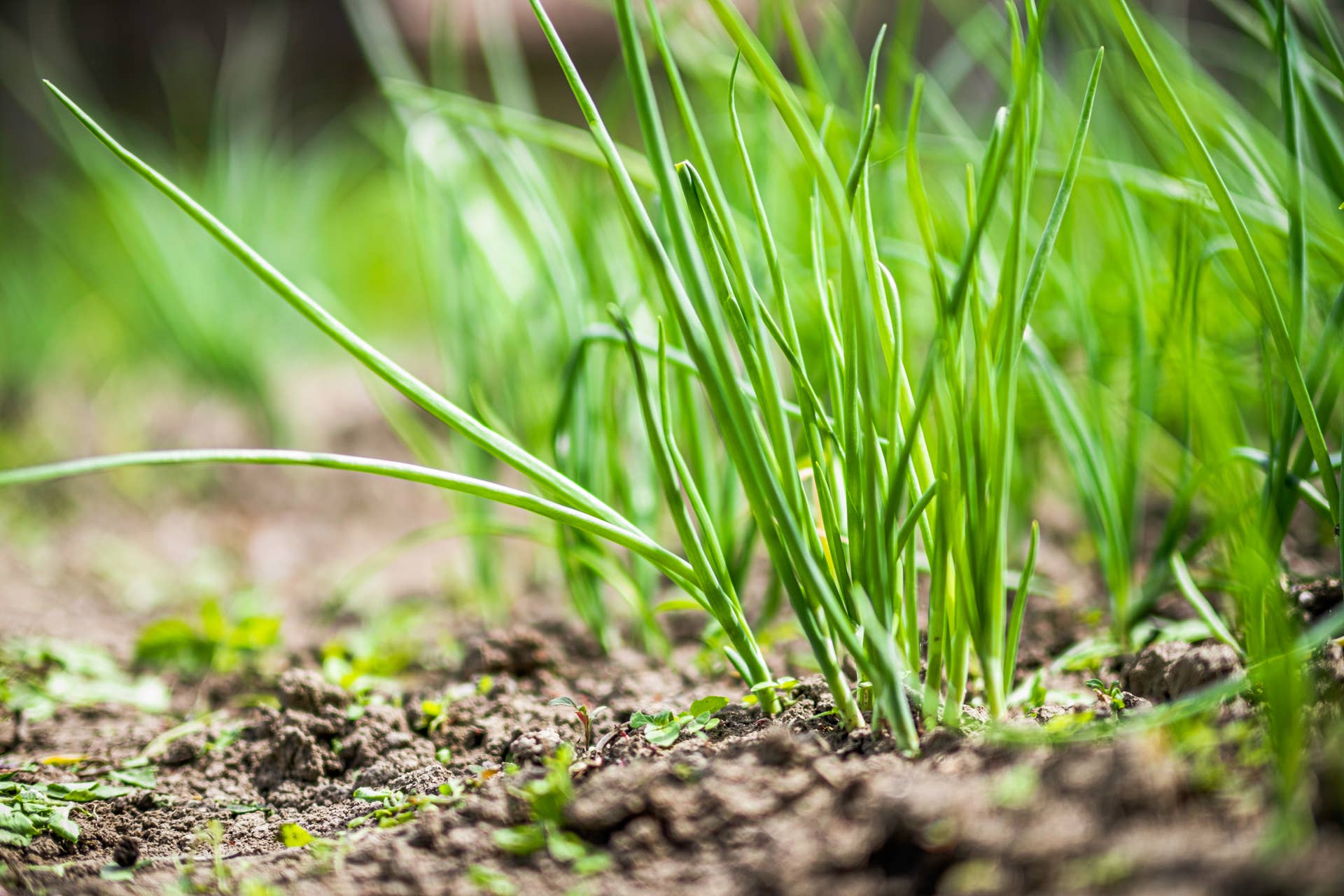
Onions are ready to harvest when the green tops start to yellow and fall over. This shows the bulbs have matured. The outer skin of the onion will look dry and papery. Gently pull the onion from the soil to check its size. Choose firm, well-shaped bulbs without soft spots or damage.
Storage And Culinary Uses
Store harvested onions in a cool, dry, and dark place. Avoid plastic bags to prevent moisture buildup. Use mesh bags or baskets for good air circulation. Proper storage helps onions last several weeks.
Use your homegrown onions in many dishes. They add sweetness and crunch to salads. Cook them in soups, stews, and stir-fries for rich flavor. Try roasting or caramelizing for a tasty side dish. Fresh onions from scraps make every meal better.
Credit: dengarden.com
Troubleshooting Common Issues
Troubleshooting common issues is key to successfully growing onions from kitchen scraps. Even small problems like rot or slow growth can stop your efforts before they really start. Understanding what causes these issues and how to fix them keeps your onion project thriving and rewarding.
Preventing Rot And Mold
Rot and mold usually show up when onions sit in too much moisture. If your onion scraps feel mushy or have a bad smell, it's a sign of rot setting in.
To prevent this, make sure you change the water every couple of days if you’re growing onions in a glass or container. Also, avoid soaking the bulb too deeply—just enough to cover the root area is ideal.
Good airflow helps too. Place your onions in a spot where air circulates freely, like near a kitchen window. Have you noticed how a damp, closed space encourages mold? That’s exactly what you want to avoid.
Dealing With Slow Growth
Slow growth can be frustrating, especially if you’re eager to see green shoots. This often happens because the onion scraps aren’t getting enough light or nutrients.
Try moving your onions to a sunnier spot—at least 6 hours of direct sunlight is best. If natural light is limited, a simple grow light can make a big difference.
You can also feed your growing onions with a diluted liquid fertilizer once a week. This gives them the nutrients they need to speed up growth. Have you checked if your water is fresh and clean? Stale water can slow things down too.

Credit: www.hungryhuy.com
Frequently Asked Questions
How Do I Grow Onions From Kitchen Scraps?
To grow onions from scraps, cut the onion root end with 1 inch of bulb. Place it in water or soil. Change water regularly. Roots and green shoots will grow within days. Transplant to soil once roots are strong.
Can I Regrow Onions Without Soil?
Yes, onions can regrow in water alone. Place the root end in a jar with water. Change water every few days. Once roots develop, green shoots will grow. For best growth, transplant to soil eventually.
How Long Does It Take To Grow Onions From Scraps?
Green shoots appear within 7-10 days after placing onion scraps in water or soil. Full onion bulbs take several months to mature. For kitchen scraps, growing green onions is faster and easier.
What Care Do Regrowing Onions Need?
Regrowing onions need indirect sunlight, regular water changes, and well-drained soil if transplanted. Avoid direct harsh sunlight. Keep soil moist but not soggy. Proper care ensures healthy green shoots and root development.
Conclusion
Growing onions from kitchen scraps saves money and reduces waste. It’s a simple way to enjoy fresh onions at home. Just place the scraps in water and watch roots and shoots appear. With a little care, these scraps turn into healthy plants.
Anyone can try this easy gardening trick. Start today and see how your kitchen scraps can grow. Small steps lead to big rewards in home gardening. Keep it simple and enjoy fresh onions anytime.