
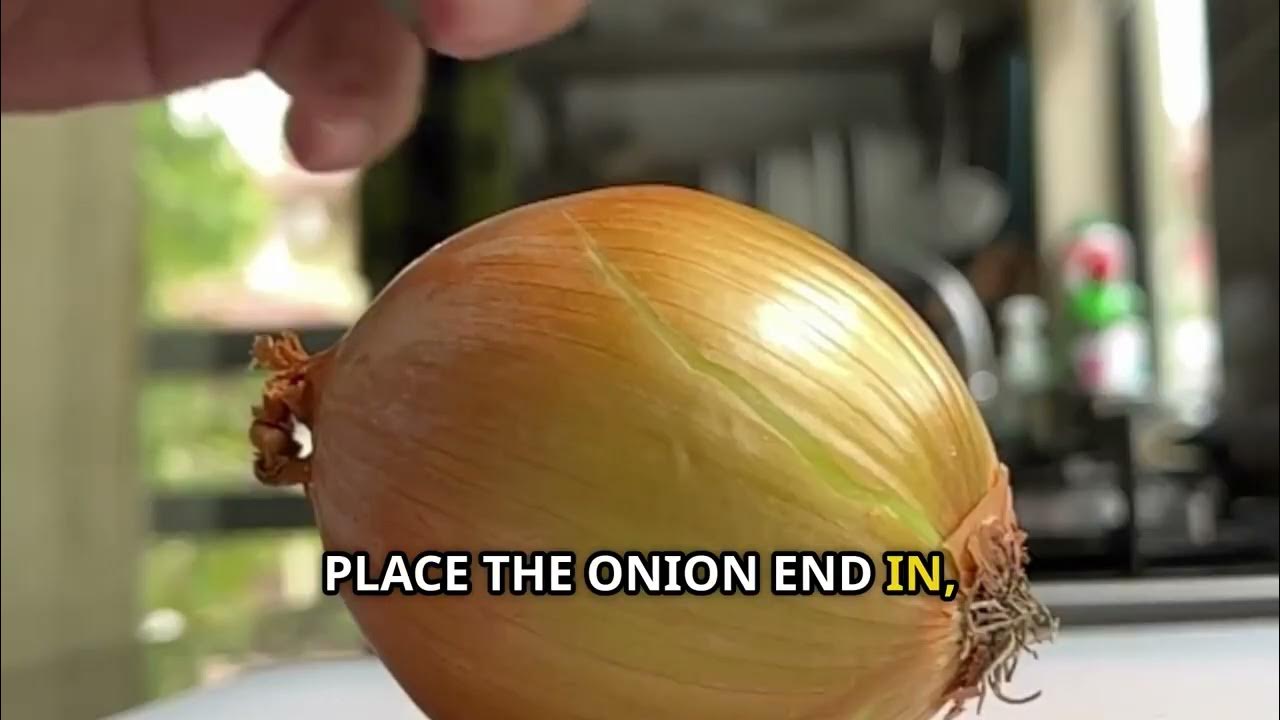
Have you ever tossed away onion scraps without knowing they could grow into fresh, tasty onions right at home? What if you could turn those kitchen leftovers into a thriving garden with just a little effort?
Growing onions from scraps is easier than you think, and it saves you money while adding fresh flavor to your meals. You’ll discover simple steps to bring new life to your onion scraps and enjoy homegrown onions all year round.
Ready to see how small scraps can lead to big rewards? Let’s get started!
Choosing Onion Scraps
Choosing the right onion scraps can make a big difference in how well your new onions grow. Not all parts of the onion will sprout roots or shoots, so it’s important to know what to save. Paying attention to the scraps you select helps you avoid waste and jump-start your kitchen garden effectively.
Best Onion Parts To Save
Focus on saving the onion base or root end because it holds the essential cells for regrowth. This part often looks like a small, flat disc at the bottom of the onion bulb. Avoid scraps that are just the green tops or dry skins, as these won’t grow new onions.
Sometimes, the root end may still have tiny roots attached. These are a great sign of life and can speed up the sprouting process. If you cut off the onion for cooking, leave about 1 to 2 inches of the base intact for planting.
Selecting Healthy Scraps
Choose scraps that are firm and free from mold or soft spots. Soft or slimy parts usually mean the onion is rotting and will not grow well. Healthy scraps should feel slightly moist but not wet or mushy.
Look closely for any signs of disease or damage. Even small bruises can slow down growth or cause the onion to rot underground. Ask yourself: would you eat this piece? If yes, it’s likely good for planting.
Preparing Onion Scraps For Growth
Preparing your onion scraps correctly sets the stage for successful regrowth. Taking a few careful steps ensures your scraps have the best chance to sprout strong roots and healthy green shoots. Let’s break down the process into simple actions you can follow easily at home.
Cleaning And Trimming
Start by rinsing the onion scraps under cool water to remove any dirt or debris. This helps prevent mold or rot during regrowth. Gently pat them dry with a clean cloth or paper towel.
Next, trim the scraps to about 1–2 inches above the root end. Keep the root base intact since that’s where new growth begins. Avoid cutting too much of the bulb—just enough to remove any dried or damaged layers.
Have you noticed how some scraps sprout faster than others? It often comes down to how clean and fresh the root base is. Taking your time here pays off.
Soaking Techniques
Once cleaned and trimmed, soak the onion scraps in a bowl of water. Use just enough water to cover the roots, leaving the bulb part above the surface. This encourages root growth without causing the bulb to rot.
Change the water every couple of days to keep it fresh and oxygenated. You can add a pinch of sugar or a few drops of liquid fertilizer to boost growth, but plain water often works well.
How long should you soak them? Usually, 24 to 48 hours is enough to jumpstart root development before planting. Watch for tiny white roots emerging—that’s your green light to move forward.
Planting Methods
Growing onions from kitchen scraps is easy and rewarding. You only need basic planting methods to get started. Whether you're a beginner or a seasoned gardener, these methods are simple. Let's explore two ways to plant onion scraps.
Water Propagation
Water propagation is an easy way to start. Cut the onion, leaving about an inch of the root end. Place it in a shallow bowl with water. Ensure the root side is submerged. Change the water every few days. Roots will start growing in a week.
Keep the bowl near a sunny window. Once roots grow about an inch, you can plant them in soil. This method is great for seeing progress.
Soil Planting Tips
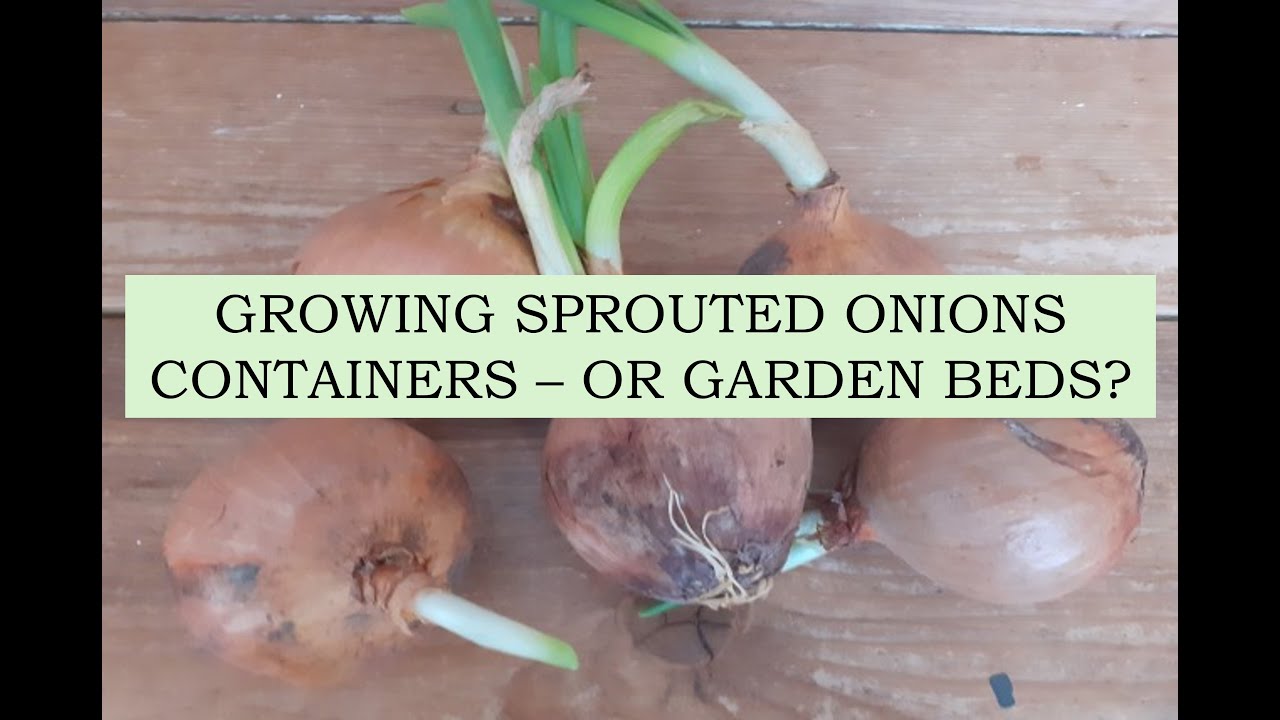
For soil planting, use a pot with drainage. Fill it with potting mix, leaving space at the top. Plant the onion root end down, covering it lightly with soil. Water the soil regularly, keeping it moist but not soggy.
Place the pot in a sunny spot. Onions need sunlight to grow well. Watch for green shoots after a few weeks. This method is straightforward and effective.

Credit: www.everydaycheapskate.com
Caring For Growing Onions
Caring for growing onions from kitchen scraps is simple and rewarding. Proper care helps onions grow strong and healthy. Focus on water, light, and nutrients. These three elements support growth and flavor. Follow easy tips to keep your onions thriving in any space.
Watering Schedule
Keep the soil consistently moist but not soggy. Water onions about twice a week. Check soil with your finger; if dry, it’s time to water. Avoid overwatering to prevent root rot. Use a gentle spray or small watering can for best results.
Light Requirements
Onions need plenty of sunlight to grow well. Place your onions where they get at least 6 hours of direct sunlight daily. A sunny windowsill or balcony works great. Without enough light, onions become weak and thin. Rotate the container for even light on all sides.
Fertilizing Naturally
Feed onions with natural fertilizers for healthy growth. Use compost or well-rotted kitchen scraps like vegetable peels. Sprinkle a small amount around the base of the plant every two weeks. Avoid chemical fertilizers as they can harm the soil and plants. Natural feeding boosts onion flavor and strength.
Harvesting And Using Homegrown Onions
Harvesting and using your homegrown onions is a rewarding step that lets you enjoy the fruits of your patience and care. Knowing the right time to pick them and how to store them properly can make all the difference in flavor and shelf life. Plus, there are so many delicious ways to use fresh onions that can elevate your everyday meals.
When To Harvest
You’ll notice your onions are ready to harvest when their green tops start to yellow and flop over. This usually happens about 90 to 120 days after planting, depending on the variety and growing conditions.
Carefully loosen the soil around the bulbs and gently pull them out by hand. Avoid pulling too early; onions harvested too soon can be small and less flavorful. If you see the necks of the onions softening, that’s a clear sign they’ve reached maturity.
Storing And Cooking Ideas
Once harvested, let your onions cure by spreading them out in a dry, ventilated area for 1 to 2 weeks. This helps the skins dry and protects the bulbs from rotting.
Store cured onions in a cool, dark place with good air circulation. Using mesh bags or hanging them in braided bunches works well to keep them fresh for several months.
In the kitchen, your fresh onions can be used in countless ways. Try slicing them raw in salads for a sharp kick or caramelize them slowly to add rich sweetness to sandwiches and soups.
Have you tried roasting whole onions alongside your favorite vegetables? It’s a simple trick that brings out their natural sugars and deepens their flavor.
Eco-friendly Benefits
Growing onions from kitchen scraps offers many eco-friendly benefits. It helps the environment by cutting down waste and promoting green habits. Small actions like regrowing onions can make a big difference in daily life. It supports a healthier planet and encourages sustainable choices.
Reducing Kitchen Waste
Using onion scraps stops them from ending up in the trash. This lowers the amount of food waste produced at home. Onion roots and bulbs can grow again, giving new life to scraps. It saves money by turning leftovers into fresh vegetables. Waste reduction helps reduce methane gas from landfills. Simple kitchen scraps become a resource, not garbage.
Sustainable Gardening Practices
Regrowing onions saves seeds and plants for future use. It reduces the need to buy new seeds or seedlings. This practice uses fewer resources like water and soil. Growing at home lowers the carbon footprint linked to store-bought produce. It encourages organic and natural growing methods. Growing onions from scraps supports a cycle of reuse and care for the earth.
Troubleshooting Common Issues
Growing onions from kitchen scraps is rewarding, but it’s not without challenges. You might face issues like pests or rot, which can stunt growth or ruin your efforts. Understanding how to handle these problems will keep your onion scraps thriving and healthy.
Pest Control
Small insects like aphids and spider mites often target onion greens. You can spot them by checking the undersides of leaves regularly. A simple spray of water can wash them away, but stubborn pests may need a gentle soap solution.
Try mixing a teaspoon of mild dish soap in a quart of water and spray the affected leaves. Avoid harsh chemicals that could harm your plants or the environment. Have you noticed tiny holes or sticky residue? These are signs pests are nearby and need quick attention.
Preventing Rot And Mold
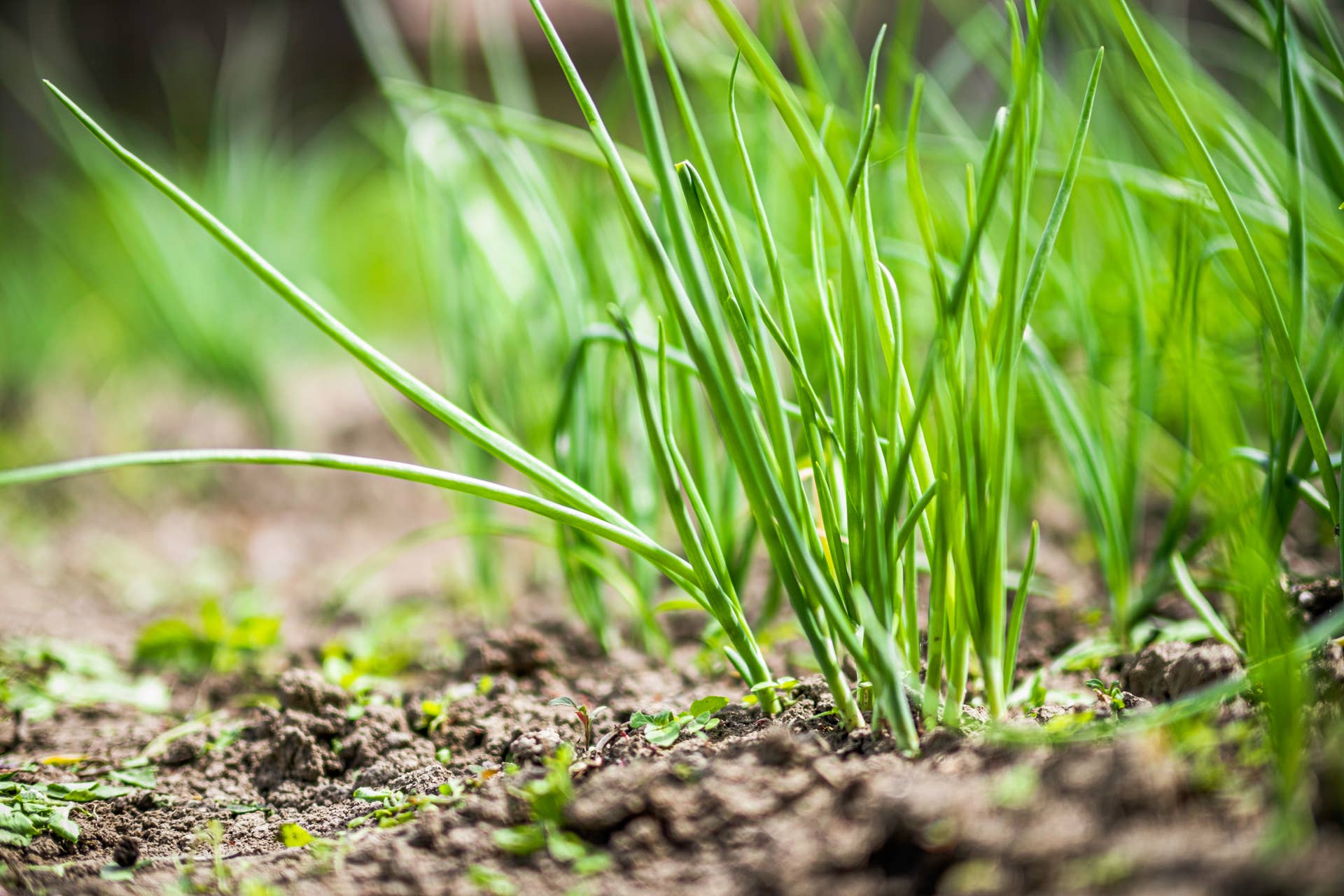
Rot and mold thrive in overly wet or poorly drained conditions. Ensure your container has drainage holes to let excess water escape. Water your onions only when the soil feels dry to the touch to avoid soggy roots.
Good air circulation also helps prevent mold growth. Placing your container in a spot with some breeze or gently fanning the plants can reduce moisture buildup. If you see white or gray fuzzy patches, remove the affected parts immediately to stop spread.
Credit: dengarden.com
Credit: www.youtube.com
Frequently Asked Questions
How Do I Grow Onions From Kitchen Scraps?
To grow onions from scraps, cut the root end with 1 inch attached. Place it in water until roots form. Then, plant in soil. Keep soil moist and provide sunlight. This method regrows green onion tops quickly and easily.
Can I Regrow Any Onion Variety From Scraps?
Yes, you can regrow most onion varieties from root scraps. Green onions and bulb onions both regrow well. However, green onions regrow faster and need less space. Ensure the root end is healthy for successful regrowth.
How Long Does It Take For Onions To Regrow?
Onions typically start regrowing roots within 5-7 days in water. Green shoots appear in 1-2 weeks. Full regrowth for harvesting takes about 4-6 weeks. Growth speed depends on light, temperature, and water quality.
What’s The Best Soil For Planting Onion Scraps?
Use well-draining, fertile soil rich in organic matter for planting onion scraps. A light loamy soil with good aeration supports healthy root growth. Avoid heavy clay soils that retain water and cause rot.
Conclusion
Growing onions from kitchen scraps saves money and reduces waste. It’s a simple way to enjoy fresh onions at home. Just place the scraps in water and watch green shoots grow. Plant them in soil once roots appear. Regular care helps onions grow strong and healthy.
This method suits small spaces and beginner gardeners. Try it today to add fresh flavors to your meals. Gardening can be easy and rewarding with simple steps like these. Give your kitchen scraps a new life and enjoy fresh onions.