
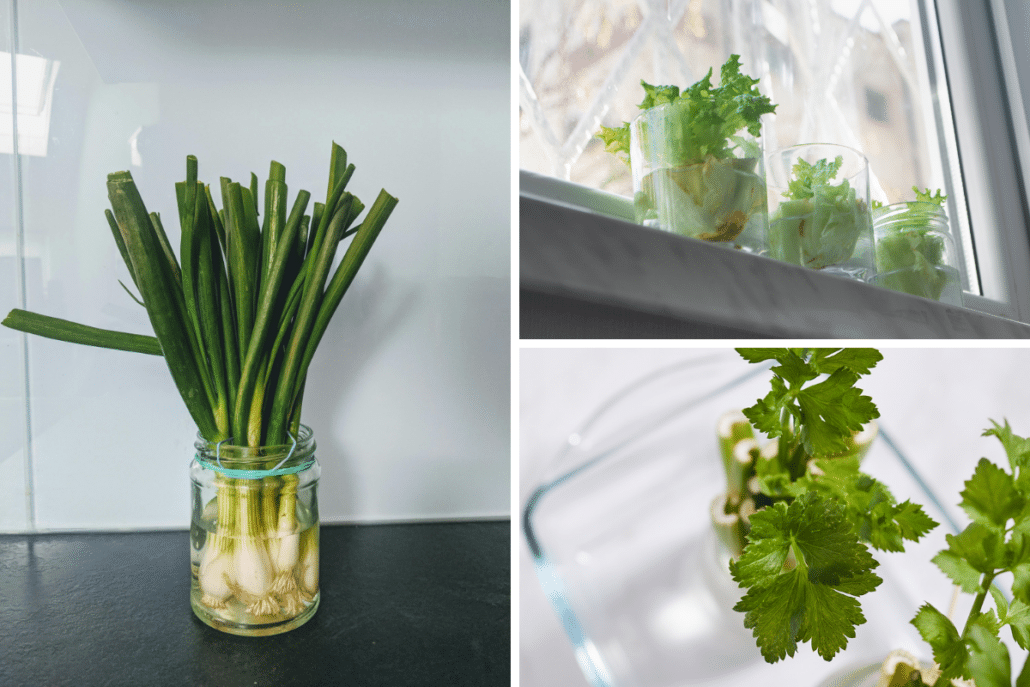
Have you ever thrown away vegetable scraps without knowing they could grow into fresh, tasty produce? What if you could turn your kitchen waste into a thriving garden right on your windowsill?
Growing vegetables from kitchen scraps is easier than you think—and it saves you money, reduces waste, and brings a sense of joy every time you see new sprouts. You’ll discover simple, step-by-step methods to transform everyday scraps into a garden full of life.
Ready to see your kitchen scraps come alive? Let’s dive in!
Benefits Of Growing From Scraps
Growing vegetables from kitchen scraps offers many benefits. It turns waste into a valuable resource. This simple practice saves money, helps the environment, and provides fresh produce at home. Anyone can start with just a few scraps from their kitchen.
Save Money And Reduce Waste
Using scraps to grow vegetables cuts down grocery bills. You reuse parts of vegetables that usually get thrown away. This reduces food waste and makes your kitchen more efficient. Small scraps can grow into new plants, so you get more from what you already have.
Eco-friendly Gardening
Growing from scraps lowers your carbon footprint. It reduces the need for store-bought plants and packaging. This method uses less water and fewer resources. It also keeps organic waste out of landfills. Helping the planet starts with small actions like this.
Fresh Produce At Home
Homegrown vegetables are fresher and tastier. You control what goes into your garden. No pesticides or chemicals are needed. This means healthier food for you and your family. Plus, harvesting from your own garden feels rewarding and fun.
Best Vegetables To Regrow
Growing vegetables from kitchen scraps is a smart way to save money and reduce waste. Some vegetables regrow faster and easier than others. Choosing the right ones can bring success and satisfaction to your home garden.
Here are the best vegetables to regrow from scraps. These options are simple, quick, and require minimal space and effort.
Leafy Greens
Leafy greens regrow well from scraps. They grow fast and need little care.
- Lettuce: Place the base in water, and new leaves appear in days.
- Spinach: Cut the leaves and keep the root in water to regrow.
- Kale: Can regrow from the stem in soil or water.
- Swiss Chard: Regrows quickly from the stalk base.
Root Vegetables
Root vegetables can sprout new greens above ground. Some also regrow edible roots.
- Carrot Tops: Regrow green leaves from the cut top in water.
- Green Onions: Place white roots in water and watch new green shoots grow.
- Beet Greens: Regrow new leaves from the root base in soil.
- Garlic: Plant individual cloves to grow new bulbs.
Herbs And Aromatics
Many herbs regrow well from small cuttings or scraps. They add fresh flavor to meals.
- Basil: Place stem cuttings in water until roots form, then plant in soil.
- Mint: Regrows quickly from stem cuttings in water or soil.
- Cilantro: Regrows from the root end placed in water.
- Green Garlic: Similar to green onions, regrows from the root.
Preparing Kitchen Scraps
Save kitchen scraps like carrot tops, onion ends, and celery bases for planting. Rinse them gently and place in water or soil to encourage root growth. This simple step helps turn scraps into new vegetables.
Preparing kitchen scraps for regrowth is a simple yet rewarding activity that transforms waste into fresh produce. Starting with the right preparation ensures better success rates and healthier plants. Whether it's regrowing celery from its base or sprouting new greens from an onion bulb, the initial prep work lays the foundation for thriving plants.
Selecting Healthy Scraps
Choose scraps that are fresh and free from rot. Look for vibrant colors and firm textures. A limp carrot top or a mushy potato may not sprout as successfully. Remember, the healthier the scrap, the better the growth. Think of it as giving your new plant the best start possible.
Cleaning And Trimming
Rinse your scraps under cool water to remove any dirt or bacteria. Trim away any damaged or decayed parts. For instance, cut about an inch from the base of celery or lettuce, ensuring a clean edge. This step is vital as it prevents mold and encourages healthier regrowth.
Best Time To Start
Spring and summer are optimal for starting your kitchen scrap garden. The increased sunlight and warmth promote faster growth. However, if you're eager, you can start indoors any time of year. Just ensure there's enough light, perhaps near a sunny window. Starting your vegetable garden from kitchen scraps is more than a fun project; it’s a sustainable way to reduce waste and enjoy fresh produce. So, what's stopping you from turning your kitchen leftovers into a thriving garden?
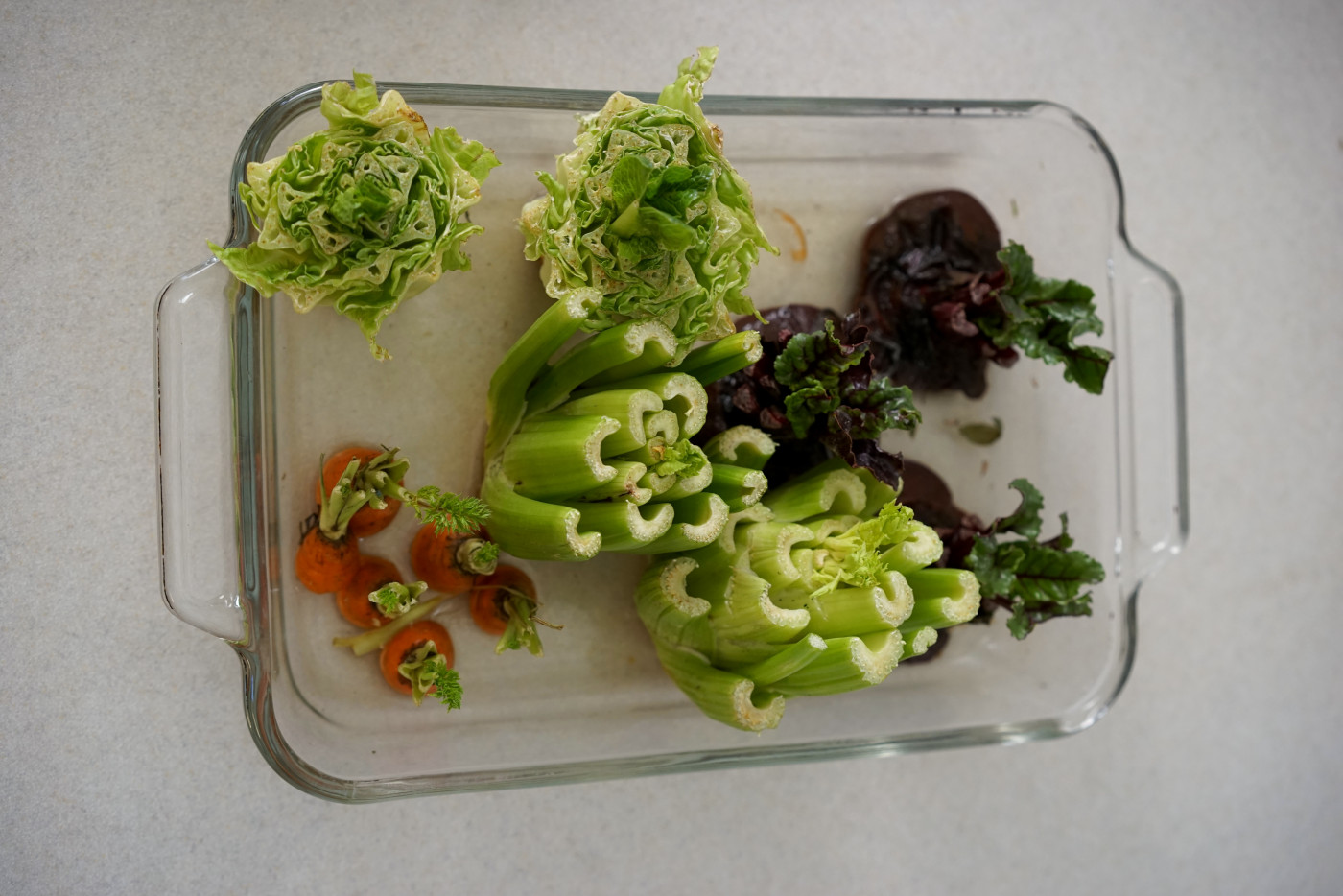
Credit: www.gardenary.com
Regrowing In Water
Regrowing vegetables in water is a simple and rewarding way to turn your kitchen scraps into fresh greens without soil. It's perfect for small spaces and requires minimal effort. You can watch roots and shoots develop right on your windowsill, making it a fun project for anyone.
Setting Up Your Container
Choose a clear glass or jar so you can easily see root growth. Fill it with fresh, room-temperature water—enough to cover the base of the vegetable scraps but not submerge the entire piece. Make sure your scraps have some roots or a stem base; things like green onion bulbs, lettuce bottoms, and celery bases work well.
Place the container in a bright spot but avoid direct sunlight that can heat the water too much. Changing the water every few days keeps it fresh and prevents bad smells. Have you noticed how clear water encourages healthier root growth compared to stagnant water?
Water Maintenance Tips
- Change the water every 2-3 days to keep oxygen levels high.
- Use filtered or tap water left out overnight to reduce chlorine.
- Clean the container before refilling to avoid algae buildup.
- Trim any slimy or rotting parts from the scraps promptly.
Keeping the water fresh helps prevent root rot and supports faster growth. You might be surprised how a small routine like this can transform your scraps into thriving plants.
Signs Of Growth
Look for tiny white roots emerging from the base within a week. Green shoots will start to sprout, signaling healthy development. Some vegetables, like green onions, regrow leaves quickly, while others take longer—patience pays off.
If you see mushy stems or brown roots, it's a sign to replace the scraps or water. Watching these signs helps you decide when to transfer your plants into soil or continue growing them in water. What new vegetable will you try regrowing first?
Planting In Soil
Planting your kitchen scraps in soil is a rewarding way to bring new life to your vegetable scraps. It connects you to the growth process and helps you see how simple scraps can turn into fresh produce. Understanding the soil basics and how to care for your plants can make a big difference in your success.
Choosing The Right Soil
Not all soil is the same, and the right soil can give your vegetable scraps the best start. Look for soil that drains well but still holds moisture—this balance keeps roots healthy.
A mix labeled as “potting soil” often works well because it’s light and rich in nutrients. Avoid garden soil from outside unless you know it’s free of pests and disease.
Adding some compost or organic matter boosts the nutrients in your soil. Have you tried mixing kitchen compost with soil? It’s a simple way to feed your plants naturally.
Pot Vs. Garden Bed
Deciding where to plant your scraps depends on space and your goals. Pots offer flexibility—you can move your plants to catch more sun or shelter them from harsh weather.
Garden beds allow plants more room to grow and often result in bigger yields. If you have a garden bed, make sure it’s prepared with loose, nutrient-rich soil.
Choose containers with drainage holes to avoid water buildup. Curious about how your plants respond to different spaces? Try both and compare the growth.
Watering And Sunlight
Water your plants regularly, but don’t drown them. The soil should be moist, not soggy, to keep roots healthy without causing rot.
Sunlight is key—most vegetable scraps need at least 4 to 6 hours of sunlight daily. Watch your plants closely; wilting or yellow leaves might mean they need more light or less water.
Try placing your pots in different spots and note where they thrive best. How does your local climate affect your watering schedule? Adjust as needed to keep your plants happy.
Common Challenges
Growing vegetables from kitchen scraps is rewarding but comes with its set of challenges. Understanding these common hurdles helps you prepare better and keeps your plants healthy. Let’s look at the issues you might face and how to handle them effectively.
Pests And Diseases
Pests can quickly damage your new plants, especially tender sprouts from scraps. Watch out for aphids, slugs, and tiny caterpillars that love fresh leaves. You can spot them early by checking the undersides of leaves and the soil surface.
Diseases like fungal infections also threaten young plants. These often appear as spots on leaves or a white powdery coating. Keeping your scraps in well-drained soil and ensuring good air circulation reduces these risks.
Slow Growth Issues
Sometimes, your vegetable scraps might sprout but grow very slowly or stop altogether. This can happen if the scraps don’t get enough sunlight or nutrients. Have you tried supplementing with a balanced fertilizer or moving your plants to a sunnier spot?
Overwatering can also stunt growth by suffocating roots, while underwatering dries them out. Finding the right watering balance is key. A simple test: if the top inch of soil feels dry, it’s time to water again.
Preventing Mold And Rot
Mold and rot are common when scraps sit too long in moist conditions. You might notice a fuzzy white or gray layer on the soil or plant base. This usually means the environment is too wet or lacks airflow.
To prevent this, avoid overwatering and use containers with drainage holes. Stirring the soil occasionally can help air reach the roots. Have you considered using natural antifungal sprays like diluted cinnamon or neem oil?
Harvesting And Reusing
Harvesting and reusing kitchen scraps is a smart way to keep your vegetable garden growing. It saves money and reduces waste. Learning when to harvest and how to reuse leaves and roots helps you get the best results. This process also helps start the growing cycle again, creating a continuous supply of fresh veggies.
When To Harvest
Watch for new leaves or shoots to grow strong and healthy. Harvest scraps before they get too big or wilted. Young leaves taste better and regrow faster. Roots should look firm and fresh. Avoid harvesting when the plant looks weak or yellow.
Using Leaves And Roots
Leaves can regrow if you leave a small part attached. Place leaves in water or soil to encourage new growth. Roots from onions, garlic, or carrots often sprout new plants. Use clean containers and fresh water to keep scraps healthy. Change water every few days to stop rot.
Starting The Cycle Again
After harvesting, plant scraps in soil or water. Give them enough sunlight and water daily. Keep an eye on growth and remove dead parts. This reuse cycle saves seeds and grows more vegetables. Repeat the process to enjoy fresh produce all year.
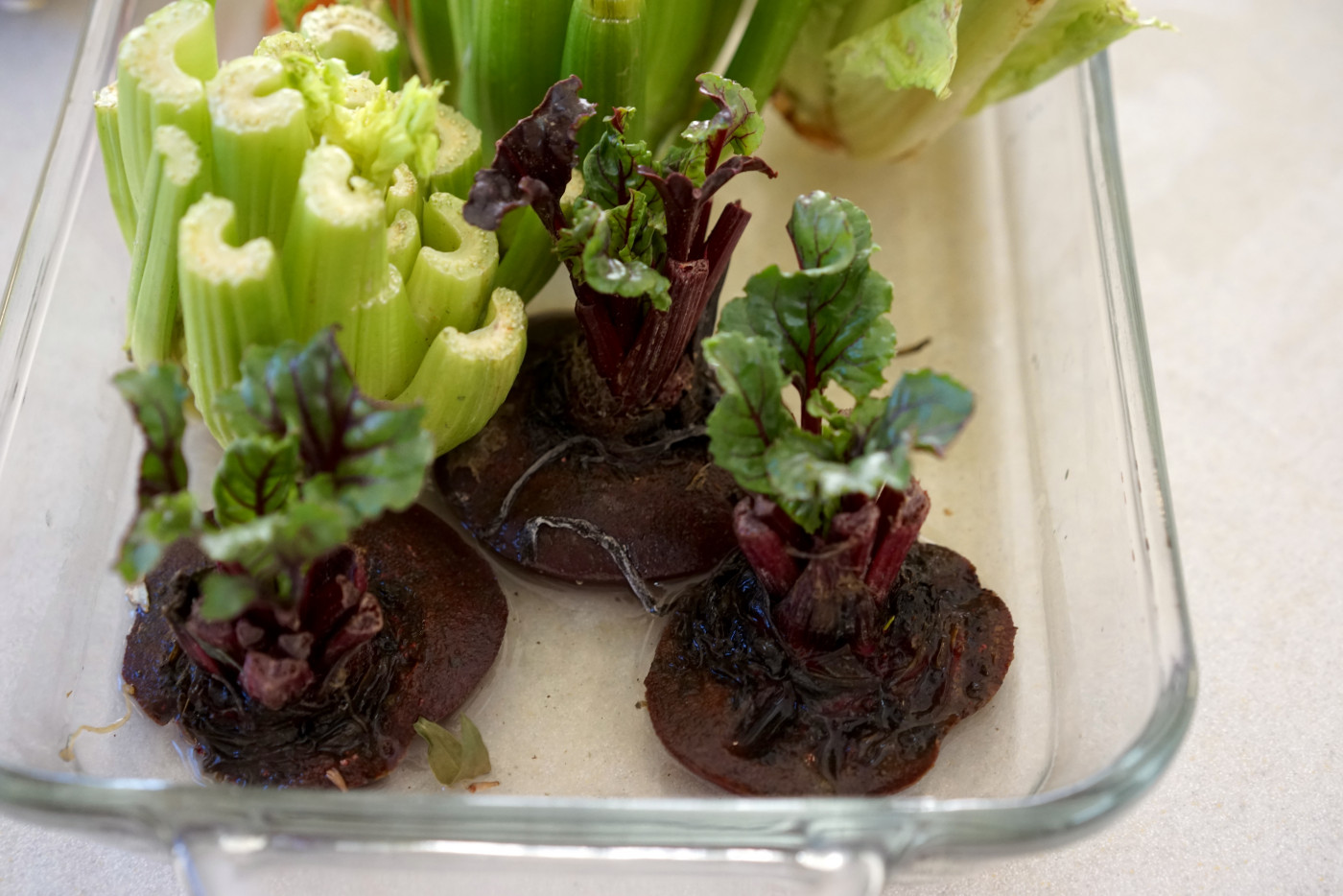
Credit: www.gardenary.com
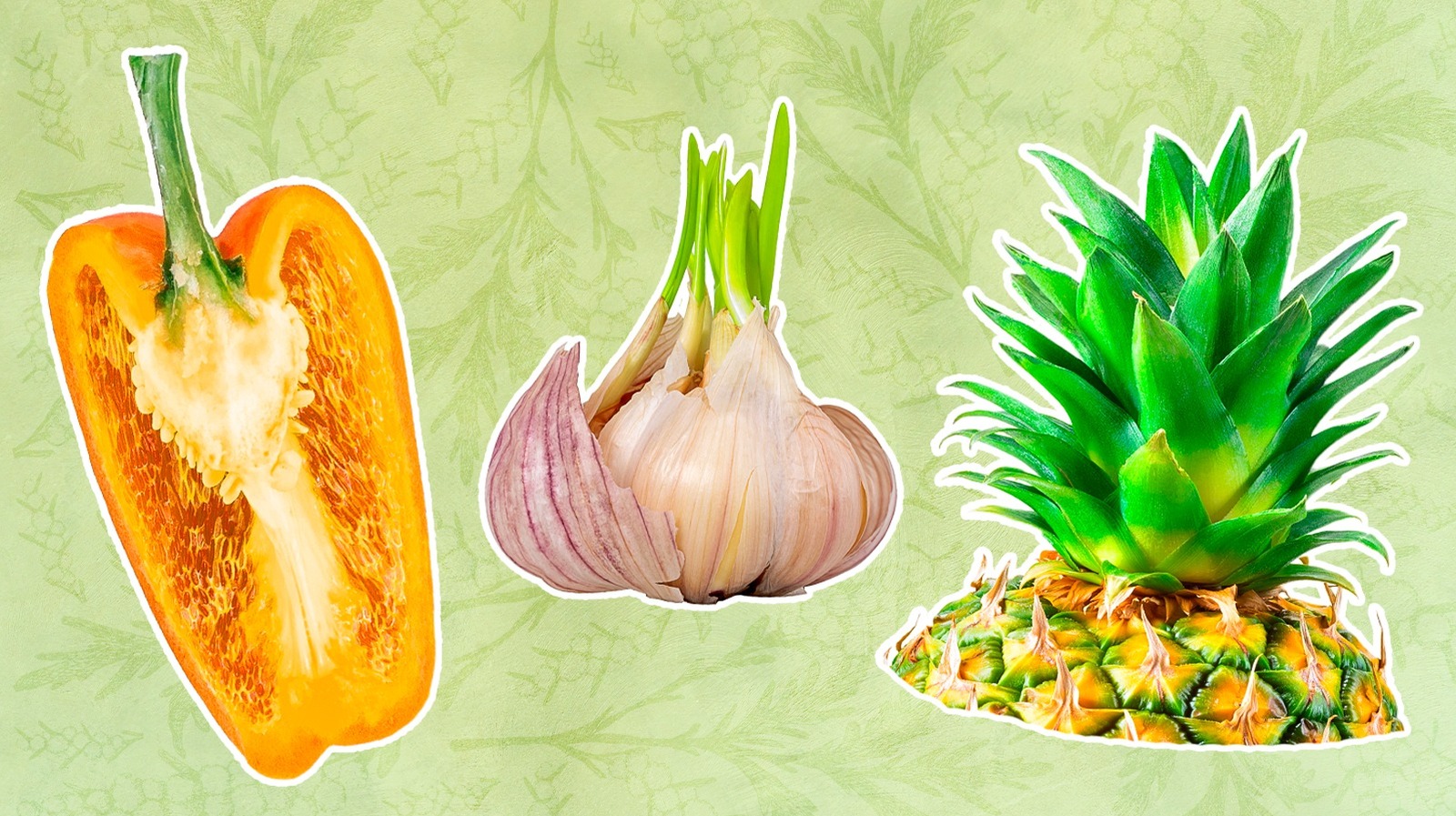
Credit: www.tastingtable.com
Frequently Asked Questions
How Can I Grow Vegetables From Kitchen Scraps?
You can regrow vegetables by planting scraps like carrot tops, celery bases, or potato eyes. Use water or soil to root them. Keep them in sunlight and change water regularly to encourage growth.
Which Vegetables Regrow Best From Scraps?
Green onions, lettuce, celery, carrots, and potatoes regrow easily. These vegetables have strong roots or growing points that sprout new plants from scraps. They are perfect for beginner gardeners.
How Long Does Regrowing Vegetables From Scraps Take?
Regrowth can take 1 to 3 weeks depending on the vegetable. Leafy greens like lettuce grow faster, while root vegetables take longer. Consistent care and sunlight speed up the process.
Can I Reuse Vegetable Scraps Multiple Times?
Most scraps can be regrown only once or twice. After regrowth, nutrients in scraps reduce, limiting new growth. It's best to start fresh scraps for healthier plants each cycle.
Conclusion
Growing vegetables from kitchen scraps saves money and reduces waste. You get fresh, healthy food right at home. It takes little space and effort to start. Just choose scraps, plant them, and care for them daily. Watch your kitchen scraps turn into green plants.
A simple way to enjoy gardening and eating fresh. Try this easy method to grow your own veggies today.