
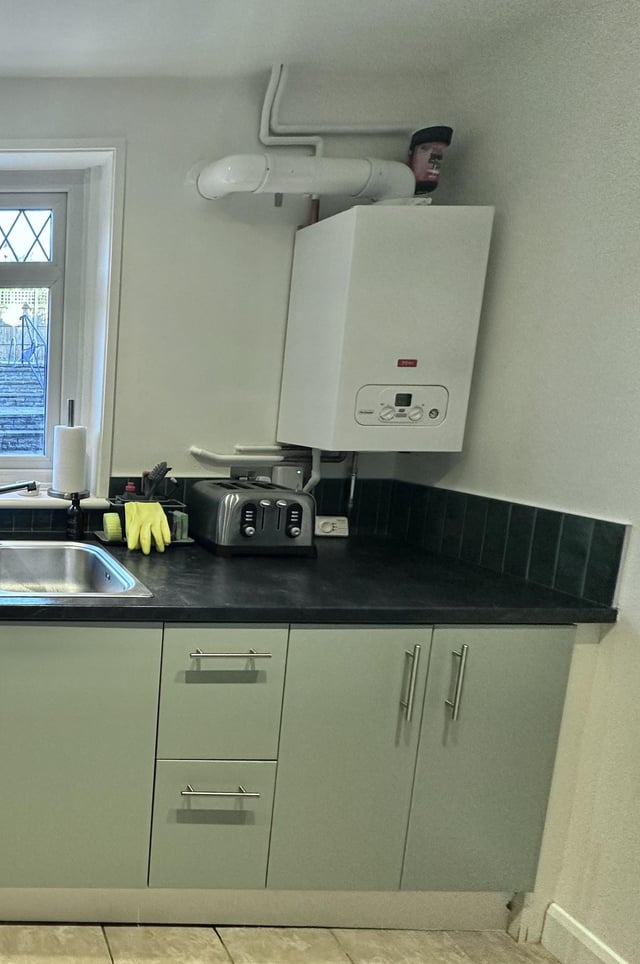
Is your kitchen feeling cramped or cluttered because of that bulky boiler? You’re not alone.
Many people struggle with finding a way to keep their kitchen looking neat and stylish while still having a fully functional boiler. The good news is, you don’t have to live with an eyesore. Imagine transforming your kitchen space so your boiler blends in seamlessly, freeing up your room and boosting your home’s appeal.
You’ll discover simple, effective ways to hide your boiler without breaking the bank or sacrificing convenience. Ready to make your kitchen look cleaner and more inviting? Keep reading to find out how.
Credit: premier-gas.uk
Boiler Placement Options
Choosing the right spot for your boiler in the kitchen affects space and style. Proper placement hides the boiler while keeping it easy to reach. Several options suit different kitchen layouts and needs.
Wall-mounted Solutions
Wall-mounted boilers save floor space and keep the kitchen open. These boilers fix directly to the wall, usually above counters. This placement keeps the unit visible but out of the way.
They fit well in small kitchens or narrow areas. The height can adjust to stay clear of work surfaces and appliances. Ensure there is enough clearance for servicing and ventilation.
Under-counter Spaces
Under-counter spaces offer discreet boiler hiding spots. Placing the boiler beneath kitchen counters keeps it out of sight. This option keeps the kitchen looking tidy and uncluttered.
Choose a spot with enough room for pipes and maintenance. A removable panel or door allows easy access. Avoid placing boilers near heat-sensitive items or inside drawers.
Cupboard Installation
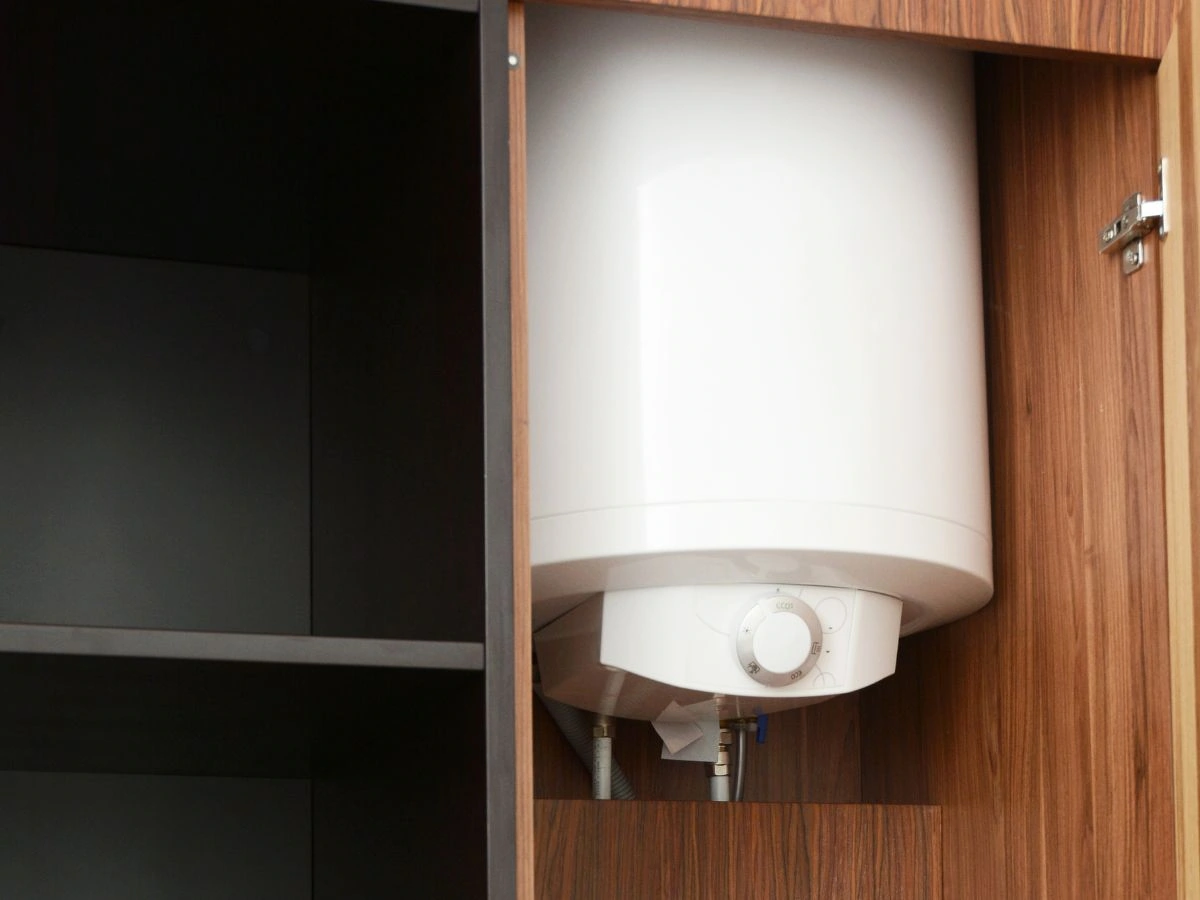
Installing the boiler inside a cupboard blends it with kitchen storage. A dedicated cupboard hides the boiler behind a door. This method keeps the boiler protected and out of view.
Use cupboards with ventilation to prevent overheating. Shelving can be adjusted to fit the boiler size. Make sure the cupboard is near water and gas lines for easy connection.

Credit: leechcroftcarpentry.co.uk
Camouflaging Techniques
Hiding a boiler in your kitchen doesn’t mean it has to stick out like a sore thumb. Camouflaging techniques can help you blend your boiler seamlessly into your kitchen design, making it both functional and visually appealing. With a bit of creativity, you can turn an eyesore into a stylish feature or even make it disappear entirely.
Custom Cabinet Doors
Custom cabinet doors offer a tailored solution to conceal your boiler. You can design doors that match the rest of your kitchen cabinets perfectly, creating a uniform look that hides the boiler completely.
Think about adding doors with hinges that open smoothly or even sliding panels if space is tight. You get full access to your boiler without sacrificing style or convenience.
Decorative Panels
Decorative panels are a great way to disguise your boiler without building a full cabinet around it. Panels can be made from wood, metal, or even glass with patterns that suit your kitchen’s vibe.
Choosing a panel with a bold design can turn your boiler area into a focal point rather than something to hide. Have you considered using perforated metal panels? They allow airflow while still covering the unit.
Artwork And Screens
Artwork and folding screens offer flexible and creative options to hide your boiler. You can place a large canvas or framed picture in front of the boiler, turning it into part of your kitchen décor.
Folding screens are especially useful if you want something movable. They let you hide the boiler when it’s not in use and easily move it aside for maintenance. Could adding art or screens be the easiest upgrade your kitchen needs?
Space-saving Designs
Space-saving designs make hiding a boiler in the kitchen easier. They help keep the room neat and open. Clever ideas fit boilers into small or awkward spaces. These designs blend the boiler into the kitchen without taking much room.
Using smart storage and compact models frees up valuable kitchen space. The right choice can improve kitchen flow and style. Consider these space-saving options to hide your boiler effectively.
Vertical Storage Integration
Vertical storage uses wall space to hide the boiler. Tall cabinets or shelving units can surround the boiler. This keeps the boiler out of the way but easy to access. It also creates extra storage above or below the boiler.
Use narrow cupboards that reach from floor to ceiling. This adds storage for kitchen items and hides the boiler neatly. Vertical designs keep floors clear and make the kitchen feel bigger.
Multi-functional Units
Multi-functional units combine boiler hiding with other uses. A kitchen cupboard can also serve as a pantry or utility cupboard. These units disguise the boiler behind doors or panels.
Some designs include pull-out shelves or drawers around the boiler space. This maximizes every inch and keeps kitchen tools handy. It’s a smart way to blend boiler hiding with practical storage.
Slimline Boiler Models
Slimline boilers are smaller and fit in tight spaces. They take up less room than traditional boilers. These models are ideal for kitchens with limited space.
The slim design allows easy installation in cupboards or alcoves. Choose a slimline boiler to save space and keep your kitchen tidy. It lets you hide the boiler without sacrificing kitchen area.
Materials And Finishes
Choosing the right materials and finishes is crucial for hiding a boiler in your kitchen. The materials should not only match your kitchen's aesthetic but also ensure safety and durability. Below are some key considerations to help you make the best choice.
Matching Kitchen Decor
Your kitchen's decor plays a big role in material selection. Consider using materials that complement your existing cabinetry. Wooden panels or laminate can blend seamlessly with most kitchen designs. They offer a uniform look and feel. Glass panels can provide a modern touch. They also allow easy access and visibility.
Durable And Heat-resistant Options
Boilers generate heat, so selecting heat-resistant materials is essential. Metal and ceramic are excellent choices. They withstand high temperatures and maintain their integrity over time. These materials also require minimal maintenance. They are easy to clean and last longer.
Color Coordination Tips
Colors set the mood in your kitchen. Use colors that harmonize with your kitchen palette. Neutral tones like white, grey, or beige work well. They create a balanced and calming atmosphere. For a bold look, consider darker shades or vibrant colors. These can add a unique flair to your space.
Safety And Accessibility
Hiding a boiler in the kitchen needs careful thought about safety and ease of use. Safety must never be ignored. The boiler should be easy to reach for repairs or checks. Proper ventilation is a must to prevent problems and keep the kitchen safe. Meeting local laws and rules is important. This section covers key points to keep your hidden boiler safe and accessible.
Ventilation Requirements
Boilers need fresh air to work well and safely. Poor ventilation can cause dangerous gas buildup. The cupboard or box hiding the boiler must have vents or grills. These allow air to flow freely around the boiler. Make sure vents are not blocked by kitchen items or doors. The size and position of vents depend on the boiler type. Check manufacturer advice for exact needs. Good ventilation also helps the boiler last longer and work better.
Easy Maintenance Access
The boiler must be easy to reach for regular checks and repairs. Avoid tight spaces or heavy doors that block access. Use hinged or removable panels for quick opening. Keep the area around the boiler clear of kitchen clutter. Easy access saves time and money during servicing. It also reduces risks from rushed or difficult repairs. Think about the height and position to avoid awkward bending or stretching.
Compliance With Regulations
Local building codes and safety rules must be followed. These rules protect your home and family. Regulations often cover ventilation, installation, and access. Use a qualified professional to install or hide your boiler. They know the legal requirements and best practices. Keep all paperwork and certificates for future checks or resale. Ignoring rules can cause fines or insurance problems later.
Diy Vs Professional Installation
Deciding between a DIY approach and professional installation to hide your kitchen boiler can shape the outcome significantly. Both options come with their own set of advantages and challenges. Understanding these differences helps you make a choice that fits your skills, budget, and style preferences.
Benefits Of Hiring Experts
Experts bring experience that ensures your boiler is hidden safely and neatly. They know which materials work best and how to maintain proper ventilation. This reduces risks like overheating or damaging your kitchen walls.
Professionals also save you time and effort. Instead of struggling with design or installation, you can focus on other tasks. Plus, they often offer guarantees that protect your investment.
Simple Diy Ideas
If you prefer a hands-on approach, small projects like building a cabinet or using a decorative screen can work well. You can customize colors and finishes to match your kitchen style.
Another quick idea is to use open shelving around the boiler. This disguises the unit while adding storage space. Just remember to leave enough room for maintenance access.
Cost Considerations
DIY projects usually cost less upfront, mainly for materials. However, mistakes can add unexpected expenses later. Ask yourself if you have the time and tools to do the job right.
Professional installation might seem pricey, but it often includes materials, labor, and a safety check. Think about the long-term value and potential savings from avoiding repairs or hazards.

Credit: www.ebay.co.uk
Frequently Asked Questions
How Can I Hide A Boiler In My Kitchen Effectively?
You can hide a boiler by installing custom cabinetry or a built-in cupboard. Use ventilated doors to ensure airflow and safety. Choose designs that blend with your kitchen style for a seamless look.
What Materials Are Best For Concealing A Kitchen Boiler?
Wood or MDF with a painted finish works well for boiler covers. These materials allow easy customization and ventilation. Avoid airtight materials to prevent overheating and maintain boiler efficiency.
Is It Safe To Enclose A Boiler In The Kitchen?
Yes, if proper ventilation and access are maintained. Ensure the enclosure meets local safety regulations and allows for regular maintenance. Consult a professional before installation for safety assurance.
Can I Use Decorative Screens To Hide A Kitchen Boiler?
Decorative screens can hide boilers while allowing airflow. Choose heat-resistant materials and designs that complement your kitchen decor. Ensure screens do not obstruct boiler controls or ventilation.
Conclusion
Hiding a boiler in your kitchen can improve your room’s look. Simple ideas like cabinets or screens work well. Choose a method that fits your style and space. Make sure the boiler stays easy to reach and use. Small changes can make a big difference in your kitchen’s feel.
Try these tips to create a neat, tidy space everyone will enjoy. Keep your kitchen both practical and pleasant with smart boiler hiding ideas.