
Are you ready to make your kitchen more efficient and save yourself from messy cleanup? Hooking up your kitchen sink drain with your dishwasher might sound tricky, but it’s easier than you think.
When done right, it ensures your dishwasher drains properly and keeps your sink running smoothly. In this guide, you’ll discover simple, step-by-step instructions that anyone can follow—even if you’re not a plumbing expert. Keep reading, and by the end, you’ll have the confidence to connect your dishwasher drain like a pro.
Tools And Materials Needed
Preparing to hook up your kitchen sink drain with a dishwasher requires the right tools and materials. Having everything ready helps you work faster and avoid mistakes. This section lists the essential items needed for a smooth connection.
Basic Plumbing Tools
- Adjustable wrench for tightening connections
- Pipe wrench to grip and turn pipes
- Slip-joint pliers for holding small parts
- Flathead and Phillips screwdrivers for screws
- Hacksaw or tubing cutter to cut pipes
Materials For Drain Connection
- Dishwasher drain hose to carry wastewater
- Drain tailpiece with a dishwasher inlet
- Rubber hose clamp to secure hoses
- Pipe fittings like elbows and connectors
- Plumber’s putty or silicone sealant for leaks
- Trash disposal adapter if connecting to a garbage disposal
Safety And Preparation Items
- Bucket to catch water spills
- Rags or towels for cleaning
- Work gloves to protect your hands
- Flashlight or work light for visibility

Credit: www.reddit.com
Locate The Sink Drain Connection
Locating the sink drain connection is your first and most important task when hooking up your kitchen sink drain with the dishwasher. Without identifying the right spot, the whole setup can become messy or even cause leaks. Knowing exactly where to connect the dishwasher drain hose saves you time and prevents future plumbing headaches.
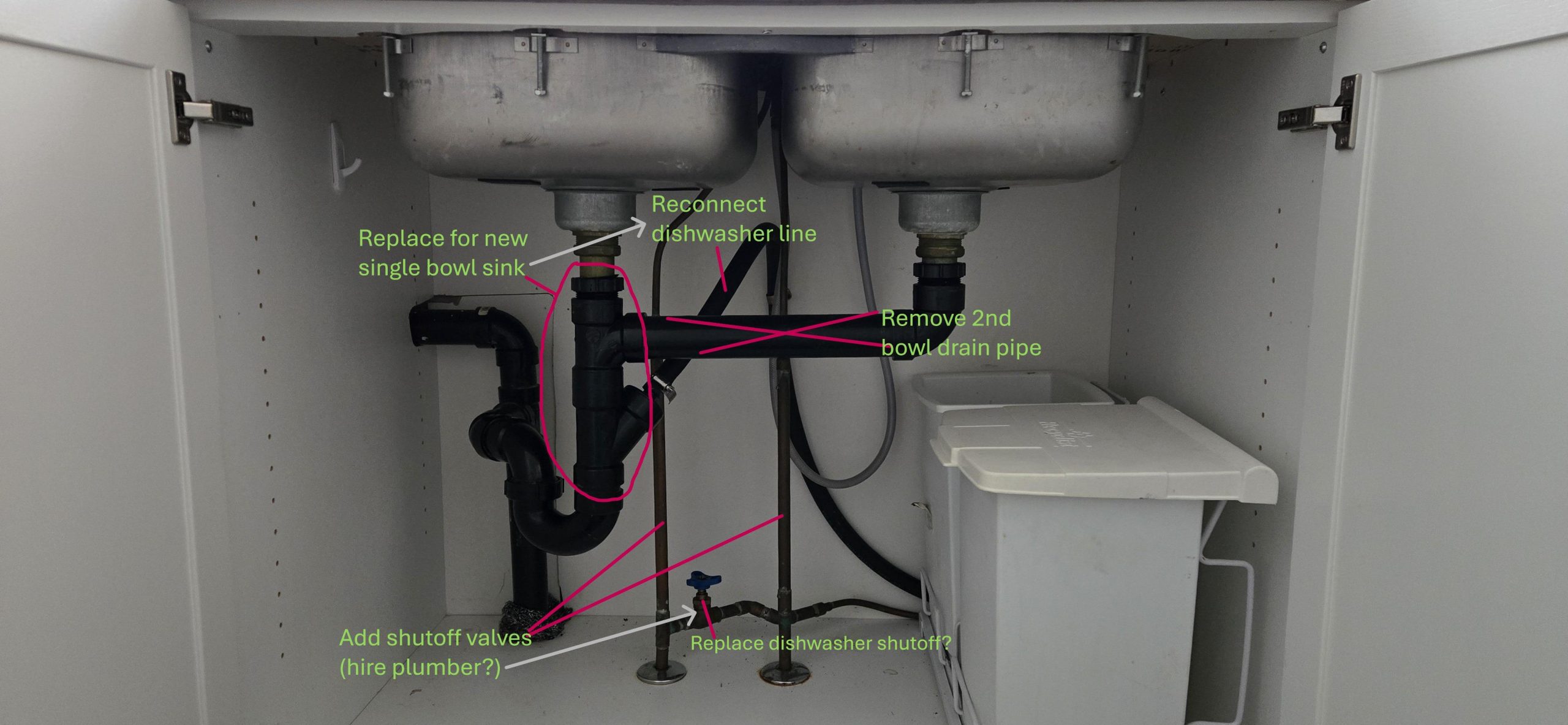
Start by looking under your kitchen sink. Most modern sinks have a drain pipe that includes a dishwasher inlet—usually a small, capped pipe sticking out near the main drain trap. If you don’t see this, don’t worry; sometimes the dishwasher drain connection might be a separate fitting or a knockout plug in the drain pipe.
Ask yourself: Is the drain pipe compatible with your dishwasher hose size? This is crucial because mismatched fittings can cause water to back up or leak. If you find a capped inlet, you’ll need to remove the cap carefully before attaching the dishwasher drain hose.
Identify The Drain Tailpiece Under The Sink
The drain tailpiece is the vertical pipe section that connects directly below your sink drain. This is often where the dishwasher drain hose attaches. Look for a small side inlet on the tailpiece; it might have a rubber or plastic cap that you can remove.
Make sure this inlet is clean and free from any debris before connecting your dishwasher hose. A dirty connection can cause poor drainage and odors. If you don’t find this inlet, you might need to install a dishwasher branch tailpiece.
Check For A Dishwasher Branch Tailpiece
A branch tailpiece is a special fitting designed to add an extra inlet for your dishwasher drain hose. It replaces the existing drain tailpiece and has a side arm to connect the hose. This is common in setups where the sink drain doesn’t have a built-in dishwasher inlet.
If your sink lacks a dishwasher inlet, you will need to buy and install a branch tailpiece. Installing it is simple: disconnect the existing tailpiece, replace it with the branch tailpiece, and then connect the dishwasher hose to the side inlet. This ensures a secure and leak-free connection.
Locate The Air Gap (if Present)
Some kitchens include an air gap device mounted on the sink or countertop. This small fixture prevents dirty water from flowing back into the dishwasher. Locate the air gap if your setup has one, as the dishwasher drain hose will connect to it instead of directly to the sink drain.
The air gap usually has two hoses: one from the dishwasher and one to the drain pipe. Confirm that both hoses are properly connected and in good condition. If you don’t have an air gap, check local plumbing codes—some areas require it by law.
Turn Off Water And Power
Turn off water and power to safely install a kitchen sink drain with a dishwasher. This prevents accidents and ensures a smooth setup process.
Connecting a dishwasher to a kitchen sink drain enhances convenience. But before diving into the installation, safety is crucial. The first step in the process is turning off water and power. This ensures a smooth and secure installation without unexpected leaks or electrical hazards.
Turn Off The Water Supply
Locate the water shut-off valve under the sink. Turn it clockwise to stop water flow. Confirm by testing the faucet. No water should come out. If it does, check the valve again. This step prevents water from flooding the area.
Switch Off The Power
Find the circuit breaker for the kitchen. Flip the switch linked to the dishwasher. This cuts off power and ensures safety. Always prioritize this step to avoid electrical risks. It’s essential for a safe installation.
Ensure Both Are Off
Double-check both water and power are off. This prevents any mishaps during the setup. Verify the faucet and dishwasher are inactive. Safety should always come first. This check confirms readiness for the next steps.
Disconnect Existing Drain Pipes
Disconnecting the existing drain pipes is a key step before hooking up a dishwasher to the kitchen sink drain. This process clears the way for new connections and prevents leaks. It also ensures the dishwasher drains properly into the plumbing system.
Careful disconnection protects your pipes and avoids damage. Taking time here helps the entire installation go smoothly.
Turn Off The Water Supply And Power
Start by shutting off the water supply under the sink. Also, switch off power to the dishwasher if it is already connected. This keeps the workspace safe and dry.
Place A Bucket Under The Pipes
Put a bucket or container under the drain pipes to catch any water inside. This prevents spills and keeps the area clean.
Loosen The Drain Pipe Connections
Use a wrench or pliers to loosen the slip nuts on the drain pipes. These nuts hold the pipes together and allow easy disconnection.
Remove The Drain Pipes Carefully
Gently pull the pipes apart once the nuts are loose. Check for water left inside and drain it out slowly into the bucket.
Inspect Pipes For Damage Or Blockages
Look inside the pipes for cracks, clogs, or buildup. Clean or replace damaged parts before connecting the dishwasher drain.
Install Dishwasher Drain Hose
Installing the dishwasher drain hose correctly is key to preventing leaks and ensuring your dishwasher drains smoothly. This step connects your dishwasher to the home's plumbing system, allowing wastewater to exit without causing backups.
Attach Hose To Dishwasher Outlet
Start by locating the dishwasher drain outlet, usually a small pipe near the bottom rear of the unit. Slide the drain hose onto this outlet firmly. Make sure the hose fits snugly to avoid water escaping during the wash cycle.
Secure the hose with a clamp or a screw ring, depending on your dishwasher model. Tightening this clamp is crucial—you want it tight enough to hold the hose in place but not so tight that it damages the hose.
Connect Hose To Sink Drain Or Garbage Disposal
Next, connect the other end of the drain hose to either the sink drain or the garbage disposal inlet. This connection point usually has a small nozzle or an inlet specifically for the dishwasher hose.
Before attaching, check if there’s a knockout plug inside the garbage disposal inlet. If present, remove it to allow drainage. Push the hose onto this inlet and fasten it securely with a clamp to prevent leaks.
Wondering why leaks happen even after you’ve connected everything? Often, it’s due to loose clamps or incorrect hose positioning. Keeping the hose elevated in a high loop under the sink helps prevent dirty water from flowing back into your dishwasher.
Secure Hose With Clamps
Securing the dishwasher drain hose with clamps is essential for a leak-free connection. Clamps hold the hose tightly in place, preventing water from escaping. This step ensures the hose stays connected under pressure and movement during dishwasher cycles.
Properly secured hoses reduce the risk of water damage under the sink. It also helps maintain good drainage flow. Choosing the right clamp and tightening it correctly makes all the difference.
Choose The Right Clamp
Use a stainless steel worm gear clamp for durability. These clamps provide strong, adjustable pressure. Avoid plastic clamps that may break or loosen over time. The clamp should fit snugly around the hose and drain pipe.
Position The Clamp Correctly
Place the clamp near the end of the hose. Leave a small gap from the hose tip to avoid squeezing the opening. Positioning the clamp too far can cause leaks or blockages. Ensure the clamp covers the hose and pipe joint evenly.
Tighten The Clamp Securely
Use a screwdriver to turn the clamp screw clockwise. Tighten it until the hose is firmly compressed but not crushed. Over-tightening can damage the hose or pipe. Check for any gaps or loose spots after tightening.
Inspect For Leaks
Run the dishwasher through a cycle after securing the hose. Look under the sink for any water drips. If you spot leaks, tighten the clamp further or adjust its position. Repeat the test until there is no leakage.
Set Up Air Gap Or High Loop
Setting up an air gap or a high loop is essential when connecting your dishwasher drain to the kitchen sink drain. These setups stop dirty water from flowing back into the dishwasher. Both methods protect your appliance and keep your kitchen clean.
Choosing between an air gap and a high loop depends on local plumbing codes and your sink layout. The air gap is a small device installed on the sink or countertop. The high loop is a simple loop made with the drain hose under the sink.
Install Air Gap (if Required)
Check if local rules require an air gap. It prevents backflow by creating a physical gap between the dishwasher and the drain.
- Drill a hole in the sink or countertop if needed.
- Mount the air gap device securely in the hole.
- Connect the dishwasher drain hose to the air gap's inlet.
- Attach a hose from the air gap outlet to the sink drain or garbage disposal.
- Tighten all clamps to avoid leaks.
The air gap must be higher than the dishwasher drain hose.
Create High Loop Under Sink
If no air gap is needed, make a high loop with the dishwasher drain hose. This loop keeps dirty water from flowing back.
- Attach the drain hose to the dishwasher outlet.
- Secure the hose to the underside of the sink cabinet as high as possible.
- Use a clamp or hook to hold the hose in place.
- Connect the other end to the sink drain or disposal.
- Ensure the hose stays above the drain connection point.
This simple loop acts as a barrier against backflow without extra parts.
Credit: www.diychatroom.com
Check For Leaks And Test Drainage
Checking for leaks and testing drainage are vital steps after hooking up a kitchen sink drain with a dishwasher. These steps ensure your connections are secure and water flows properly. A leak can cause water damage and poor drainage can lead to backups.
Start by carefully examining all the joints and connections. Watch for any signs of dripping or moisture. Testing drainage lets you confirm that water moves freely through the pipes without pooling or spilling.
Inspect All Connections For Drips
- Use a dry cloth to wipe around joints and fittings.
- Run water through the sink and dishwasher drain.
- Look closely for any wet spots or slow leaks.
- Tighten any loose connections if you spot moisture.
Run Water And Dishwasher Drain Cycle
- Turn on the kitchen sink faucet at full flow.
- Start the dishwasher’s drain cycle.
- Observe water flow in both the sink and drain pipes.
- Make sure water drains quickly without backing up.
Check Under The Sink Cabinet
- Look under the sink for pooling water or dampness.
- Inspect the dishwasher drain hose for cracks or leaks.
- Feel for moisture on pipe surfaces and floor.
- Address any leaks immediately to avoid damage.
Troubleshooting Common Issues
Connecting your dishwasher drain to the kitchen sink drain can sometimes lead to unexpected problems. Even a simple misalignment or clog can stop your dishwasher from draining properly. Knowing how to spot and fix these common issues saves you time and stress.
Identifying And Fixing Drain Clogs
Clogs are the most frequent problem you'll encounter. Food particles, grease, or soap buildup can block the drain hose or the air gap. If your dishwasher water isn’t draining, check the hose for kinks or debris.
Disconnect the hose from the sink drain and run water through it. If water doesn’t flow freely, use a long flexible brush or a thin wire to clear the blockage. Remember to inspect the sink drain as well; sometimes the clog is there, not in the dishwasher hose.
Ensuring Proper Installation Of The Air Gap
The air gap prevents dirty water from flowing back into the dishwasher. A missing or poorly installed air gap can cause water to leak or drain slowly. If you notice water pooling around your sink or dishwasher, inspect the air gap for blockages or loose connections.
Cleaning the air gap is simple—remove the cover and flush it with water. If the problem persists, ensure the air gap hose is properly connected and not crushed or bent.
Checking The Dishwasher Drain Hose Height
Did you know the height of the drain hose affects drainage? The hose must rise to a certain height before connecting to the sink drain to prevent backflow. If your dishwasher drains slowly, verify that the hose forms a high loop, at least 20 inches above the floor.
This loop acts as a barrier to stop dirty water from returning. If your hose is too low or straight, adjust it to create the proper high loop.
Dealing With Garbage Disposal Connection Issues
If your dishwasher drain connects to a garbage disposal, be sure the knockout plug inside the disposal’s drain inlet is removed. Forgetting this step can block water flow. When installing, always confirm that the plug is taken out before attaching the hose.
If you experience draining problems and have a garbage disposal, this is a quick check that could solve your issue.
How To Detect And Fix Leaks
Leaks often come from loose connections or cracked hoses. After installation, run a dishwasher cycle and watch under the sink carefully. Look for water dripping around hose connections, clamps, or the air gap.
Tighten any loose clamps using a screwdriver. If you find a cracked hose, replace it immediately to avoid water damage.

Credit: us.amazon.com
Frequently Asked Questions
How Do I Connect A Dishwasher To The Kitchen Sink Drain?
To connect, attach the dishwasher drain hose to the sink drain or garbage disposal. Secure with a clamp to prevent leaks.
What Tools Are Needed To Hook Up A Dishwasher Drain?
You need a screwdriver, pliers, hose clamp, and possibly a drill for installing the hose connection.
Can I Use The Kitchen Sink Drain For Dishwasher Drainage?
Yes, the dishwasher drain hose can connect to the sink drain’s tailpiece or garbage disposal inlet safely.
How Do I Prevent Dishwasher Drain Leaks At The Sink?
Ensure the hose clamp is tight and the hose is properly secured to the drain pipe or disposal.
Conclusion
Connecting your dishwasher drain to the kitchen sink drain is simple. Follow each step carefully to avoid leaks and clogs. Use the right tools and parts for a secure fit. Check all connections before running the dishwasher. Regular maintenance helps keep everything working well.
This setup saves space and makes cleanup easy. Try these tips to ensure a smooth installation process. You’ll enjoy a cleaner kitchen with less hassle. Don’t rush; take your time for the best results.