
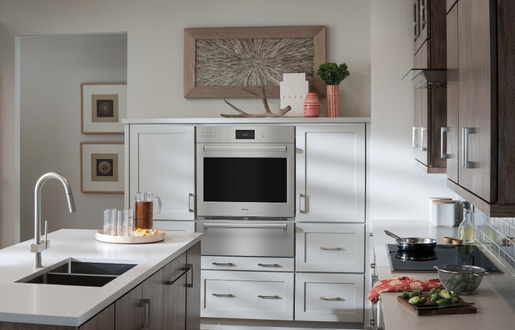
Are you ready to upgrade your kitchen with a new oven but unsure where to start? Installing an oven might seem tricky, but with the right steps, you can do it yourself and save time and money.
Imagine how great it will feel to cook your favorite meals in your brand-new oven, perfectly fitted into your kitchen. In this guide, you’ll find simple, clear instructions that make the whole process easy to follow. Keep reading, and soon you’ll have your oven installed and ready to use!

Credit: www.artisanwestappliance.com
Choose The Right Oven
Choosing the right oven for your kitchen is crucial. It impacts cooking quality, kitchen space, and energy use. Picking an oven that suits your cooking habits and kitchen size makes cooking easier and more enjoyable.
Types Of Ovens
Ovens come in various types. Each type fits different cooking needs and kitchen styles.
- Conventional Ovens:Heat from top and bottom. Good for baking and roasting.
- Convection Ovens:Use a fan to circulate heat. Cooks food faster and evenly.
- Microwave Ovens:Best for reheating and quick cooking.
- Steam Ovens:Use steam for moist cooking. Great for healthy meals.
- Wall Ovens:Built into kitchen walls. Save floor space and look modern.
Size And Capacity
Size matters for fitting the oven into your kitchen. Measure the space carefully before buying.
Capacity affects how much food you can cook at once. Choose based on your family size and cooking style.
- Small ovens (less than 3 cubic feet): Best for singles or couples.
- Medium ovens (3 to 5 cubic feet): Good for small families.
- Large ovens (over 5 cubic feet): Ideal for big families or frequent cooks.
Energy Efficiency
Energy-efficient ovens save money on electricity bills. They also reduce your kitchen’s carbon footprint.
Look for ovens with good energy ratings. These ovens use less power without losing performance.
- Electric ovens with convection feature often use less energy.
- Gas ovens may cost less to operate but check local fuel prices.
- Energy Star certified models meet strict efficiency standards.
Prepare The Kitchen Space
Preparing the kitchen space is a key part of installing an oven. A well-prepared area helps the installation go smoothly. It ensures safety and prevents damage to your kitchen. Take time to organize and check everything before you start.
Measure The Installation Area
Start by measuring the space for your new oven. Use a tape measure to get accurate dimensions. Note the height, width, and depth of the area. Compare these with your oven’s size. Leave extra space for ventilation and movement. This step avoids fitting problems later.
Check Electrical And Gas Connections
Identify the power source for your oven. For electric ovens, check the outlet and wiring. Make sure the voltage matches the oven’s requirements. For gas ovens, inspect the gas line and valve. Ensure there are no leaks or damages. Safety is crucial when dealing with electricity and gas.
Clear The Workspace
Remove all items from the installation area. Clear countertops, cabinets, and floors nearby. This creates room to move and work easily. It also protects your belongings from dust and damage. Keep tools and parts organized close to the space.
Gather Necessary Tools
Gathering the right tools is important before starting your oven installation. Having everything ready saves time and avoids frustration. This section lists the essential tools and safety gear needed to do the job efficiently. Prepare your workspace and protect yourself with proper equipment.
Basic Tools Checklist
- Screwdriver set (flathead and Phillips)
- Adjustable wrench
- Power drill with drill bits
- Level tool
- Measuring tape
- Wire stripper/cutter
- Voltage tester
- Utility knife
- Stud finder
Safety Equipment
- Safety goggles to protect eyes
- Work gloves to protect hands
- Dust mask to avoid inhaling particles
- Non-slip shoes for stable footing
- Fire extinguisher nearby for emergencies
Install Electrical Wiring
Installing the electrical wiring for your oven is a crucial step that demands careful attention. Proper wiring ensures your oven operates safely and efficiently without risking electrical faults. Let’s break down how to handle this part of the installation with confidence and safety.
Turn Off Power Supply
Before you touch any wires, make sure the power to your kitchen circuit is completely turned off. Locate your home's main electrical panel and switch off the breaker that controls the oven's circuit. This simple action protects you from electric shock and prevents damage to your electrical system.
Have you ever underestimated how dangerous live wires can be? I once thought flipping off a light switch was enough, but the breaker switch is the real lifesaver here. Always double-check with a voltage tester to confirm no current is flowing before you proceed.
Connect Wiring Correctly
Identify the wires coming from your oven and the electrical supply. Typically, you’ll find a black (hot), white (neutral), and green or bare (ground) wire. Match each wire carefully—black to black, white to white, and green or bare to the grounding screw or wire.
Use wire nuts to secure the connections tightly and wrap them with electrical tape for extra safety. Loose connections can cause arcing and potentially start a fire, so don’t rush this step. If your oven requires a different voltage or wire gauge, check the manufacturer’s instructions before connecting.
Test Electrical Setup
Once wiring is complete, turn the breaker back on and test your oven’s electrical setup. Use a multimeter to check voltage at the oven terminals, ensuring it matches the appliance’s requirements. Then, turn the oven on briefly to see if it powers up correctly without tripping the breaker.
What happens if the breaker trips immediately? This often means a wiring fault or short circuit. Double-check your connections and don’t hesitate to call a professional electrician if something feels off. Your safety depends on a correctly installed electrical setup.
Position The Oven
Choose a spot with enough space around the oven for heat to escape. Ensure the area is near power and ventilation sources for safety.
Positioning your oven correctly ensures safety and efficiency in your kitchen. A properly positioned oven can enhance cooking convenience. Follow these steps to ensure your oven is perfectly placed.
Lift And Place Carefully
Ensure you have help to lift the oven. Ovens are heavy and awkward. Use your knees, not your back, to lift. Align the oven with the space in your cabinet. Lower it gently to avoid damage.
Secure Oven In Cabinet
Once positioned, secure the oven to the cabinet. Check for screws or brackets in the user manual. Use a screwdriver to fasten the oven. This prevents movement and ensures stability.
Adjust Alignment
Check if the oven is level. Use a spirit level for accuracy. Adjust the feet at the bottom if needed. This ensures even cooking and prevents wobbling.

Credit: www.youtube.com
Connect Gas Supply (if Applicable)
Connecting the gas supply is a crucial part of installing a gas oven in your kitchen. This step demands careful attention to safety and accuracy. If your oven runs on gas, skipping or rushing this process can lead to dangerous leaks or inefficient performance.
Turn Off Gas Valve
Before you start any connection, make sure the gas valve is completely turned off. This stops gas flow and prevents accidents while you work. You can usually find the valve near your oven or at the main gas line entry point.
Have you checked the valve recently? It’s easy to overlook this simple safety check, but it makes all the difference.
Attach Gas Line Securely
Use a flexible gas connector to attach the oven’s gas inlet to the supply line. Hand-tighten the fittings first, then use a wrench to secure them firmly without over-tightening. Over-tightening can damage the threads and cause leaks.
Make sure the connector isn’t kinked or stretched. A smooth, straight connection helps maintain proper gas flow and avoids future issues.
Check For Leaks
After connecting the gas line, you must check for leaks before turning the oven on. Apply a mixture of soap and water to the connection points and watch for bubbles. Bubbles mean gas is escaping, and you need to tighten or redo the connection.
Don’t skip this test—it’s your best defense against gas hazards. If you detect a leak and can’t fix it, call a professional immediately.
Final Setup And Testing
The final setup and testing phase is crucial for your oven installation. It ensures the oven works safely and efficiently. This step involves powering on the oven, running initial tests, and calibrating temperature settings.
Power On The Oven
Start by connecting the oven to the power source. Check the circuit breaker to avoid overload. Turn on the oven’s main power switch. Look for any error lights or unusual sounds. Confirm the display panel lights up properly.
Run Initial Test
Set the oven to a basic cooking mode, like bake. Let it run for 10 to 15 minutes. Listen for normal operation sounds, such as the fan or heating elements. Check that the oven heats up evenly. Watch for any smoke or strange smells. If something seems wrong, switch off and recheck connections.
Calibrate Temperature Settings
Use an oven thermometer to check actual heat levels. Place it inside the oven on the middle rack. Set the oven to 350°F (175°C). Wait for the oven to reach the set temperature. Compare the thermometer reading to the oven’s display. Adjust the oven’s temperature settings if needed. Follow the user manual for calibration steps.
Safety Tips And Maintenance
Installing an oven in your kitchen is more than just a one-time task. Ensuring safety and proper maintenance keeps your oven working efficiently and protects your home from hazards. Paying attention to these details helps you avoid costly repairs and potential accidents.
Regular Cleaning
Keep your oven clean to prevent grease buildup, which can cause unpleasant odors and even fires. Wipe down the interior after every use once it cools, and clean spills immediately to avoid stubborn stains.
Don’t forget the oven racks and door seals—these areas tend to collect grime that affects performance. Using a mild cleaner or baking soda paste can make cleaning easier and safer for your oven’s surfaces.
Inspect Connections
Check the power or gas connections regularly to ensure they are secure and undamaged. Loose wiring or gas leaks are serious risks that can lead to electrical shocks or fires.
Look for signs like unusual smells, flickering lights, or the oven not heating properly, which might indicate connection issues. Your safety depends on catching these problems early before they worsen.
When To Call A Professional
Some issues require expert attention. If you notice persistent gas smells, electrical sparks, or the oven stops working despite your efforts, it’s time to call a professional.
Attempting repairs without proper knowledge can be dangerous and may void warranties. Trusting a certified technician ensures your oven is fixed safely and correctly.

Credit: www.reddit.com
Frequently Asked Questions
How Do I Prepare My Kitchen For Oven Installation?
Clear the installation area and measure the space accurately. Ensure electrical or gas connections meet local codes. Turn off power or gas supply before starting. Have proper tools and follow manufacturer’s instructions for safe installation.
What Tools Are Required For Oven Installation?
You’ll need a screwdriver, drill, level, tape measure, and wrench. Additionally, have wire strippers and safety gloves handy. Proper tools ensure a safe, efficient, and precise oven setup in your kitchen.
Can I Install The Oven Myself Or Hire A Professional?
DIY installation is possible with basic skills and tools. However, hiring a professional is recommended for complex wiring or gas connections to ensure safety and code compliance.
How To Ensure My Oven Fits In The Kitchen Space?
Measure the oven and cabinet space carefully. Allow clearance for ventilation and door opening. Check manufacturer’s specifications for minimum space requirements to avoid installation issues.
Conclusion
Installing an oven in your kitchen can be simple and safe. Follow each step carefully and take your time. Check all connections to avoid issues later. Use the right tools to make the job easier. Ask for help if you feel unsure.
A well-installed oven makes cooking more fun and efficient. Enjoy your new kitchen upgrade with confidence and ease.