
Your kitchen sponge is one of the dirtiest items in your home, yet you use it every day to clean your dishes and surfaces. If you don’t keep it clean, it can become a breeding ground for harmful bacteria that can make you and your family sick.
But don’t worry—keeping your kitchen sponge fresh and safe is easier than you think. You’ll discover simple, effective ways to clean and maintain your sponge so it stays hygienic and lasts longer. Ready to protect your health and keep your kitchen sparkling?
Let’s dive in!

Credit: www.yahoo.com
Common Sponge Germs
Kitchen sponges are a hotspot for germs, but many of us overlook just how dirty they can get. These tiny pieces of foam soak up food particles and moisture, creating the perfect breeding ground for harmful bacteria. Understanding what germs live on your sponge and where they come from helps you take better care of it and protect your health.
Sources Of Bacteria
Sponges pick up bacteria from many places in your kitchen. When you wipe down countertops or clean dishes, the sponge absorbs leftover food bits and liquids. This mix of organic material and moisture becomes a buffet for germs.
Common bacteria found on sponges include E. coli, Salmonella, and Staphylococcus aureus. These can come from raw meat juices, unwashed vegetables, or even your hands. If your sponge stays damp and isn’t cleaned regularly, these germs multiply rapidly.
Risks Of Dirty Sponges
Using a dirty sponge can spread bacteria around your kitchen instead of cleaning it. This can lead to cross-contamination, where harmful germs transfer from one surface or food item to another. The result? A higher chance of foodborne illnesses for you and your family.
Imagine wiping a cutting board used for raw chicken with a sponge loaded with bacteria, then using the same sponge on fresh salad greens. That’s a direct route for sickness. Are you confident your sponge is doing more good than harm right now?
Daily Sponge Care
Daily sponge care is vital for a clean kitchen and healthy environment. A sponge can hold many germs if not cared for properly. Small efforts each day keep it fresh and safe to use. Focus on rinsing and drying to stop bacteria growth.
Rinsing Techniques
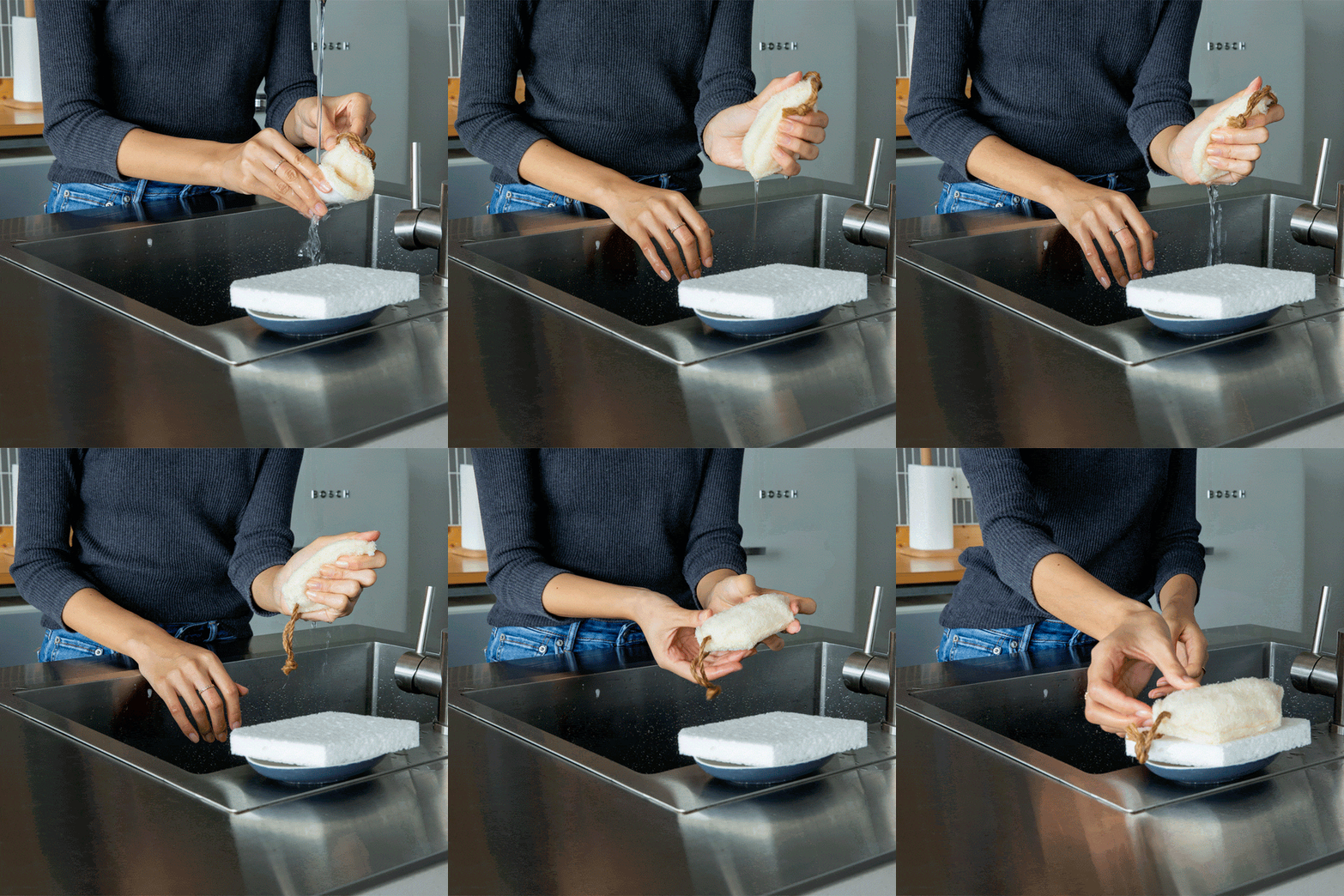
Rinse the sponge thoroughly after every use. Use hot water to remove food particles and soap residue. Squeeze the sponge several times to push out trapped dirt. Avoid leaving soap on the sponge as it attracts germs. Rinse until the water runs clear and no bubbles remain.
Proper Drying Methods
Dry the sponge completely after rinsing to prevent mold. Place it in a well-ventilated area away from sinks. Avoid leaving it in a wet sink or dish rack. Stand the sponge upright or on its side to allow air flow. Replace the sponge if it stays damp for too long.
Deep Cleaning Methods
Regularly soaking kitchen sponges in vinegar or bleach kills germs effectively. Microwaving a wet sponge for one minute also helps remove bacteria quickly. Drying sponges completely after use prevents mold and keeps them fresh longer.
Keeping your kitchen sponge clean is essential to maintaining a healthy home environment. Deep cleaning methods can significantly extend the life of your sponge and keep it free from harmful bacteria. Let's dive into some effective deep cleaning techniques that are simple yet powerful.
Microwave Sanitizing
Microwaving your sponge is a quick and efficient way to kill bacteria. Simply dampen the sponge and place it in the microwave on high for one to two minutes. Make sure the sponge is wet to avoid any fire hazards. Once done, let it cool before handling. You'll be amazed at how fresh it feels afterwards. Remember, this method works best for non-metal sponges.
Dishwasher Cleaning
Your dishwasher isn't just for plates and cups; it's also a great tool for cleaning sponges. Place the sponge in the top rack of your dishwasher and run a regular cycle with the hottest setting. This method not only cleans but also deodorizes your sponge. You'll notice it's as good as new and ready to tackle the next mess.
Bleach Soak
If your sponge needs a more intensive clean, a bleach soak can do wonders. Mix a solution of one tablespoon of bleach with a gallon of water. Submerge the sponge for five minutes, ensuring it's completely soaked. Rinse thoroughly under running water to remove any bleach residue. This method is perfect for those stubborn stains and odors that just won't quit. Have you tried these methods before? You might be surprised at how effective they are and how much longer your sponges last. Give them a try and keep your kitchen cleaner and safer.
Natural Cleaning Alternatives
Keeping your kitchen sponge clean doesn’t require harsh chemicals. Natural alternatives like vinegar and lemon juice are powerful, safe, and easy to use. These options not only disinfect your sponge but also help avoid lingering chemical smells.
Vinegar Solutions
White vinegar is a natural disinfectant that kills most bacteria and mold. Simply soak your sponge in a mixture of equal parts vinegar and water for about 5 minutes. After soaking, rinse it well and let it air dry completely before the next use.
I once tried this after noticing a funky smell from my sponge, and the vinegar soak eliminated the odor completely. Plus, it’s affordable and found in almost every kitchen.
Lemon Juice Use
Lemon juice has natural antibacterial and deodorizing properties. Squeeze fresh lemon juice onto your damp sponge, then let it sit for 10 minutes. Rinse thoroughly with warm water and dry it out in a sunny spot if possible.
The fresh scent of lemon also leaves your kitchen smelling clean and bright. Have you ever thought about using lemon juice as a natural bleach alternative for your sponge? It’s a simple trick that works wonders without the harshness.
Sponge Replacement Tips
Keeping your kitchen sponge clean is important for hygiene. Knowing when to replace it keeps your kitchen safe. Choosing the right sponge helps make cleaning easier and more effective.
When To Replace
Sponges wear out quickly. Change them every one to two weeks. If the sponge smells bad, replace it immediately. Visible tears or crumbles mean it no longer cleans well. Bacteria grow fast on old sponges. Fresh sponges keep your kitchen healthier.
Choosing The Right Sponge
Select sponges based on your cleaning needs. Soft sponges work well for delicate dishes. Rough sponges clean pots and pans better. Look for sponges that dry quickly to reduce bacteria. Some sponges have anti-bacterial properties. These can help keep your sponge cleaner longer. Avoid sponges that fall apart easily. A durable sponge saves money and effort.

Credit: food52.com
Preventing Cross-contamination
Preventing cross-contamination is key to keeping your kitchen safe and clean. Sponges can carry germs from one surface to another. This can cause foodborne illnesses. Using the right habits helps reduce this risk. Small changes in sponge use make a big difference in hygiene.
Separate Sponges For Tasks
Use different sponges for different kitchen jobs. One sponge for dishes, another for counters, and one more for cleaning sinks. This stops germs from spreading between areas. Mark or color-code sponges to avoid mix-ups. Change sponges regularly to keep them fresh and clean.
Storing Sponges Safely
Store sponges where they can dry quickly. Damp sponges breed bacteria fast. Use a sponge holder that drains water away. Avoid leaving sponges in the sink or on wet surfaces. Keep them in a clean, dry spot after use. This simple habit helps prevent germ growth.

Credit: sqwishful.com
Frequently Asked Questions
How Often Should I Clean My Kitchen Sponge?
Clean your kitchen sponge daily to remove bacteria. Rinse it thoroughly after each use and microwave it wet for one minute. Replace the sponge every two weeks for optimal hygiene and to prevent bad odors and contamination.
What Is The Best Way To Disinfect A Kitchen Sponge?
To disinfect a kitchen sponge, soak it in a mixture of bleach and water for five minutes. Alternatively, microwave a wet sponge for one minute. Both methods kill harmful bacteria and keep the sponge safe for daily use.
Can I Use A Dishwasher To Clean A Sponge?
Yes, you can clean a sponge in the dishwasher. Place it on the top rack and run a hot cycle. This method effectively removes food particles and kills bacteria, prolonging the sponge’s usability.
Why Does My Kitchen Sponge Smell Bad Quickly?
A bad smell indicates bacteria buildup in your sponge. This happens when it remains damp and food particles accumulate. Regular cleaning and drying help prevent odors and keep your kitchen sponge fresh.
Conclusion
Keeping your kitchen sponge clean helps stop germs from spreading. Clean it often with hot water or microwave it safely. Replace sponges every few weeks to avoid bad smells and bacteria build-up. Dry your sponge well after use to keep it fresh longer.
A clean sponge means a safer kitchen and healthier meals. Small steps make a big difference in kitchen hygiene. Stay consistent, and your sponge will last longer and work better. Clean sponge, clean kitchen—simple as that.