

Your kitchen sponge works hard every day, but it can quickly develop an unpleasant smell that makes cleaning a chore. You might think replacing it often is the only solution, but what if you could keep your sponge fresh and odor-free for much longer?
You’ll discover simple, effective tips that anyone can use to stop that nasty smell before it starts. By following these easy steps, you’ll save money, reduce waste, and enjoy a cleaner, more pleasant kitchen. Keep reading to find out how to make your sponge smell fresh every time you use it.
Causes Of Sponge Odor
Kitchen sponges often develop bad smells that annoy many people. Understanding what causes these odors helps to stop them early. Sponges hold dirt and moisture, creating a perfect place for smells to grow. Three main reasons cause sponge odors:
Bacteria And Mold Growth
Bacteria and mold grow quickly on dirty sponges. They feed on food bits and moisture in the sponge. These microbes release gases that create foul smells. Warm, wet conditions in the kitchen make it easy for them to multiply. The smell worsens as more bacteria and mold build up.
Trapped Food Particles
Sponges often trap tiny food pieces inside their pores. Leftover food rots over time, causing bad odors. These particles also feed bacteria and mold, speeding up smell production. It is hard to clean food bits from deep inside the sponge. This makes the odor problem worse every day.
Moisture Retention
Sponges hold water after use, staying damp for a long time. Moisture keeps bacteria and mold alive and growing. A wet sponge does not dry quickly, which worsens the smell. Leaving a sponge in a wet sink or closed space traps moisture. This creates the ideal environment for odors to form.
Daily Sponge Care
Keeping your kitchen sponge fresh starts with simple daily care habits. Small actions every day can prevent odors and bacteria buildup that turn your sponge into a smelly mess. Let’s look at easy steps you can take right after using your sponge to keep it clean and odor-free.
Rinsing Thoroughly After Use
Rinse your sponge under warm water immediately after scrubbing dishes. This washes away food particles and soap residue that attract bacteria. If you don’t rinse well, leftover grime will cause unpleasant smells faster than you expect.
Have you noticed how a quick rinse feels like a reset button? It’s a small habit that makes a big difference in freshness.
Squeezing Out Excess Water
After rinsing, squeeze your sponge firmly to remove as much water as possible. A damp sponge is a breeding ground for bacteria, so reducing moisture is key. Avoid wringing it out too roughly to prevent tearing, but make sure it’s not dripping wet.
Think about how your sponge feels between uses—does it stay soggy or dry out quickly? Squeezing well helps control that.
Allowing Proper Drying
Place your sponge in a well-ventilated area to dry completely before the next use. Avoid leaving it in the sink or a damp spot where moisture lingers. Consider using a sponge holder that promotes airflow or setting it on a dish rack.
Have you tried rotating sponges or giving them a break to dry fully? This can extend their life and keep odors at bay.
Cleaning Techniques
Keeping your kitchen sponge fresh is essential for a clean kitchen. A smelly sponge can harbor bacteria and spread germs. Proper cleaning techniques can extend your sponge's life and keep it odor-free. Below are some effective methods to clean your kitchen sponge.
Microwave Method
The microwave method is simple and effective. Wet your sponge and place it in the microwave. Heat it on high for one minute. The heat kills bacteria and removes odors. Remember to let it cool before handling.
Boiling Water Soak
Boiling water soak is another great cleaning technique. Boil a pot of water and submerge your sponge. Let it soak for five minutes. This process will sanitize the sponge and eliminate smells.
Dishwasher Cleaning
Use your dishwasher to clean sponges easily. Place the sponge in the top rack. Run the dishwasher on a hot cycle. The hot water and steam clean and deodorize your sponge.

Credit: sqwishful.com
Natural Deodorizers
Natural deodorizers offer a simple and effective way to keep your kitchen sponge fresh without relying on harsh chemicals. These ingredients are often already in your pantry, making them an easy choice for regular sponge care. Using natural products can help you maintain a clean kitchen environment while preventing unpleasant odors from building up.
Lemon Juice Application
Lemon juice is a natural deodorizer and antibacterial agent. Simply squeeze fresh lemon juice over your damp sponge and let it sit for about 5 minutes. Rinse thoroughly with warm water, and you’ll notice a fresh, clean scent that lasts longer than you might expect.
Try this after every few uses to keep your sponge smelling bright. Have you ever noticed how lemon can lift even stubborn kitchen smells? It’s like a mini reset for your sponge.
Baking Soda Scrub
Baking soda works wonders in neutralizing odors. Sprinkle a small amount onto your wet sponge and gently scrub it. This helps remove trapped grime and eliminate smells without damaging the sponge fibers.
After scrubbing, rinse the sponge well. Baking soda’s mild abrasive nature refreshes your sponge, making it feel almost new. Could this simple powder be the secret to your kitchen’s freshness?
Vinegar Soak
Vinegar’s acidity breaks down bacteria that cause bad smells. Soak your sponge in a cup of white vinegar for 5-10 minutes, then rinse it thoroughly. This soak not only deodorizes but also disinfects your sponge naturally.
Many find that vinegar removes lingering odors better than soap alone. Do you have vinegar in your kitchen right now? If so, it’s ready to fight your sponge’s odor problem.
Storage Tips
Proper storage plays a key role in keeping kitchen sponges fresh and odor-free. Sponges hold moisture, which causes bacteria growth and bad smells. Storing them correctly helps air flow and drying. This reduces dampness and keeps sponges cleaner longer.
Using Sponge Holders
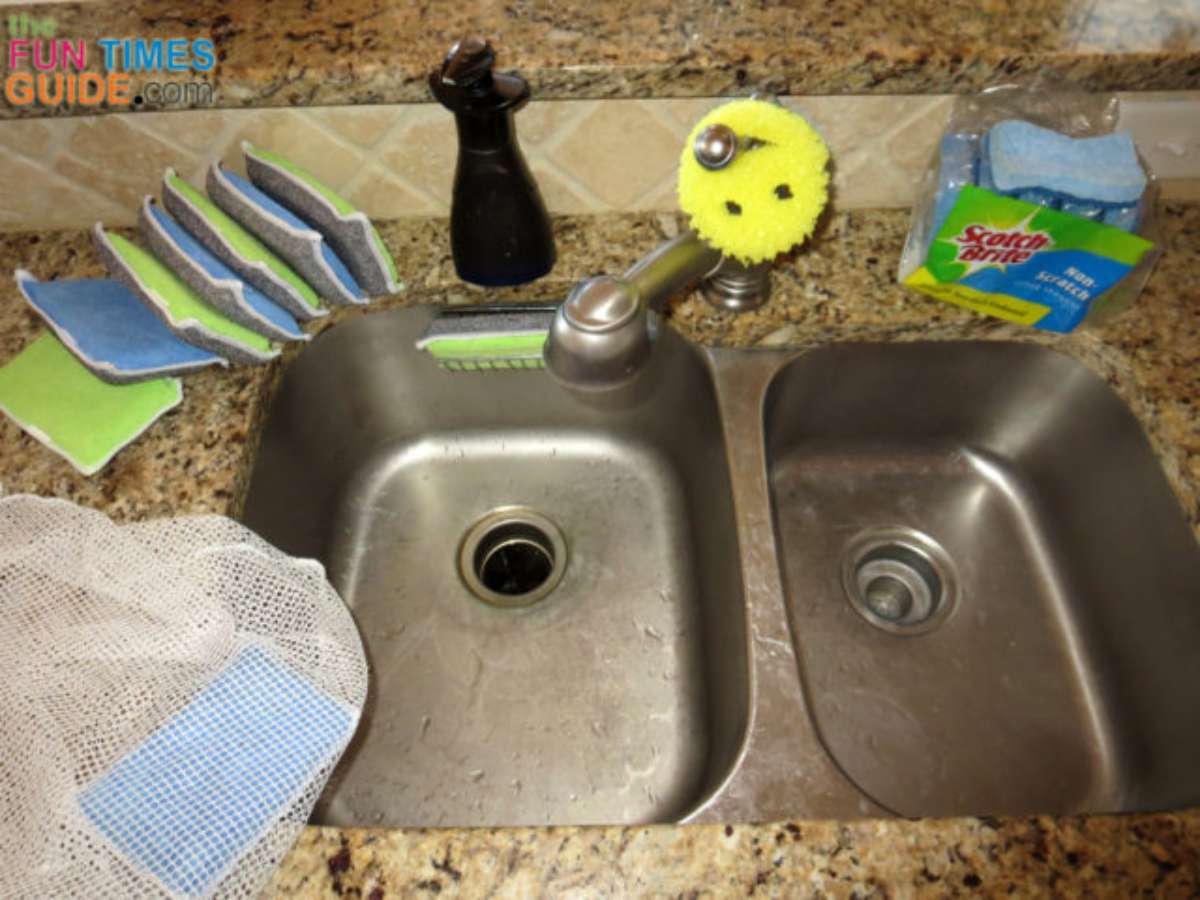
Sponge holders lift sponges off the countertop. This allows air to reach all sides. Many holders have holes or slats for drainage. This stops water from pooling. A simple holder near the sink makes drying faster. Choose one that is easy to clean and dries quickly.
Avoiding Closed Containers
Storing sponges in closed containers traps moisture inside. This creates a perfect place for bacteria to grow. Instead, keep sponges in open or well-ventilated spaces. Open containers or racks help sponges dry between uses. This reduces bad smells and keeps them fresh.
Keeping Away From Sink Drain
Do not store sponges near the sink drain. The drain area is often wet and dirty. This increases the chance of bacteria transfer. Place sponges a little distance from the drain. This keeps them cleaner and less smelly. A dry spot on the countertop works well.
Credit: household-tips.thefuntimesguide.com
When To Replace Your Sponge
Knowing when to replace your kitchen sponge is key to keeping it fresh and safe to use. Sponges can harbor bacteria and odors over time. Changing them regularly prevents bad smells and keeps your kitchen clean.
Signs Of Wear And Tear
Look for visible damage like holes, tears, or thinning areas. A sponge that falls apart easily spreads germs instead of cleaning. Also, notice if it smells bad even after rinsing. This means bacteria have built up inside.
Frequency Of Replacement
Replace kitchen sponges at least once a week. Daily heavy use may require changing every few days. Light use might allow a bit longer, but never keep a sponge past two weeks. Regular replacement stops germs from growing and causing odors.
Choosing The Right Sponge
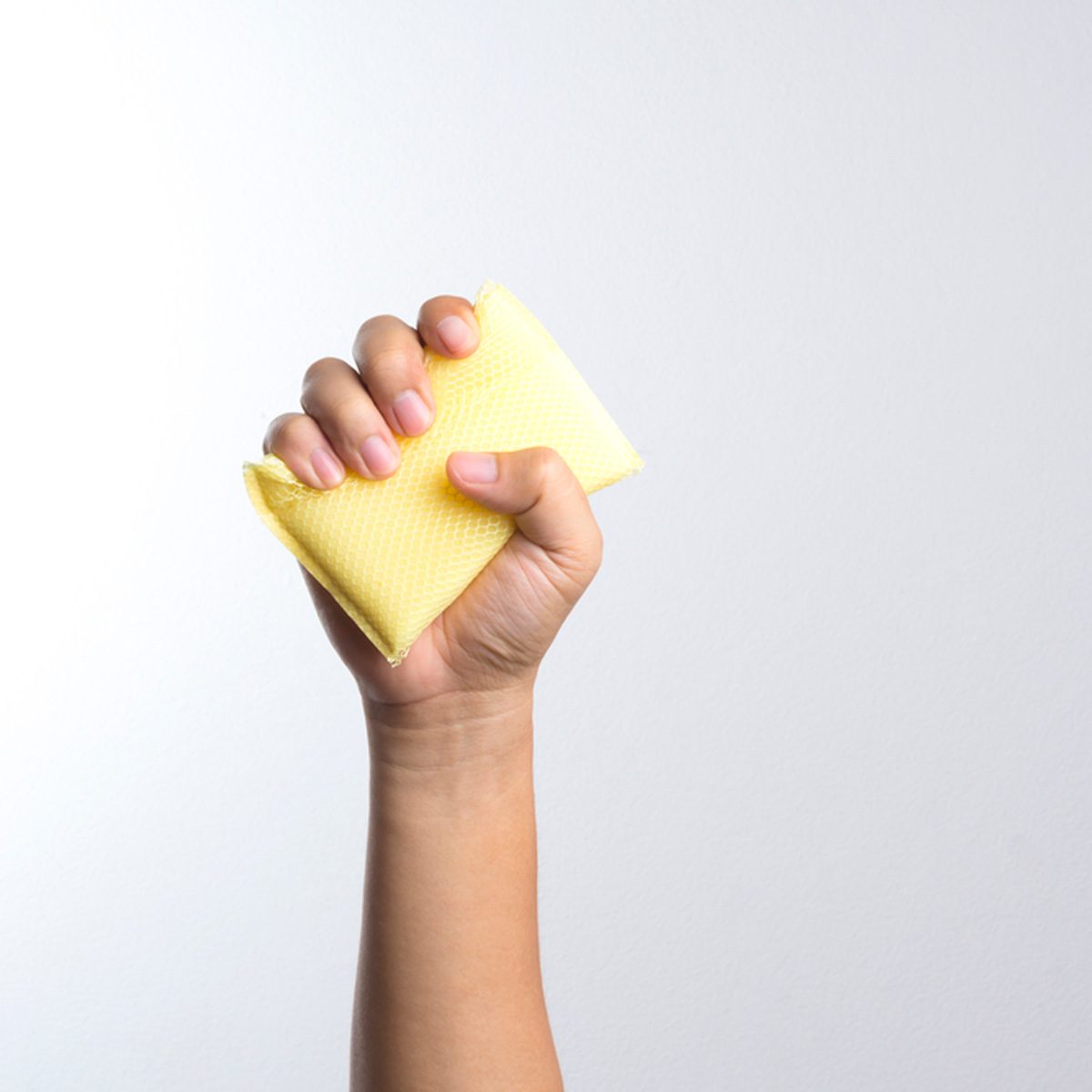
Pick sponges made of durable, quick-drying materials. Look for antimicrobial options that resist bacteria growth. Avoid sponges that hold water too long. A sponge that dries fast stays fresher and lasts longer.
Credit: www.familyhandyman.com
Frequently Asked Questions
How Often Should I Clean My Kitchen Sponge?
Clean your kitchen sponge daily to prevent odor and bacteria buildup. Rinse it thoroughly after each use. Microwave it damp for one minute or soak in vinegar for effective cleaning.
What Causes Kitchen Sponges To Smell Bad?
Kitchen sponges smell bad due to trapped food particles and moisture. These conditions encourage bacteria and mold growth, leading to unpleasant odors.
Can Vinegar Eliminate Sponge Odors Effectively?
Yes, soaking your sponge in vinegar for five minutes kills bacteria and neutralizes odors. Vinegar is a natural, safe, and eco-friendly cleaning solution.
Is Microwaving A Sponge Safe For Odor Removal?
Microwaving a damp sponge for one minute kills most bacteria and eliminates odors. Ensure the sponge is wet to avoid fire hazards.
Conclusion
Keeping your kitchen sponge fresh is easier than you think. Clean it often using simple methods. Let it dry completely after each use. Replace it regularly to avoid bad smells. These small steps protect your kitchen and health. A fresh sponge means a cleaner, safer kitchen.
Try these tips and enjoy a pleasant-smelling kitchen every day. Simple habits make a big difference.