
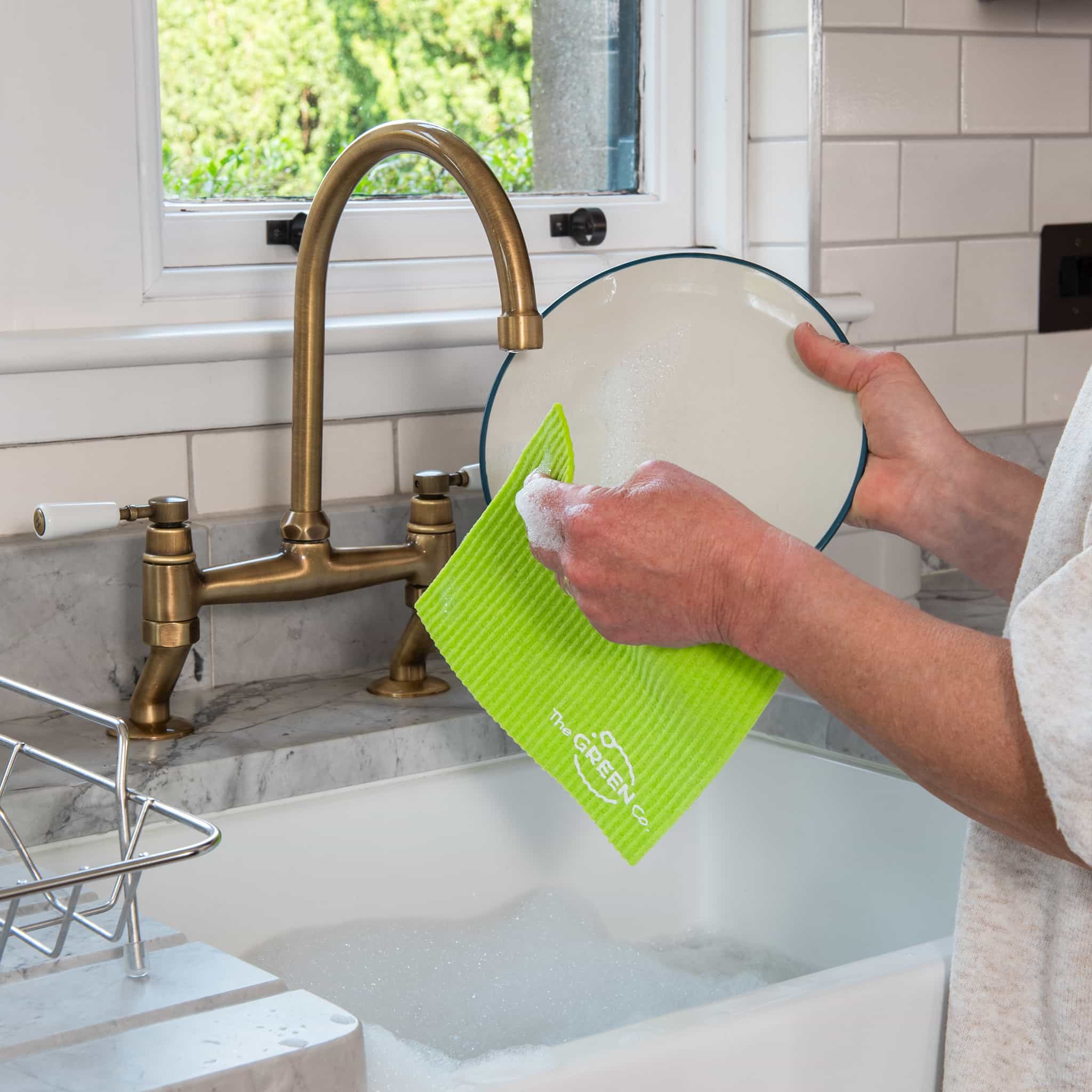
Your kitchen cloths work hard every day, soaking up spills and wiping down surfaces. But if they’re not clean, they can spread germs instead of keeping your kitchen fresh.
Imagine grabbing a cloth that’s truly spotless and smelling fresh every time you use it. Sounds great, right? You’ll discover simple, effective ways to keep your kitchen cloths clean and safe. Stick with me, and you’ll never worry about dirty cloths again.

Credit: www.yahoo.com
Choosing The Right Kitchen Cloths
Choosing the right kitchen cloths can make a big difference in how clean and fresh your kitchen stays. The material and size you pick affect not only how well they clean but also how easy they are to maintain. Let’s look at what to consider so you get the most out of your kitchen cloths.
Materials That Resist Odors
Some materials hold onto smells more than others. Microfiber cloths are great at resisting odors because they dry quickly and don’t trap bacteria easily. Cotton is soft and absorbent but tends to keep smells if not washed properly.
Have you ever noticed your cloths smelling bad even after washing? That’s often because the material traps moisture. Linen is another good choice—it dries fast and naturally fights bacteria, keeping odors at bay.
Size And Texture Considerations
The size of your kitchen cloth matters for different tasks. Smaller cloths work well for wiping counters or cleaning spills, while larger ones are better for drying dishes or covering food. Think about what you use the cloths for most and choose sizes accordingly.
Texture plays a big role in cleaning efficiency. A rougher texture helps scrub stuck-on food, but it might be too harsh for delicate surfaces. Smooth cloths work best for glass or polished surfaces. Do you have different cloths for different jobs, or do you use the same one for everything?

Credit: figgyandco.co.nz
Daily Care Routines
Keeping your kitchen cloths clean every day doesn’t have to be a chore. Small habits in your daily care routine can make a huge difference in hygiene and longevity. These routines help avoid unpleasant smells, bacterial buildup, and the frustration of scrubbing stubborn stains later.
Proper Usage And Rotation
Using kitchen cloths for specific tasks prevents cross-contamination. Designate cloths for wiping counters, drying dishes, and handling spills separately. This reduces the spread of germs and keeps each cloth cleaner for longer.
Rotate your cloths regularly throughout the day. Instead of using one cloth continuously, keep at least three on hand. Swap them out every few hours or after heavy use to maintain freshness and cleanliness.
Ask yourself: How often do you switch your cloth during cooking? You might be surprised how much a simple rotation can improve kitchen hygiene.
Quick Drying Techniques
Wet cloths are breeding grounds for bacteria. After use, wring out your cloths thoroughly to remove excess water. Hang them in a well-ventilated area where air circulates freely.
Consider using hooks or clips near your sink for quick drying. Avoid leaving damp cloths balled up in a drawer or on the countertop. These spots trap moisture and cause smells to develop fast.
Want your cloths to dry faster? Spread them flat or hang them individually. Even placing them near a sunny window can speed up drying time and keep them fresher between washes.
Effective Washing Methods
Keeping your kitchen cloths clean requires more than just tossing them in the wash. The way you wash them can make a big difference in removing stains, odors, and bacteria effectively. Let’s dive into some practical washing methods that will keep your cloths fresh and long-lasting.
Washing Temperature Tips
Using the right water temperature is key to cleaning your kitchen cloths thoroughly. Hot water, around 60°C (140°F), kills most germs and breaks down grease better than cold water. However, check the care label first; some fabrics may shrink or wear out faster with high heat.
If you're dealing with tough stains or strong odors, try soaking the cloths in hot water before washing. This extra step loosens dirt and makes the wash more effective. But for delicate cloths, warm water is a safer bet to prevent damage.
Using Natural Cleaning Agents
Natural cleaning agents like white vinegar and baking soda work wonders on kitchen cloths. Adding half a cup of white vinegar to the rinse cycle helps remove odors and soften fabrics without harsh chemicals. Baking soda boosts your detergent’s power and fights stubborn stains.
You can also pre-treat stains by making a paste with baking soda and water. Rub it gently on the cloth, let it sit for 15 minutes, then wash as usual. Have you tried these natural options before? They often outperform commercial products and are gentler on your skin and the environment.
Avoiding Fabric Softener
Avoid using fabric softener on kitchen cloths as it leaves a residue that reduces absorbency. Softener makes cloths feel smooth but blocks fibers, making them less effective at soaking up spills. Instead, use natural alternatives like white vinegar to keep cloths soft without sacrificing performance.
Think about how often you rely on your kitchen cloths to clean up messes. Wouldn’t you want them to work at their best every time? Skipping fabric softener ensures they stay absorbent and ready for action, wash after wash.

Credit: www.thegreencompany.online
Dealing With Stains And Odors
Stains and odors can build up quickly in kitchen cloths. Soaking them in warm water with baking soda helps remove smells and tough stains. Washing cloths frequently keeps them fresh and ready for daily use.
Keeping your kitchen cloths clean can be a challenge, especially when dealing with stubborn stains and persistent odors. These everyday tools often bear the brunt of spills and splatters, leaving them less than fresh. But with a few simple techniques, you can tackle these issues effectively.
Pre-treating Stains
Act quickly when a spill occurs. The faster you address a stain, the better your chances of removing it. Begin by rinsing the cloth under cold water to prevent the stain from setting. Consider using a mixture of baking soda and water as a pre-treatment. Apply this paste to the stained area and let it sit for about 10 minutes. This will help lift and break down the stain. For oil-based stains, dish soap can be your best ally. Apply a small amount directly onto the stain, rub gently, and rinse thoroughly.
Removing Lingering Smells
Unpleasant odors can cling to kitchen cloths even after washing. To tackle this, soak your cloths in a solution of white vinegar and water for about 15 minutes before laundering. Vinegar is a natural deodorizer and can effectively neutralize odors. After soaking, wash the cloths in hot water with your regular detergent. To add an extra layer of freshness, consider adding a few drops of essential oil to the rinse cycle. Lavender or lemon can infuse your kitchen cloths with a pleasant scent. Have you ever noticed how a simple change in your routine can make a big difference? By integrating these small steps, you can ensure your kitchen cloths stay clean and fresh, ready for their next use.
Storage And Replacement Tips
Keeping kitchen cloths clean extends their life and keeps your kitchen hygienic. Proper storage stops germs and odors from building up. Regular replacement prevents bacteria from spreading. Follow these tips for better storage and timely replacement.
Best Practices For Storage
- Store cloths in a dry, well-ventilated area.
- Hang cloths separately to allow air circulation.
- Avoid folding wet cloths; dry them first.
- Use hooks or racks instead of closed containers.
- Keep cloths away from raw food or waste areas.
- Wash cloths frequently to prevent stains and smells.
When To Replace Kitchen Cloths
- Replace cloths with persistent stains that don’t wash out.
- Discard cloths with a bad smell even after washing.
- Change cloths that feel rough or worn out.
- Replace cloths after using them with raw meat or fish.
- Switch cloths if they start falling apart or tearing.
- Use new cloths every few weeks for best hygiene.
Additional Hygiene Practices
Keeping your kitchen cloths clean goes beyond just washing them regularly. Adding extra hygiene steps helps stop germs from spreading and keeps your kitchen truly fresh. These additional practices make a big difference in how safe and clean your kitchen feels every day.
Sanitizing Cloths Regularly
Washing your kitchen cloths removes dirt, but sanitizing kills bacteria and viruses that can hide in the fabric. You can sanitize cloths by soaking them in a solution of bleach and water for a few minutes or by using a hot water cycle in your washing machine.
Another option is to microwave a damp cloth for about one minute, which can kill many germs. Have you tried this? It’s a quick trick that many people overlook.
Make sure to let the cloths dry completely after sanitizing. Damp cloths can quickly become breeding grounds for bacteria.
Using Cloths For Specific Tasks
One mistake many make is using the same cloth for everything. This spreads germs from one surface to another. You should assign cloths for different tasks like wiping counters, drying dishes, or cleaning spills.
Label the cloths or keep them in separate spots to avoid mixing them up. This small change reduces cross-contamination and keeps your kitchen healthier.
Think about your own habits—do you use one cloth all day? Could switching to task-specific cloths improve your kitchen’s cleanliness?
Frequently Asked Questions
How Often Should I Wash Kitchen Cloths?
Wash kitchen cloths after every use or at least daily. Frequent washing prevents bacteria buildup and unpleasant odors. Use hot water and a good detergent for effective cleaning. Regular cleaning keeps cloths hygienic and safe for kitchen use.
What Is The Best Way To Dry Kitchen Cloths?
Air drying in sunlight is ideal for kitchen cloths. Sunlight naturally disinfects and removes odors. If using a dryer, select a high heat setting. Ensure cloths are completely dry to prevent mold and bacteria growth.
Can I Use Bleach To Clean Kitchen Cloths?
Yes, bleach effectively kills germs on kitchen cloths. Use diluted bleach for white or colorfast cloths only. Avoid bleach on colored fabrics to prevent fading. Always follow product instructions for safe use.
How Do I Remove Stubborn Stains From Kitchen Cloths?
Soak cloths in warm water with baking soda or vinegar. Gently scrub stains before washing. Use stain removers for tough spots. Treat stains promptly to improve removal success.
Conclusion
Keeping kitchen cloths clean helps maintain a healthy home. Wash them often with hot water and soap. Dry them completely to stop germs from growing. Use separate cloths for different tasks to avoid cross-contamination. Replace old or worn cloths regularly.
Clean cloths make cooking and cleaning safer and easier. Small steps bring big benefits. Stay consistent and enjoy a fresher kitchen every day.