
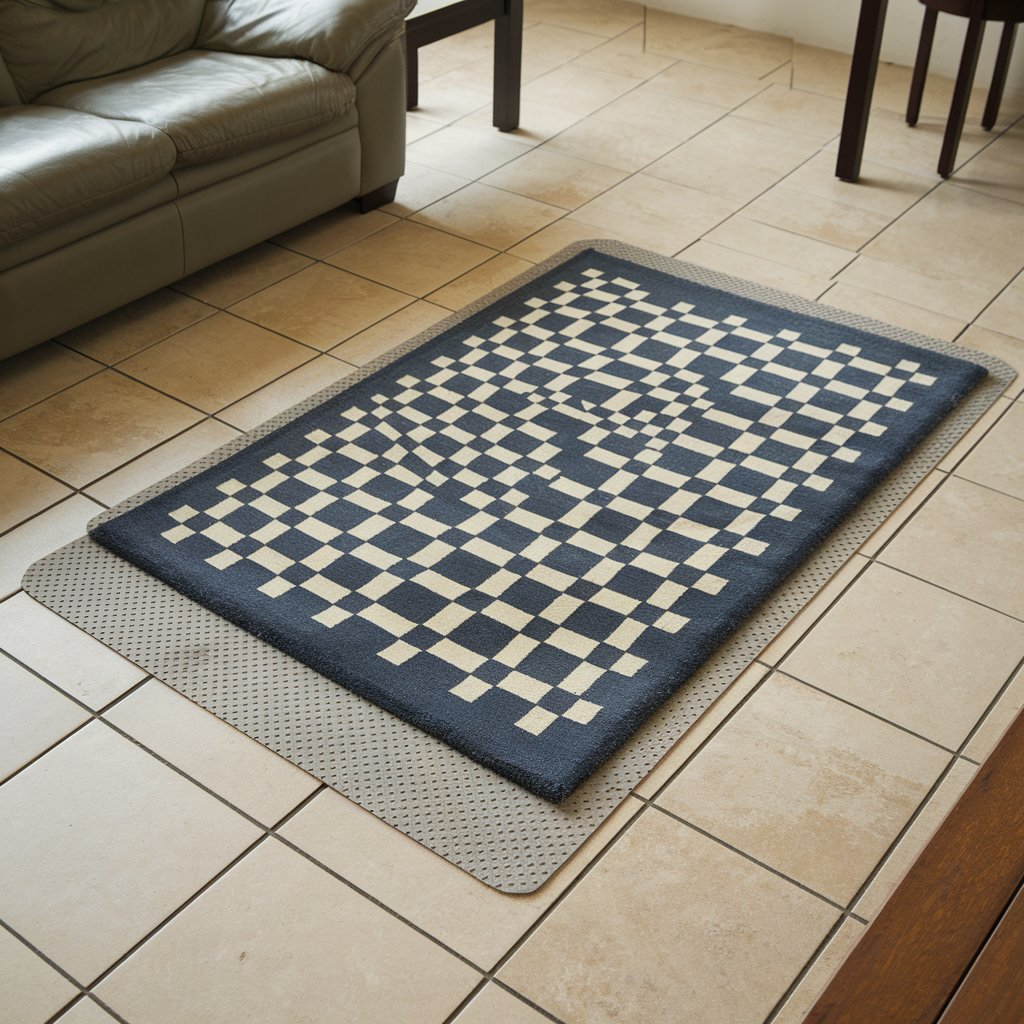
Are you tired of your kitchen mat slipping every time you step on it? A sliding mat can be more than just annoying—it can be dangerous.
You want a safe, steady spot to stand while cooking or washing dishes, but your mat keeps moving around. Luckily, you don’t have to live with this problem. You’ll discover simple, effective ways to keep your kitchen mat firmly in place.
Read on to learn easy tricks that will make your kitchen safer and more comfortable right away.
Credit: www.housedigest.com
Causes Of Kitchen Mat Slipping
Kitchen mats often slip and slide, causing frustration and safety risks. Understanding why mats move helps prevent accidents. Several factors cause mats to slip. These include the type of floor, the mat’s material and design, and wear and tear effects.
Floor Surface Types
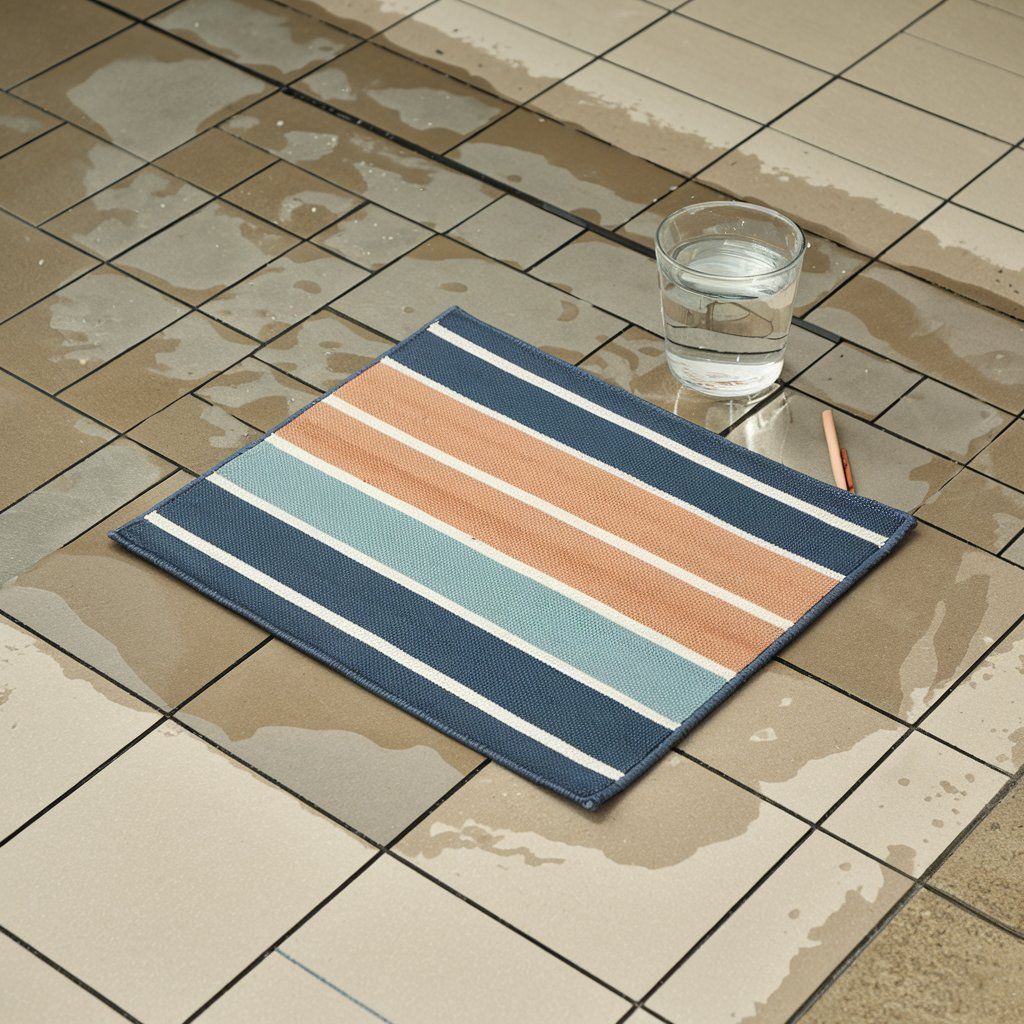
Different floors affect mat grip differently. Smooth surfaces like tile or hardwood offer less traction. Mats on these floors can easily slide. Textured floors, such as vinyl or carpet, provide better grip. Wet or oily floors reduce friction and cause mats to slip more.
Mat Material And Design
Mats made from slippery materials slide more. Thin mats or those without a backing tend to move easily. Some mats lack a non-slip bottom layer. Mats with rubber or textured backing hold better. Design also matters. Lightweight mats move more than heavy ones.
Wear And Tear Effects
Over time, mats lose their grip. Dirt and dust buildup reduce friction. Worn-out backing becomes smooth and slippery. Constant use breaks down mat fibers. Old mats are harder to keep in place. Regular cleaning and replacement help maintain grip.

Credit: www.tasteofhome.com
Non-slip Backing Options
Non-slip backing options are essential to keep your kitchen mat firmly in place. They prevent accidents caused by slipping mats and protect your floors from scratches. Choosing the right backing can make a big difference in comfort and safety while cooking or cleaning.
Rubberized Backings
Rubberized backings provide a natural grip on most floor surfaces. They work well on hardwood, tile, and vinyl floors by creating friction that stops your mat from sliding. I've noticed that mats with rubberized backs stay put even during heavy foot traffic, making them a reliable choice for busy kitchens.
These backings are usually easy to clean and maintain. However, they can sometimes attract dust and debris, which might reduce their grip over time. Regularly wiping the back with a damp cloth helps keep the rubber effective.
Silicone Pads
Silicone pads are small, sticky dots attached to the bottom of your mat. They offer excellent grip without damaging your floors or leaving residue behind. I use silicone pads on thinner mats, and they hold up well even on slippery surfaces like polished tiles.
They are typically invisible and don’t alter the look of your kitchen mat. Plus, silicone pads are durable and resist wear, so you won't have to replace them often. Have you tried silicone pads on your mats yet?
Adhesive Strips
Adhesive strips stick directly to your floor or the mat’s underside for a secure hold. They are a simple, affordable solution if your mat tends to slide frequently. When I applied adhesive strips under my kitchen mat, I noticed an immediate improvement in stability.
Make sure to choose strips designed for floor use to avoid damage. Some adhesive strips are removable, which is perfect if you need to reposition or clean your mat. Could this be the quick fix your slipping mat needs?
Diy Solutions To Prevent Sliding
Keeping your kitchen mat from sliding can make your cooking space safer and more comfortable. DIY solutions offer simple, cost-effective ways to secure your mat without buying special products. These quick fixes use items you likely have at home and can be done in minutes.
Using Double-sided Tape
Double-sided tape is a straightforward option to hold your kitchen mat in place. Cut small strips and stick them to the back corners of your mat. Press firmly onto the floor to create a strong grip that prevents slipping.
One tip is to choose a tape designed for carpets or rugs, as it tends to be more durable. If you’ve ever had a mat slide across a tile floor while cooking, this simple tape can stop that immediately. Do you have any tape lying around that could solve this problem right now?
Applying Hot Glue Dots
Hot glue dots add a tacky surface under your mat without damaging your floors. Place several dots evenly on the mat’s underside and press it down firmly. The glue grips well on smooth surfaces, reducing unwanted movement.
This method works well on hardwood or laminate floors where adhesive tape might leave residue. Just be cautious about removing the mat later—warm the glue with a hairdryer to peel it off easily. Have you tried using hot glue for household fixes before?
Velcro Strips Attachment
Velcro strips provide a reusable solution that combines strong hold with easy removal. Attach one side of the strip to the floor and the matching side to your mat’s bottom. Press the mat firmly to lock it in place.
This approach is perfect if you wash your mat regularly since you can separate the strips each time. It also avoids sticky residues and works on various floor types. Could Velcro strips be the flexible answer your kitchen needs?
Choosing The Right Mat
Choosing a kitchen mat with a non-slip backing helps prevent sliding on smooth floors. Look for mats made from rubber or those with grip strips to stay securely in place. Proper mat size also keeps edges from curling, reducing movement risks.
Choosing the right kitchen mat can significantly reduce the chances of it sliding around, creating a safer and more comfortable cooking environment. It's not just about aesthetics; the material, size, thickness, and design all play a crucial role in keeping your mat firmly in place. Let's dive into some practical considerations to ensure your kitchen mat stays put.
Material Recommendations
Selecting the right material is key to preventing your kitchen mat from sliding. Rubber and silicone mats are popular choices due to their natural grip on various floor types. These materials provide durability and are often resistant to water and stains, making them perfect for kitchen use. Consider memory foam mats if you seek comfort. Although they might not offer the same level of grip as rubber, they often come with non-slip backings to compensate. Always check the backing material; those with PVC or latex backing tend to adhere better to floors.
Size And Thickness Considerations
A well-sized mat is less likely to slide. Choose a mat that covers enough floor area without being oversized. A larger mat provides more friction against the floor, reducing movement. Thickness also matters. Thicker mats, such as those over 1/2 inch, tend to stay in place better because they are heavier. However, ensure the thickness does not become a tripping hazard. Balance comfort and practicality when selecting thickness.
Textured Bottoms
Textured bottoms can significantly enhance grip. Look for mats with a rough or patterned underside, which helps them stay anchored to the floor. These textures increase friction between the mat and the floor surface. Some mats come with suction cups or specialized grip patterns that enhance their non-slip capabilities. If you've ever struggled with mats moving around, investing in a mat with a textured bottom could be a game-changer. Have you ever walked into your kitchen and nearly slipped on a sliding mat? Choosing the right features can make all the difference. Make an informed choice, and enjoy a safer, more functional kitchen space.
Floor Preparation Tips
Preparing your kitchen floor properly is key to keeping your mat from sliding. A well-prepared surface provides the right grip and ensures your mat stays put, reducing the risk of slips. Let’s look at some essential steps you can take before placing your mat down.
Cleaning The Floor Surface
Start by thoroughly cleaning the floor where you want to place the mat. Dirt, grease, or food particles can create a slippery barrier, making the mat shift easily. Use a mild detergent and warm water to scrub the area, then rinse well to remove any cleaning residue.
Have you ever noticed how even a small crumb under a mat can cause it to move? This simple step can save you from that annoyance.
Ensuring Dryness
After cleaning, make sure the floor is completely dry before laying down your mat. Moisture trapped beneath can cause the mat to slide or develop mold. Use a dry towel or allow the floor to air dry thoroughly.
Think about the last time you stepped on a wet floor—slipping is almost inevitable. Keeping the floor dry is your first defense against that.
Avoiding Dust And Debris
Even after cleaning and drying, tiny dust particles can settle on the floor and reduce friction. Before placing your mat, quickly wipe the area with a microfiber cloth to remove any lingering dust. This small action can make a big difference in grip.
If you have pets or kids, dust and debris accumulate faster than you might expect. Regularly checking and wiping the floor will keep your mat secure day after day.
Additional Safety Measures
Keeping a kitchen mat from sliding improves safety and comfort. Simple tricks help secure mats firmly on slippery floors. These additional safety measures reduce risks of falls and accidents in busy kitchens.
Using Rug Grippers
Rug grippers add extra grip between the mat and the floor. They come as adhesive strips or pads. Apply them on the mat corners or edges. Rug grippers hold the mat in place without damaging floors. They work well on tile, wood, and laminate surfaces.
Placing Mats On Non-slip Pads
Non-slip pads create a strong barrier that stops movement. Slide the mat onto a pad slightly larger than the mat itself. These pads usually have rubber or foam layers. They prevent mats from shifting during kitchen activities. Non-slip pads are washable and reusable, making them practical and eco-friendly.
Regular Maintenance And Inspection
Check kitchen mats often for wear or damage. Worn mats lose their grip and become hazards. Clean mats and grippers regularly to keep their stickiness. Replace mats or pads showing signs of slipping. Routine care keeps mats stable and safe over time.
Credit: floorcoveringslocal.co.uk
Frequently Asked Questions
How Can I Stop My Kitchen Mat From Sliding?
Use a non-slip rug pad or double-sided tape under the mat. These create friction and keep the mat stable on smooth floors.
What Materials Prevent Kitchen Mats From Slipping?
Rubber-backed mats or those with non-skid coatings offer better grip. These materials reduce movement on tile or hardwood surfaces.
Are There Diy Ways To Keep Kitchen Mats In Place?
Yes, you can apply silicone caulk dots or use Velcro strips. Both methods create grip without damaging floors or mats.
Does Floor Type Affect Kitchen Mat Sliding?
Yes, smooth surfaces like tile or hardwood cause more slipping. Using anti-slip pads designed for your floor type helps secure the mat.
Conclusion
Keeping your kitchen mat from sliding is easier than you think. Use non-slip pads or double-sided tape for extra grip. Clean the floor and mat regularly to avoid slips. Choose mats with rubber backing for better hold. These small steps make your kitchen safer and more comfortable.
Stay careful and enjoy a slip-free cooking space every day. Simple actions can prevent accidents and give you peace of mind. Try these tips and keep your kitchen mat steady all the time.