
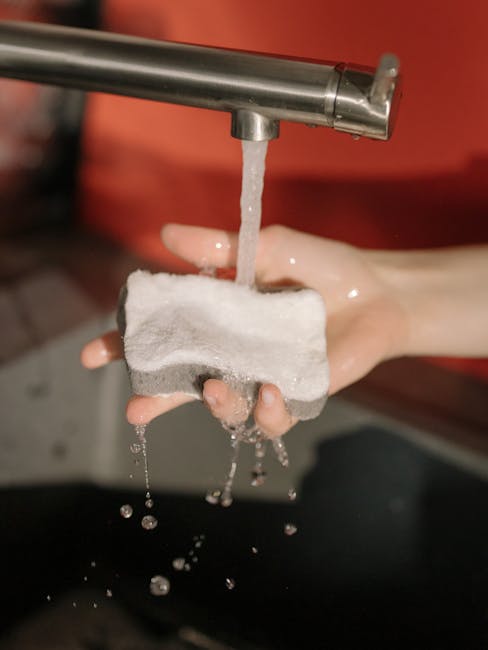
Your kitchen sponge works hard every day, scrubbing away grease and grime. But if it starts to smell bad, it can make your whole kitchen feel less fresh.
You might think a smelly sponge is just part of the deal, but it doesn’t have to be that way. Imagine reaching for a sponge that’s clean, fresh, and ready to use every time. You’ll discover simple, easy ways to keep your kitchen sponge from smelling, so your kitchen stays cleaner and more inviting.
Keep reading—you’ll wish you knew these tips sooner!
Credit: household-tips.thefuntimesguide.com
Causes Of Sponge Odor
The kitchen sponge often develops a bad smell due to several common causes. Understanding these causes helps prevent odor and keeps your sponge fresh longer.
Bacteria And Mold Growth
Bacteria multiply quickly on damp sponges. These tiny organisms feed on food particles. Mold also grows in moist, dark areas of the sponge. Both bacteria and mold produce unpleasant odors. They can also cause health issues if not controlled.
Moisture Retention
Sponges hold water after use. This wet environment encourages bacteria growth. The sponge’s porous surface traps moisture inside. Without proper drying, the sponge stays damp for hours or days. This leads to a sour, musty smell.
Food Residue Build-up
Food bits often stick to the sponge’s surface. These residues rot inside the sponge over time. This decay releases foul smells. It also provides more food for bacteria to grow. Cleaning the sponge thoroughly after each use helps reduce this problem.
Daily Sponge Care
Daily sponge care is key to keeping your kitchen sponge fresh and odor-free. Small habits make a big difference in preventing bad smells and bacteria buildup. Simple steps each day can extend your sponge's life and keep it clean.
Rinsing And Squeezing
Rinse your sponge thoroughly with hot water after every use. This removes food particles and soap residue. Squeeze out as much water as possible. A wet sponge holds bacteria and causes odors. Repeat rinsing and squeezing until the water runs clear.
Proper Drying Techniques
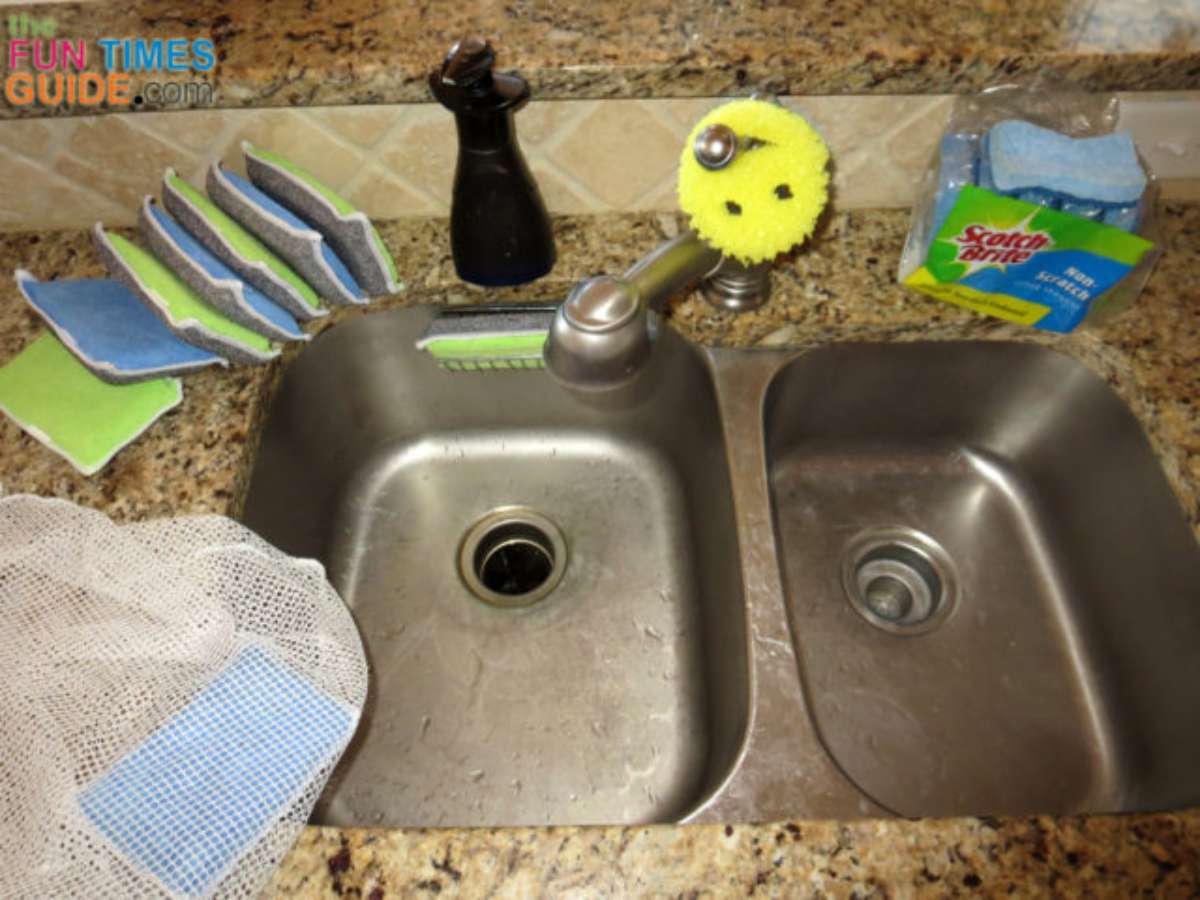
Dry your sponge well after rinsing. Air drying works best to stop bacteria growth. Place the sponge in a spot with good airflow. Avoid leaving it in the sink or on a wet surface. Using a sponge holder with drainage helps it dry faster.
Storing The Sponge Correctly
Store your sponge in a dry, clean place. Keep it away from standing water and moist areas. Avoid storing sponges in closed containers where moisture stays trapped. Use a holder that keeps the sponge upright and ventilated. This prevents mold and bad smells.
Effective Cleaning Methods
Regularly rinsing and wringing your kitchen sponge keeps it fresh and dry. Microwaving or soaking it in vinegar kills odors and bacteria quickly. Letting the sponge air out between uses prevents smells from building up.
Keeping your kitchen sponge smelling fresh is easier than you might think. The secret lies in effective cleaning methods that are simple, quick, and use everyday items. By understanding these methods, you can extend the life of your sponge while maintaining a hygienic kitchen environment.
Microwaving The Sponge
One of the fastest ways to sanitize your sponge is by microwaving it. Wet your sponge thoroughly, as a dry sponge could catch fire. Place it in the microwave for about one to two minutes. Be cautious when removing it, as it will be hot. This method not only kills bacteria but also revitalizes your sponge, reducing unpleasant odors. It's a trick many busy households rely on to keep things fresh.
Using Vinegar And Baking Soda
A combination of vinegar and baking soda can work wonders. Soak your sponge in a cup of vinegar for about five minutes. Afterward, sprinkle a generous amount of baking soda over the sponge. The fizzing reaction helps lift grime and odors. Rinse well, and your sponge will feel and smell much cleaner. This natural method is gentle on your sponge, prolonging its usability.
Dishwasher Cleaning
Did you know your dishwasher can clean more than just dishes? Simply place your sponge on the top rack of the dishwasher. Run it through a regular wash cycle with your dishes. The heat and detergent work together to sanitize the sponge effectively. This method is convenient, especially if you're already running a load. It's a hands-free way to ensure your sponge stays odor-free.

Credit: sqwishful.com
Natural Freshness Boosters
Natural freshness boosters help keep kitchen sponges clean and odor-free. These simple ingredients fight bacteria and neutralize bad smells. Using natural items is safe and eco-friendly. They also add a fresh scent to your sponge without harsh chemicals.
Lemon Juice Applications
Lemon juice is a natural cleaner and deodorizer. Its acidity kills many bacteria that cause smells. Squeeze fresh lemon juice onto your sponge and let it sit for 5 minutes. Rinse the sponge well with warm water afterwards. Repeat this process twice a week to keep odors away.
Essential Oils For Scent
Essential oils like tea tree, lavender, or eucalyptus provide a fresh scent. They also have antibacterial properties. Add 3-4 drops of essential oil to a cup of warm water. Soak your sponge in this mixture for 10 minutes. Rinse and squeeze out excess water before use.
Salt Scrubbing
Salt is a natural abrasive and deodorizer. It helps remove food particles and neutralizes odors. Sprinkle coarse salt onto your damp sponge. Rub the salt into the sponge gently for 1-2 minutes. Rinse thoroughly to remove salt and debris. Use this method weekly for best results.
When To Replace Your Sponge
Knowing when to replace your kitchen sponge is key to keeping your kitchen fresh and hygienic. A sponge that looks fine on the surface might still harbor bacteria and cause unpleasant odors. Paying attention to signs of wear and following replacement guidelines can save you from these issues.
Signs Of Wear And Tear
Check your sponge regularly for visible damage like tears, holes, or fraying edges. These worn-out areas trap food particles and bacteria, making your sponge a breeding ground for smells.
If your sponge feels slimy or has a persistent bad odor even after cleaning, it’s time to toss it. Don’t wait until it falls apart—early replacement keeps your kitchen environment healthier.
Frequency Recommendations
Replace your kitchen sponge every one to two weeks depending on usage. If you use it multiple times daily, aim for weekly changes to prevent bacterial buildup.
Consider how you clean your sponge too. Even with regular sanitizing, sponges degrade quickly. Ask yourself: Is your sponge still doing its job without causing a smell? If not, swap it out.
Eco-friendly Disposal Tips
Throwing away sponges adds to landfill waste, but there are greener ways to dispose of them. Some sponges are biodegradable—check the packaging before tossing.
You can also cut used sponges into small pieces and add them to compost if they’re natural fiber-based. Avoid putting synthetic sponges in compost as they don’t break down easily.
Think about switching to reusable alternatives like silicone sponges that last longer and reduce waste. How might this simple change impact your kitchen’s smell and your environmental footprint?
Credit: www.goodmorningamerica.com
Frequently Asked Questions
How Often Should I Replace A Kitchen Sponge?
Replace your kitchen sponge every 1-2 weeks. Frequent replacement prevents bacteria buildup and bad odors. Sponges can harbor harmful germs quickly, so regular changing ensures better hygiene and freshness in your kitchen.
What Is The Best Way To Clean A Smelly Sponge?
Microwave a damp sponge for 1-2 minutes to kill bacteria. Alternatively, soak it in a bleach or vinegar solution for 5 minutes. Both methods effectively remove odor-causing germs and keep your sponge fresh.
Can Drying A Sponge Prevent Bad Smells?
Yes, thoroughly drying a sponge after use stops bacteria growth. Store it in a well-ventilated area to air dry. Moist environments promote odors, so drying is essential for keeping your sponge smell-free.
Does Soaking Sponges In Vinegar Help Remove Odors?
Soaking sponges in vinegar neutralizes odors and kills bacteria. Vinegar’s acidic nature breaks down residue causing smells. Use a 50-50 vinegar and water mix for 5-10 minutes for best results.
Conclusion
Keeping your kitchen sponge fresh is simple with small daily habits. Rinse it well after each use to remove food bits. Let it dry fully to stop bacteria growth. Try soaking it in vinegar or microwaving it safely for quick cleaning.
Replace sponges regularly to avoid bad smells. Clean sponges mean a cleaner kitchen and healthier home. Small steps make a big difference in keeping your sponge smelling good. Stay consistent, and your kitchen will stay fresh and inviting.