
Your kitchen sponge is one of the most used tools in your home, but it can also be a hidden hotspot for germs. If you’re like most people, you probably don’t think twice about how clean your sponge really is.
What if I told you that keeping your sponge clean can protect your family’s health and make your kitchen tasks easier? You’ll discover simple, effective ways to keep your kitchen sponge fresh and safe. Ready to transform your cleaning routine and avoid harmful bacteria?
Let’s dive in.
Why Sponge Hygiene Matters
Keeping your kitchen sponge clean is more important than most people realize. A dirty sponge can quickly turn into a breeding ground for harmful bacteria, putting your health at risk. You might think your sponge is just a harmless tool, but the reality is quite different.
Health Risks Of Dirty Sponges
Dirty sponges can spread germs that cause food poisoning, stomach cramps, and other illnesses. When you use a sponge covered in bacteria to clean your dishes or countertops, you are spreading those germs around your kitchen.
Some bacteria can survive even after rinsing the sponge with water. This means that your efforts to clean might actually be making things worse. Are you willing to risk your family’s health by using a contaminated sponge?
Common Germs Found In Sponges
Kitchen sponges often harbor bacteria like E. coli, Salmonella, and Staphylococcus. These germs thrive in the moist and warm environment of a sponge.
Studies have shown that sponges can contain more germs than a toilet seat. That’s a shocking fact to think about next time you grab your sponge to wipe the counter. Knowing what germs lurk in your sponge can motivate you to clean it regularly and properly.
Daily Sponge Care
Daily sponge care helps keep your kitchen clean and safe. A clean sponge stops germs from spreading. Small habits can make a big difference. Follow simple steps every day to keep your sponge fresh. These practices will extend its life and improve kitchen hygiene.
Rinsing And Squeezing Properly
Rinse your sponge with hot water after each use. Remove all food scraps and soap suds. Squeeze the sponge firmly to push out excess water. Avoid twisting or tearing it. A damp sponge holds bacteria, so less moisture is better. Repeat rinsing and squeezing until water runs clear.
Air Drying Techniques
Place the sponge where it can dry quickly. Use a sponge holder with good airflow or a rack. Avoid leaving it in the sink or a wet surface. Change the drying spot often to prevent mold. Air drying helps stop bacteria growth. Let it dry completely before using again.
Effective Cleaning Methods
Keeping your kitchen sponge clean is vital for a healthy kitchen. Sponges collect germs and bacteria fast. Regular cleaning stops bad smells and reduces illness risks. Several easy methods help sanitize your sponge effectively. These techniques fit different schedules and needs. Choose one that works best for you.
Microwave Sanitizing
Microwaving kills many bacteria in sponges quickly. First, soak the sponge in water. Make sure it is fully wet to avoid fires. Place the wet sponge in the microwave. Heat on high for about one to two minutes. Let the sponge cool before removing it. This method is fast and uses no chemicals.
Dishwasher Cleaning
Running your sponge through the dishwasher cleans it well. Place the sponge on the top rack. Use a hot water cycle with a drying phase. The heat and detergent kill most germs. This method is simple for those who use a dishwasher daily. It also helps keep the sponge dry.
Bleach Soak Approach
Bleach kills germs deeply and quickly. Mix one tablespoon of bleach in one quart of water. Soak the sponge in the solution for five minutes. Rinse the sponge thoroughly with clean water after soaking. This method is strong and effective. Use bleach carefully and store it safely away from children.
Natural Alternatives To Chemicals
Keeping your kitchen sponge clean without relying on harsh chemicals is easier than you might think. Natural alternatives offer effective ways to disinfect and refresh your sponge while being safe for your family and the environment. These simple household items can help you maintain a germ-free kitchen tool with less effort.
Vinegar And Baking Soda
Vinegar and baking soda are a powerful duo for cleaning your sponge naturally. Soak your sponge in a mixture of equal parts white vinegar and water for about 5 minutes. Then, sprinkle baking soda over the sponge and scrub gently to remove odors and bacteria.
This combo not only disinfects but also neutralizes unpleasant smells. I once used this method after a week of heavy cooking, and my sponge smelled fresh again without any chemical residue. Could your sponge benefit from this easy refresh?
Lemon Juice Benefits
Lemon juice is another natural cleaner packed with antibacterial properties. Simply squeeze fresh lemon juice onto your damp sponge and let it sit for 10 minutes before rinsing thoroughly. The acidity helps break down grease and kills many types of germs.
Besides cleaning, lemon juice leaves a bright, fresh scent that makes your kitchen feel cleaner. I like using lemon juice especially in summer when sponges tend to develop strong odors fast. Have you tried lemon juice to keep your sponge smelling fresh?
When To Replace Your Sponge
Knowing when to replace your kitchen sponge is key to keeping your kitchen clean and safe. A sponge may look fine on the surface but could be harboring harmful bacteria. Paying attention to its condition helps you avoid health risks and keeps your cleaning effective.
Signs Of Wear And Tear
Look closely at your sponge for visible damage. If you notice holes, tears, or the sponge starting to fall apart, it’s time for a new one.
Another sign is if the sponge smells bad even after cleaning. This usually means bacteria have built up inside, and no amount of rinsing will fix it.
Also, if your sponge feels slimy or overly soft, it’s losing its ability to clean properly. Don’t wait for it to break completely before replacing it.
Recommended Replacement Frequency
How often should you replace your kitchen sponge? Most experts suggest changing it every one to two weeks.
If you use it heavily or clean raw meat juices, replacing it weekly is safer. For lighter use, two weeks might be enough.
Keep in mind that sponges used in a busy household or for tougher jobs wear out faster. Setting a reminder on your phone can help you stay on track.

Credit: sqwishful.com
Choosing The Right Sponge
Choosing a sponge made from quick-drying material helps reduce bacteria growth. Picking a size that fits your cleaning tasks makes kitchen care easier. Select a sponge that is easy to rinse and keep fresh.
Choosing the Right Sponge When it comes to maintaining a clean kitchen, choosing the right sponge can make all the difference. Your kitchen sponge is more than just a tool; it's your first line of defense against germs and grime. But with so many options available, how do you decide which sponge is best for your needs?
Material Options
The material of your sponge can affect not only its cleaning effectiveness but also how hygienic it remains. - Cellulose sponges are made from wood fibers and are highly absorbent, making them ideal for heavy-duty cleaning. However, they tend to hold on to bacteria if not cleaned regularly. - Foam sponges are light and quick-drying, helping to prevent bacteria build-up. They're perfect for everyday cleaning tasks, especially when you're in a hurry. - Silicone sponges are non-porous and easy to sanitize, reducing the risk of harboring germs. These are great for those who prioritize hygiene over absorbency. Have you considered the environmental impact of your sponge choice? Opting for biodegradable materials can be a simple step towards a greener kitchen.
Antimicrobial Sponges
Antimicrobial sponges have become increasingly popular for their germ-fighting properties. These sponges are treated with agents that help inhibit bacterial growth, keeping your sponge fresher for longer. - While they can be more expensive, antimicrobial sponges may save you money in the long run by lasting longer and reducing the need for frequent replacements. - Despite their benefits, it’s crucial to remember that no sponge is invincible. Regular cleaning and proper storage are still necessary to ensure its longevity and effectiveness. Have you ever thought about how often you replace your sponge? Switching to an antimicrobial option might just be the game-changer you need to improve your kitchen hygiene. Incorporating these considerations into your sponge selection can transform how you tackle kitchen cleanliness. Whether you prioritize material, antimicrobial properties, or environmental impact, choosing the right sponge can lead to a cleaner, healthier kitchen environment.
Additional Tips For Germ-free Kitchen
Keeping your kitchen sponge clean goes beyond just rinsing it after use. You need smart habits that stop germs from building up in the first place. These extra tips will help you maintain a truly germ-free kitchen environment.
Storing Sponges Safely
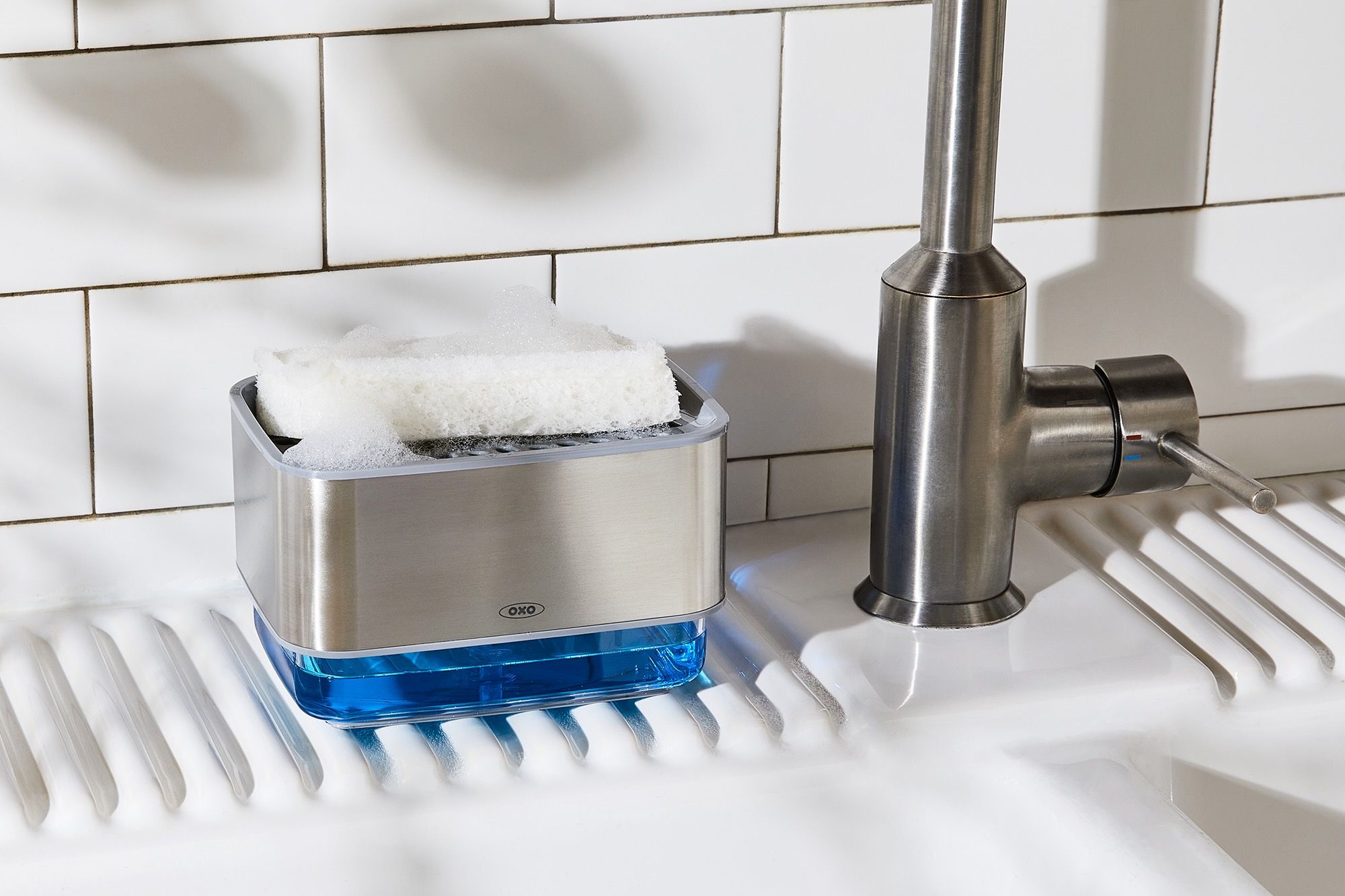
Where you keep your sponge matters a lot. Avoid leaving it in a damp sink or on a flat surface where water can pool. Instead, store your sponge somewhere it can dry quickly, like on a sponge holder with drainage holes or a wire rack.
Drying out your sponge between uses slows down bacterial growth. Have you noticed how a soggy sponge smells bad faster? That’s a clear sign germs are multiplying.
Using Separate Sponges For Different Tasks
Using one sponge for everything might seem easier, but it spreads germs around your kitchen. Keep different sponges for washing dishes, wiping counters, and cleaning the sink. Label them or use color-coded sponges to avoid confusion.
This simple habit stops cross-contamination. Imagine wiping your cutting board after handling raw meat with the same sponge you use for your dishes—would you want to risk it?
Credit: www.discovermagazine.com

Credit: www.youtube.com
Frequently Asked Questions
How Often Should I Clean My Kitchen Sponge?
You should clean your kitchen sponge daily to prevent bacteria buildup. Regular cleaning helps maintain hygiene and extends sponge life.
What Is The Best Method To Sanitize A Kitchen Sponge?
Microwaving a damp sponge for 1-2 minutes effectively kills most bacteria. Alternatively, soak it in a bleach solution for 5 minutes.
Can I Use Vinegar To Clean My Kitchen Sponge?
Yes, soaking your sponge in vinegar for 5-10 minutes helps disinfect and remove odors naturally. Vinegar is a safe and eco-friendly cleaner.
How Do I Know When To Replace My Kitchen Sponge?
Replace your sponge every 1-2 weeks or when it smells bad or falls apart. Frequent replacement prevents spreading germs in your kitchen.
Conclusion
Keeping your kitchen sponge clean helps stop germs and bad smells. Clean it often by rinsing and drying after use. Replace sponges regularly to keep your kitchen safe. Simple steps protect your health and make cleaning easier. A clean sponge means a cleaner kitchen every day.
Small habits make a big difference in kitchen hygiene. Take care of your sponge to keep your home fresh.