
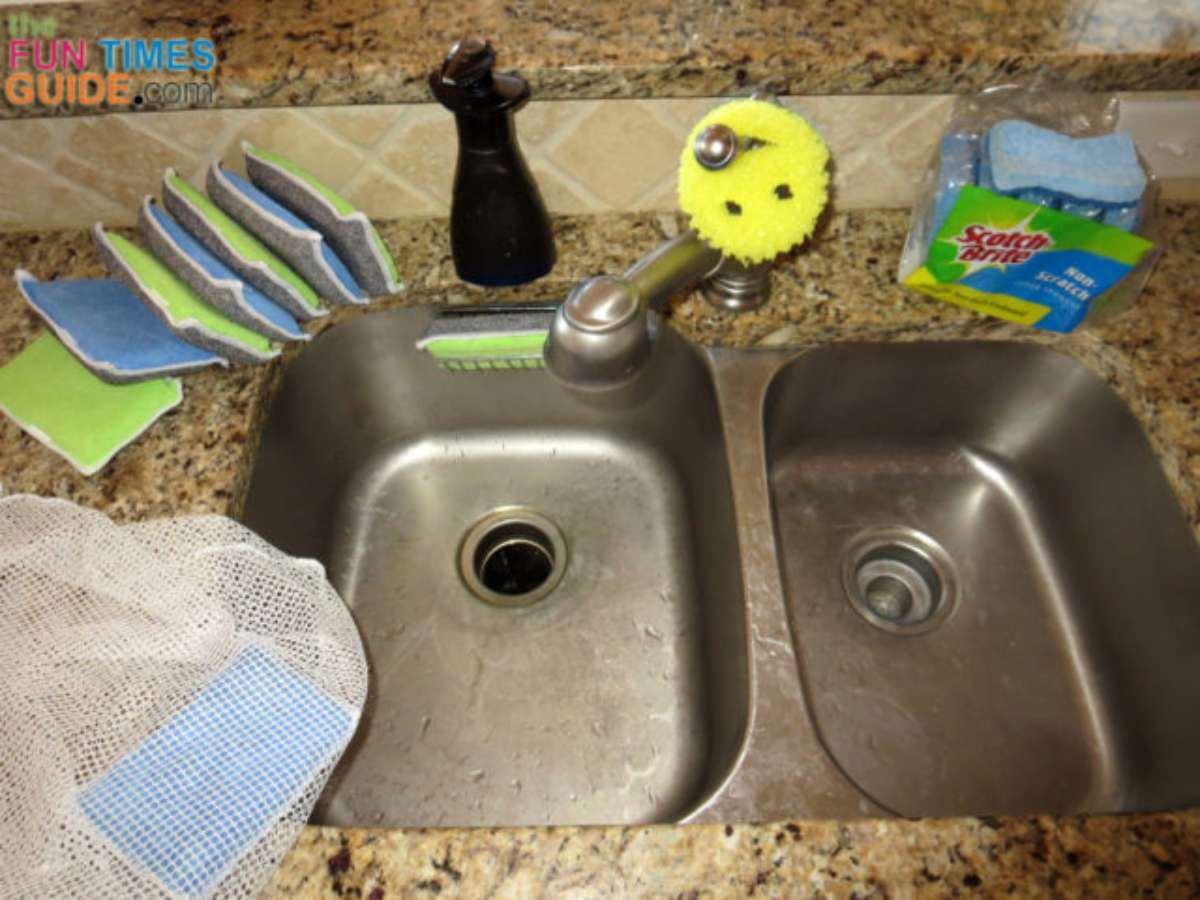
Is your kitchen sponge starting to smell bad no matter how often you use it? You’re not alone.
That unpleasant odor can make even the cleanest kitchen feel less fresh. But don’t worry—there are simple steps you can take to stop your sponge from smelling and keep it fresh for longer. You’ll discover easy, effective tips that anyone can follow to make your kitchen sponge smell clean again.
Keep reading to find out how to say goodbye to those stubborn smells for good!
:max_bytes(150000):strip_icc()/GettyImages-1425295065-f406affe0c904d83a5b948f2d8b2ebff.jpg)
Credit: www.realsimple.com
Causes Of Sponge Odor
Understanding why your kitchen sponge starts to smell is key to stopping the odor before it becomes a problem. Several factors work together to create that unpleasant smell. Let’s break down the main causes so you can tackle each one effectively.
Bacteria And Mold Growth
Spores from bacteria and mold find your sponge a perfect home. Warmth, dampness, and food particles create an ideal environment for them to multiply quickly. Have you noticed how your sponge smells worse the longer you leave it wet? That’s bacteria and mold doing their work.
Moisture Retention
Sponges hold onto water even after you think they’re dry. This trapped moisture is a magnet for germs. If you don’t squeeze out the sponge well or let it air dry properly, it stays wet long enough to develop a bad odor.
Food Residue Build-up
Bits of leftover food hide inside the sponge’s tiny holes. These residues break down and rot, causing that unmistakable stink. You might rinse your sponge quickly, but if food scraps remain, they’ll keep feeding bacteria and mold.
Credit: www.familyhandyman.com
Daily Sponge Care
Daily care for your kitchen sponge stops bad smells and keeps it fresh. Small habits make a big difference in sponge hygiene. Clean and dry sponges last longer and work better.
Rinsing And Squeezing
Rinse your sponge well after every use. Use hot water to wash away food and soap residues. Squeeze the sponge hard to remove as much water as possible. Wet sponges hold bacteria and cause odors. Repeat rinsing and squeezing until the water runs clear. This simple step lowers germs and stops smells.
Proper Drying Techniques
Dry your sponge fully after rinsing. Place it in an open area with good air flow. Avoid storing sponges in closed containers or sinks. These spots keep moisture and create a smell. Hang the sponge or use a sponge holder. Let it dry between uses to keep it fresh and clean.
Effective Cleaning Methods
Keeping your kitchen sponge fresh stops bad smells and germs. Regular cleaning helps your sponge last longer. Use simple, effective ways to clean it well. These cleaning methods kill bacteria and remove odors fast.
Microwave Sanitizing
Wet the sponge completely before microwaving. Place it in the microwave for about one to two minutes. This heat kills most bacteria inside the sponge. Be careful when removing it; the sponge will be hot. Let it cool down before using again.
Dishwasher Cleaning
Put your sponge in the dishwasher’s top rack. Run a full cycle with hot water and detergent. The heat and soap clean the sponge deeply. This method is easy and saves time. Make sure the sponge is dishwasher safe before cleaning.
Soaking In Vinegar Or Bleach
Fill a bowl with white vinegar or diluted bleach. Soak the sponge for five to ten minutes. Vinegar removes odors naturally. Bleach kills strong bacteria and mold. Rinse the sponge well after soaking. Use this method once a week to keep smells away.
Natural Deodorizing Tips
Keeping your kitchen sponge fresh is easier with natural deodorizing tips. These methods help remove odors without using chemicals. Let's explore two effective techniques.
Using Baking Soda
Baking soda is a natural odor absorber. To use it, follow these steps:
- Sprinkle a teaspoon of baking soda on a damp sponge.
- Squeeze the sponge several times to work the baking soda in.
- Rinse the sponge thoroughly with warm water.
- Let it air dry in a well-ventilated area.
This simple process helps neutralize odors efficiently.
Lemon Juice Freshening
Lemon juice offers a refreshing scent and cleans naturally. Here's how to use it:
- Squeeze half a lemon over the sponge.
- Rub the sponge to distribute the juice evenly.
- Allow the sponge to sit for 10 minutes.
- Rinse with cold water and let it dry.
The citric acid in lemons helps eliminate bad smells.
When To Replace Your Sponge
Knowing when to replace your kitchen sponge helps keep your kitchen clean and fresh. Sponges absorb water and food particles, which can cause bad smells. Over time, they can become a home for bacteria. Replacing your sponge at the right time prevents odors and keeps your dishes safe.
Signs Of Wear And Tear
Look for visible damage on your sponge. Torn edges or holes mean it is time to replace it. A sponge that feels slimy or breaks apart easily is no longer effective. Foul odors that don’t go away after cleaning also signal it’s time to get a new sponge.
Recommended Replacement Frequency
Change your kitchen sponge regularly to avoid germs. Most experts suggest replacing sponges every one to two weeks. If you use the sponge heavily or for raw meat cleanup, replace it more often. Keeping a fresh sponge helps control bad smells and keeps your kitchen hygienic.
Alternative Cleaning Tools
Using alternative cleaning tools can dramatically reduce the unpleasant smell that kitchen sponges often develop. These tools are not only easier to clean but also dry faster, preventing bacteria buildup. Trying out different materials might change how you feel about dishwashing and kitchen hygiene.
Silicone Scrubbers
Silicone scrubbers resist odors much better than traditional sponges. Their non-porous surface doesn’t trap food particles, making them easier to rinse clean. I switched to a silicone scrubber last year, and I noticed my kitchen stays fresher because it dries quickly and never smells.
These scrubbers are also durable. You can boil or microwave them to kill germs without ruining their texture. Plus, they come in various shapes and sizes, so you can find one that fits your cleaning style perfectly.
Reusable Cloths
Reusable cloths like microfiber or cotton towels offer a great alternative to sponges. They dry faster than sponges and can be washed regularly in the laundry machine. I started using reusable cloths for wiping counters and washing dishes, and the difference in smell was immediate.
To keep them fresh, hang them up after use and switch to a clean one every day. You can also soak them in vinegar or baking soda solutions occasionally to refresh their scent. Have you thought about how much cleaner your kitchen could be by simply changing the tools you use?
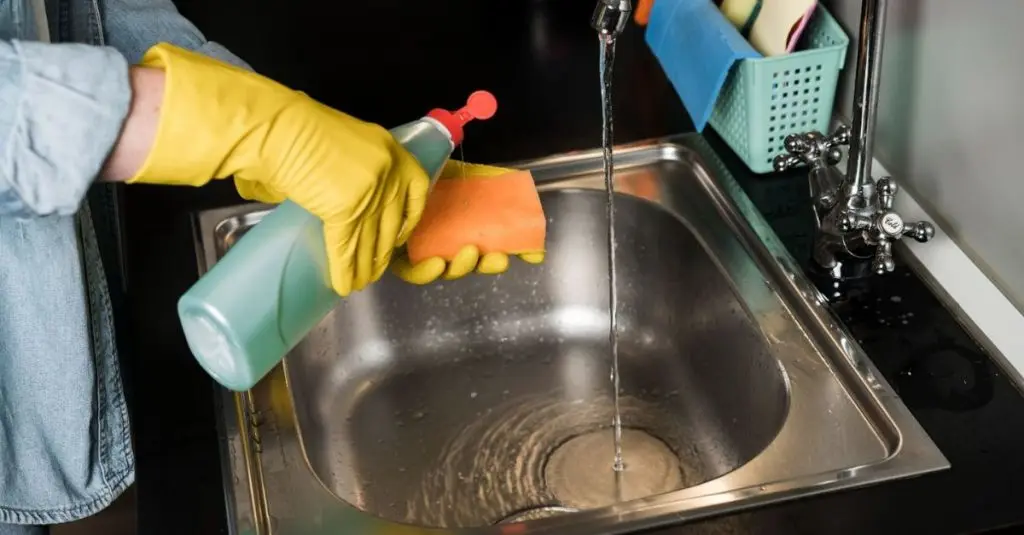
Credit: www.vevor.com
Frequently Asked Questions
How Often Should I Clean My Kitchen Sponge?
Clean your kitchen sponge daily to prevent odor. Rinse it thoroughly and wring out excess water. Disinfect weekly by microwaving or soaking in bleach solution.
What Causes Kitchen Sponges To Smell Bad?
Kitchen sponges smell due to bacteria and food residue buildup. Moist environments encourage bacterial growth, leading to unpleasant odors and potential health risks.
Can I Use Vinegar To Deodorize A Sponge?
Yes, soaking your sponge in vinegar for 5 minutes kills odor-causing bacteria. Vinegar is a natural, safe, and effective deodorizer for kitchen sponges.
Is Microwaving A Sponge Safe And Effective?
Microwaving a damp sponge for 1-2 minutes kills most bacteria and removes odors. Ensure the sponge is wet to avoid fire hazards and follow safety guidelines.
Conclusion
Keeping your kitchen sponge fresh is easy with simple habits. Rinse it well after each use. Squeeze out all water to stop bacteria growth. Store the sponge in a dry place. Clean it often by microwaving or soaking in vinegar.
Replace your sponge regularly to avoid bad smells. These small steps help your kitchen stay clean and safe. A fresh sponge means fewer germs and better hygiene. Try these tips today for a pleasant-smelling kitchen sponge.