

Are you tired of throwing away your kitchen scraps and watching them go to waste? What if you could turn those everyday leftovers into rich, nourishing compost for your garden?
Making compost from kitchen scraps is easier than you think, and it’s a smart way to reduce waste while boosting your plants’ health. You’ll discover simple steps to transform your food waste into black gold that will make your garden thrive.
Ready to unlock the secret to greener living right from your kitchen? Keep reading to find out how!

Credit: www.youtube.com
Benefits Of Kitchen Composting
Kitchen composting offers many benefits for the environment and your home. It reduces waste and turns scraps into valuable soil. This process saves money and supports plant growth naturally. Composting is simple and fits easily into daily routines.
Reduces Household Waste
Composting kitchen scraps cuts down the amount of trash you throw away. Less waste means fewer trips to the landfill. This helps reduce pollution and odors from garbage.
Enriches Soil Naturally
Compost adds nutrients to your garden soil. It improves soil texture and helps plants grow strong. Healthy soil holds water better and reduces the need for chemical fertilizers.
Saves Money
Making compost from kitchen scraps lowers the cost of buying soil and fertilizers. It also reduces garbage disposal fees. This saves money over time while helping the environment.
Supports Plant Growth
Compost provides essential nutrients to plants. It encourages root development and improves plant health. Strong plants produce more flowers and fruits.
Reduces Greenhouse Gas Emissions
Composting prevents food waste from creating methane in landfills. Methane is a harmful greenhouse gas. Composting helps reduce your carbon footprint and fight climate change.
Choosing The Right Compost Bin
Choosing the right compost bin is key to successful composting. The bin holds all your kitchen scraps and helps them break down efficiently. Picking a suitable bin depends on your space, budget, and how much waste you generate. A good bin keeps pests away and allows air to flow, speeding up decomposition.
Types Of Compost Bins
- Plastic Bins:Lightweight, affordable, and often come with lids to keep pests out.
- Wire Bins:Made of mesh or wire, these bins allow good air circulation but may need a cover.
- Wooden Bins:Durable and natural-looking. They provide good insulation but may need more space.
- Tumbler Bins:These rotate to mix compost easily, speeding up the process.
- Indoor Bins:Small and designed to fit in kitchens, often with charcoal filters to reduce odor.
Ideal Bin Placement
- Place the bin in a shady spot to prevent overheating.
- Choose a flat, well-drained area to avoid waterlogging.
- Keep the bin close to the kitchen for easy scrap disposal.
- Ensure good air circulation around the bin for faster composting.
- Avoid placing the bin near your home’s foundation or wooden structures.
Preparing Kitchen Scraps
Preparing kitchen scraps properly is key to making compost that’s rich and healthy for your garden. You want to create the right balance of materials so your compost breaks down quickly without attracting pests or causing bad smells. Handling your scraps with care sets the stage for a successful compost pile that works efficiently.
What To Compost
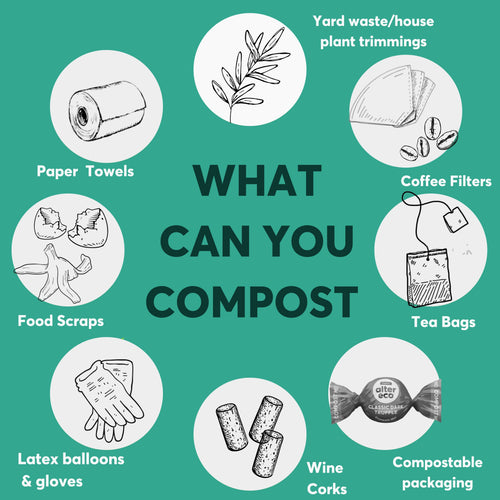
Start by collecting scraps that break down easily and add nutrients to your compost. Fruit and vegetable peels, coffee grounds, and eggshells are excellent choices. These materials are rich in nitrogen, which helps speed up decomposition.
Don’t forget about small amounts of bread, grains, and even shredded newspaper or paper towels. These add carbon, balancing the nitrogen-heavy scraps. You can also add tea bags and leftover herbs, but make sure they don’t contain synthetic materials.
What To Avoid
Not all kitchen scraps belong in your compost bin. Avoid meat, dairy, and oily foods as they attract pests and cause unpleasant odors. These items can also slow down the composting process.
Be cautious with citrus peels and onions—they can be composted in small amounts but may slow decomposition if added excessively. Also, never compost diseased plants or weeds with seeds, as these can spread problems in your garden.
Have you ever wondered why your compost smells bad or attracts flies? It often comes down to including these unwanted scraps. Keeping your compost clean means less hassle and better soil later on.
Building Your Compost Pile
Collect kitchen scraps like vegetable peels and coffee grounds to start your compost pile. Layer these materials with dry leaves or paper to balance moisture and air. Turn the pile regularly to help speed up decomposition and create rich compost.
Building your compost pile is an exciting and rewarding process that transforms your kitchen scraps into nutrient-rich soil. It's like creating a living ecosystem right in your backyard. The key is to balance the right ingredients and provide the perfect conditions for decomposition. Let's dive into how you can layer greens and browns and maintain moisture for a thriving compost pile.
Layering Greens And Browns
Think of your compost pile as a lasagna. You need the right mix of ingredients to achieve the perfect balance. Start by layering greens and browns. Greens are your kitchen scraps such as fruit and vegetable peels, coffee grounds, and tea bags. These provide nitrogen, which is crucial for composting. Browns, on the other hand, are materials like dried leaves, twigs, and shredded newspaper. They are rich in carbon, which helps balance the moisture and aeration in your pile. Alternate layers of greens and browns to create a balanced mix. Aim for a ratio of two parts browns to one part greens.
Maintaining Moisture
Moisture is the secret sauce of successful composting. Too much water can drown your pile, while too little can stall the decomposition process. You want your compost to feel like a damp sponge. Check the moisture level regularly by squeezing a handful of compost. If water drips out, it’s too wet; if it falls apart, it's too dry. Keep your pile covered during heavy rains and add water during dry spells. Consider how seasons affect your pile. In the summer, it might dry out faster, while in winter, it may retain more moisture. Adjust accordingly to maintain the optimal environment for your compost.
Compost Maintenance Tips
Maintaining your compost pile is key to turning kitchen scraps into rich soil. Proper care helps break down materials faster and prevents problems. Simple actions keep your compost healthy and active.
Turning The Pile
Turning the compost pile mixes air into the materials. It helps bacteria and other organisms break down scraps better. Use a garden fork or shovel to turn the pile every few days. This keeps the pile from getting compacted and smelly.
Managing Odors
Compost should smell earthy, not bad or sour. If it smells strong, it may be too wet or lack air. Add dry materials like shredded paper or dry leaves to absorb moisture. Turn the pile often to increase airflow and reduce smells.
Speeding Up Decomposition
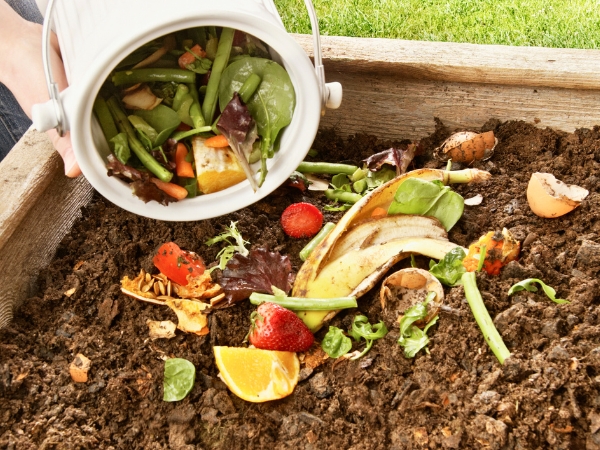
Faster compost means quicker nutrient-rich soil for your garden. Chop kitchen scraps into small pieces before adding them. Keep a balance of green (wet) and brown (dry) materials. Keep the pile moist, like a wrung-out sponge, and turn it regularly to help microbes work faster.
Credit: canadale.ca
Harvesting And Using Compost
Harvesting and using compost is the final rewarding stage in your composting journey. Knowing when your compost is ready and how to apply it will help your garden thrive. Proper use of compost enriches soil, improves plant growth, and reduces waste.
Signs Compost Is Ready
Finished compost looks dark brown or black, like rich soil. It feels crumbly and moist but not wet. The original kitchen scraps are no longer visible. Compost smells earthy and fresh, without any bad odors. It is cool to the touch, showing the decomposition process is complete.
Applying Compost In Your Garden
Spread a layer of compost over garden beds to improve soil. Mix it into the top few inches of soil to boost nutrients. Use compost around trees and shrubs as a natural mulch. Add compost to potting soil for healthier indoor plants. Compost helps retain moisture and supports beneficial soil life.
Troubleshooting Common Issues
Making compost from kitchen scraps is rewarding, but it can come with a few hiccups. Troubleshooting these common issues helps you keep your compost healthy and effective. Let's look at some practical ways to fix problems you might face.
Pests And How To Control Them
Pests like fruit flies, rodents, and ants can invade your compost bin if you're not careful. They are usually attracted to food scraps that are exposed or too wet.
To keep pests away, always cover your kitchen scraps with a layer of dry leaves, shredded newspaper, or cardboard. This acts like a natural barrier and reduces odors that attract unwanted visitors.
Seal your compost bin tightly and avoid adding meat, dairy, or oily foods, which are magnets for pests. If fruit flies appear, try adding a handful of garden soil or finished compost to balance moisture and discourage them.
Have you noticed small critters sneaking into your compost? Sometimes, adjusting what you add and how you cover it makes all the difference.
Dealing With Slow Composting
Is your compost taking forever to break down? Slow composting often happens due to lack of oxygen, moisture imbalance, or incorrect mix of materials.
Turn your compost regularly to introduce air, which speeds up decomposition. If it feels dry, sprinkle water, but avoid soaking it—moist like a wrung-out sponge is ideal.
Check the balance of green (nitrogen-rich) and brown (carbon-rich) materials. Too many browns like dry leaves can slow things down; add more green scraps like vegetable peels or coffee grounds.
Patience is key, but tweaking these factors can speed up the process. What small change could you make today to jump-start your compost?
Credit: www.alterecofoods.com
Frequently Asked Questions
What Kitchen Scraps Can I Use For Composting?
You can compost fruit peels, vegetable scraps, coffee grounds, eggshells, and tea bags. Avoid meat, dairy, and oily foods as they attract pests and slow decomposition.
How Long Does Kitchen Scrap Composting Take?
Composting kitchen scraps typically takes 2 to 6 months. Time depends on factors like temperature, moisture, and how often you turn the pile.
How Do I Prevent Odors In Kitchen Scrap Compost?
To avoid odors, balance green scraps with brown materials like dry leaves or paper. Turn the compost regularly to improve airflow and speed up decomposition.
Can I Compost Citrus Peels And Onion Skins?
Yes, you can compost citrus peels and onion skins in moderation. Large amounts may slow composting due to acidity, so mix them well with other scraps.
Conclusion
Composting kitchen scraps helps reduce waste and enrich soil. It saves money and supports healthy plants. Just keep scraps balanced with dry and wet materials. Turn the compost often to speed up decay. Watch for signs of readiness like dark, crumbly texture.
Start small and learn as you go. Composting becomes easier and more rewarding over time. Try it today and see the benefits in your garden. Simple steps lead to big changes for your environment.