

Keeping your kitchen spotless can feel like a never-ending task. But what if you could make a powerful cleaner right at home using just a few simple ingredients?
If you want a solution that cuts through grease, kills germs, and leaves your kitchen shining, bleach is your secret weapon. In this guide, you’ll learn how to make an effective kitchen cleaner with bleach that’s easy to prepare and safe when used correctly.
Ready to transform your cleaning routine and enjoy a fresher, healthier kitchen? Let’s dive in!
Benefits Of Bleach In Kitchen Cleaning
Using bleach in your kitchen cleaner offers distinct advantages that can make your cleaning routine more effective. It’s a powerful ingredient that not only cleans but also ensures your kitchen stays hygienic and safe. Understanding these benefits can help you decide why bleach might be the right choice for your cleaning needs.
Kills Germs And Bacteria
Bleach is excellent at eliminating a wide range of germs and bacteria. It destroys harmful microorganisms on surfaces, reducing the risk of foodborne illnesses. You might be surprised how many invisible threats bleach can wipe away, making your kitchen a safer place for your family.
Removes Tough Stains
Stubborn stains from food spills or discoloration don’t stand a chance against bleach. It breaks down stains quickly, restoring the original look of your countertops, sinks, and tiles. If you’ve ever struggled with yellowed cutting boards or grimy grout, bleach can save you a lot of scrubbing time.
Disinfects Surfaces
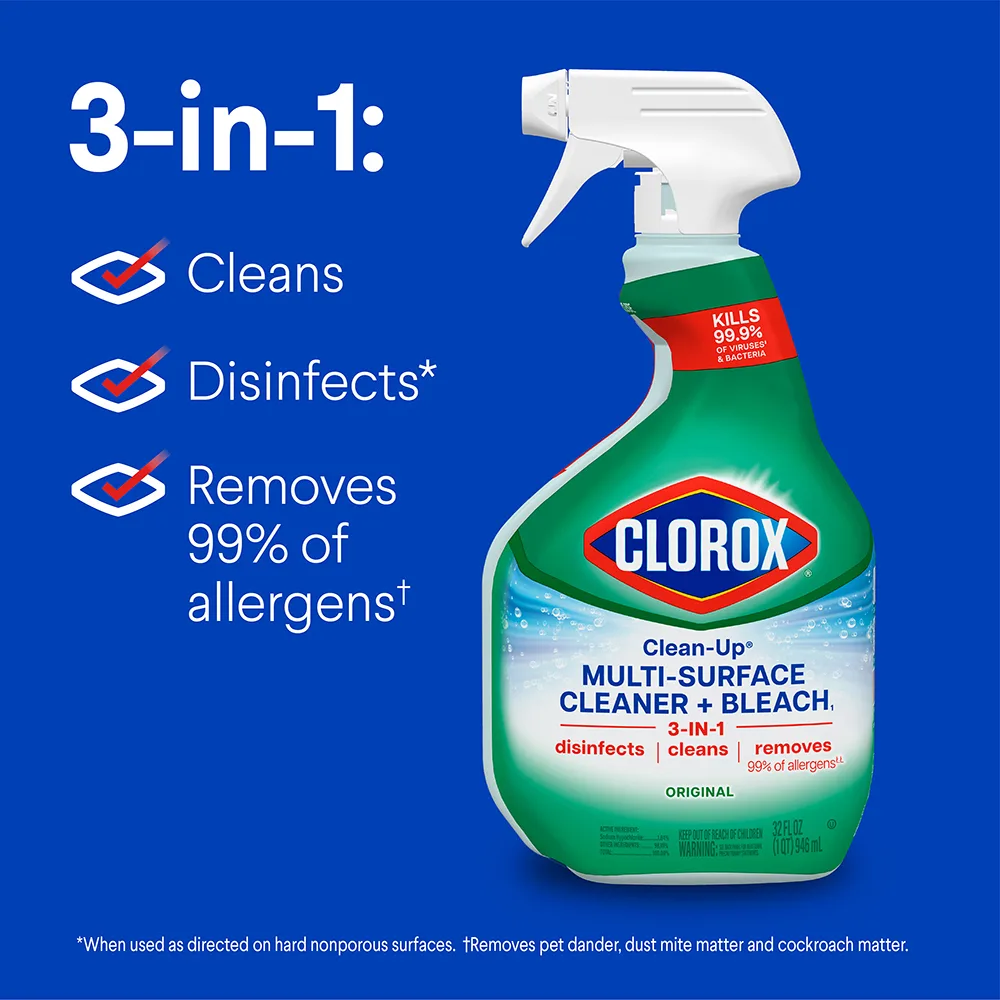
Besides cleaning, bleach disinfects surfaces to prevent the spread of bacteria and viruses. It’s especially useful in areas like the sink, cutting boards, and refrigerator shelves where germs accumulate. Using bleach regularly in your kitchen can help maintain a hygienic environment, keeping your food preparation areas safe and clean.
Essential Supplies Needed
Before you start making your own kitchen cleaner with bleach, gathering the right supplies is crucial. The effectiveness and safety of your cleaner depend heavily on what you use. Let’s look closely at the essential items you need to prepare a powerful and safe bleach-based cleaner.
Types Of Bleach To Use
Not all bleaches are created equal. For kitchen cleaning, choose a regular household chlorine bleach with 5-6% sodium hypochlorite. This type is strong enough to disinfect and remove stains but still safe for household use.
Avoid scented or splashless bleaches, as added chemicals may reduce cleaning power or leave residues. Have you checked the label on your bleach bottle lately? Make sure it clearly states it’s suitable for disinfecting surfaces.
Protective Gear
Bleach is a powerful chemical that can irritate your skin and eyes. Always protect yourself by wearing rubber gloves and safety goggles before mixing or applying your cleaner.
If you have sensitive skin or respiratory issues, consider wearing a mask to avoid breathing in fumes. Do you have these items ready? Skipping protective gear might save time but risks your health.
Additional Cleaning Tools
Besides bleach and protective gear, gather these tools for effective cleaning:
- A spray bottle for easy application
- Measuring cups or spoons to mix precise amounts
- A scrub brush or sponge to tackle tough stains
- Clean cloths or paper towels for wiping surfaces dry
Having these tools at hand makes your cleaning process faster and more efficient. How do you currently apply your kitchen cleaners? Upgrading your tools might change the game for you.
Step-by-step Bleach Cleaner Recipe
Creating your own kitchen cleaner with bleach is simple and cost-effective. This recipe cleans surfaces and kills germs efficiently. Follow these clear steps to make a safe and strong cleaner.
Measuring Ingredients
- Use 1 cup of bleach (5%–6% sodium hypochlorite).
- Mix with 1 gallon (16 cups) of cool water.
- Wear gloves to protect your skin.
- Use a clean measuring cup for accuracy.
Mixing Process
- Pour water into a clean bucket first.
- Add the bleach slowly to the water.
- Stir gently with a plastic or wooden stick.
- Never mix bleach with other cleaners.
Storage Tips
- Keep the cleaner in a labeled, plastic spray bottle.
- Store in a cool, dark place away from sunlight.
- Use within 24 hours for best strength.
- Keep out of reach of children and pets.
Safe Usage Practices
Always wear gloves and work in a well-ventilated area to avoid harmful fumes. Never mix bleach with other cleaners, especially ammonia, to prevent dangerous gases. Store bleach safely, away from children and pets.
Ensuring your kitchen remains spotless and germ-free often involves using cleaning solutions that are both effective and safe. Bleach is a powerful disinfectant but requires careful handling. Understanding how to use it properly can make a world of difference in maintaining a clean and safe kitchen environment. Let's dive into some key safe usage practices to maximize the benefits of bleach while minimizing risks.
Proper Ventilation
When using bleach, proper ventilation is crucial. Always open windows or switch on the exhaust fan to keep fresh air circulating. This prevents the accumulation of any potentially harmful fumes, ensuring a safer cleaning process. If your kitchen lacks adequate ventilation, consider taking breaks to step outside. This simple act can help clear your lungs and reduce exposure to any lingering bleach odor.
Avoiding Harmful Fumes
Bleach should never be mixed with other cleaning agents like ammonia. Combining these can create toxic fumes that are hazardous to your health. Always read labels and ensure you're not inadvertently creating a harmful mixture. Even if you're using bleach on its own, it's wise to wear gloves. This protects your skin from irritation and adds an extra layer of safety.
Surface Compatibility
Not every kitchen surface is bleach-friendly. Before applying, test a small, inconspicuous area to ensure the bleach won't damage or discolor the surface. This is particularly important for surfaces like granite or marble, which can be sensitive to harsh chemicals. If you're unsure about a surface, opt for a milder cleaning solution. Sometimes, simple soap and water can be just as effective without the risk of damage. By following these practices, you can use bleach effectively and safely in your kitchen. Are there other cleaning tips you swear by? Share your thoughts in the comments!
Applying The Cleaner Effectively
Applying your homemade bleach kitchen cleaner correctly is key to achieving a spotless and germ-free space. It’s not just about spraying the solution; it’s about knowing where and how to use it for the best results. Let’s look at how you can tackle different kitchen areas effectively to keep your home safe and fresh.
Cleaning Countertops
Countertops often collect crumbs, spills, and bacteria throughout the day. Start by wiping down the surface with a damp cloth to remove loose debris. Then, spray your bleach cleaner evenly across the countertop, ensuring full coverage without soaking the surface.
Let it sit for at least five minutes—this contact time helps kill harmful germs. Afterward, wipe the area thoroughly with a clean, damp cloth to remove any residue. Have you noticed how much easier your food prep feels on a truly sanitized surface?
Sanitizing Sinks And Faucets
Sinks and faucets are hotspots for bacteria since they’re constantly exposed to water and food particles. Apply the bleach cleaner directly to these areas, focusing on faucet handles and the sink basin. Use a soft brush or sponge to scrub any stubborn stains or buildup.
Allow the cleaner to work for about 10 minutes, then rinse thoroughly with warm water. This step not only cleans but also reduces the risk of cross-contamination every time you wash your hands or dishes.
Dealing With Kitchen Appliances
Appliances like microwaves, refrigerators, and stovetops can harbor germs in hidden spots. Avoid spraying bleach directly inside electronic parts or vents. Instead, dampen a cloth with your cleaner and carefully wipe down exterior surfaces and handles.
For microwave interiors, place a bowl of water with a bit of bleach and run it for a few minutes to loosen grime before wiping. How often do you think about disinfecting these everyday items that you touch multiple times daily?
Credit: www.clorox.com
Common Mistakes To Avoid
Making kitchen cleaner with bleach is simple but requires care. Many people make avoidable errors. These mistakes reduce cleaning power or cause dangers. Learning what to avoid helps create an effective and safe cleaner.
Mixing Bleach With Other Chemicals
Never mix bleach with ammonia or acids. This creates toxic gases that harm your lungs. Even mixing bleach with vinegar or toilet cleaners can be dangerous. Use bleach alone or with water only. Keep all other chemicals separate.
Using Excessive Bleach
More bleach does not mean better cleaning. Too much bleach can damage surfaces and leave strong odors. It can also irritate your skin and eyes. Follow recommended amounts on the bleach label or recipe. Use enough to clean but not overpower.
Ignoring Contact Time
Bleach needs time to kill germs. Wiping or rinsing too soon stops it from working well. Let the bleach solution sit on surfaces for at least 5 minutes. This contact time ensures germs are fully eliminated. Patience improves cleaning results.
Eco-friendly Alternatives
Choosing eco-friendly alternatives for kitchen cleaning protects your home and the planet. These options reduce harmful chemicals and still keep surfaces spotless. They offer safer ways to disinfect and clean without bleach's harsh effects.
Natural Disinfectants
Several natural ingredients kill germs effectively. Vinegar, lemon juice, and tea tree oil work well for many cleaning tasks. They remove dirt, grease, and bacteria without toxic fumes. Use a spray bottle to mix:
- 1 cup water
- 1 cup white vinegar
- 10 drops tea tree oil or lemon juice
This blend cleans counters, sinks, and appliances safely. Avoid using vinegar on stone surfaces to prevent damage.
Bleach-free Cleaners
Commercial bleach-free cleaners offer strong cleaning power with gentler formulas. Look for products labeled biodegradable or non-toxic. Ingredients like hydrogen peroxide and citric acid break down stains and germs naturally. These cleaners reduce chemical exposure and are safer for children and pets.
Reducing Chemical Use
Cutting down on harsh chemicals improves indoor air quality. Simple habits help, such as:
- Using microfiber cloths to trap dirt
- Cleaning with warm water and soap first
- Spot-treating stains instead of full-area sprays
These steps lower the need for strong cleaners and protect your family’s health. Small changes make a big difference over time.

Credit: www.youtube.com
Credit: www.clorox.com
Frequently Asked Questions
What Ingredients Do I Need For Kitchen Cleaner With Bleach?
You need bleach, water, dish soap, and optional essential oils. Mix one cup of bleach with a gallon of water and add a few drops of dish soap. Essential oils improve the scent but are not necessary.
How Do I Safely Mix Bleach For Kitchen Cleaning?
Always wear gloves and work in a ventilated area. Never mix bleach with ammonia or acids. Use cold water to dilute bleach properly. Follow recommended ratios to avoid harmful fumes and ensure safe, effective cleaning.
Can Bleach Kitchen Cleaner Disinfect Surfaces Effectively?
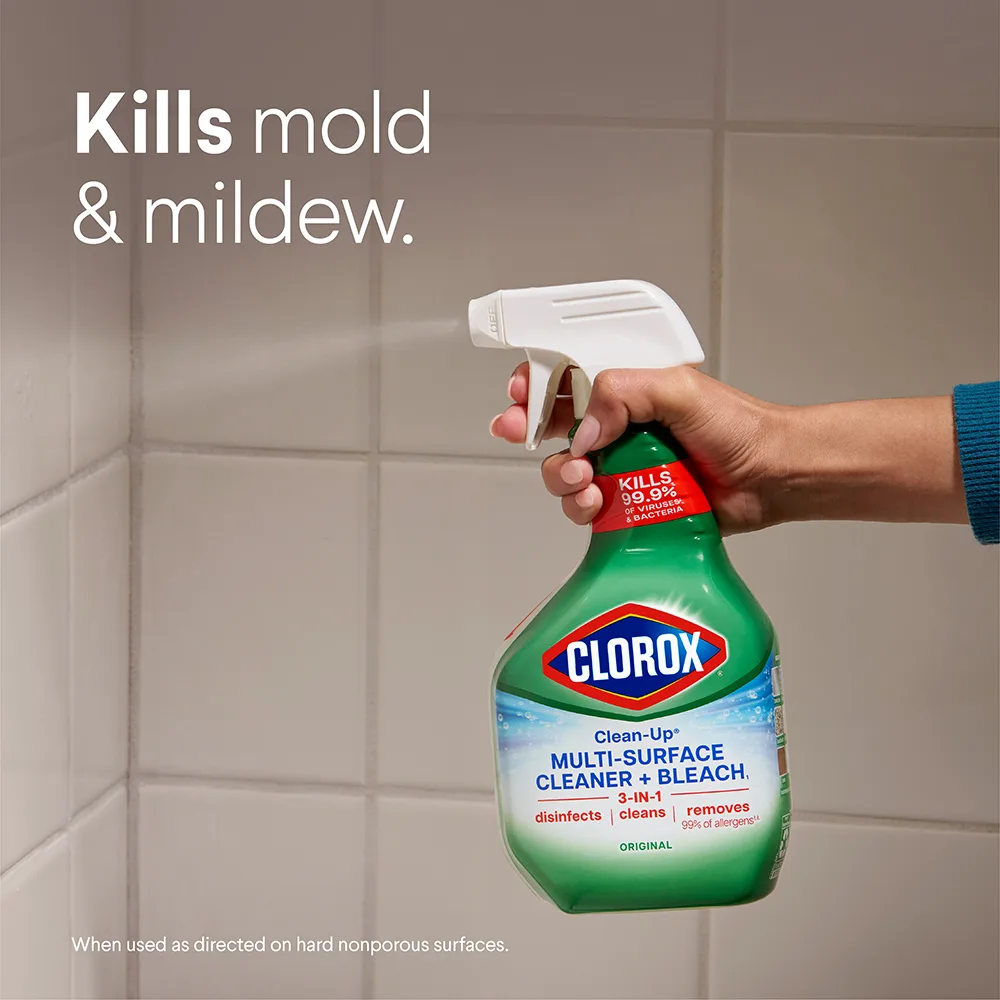
Yes, bleach kills most bacteria, viruses, and mold on surfaces. It’s a strong disinfectant ideal for kitchen counters, sinks, and cutting boards. Ensure surfaces stay wet with the solution for at least 5 minutes for best results.
How Should I Store Homemade Bleach Kitchen Cleaner?
Store the cleaner in a labeled, opaque container away from sunlight. Keep it in a cool, dry place out of reach of children and pets. Use it within a week for maximum effectiveness.
Conclusion
Making a kitchen cleaner with bleach is simple and effective. Use the right mix to keep surfaces safe and clean. Always wear gloves and work in a ventilated space. Store your cleaner away from children and pets. Clean regularly to keep your kitchen fresh and germ-free.
This easy method saves money and time. Try it today for a cleaner kitchen you can trust.