
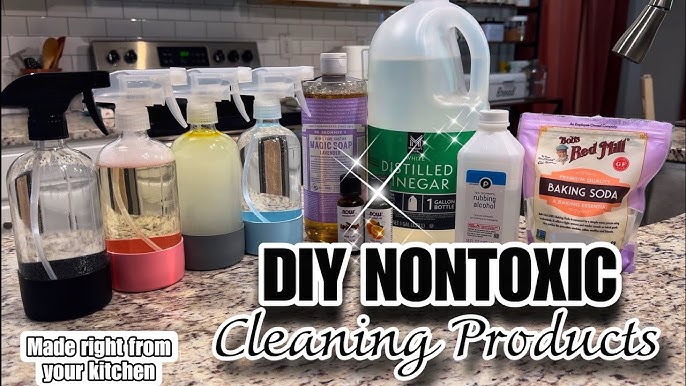
Are you tired of spending a fortune on kitchen cleaning products that are full of harsh chemicals? What if you could make your own safe, effective cleaners right at home?
Imagine having simple, natural solutions that clean your kitchen thoroughly without harming your family or the environment. You’ll discover easy recipes and tips to create powerful kitchen cleaning products using ingredients you probably already have. Keep reading to transform your cleaning routine and enjoy a sparkling kitchen with less effort and cost.
Benefits Of Diy Kitchen Cleaners
Making your own kitchen cleaning products offers many benefits. It gives control over what goes into your home. You avoid harsh chemicals and reduce waste. Plus, it saves money and suits your cleaning needs perfectly.
DIY cleaners use simple, natural ingredients. They help keep your kitchen fresh without harmful fumes. This approach supports a healthier home and environment.
Cost Savings
Homemade cleaners cost less than store-bought options. Common ingredients like vinegar, baking soda, and lemon are cheap. These items last long and can be used for many recipes. Saving money adds up over time, easing your budget.
Eco-friendly Ingredients
DIY cleaners use natural substances that break down easily. They reduce plastic waste by reusing containers. No toxic chemicals go down the drain, protecting water and soil. This choice supports a cleaner planet for everyone.
Customization Options
Mix ingredients to fit your needs and preferences. Adjust scents with essential oils or skip them for fragrance-free. Create stronger or gentler formulas depending on the surface. This flexibility ensures your kitchen stays spotless your way.
Essential Ingredients For Diy Cleaners
Creating your own kitchen cleaning products gives you control over what goes into your home. Choosing the right ingredients is key to making effective, safe cleaners. Let’s look at some essential ingredients that deliver powerful cleaning without harsh chemicals.
Vinegar And Its Uses
Vinegar is a natural disinfectant and degreaser. It cuts through grime on countertops, glass, and even inside your microwave. You can mix vinegar with water to create an all-purpose spray that leaves surfaces sparkling.
Have you noticed how vinegar removes hard water stains better than many commercial cleaners? Its acidity breaks down mineral deposits effortlessly. Just avoid using it on natural stone like granite, as it can damage the surface.
Baking Soda Benefits
Baking soda is a gentle abrasive that scrubs without scratching. It neutralizes odors, making it perfect for freshening up your fridge or garbage disposal. Sprinkle it on surfaces, then scrub with a damp cloth for a fresh, clean finish.
Adding baking soda to your cleaning routine can save you money and reduce chemical exposure. It’s especially handy for tackling stubborn stains and greasy pots. What’s your go-to spot in the kitchen where baking soda works wonders?
Lemon And Citrus Extracts
Lemon juice and other citrus extracts offer natural antibacterial properties and a bright, fresh scent. Their acidity helps dissolve grease and remove stains on cutting boards and countertops. You can combine lemon juice with baking soda to create a fizzing scrub that lifts away grime.
Using citrus is a simple way to brighten your kitchen while cleaning. Plus, the natural scent can replace artificial fragrances that often irritate allergies. How often do you reach for lemon when cleaning?
Essential Oils For Fragrance And Cleaning
Essential oils like tea tree, lavender, and eucalyptus add pleasant aromas and boost cleaning power. Tea tree oil has antimicrobial qualities that enhance disinfecting sprays. Lavender oil can calm your senses while you clean, making the task less of a chore.
A few drops go a long way—add them to your vinegar or baking soda mixtures. This personal touch can transform your cleaning routine into a more enjoyable experience. Which scent would motivate you most to keep your kitchen spotless?
Basic Tools And Containers Needed
Before you start making your own kitchen cleaning products, gathering the right tools and containers is essential. These basic items not only make the process easier but also help you store and use your homemade cleaners effectively.
Spray Bottles And Jars
Spray bottles are perfect for liquid cleaners like all-purpose sprays or glass cleaners. Choose bottles with adjustable nozzles so you can control the spray pattern—fine mist or direct stream.
Glass jars work well for thicker mixtures like scrubs or paste cleaners. They’re durable and easy to label, helping you keep your kitchen organized.
Have you noticed how using clear containers helps you track the amount left? This simple tip saves you from running out unexpectedly.
Measuring Tools
Accurate measurements matter when mixing ingredients. Measuring cups and spoons ensure you add the right amounts of baking soda, vinegar, or essential oils.
Using a small kitchen scale can improve precision, especially if you want to replicate a recipe exactly. It’s a handy tool if you experiment with different cleaning formulas.
Do you find it easier to follow recipes when you have all the measurements at your fingertips?
Mixing Utensils
Mixing utensils like wooden spoons or silicone spatulas help blend ingredients thoroughly without scratching containers. Choose tools that are easy to clean and durable.
Whisks come in handy for liquid mixtures, ensuring everything combines smoothly. They prevent clumps and improve the texture of your cleaner.
Think about how a simple tool can change your mixing experience. Which utensil feels most comfortable for you?
All-purpose Kitchen Cleaner Recipe
Create an all-purpose kitchen cleaner using simple ingredients like vinegar, water, and baking soda. This natural mix cleans surfaces effectively and safely. Easy to make and gentle on the environment.
Creating your own all-purpose kitchen cleaner is not just about saving money; it's about ensuring that your cleaning products are safe, effective, and free from harmful chemicals. Imagine wiping down your countertops with a cleaner that you've crafted yourself, knowing exactly what's in it. This simple DIY recipe can transform your kitchen cleaning routine and provide peace of mind.
Ingredients List
Before you start mixing, gather these simple ingredients: - 1 cup of white vinegar: Known for its natural disinfectant properties. - 1 cup of water: Acts as a diluent to balance the vinegar’s strength. - 10 drops of essential oil (like lemon or lavender): Adds a pleasant scent and additional antibacterial properties. - 1 tablespoon of baking soda: Helps remove stains and acts as a mild abrasive.
Step-by-step Preparation
Now, let’s get started with the preparation: 1. Mix the vinegar and water in a spray bottle. Shake well to combine. 2. Add the essential oil. This step is crucial as it masks the vinegar's strong smell and boosts cleaning power. 3. Slowly add the baking soda. Be cautious here—adding it too quickly can cause fizzing. Once added, shake gently until fully dissolved.
Usage Tips
How can you make the most of your new cleaner? - Test before full use: Spray a small amount on an inconspicuous area to ensure it doesn’t damage surfaces. - Use on various surfaces: Perfect for countertops, stovetops, and even the inside of your fridge. - Store properly: Keep the bottle in a cool, dry place to maintain its effectiveness. What’s your favorite homemade cleaner trick? Try this recipe and see how it fits into your routine. You might find that this simple concoction becomes your go-to solution for a sparkling kitchen.
Grease-cutting Dish Soap
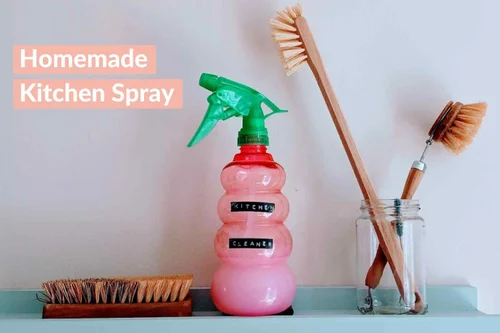
Grease-cutting dish soap is a must-have for any kitchen. It helps remove tough grease and food residues from dishes and cookware. Making your own dish soap saves money and reduces chemicals in your home. This simple recipe uses natural ingredients that work well together. It cleans effectively without harming your skin or the environment.
Key Ingredients
- Castile soap – a gentle, natural soap base
- White vinegar – breaks down grease and removes odors
- Baking soda – helps scrub and neutralize smells
- Liquid coconut oil – adds moisturizing properties
- Essential oils (lemon or tea tree) – for fresh scent and antibacterial effect
- Water – to dilute and mix ingredients smoothly
Mixing Instructions
Start with one cup of liquid castile soap in a clean bowl.
Add half a cup of white vinegar carefully. Mix gently to combine.
Stir in two tablespoons of baking soda slowly. It will fizz.
Add one tablespoon of liquid coconut oil. Stir well to blend.
Drop 15 to 20 drops of your chosen essential oil for fragrance.
Pour the mixture into a squeeze bottle or soap dispenser.
Shake the bottle gently before each use to mix ingredients again.
Application Techniques
- Use a small amount on a sponge or dishcloth.
- Scrub dishes, pots, and pans with circular motions.
- Let the soap sit on tough grease for a minute before rinsing.
- Rinse thoroughly with warm water to remove all soap.
- For extra grease, repeat the process or soak dishes first.
- Store soap in a cool, dry place to keep it fresh.
Credit: www.sustainablylazy.com
Natural Oven Cleaner
Cleaning your oven doesn’t have to involve harsh chemicals or expensive products. A natural oven cleaner made from simple ingredients you probably already have at home can do the job effectively. This cleaner tackles grease and burnt-on food while being safe for your family and the environment.
Ingredients Needed
- Baking soda:1/2 cup – acts as a gentle abrasive to scrub away grime
- White vinegar:1/4 cup – helps dissolve grease and works as a natural disinfectant
- Water:1/4 cup – to create the cleaning paste
- Optional:A few drops of lemon essential oil for a fresh scent
Preparation Method
Start by mixing the baking soda and water in a bowl to form a thick paste. You want it spreadable but not too runny. If it’s too dry, add a bit more water, a teaspoon at a time.
Spread the paste evenly over the interior surfaces of your oven, avoiding heating elements. Let it sit for at least 12 hours or overnight to break down tough stains.
After waiting, spray white vinegar over the baking soda paste. It will fizz, helping to lift grime from the surfaces. Wipe everything away with a damp cloth or sponge, rinsing frequently.
Safe Usage Guidelines
- Always ensure your oven is completely cool before applying the cleaner.
- Wear gloves if you have sensitive skin to prevent irritation from baking soda or vinegar.
- Test a small hidden area first to make sure the cleaner doesn’t damage your oven’s finish.
- Ventilate your kitchen well during and after cleaning to avoid vinegar fumes building up.
- Never mix this cleaner with commercial oven sprays or bleach, as chemical reactions can be harmful.
Have you ever thought about how many toxins you bring into your kitchen through conventional cleaners? Switching to a natural oven cleaner not only saves money but also keeps your cooking environment healthier. Give it a try and see the difference for yourself!
Disinfecting Countertop Spray
Disinfecting countertop spray keeps your kitchen clean and safe. It removes germs and bacteria effectively. Making your own spray ensures it is natural and free from harsh chemicals. This spray works well on various surfaces like granite, laminate, and wood. It helps maintain hygiene in your cooking space with ease.
Effective Antibacterial Ingredients
Choose ingredients with strong antibacterial properties. White vinegar is a natural disinfectant that kills many germs. Rubbing alcohol at 70% concentration works quickly to disinfect surfaces. Tea tree oil adds extra antibacterial power and a fresh scent. A few drops of essential oils like lavender or lemon improve cleanliness and smell.
Mixing Process
Use a clean spray bottle for your disinfecting solution. Combine one cup of water with one cup of white vinegar or rubbing alcohol. Add 10-15 drops of tea tree oil or other essential oils. Shake the bottle gently to mix all ingredients well. Label your spray bottle clearly for safety and easy use.
Best Practices For Use
- Spray the solution directly on the countertop surface.
- Let it sit for at least 5 minutes to kill bacteria.
- Wipe the surface with a clean cloth or paper towel.
- Use the spray regularly to maintain a germ-free kitchen.
- Avoid using on marble or natural stone as vinegar can damage them.
Tips For Storing Homemade Cleaners
Storing homemade kitchen cleaning products properly keeps them effective and safe to use. Understanding the right storage practices helps maintain their strength and prevents accidents. Small efforts in storage can save time and money.
Labeling And Safety
Always label your homemade cleaners clearly. Use waterproof markers or printed labels. Include the ingredients and date made. Keep cleaners out of reach of children and pets. Store them in original or safe containers only. Avoid mixing different cleaners together.
Shelf Life Expectations
Homemade cleaners usually last from one week to six months. Natural ingredients like vinegar or lemon juice may lose power over time. Some solutions separate or change color, signaling they are no longer good. Test a small amount before using after long storage. Make fresh batches regularly for best results.
Storage Conditions
Store cleaners in a cool, dry place away from sunlight. Heat and humidity can reduce their effectiveness. Avoid storing near the stove or heater. Use dark or opaque containers to protect from light. Keep lids tightly closed to stop spills and evaporation.
Precautions And Safety Measures
Handle ingredients with care and keep them away from children and pets. Always work in a well-ventilated area to avoid strong fumes. Wear gloves to protect your skin from irritation during mixing and cleaning.
Creating your own kitchen cleaning products can be a rewarding and sustainable endeavor. However, it's crucial to prioritize safety and take necessary precautions. Simple missteps can lead to unwanted reactions or accidents.
Handling Natural Ingredients
When working with natural ingredients, always know what you're handling. Vinegar, baking soda, and essential oils are common in homemade cleaners, but they each have specific uses and limitations. Wear gloves to protect your skin, and ensure your workspace is well-ventilated to prevent inhalation of strong scents or vapors.
Avoiding Harmful Combinations
Some natural ingredients can be hazardous when mixed. For example, combining vinegar and baking soda might seem like a good idea, but they actually neutralize each other, rendering them ineffective. Mixing vinegar with hydrogen peroxide creates peracetic acid, which can be harmful. Always research each ingredient combination before use.
Child And Pet Safety
Curious little hands and paws can easily come into contact with homemade cleaning solutions. Store all cleaning products out of reach, preferably in a locked cabinet. Consider using child-proof caps on bottles and clearly label each container to avoid any mix-ups. Would you want your pet or child to accidentally ingest something harmful? By focusing on these safety measures, you can enjoy the benefits of homemade kitchen cleaning products without the risks. Your kitchen will be clean, and you’ll have peace of mind knowing your family is safe.

Credit: www.youtube.com

Credit: www.thechowtrain.com
Frequently Asked Questions
What Ingredients Make Effective Kitchen Cleaning Products?
Effective kitchen cleaners often include vinegar, baking soda, lemon juice, and essential oils. These natural ingredients cut grease, remove stains, and kill bacteria safely and affordably.
Can Homemade Kitchen Cleaners Be Safe For All Surfaces?
Yes, homemade cleaners are generally safe for most surfaces like countertops, stainless steel, and tiles. Always test a small spot first to avoid damage, especially on wood or granite.
How Do I Store Homemade Kitchen Cleaning Products?
Store homemade cleaners in labeled spray bottles or airtight containers. Keep them in a cool, dark place away from children and pets to maintain effectiveness and safety.
Are Natural Kitchen Cleaners As Effective As Commercial Ones?
Natural cleaners can be equally effective for regular kitchen cleaning. They are safer, eco-friendly, and free from harsh chemicals, making them ideal for everyday use.
Conclusion
Making your own kitchen cleaning products saves money and reduces chemicals. You control the ingredients and keep your home safer. These simple recipes work well and are easy to make. Try different mixes to find what cleans best for you.
Cleaning becomes less of a chore with natural solutions. Start small and enjoy a fresher, healthier kitchen today.