
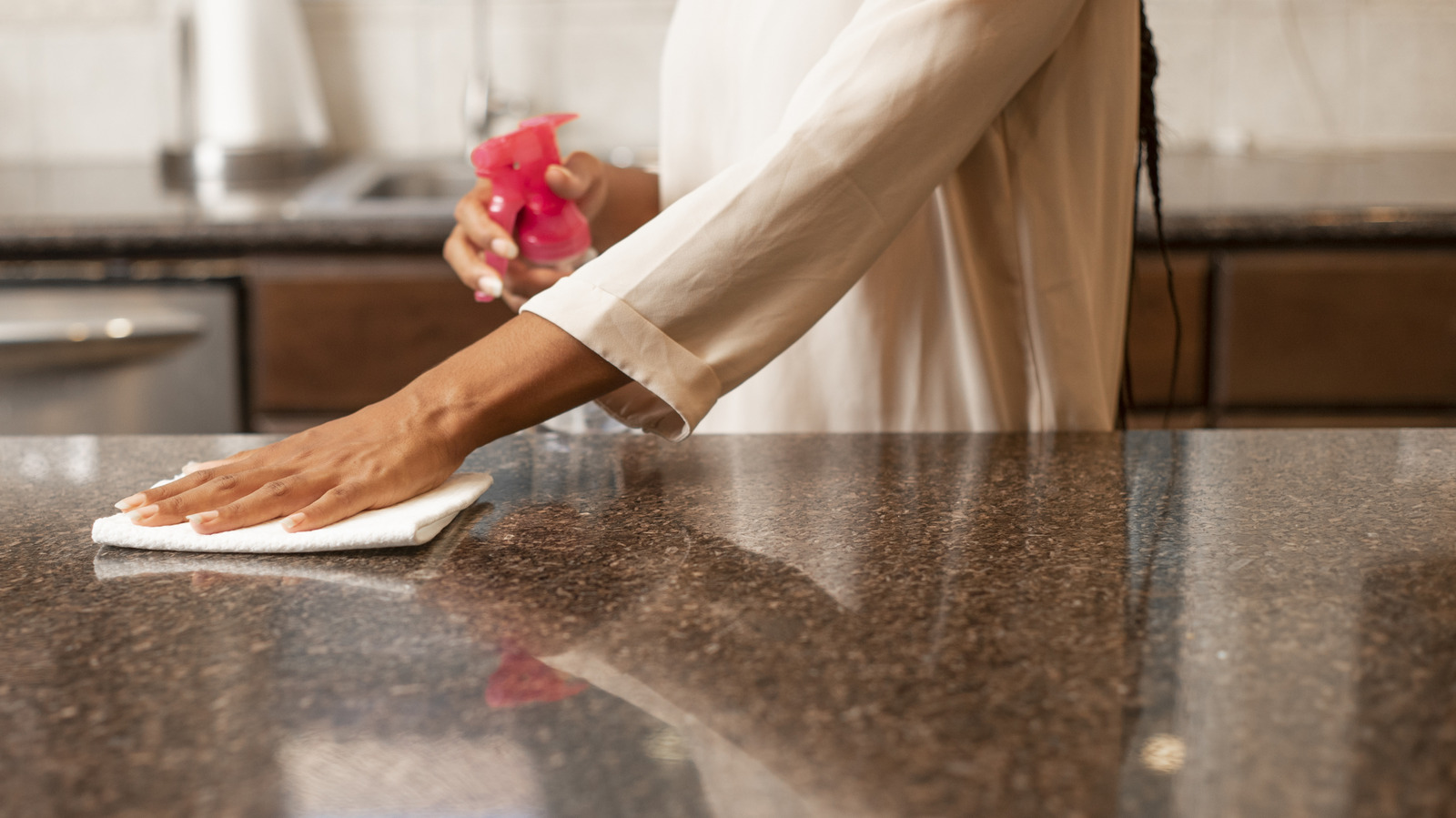
Your kitchen counter is one of the busiest spots in your home. It’s where you prepare meals, enjoy snacks, and sometimes even work or chat with family.
Keeping it clean is essential, but store-bought cleaners can be full of harsh chemicals that you might want to avoid. What if you could make your own kitchen counter cleaner that’s safe, effective, and easy to create with just a few simple ingredients?
You’ll discover how to make a powerful cleaner that keeps your space sparkling without any worry. Ready to take control of your kitchen’s cleanliness? Let’s dive in.

Credit: www.everydaycheapskate.com
Benefits Of Diy Kitchen Cleaners
Making your own kitchen counter cleaner offers many benefits. It saves money and lets you control what goes into your cleaner. You can choose natural ingredients that are safe for your family. DIY cleaners also reduce harm to the environment. These advantages make homemade cleaners a smart choice for your kitchen.
Cost Savings
Homemade kitchen cleaners cost much less than store-bought ones. Simple ingredients like vinegar, baking soda, and lemon are cheap. You can make large amounts without spending a lot. This saves money over time.
Natural Ingredients
DIY cleaners use natural ingredients that are gentle and safe. They avoid harsh chemicals found in many commercial products. This means fewer allergies and less irritation for your skin and lungs. Natural cleaners are better for your health.
Customization Options
You control the ingredients and scents in your cleaner. Add essential oils for a fresh smell or extra cleaning power. Adjust the mix for tough stains or delicate surfaces. Customizing helps meet your kitchen’s specific needs.
Environmental Impact
Making your own cleaner reduces plastic waste from bottles. Natural ingredients break down quickly without polluting water or soil. This helps protect the planet. Using DIY cleaners lowers your household’s environmental footprint.
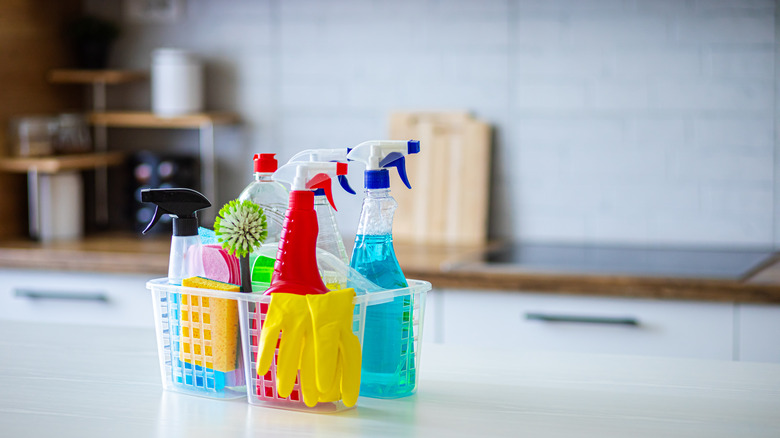
Credit: www.tastingtable.com
Essential Ingredients For Cleaners
Creating an effective kitchen counter cleaner requires a few key ingredients. These natural items work together to remove dirt, grease, and bacteria. They are safe, inexpensive, and easy to find. Understanding their roles helps you make a cleaner that suits your needs.
Vinegar
Vinegar is a powerful natural disinfectant. It cuts through grease and grime with ease. Its acidity helps break down stubborn stains. Vinegar also reduces bacteria on surfaces. Use white distilled vinegar for the best results.
Baking Soda
Baking soda acts as a gentle abrasive cleaner. It scrubs away dirt without scratching counters. This ingredient deodorizes and neutralizes odors effectively. Mixing baking soda with water creates a paste for scrubbing. It also helps lift tough stains.
Lemon Juice
Lemon juice adds a fresh scent and natural bleaching power. Its acidity works well to dissolve grease and food residues. Lemon also has antibacterial properties. It brightens surfaces and leaves a clean smell behind.
Essential Oils
Essential oils enhance cleaners with pleasant aromas. Oils like tea tree, lavender, and eucalyptus have antibacterial effects. They boost cleaning power and freshen the kitchen. A few drops go a long way in homemade solutions.
Castile Soap
Castile soap is a gentle, plant-based cleaner. It cuts through dirt and grease without harsh chemicals. This soap creates a rich lather for easy cleaning. It blends well with other natural ingredients. Ideal for sensitive skin and eco-friendly homes.
Basic Kitchen Counter Cleaner Recipe
Mix equal parts water and white vinegar in a spray bottle for a simple kitchen counter cleaner. Add a few drops of dish soap to boost cleaning power. Spray and wipe for a fresh, streak-free surface.
Creating a kitchen counter cleaner at home is not only economical but also a healthier choice for your family. Commercial cleaners often contain harsh chemicals, but a homemade cleaner can be just as effective with natural ingredients. Let's dive into a simple recipe that you can whip up in minutes and keep your kitchen sparkling and fresh.
Ingredients Needed
- 1 cup of water
- 1 cup of white vinegar
- 2 tablespoons of baking soda
- 10-15 drops of essential oil (like lemon or tea tree for antibacterial properties)
- A spray bottle
Step-by-step Preparation
Start by mixing water and vinegar in the spray bottle. This combination forms the base of your cleaner and helps to cut through grease.
Next, carefully add the baking soda. Be prepared for a little fizzing action as baking soda reacts with vinegar.
After the fizzing subsides, add your choice of essential oil. This not only adds a pleasant fragrance but also boosts the cleaning power.
Secure the spray nozzle on the bottle and shake gently to mix the ingredients well.
Usage Tips
Spray the cleaner directly onto your kitchen counters and let it sit for a minute. This allows the solution to break down any grime or bacteria.
Wipe with a clean, damp cloth. For stubborn spots, a little elbow grease might be needed.
Always test a small area first if you're unsure about how your counter material will react to the cleaner. And remember, natural doesn't mean ineffective—use it frequently to maintain a sparkling kitchen!
Experiment with different essential oils to find a scent that you love. Have you tried making any other DIY cleaning products? They can be a fun and rewarding project!
Heavy-duty Cleaner For Tough Stains
Tough stains on kitchen counters need a strong cleaner. A heavy-duty cleaner breaks down grease, grime, and stubborn dirt. Making your own cleaner saves money and avoids harsh chemicals. This DIY solution works well on many surfaces and keeps your kitchen fresh and clean.
Key Ingredients
- 1 cup white vinegar – cuts grease and kills germs
- 1 cup water – dilutes vinegar for safe use
- 2 tablespoons baking soda – scrubs and removes stains
- 1 teaspoon liquid dish soap – breaks down oils
- 10 drops essential oil (optional) – adds fresh scent
Mixing Instructions
Start by mixing water and vinegar in a spray bottle. Slowly add baking soda to avoid fizzing over. Add dish soap and essential oil last. Close the bottle tightly and shake gently to mix all ingredients well.
Application Methods
- Spray the cleaner on the stained area generously.
- Let it sit for 5 to 10 minutes to break down grime.
- Use a soft cloth or sponge to scrub the spot gently.
- Rinse with clean water and wipe dry with a towel.
- Repeat for very tough stains until the surface is clean.
Natural Disinfectant Spray
Creating a natural disinfectant spray for your kitchen counters is a smart way to keep your space clean without relying on harsh chemicals. This homemade spray can effectively kill germs while being safe for your family and the environment. It’s simple to make and lets you control exactly what ingredients you use.
Choosing Antibacterial Ingredients
Pick ingredients known for their natural antibacterial properties. White vinegar is a popular choice because it can kill many types of bacteria and mold. Essential oils like tea tree, eucalyptus, or lavender add extra germ-fighting power and a pleasant scent.
Consider lemon juice, too—it not only disinfects but also helps cut through grease. Make sure to avoid ingredients that might damage your countertops, such as undiluted vinegar on natural stone surfaces. What natural ingredients do you already have at home that could boost your spray’s effectiveness?
Recipe And Mixing
Mix 1 cup of water with 1 cup of white vinegar in a spray bottle. Add 10-15 drops of your chosen essential oil for added disinfecting power and fragrance. Shake well before each use to combine the ingredients thoroughly.
If you want a gentler spray for sensitive surfaces, reduce the vinegar to half a cup and increase water to 1.5 cups. Label your bottle clearly to avoid confusion and keep it out of reach of children.
Safe Use Guidelines
Always test the spray on a small, hidden area of your counter before full application to avoid damage. Use the spray on cool surfaces only, as heat may cause the vinegar to react or evaporate too quickly.
Do not mix this natural spray with bleach or other cleaners, as this can create harmful fumes. Store your spray in a dark, cool place to keep the essential oils fresh and effective longer.
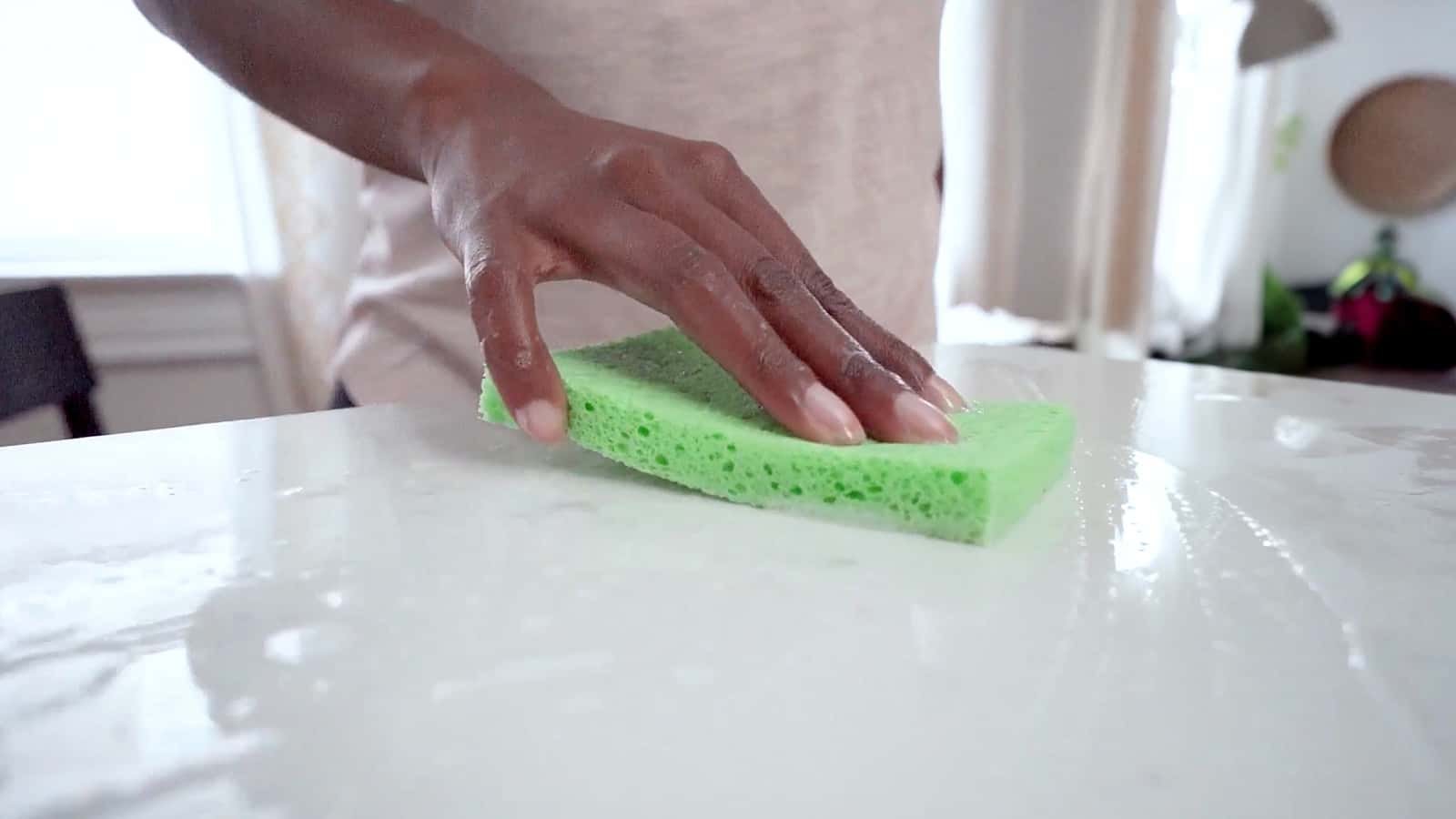
Credit: www.pinesol.com
Tips For Maintaining Clean Counters
Keeping your kitchen counters spotless goes beyond just the cleaning spray. Consistent care plays a huge role in maintaining that fresh, inviting look. Let’s dive into some practical tips that help you keep your counters clean and damage-free every day.
Daily Cleaning Habits
Make it a habit to wipe your counters after every meal prep. Use a soft cloth with a mild cleaner to avoid buildup of grease and crumbs. This small step prevents stains and makes deep cleaning much easier later.
Don’t forget to clean spills immediately. Leaving liquids on the surface can cause stubborn stains or even damage certain materials over time. Quick action saves you extra scrubbing later.
How often do you sanitize your counters? Adding a natural disinfectant like vinegar to your routine can keep germs at bay without harsh chemicals. It’s simple and effective.
Avoiding Damage
Protect your counters from heat by always using trivets or hot pads under pots and pans. Direct heat can cause discoloration or cracks, especially on stone or laminate surfaces.
Sharp knives and heavy utensils can scratch or chip your counters. Use cutting boards and avoid chopping directly on the surface. It’s a small effort that preserves your counters’ finish.
Be cautious with acidic substances like lemon juice or vinegar. While great for cleaning, leaving them in contact with some surfaces too long can cause etching. Do you check your DIY cleaner’s ingredients before applying?
Storage Of Diy Cleaners
Store your homemade kitchen cleaners in clearly labeled spray bottles. This prevents mix-ups and keeps you safe from accidental misuse.
Keep these bottles out of reach of children and pets. Using child-proof caps adds an extra layer of safety to your kitchen routine.
Consider storing your cleaners in a cool, dark cabinet to preserve their effectiveness. Heat and sunlight can degrade natural ingredients like essential oils.
Have you noticed how organized storage makes cleaning less of a chore? When your DIY cleaners are easy to find and safely stored, you’re more likely to use them regularly.
Safety Precautions With Diy Cleaners
Making your own kitchen counter cleaner can be rewarding, but safety should never take a backseat. Handling DIY cleaning ingredients requires care to protect your health and avoid accidents. Let’s look at key safety steps you should take before mixing your homemade cleaner.
Handling Ingredients
Always wear gloves when dealing with concentrated ingredients like vinegar, baking soda, or essential oils. Some substances can irritate your skin or cause allergic reactions. Keep your workspace well-ventilated to avoid inhaling strong fumes.
Store ingredients away from children and pets to prevent accidental ingestion. Avoid mixing certain chemicals, such as bleach and vinegar, as they create harmful gases. Are you confident that your kitchen setup supports safe ingredient handling?
Proper Labeling
Once you create your cleaner, label the container clearly with its contents and date of preparation. Use waterproof markers or printed labels to prevent fading over time. This helps you avoid confusion and misuse.
Include any hazard warnings on the label, such as “Keep out of reach of children” or “Avoid contact with eyes.” Have you ever mistaken a homemade cleaner for something edible because it wasn’t labeled?
Allergy Considerations
Check for any allergies you or your family members may have before choosing ingredients. Essential oils like lemon or tea tree can cause skin irritation or respiratory issues in sensitive individuals. Substitute with milder options if necessary.
Test your cleaner on a small surface patch to ensure it won’t cause damage or reactions. Taking these steps protects both your health and your kitchen surfaces. Are you ready to customize your cleaner without risking allergies?
Frequently Asked Questions
What Ingredients Make An Effective Kitchen Counter Cleaner?
A good kitchen counter cleaner often includes vinegar, baking soda, and water. These ingredients effectively remove grease and grime without harsh chemicals. Adding essential oils can enhance the scent and antibacterial properties.
How Do I Safely Clean Granite Kitchen Counters?
Use a pH-neutral cleaner or a mix of mild dish soap and water. Avoid acidic or abrasive cleaners to prevent damage. Always wipe with a soft cloth and dry thoroughly to maintain the granite’s shine.
Can I Use Homemade Cleaner On All Kitchen Surfaces?
Most homemade cleaners work well on laminate, tile, and sealed countertops. Avoid using vinegar or acidic cleaners on natural stone like marble or granite to prevent etching or damage.
How Often Should I Clean My Kitchen Counters?
It’s best to clean kitchen counters daily to prevent bacteria buildup. Wipe spills immediately and disinfect thoroughly after preparing raw foods like meat or poultry.
Conclusion
Making your own kitchen counter cleaner saves money and reduces chemicals. You control the ingredients and keep your space fresh. Simple steps create a safe and effective cleaner. Use it regularly to keep counters shiny and germ-free. This easy recipe fits any kitchen and lifestyle.
Try it today and enjoy a cleaner, healthier home environment. Cleaning becomes quick and stress-free with this natural solution. Your kitchen deserves a cleaner that works well and feels good.