

Are you tired of spending money on disposable kitchen wipes that don’t last and harm the environment? What if you could make your own kitchen wipes at home, saving money and reducing waste?
You’ll discover a simple, step-by-step way to create effective, reusable kitchen wipes tailored just for your needs. Keep reading to learn how easy it is to make your kitchen cleaning smarter and greener.
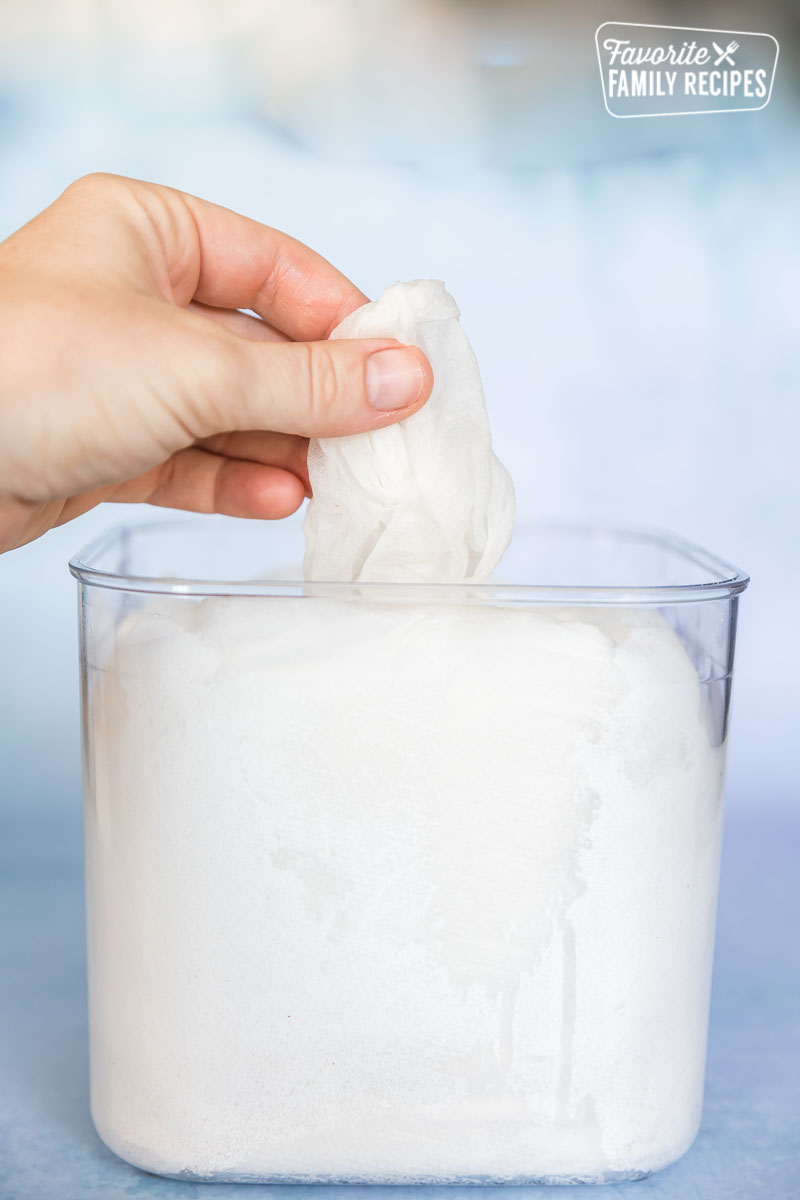
Credit: www.favfamilyrecipes.com
Benefits Of Diy Kitchen Wipes
Making your own kitchen wipes offers many benefits that improve daily cleaning. These wipes save money, reduce waste, and let you choose safe ingredients. You gain control over what touches your kitchen surfaces and your family’s health.
DIY kitchen wipes also allow you to create a product that fits your cleaning needs perfectly. You avoid harsh chemicals and use natural solutions. This simple switch makes your kitchen safer and cleaner in a way that store-bought wipes cannot match.
Cost Savings
Homemade kitchen wipes cost less than buying pre-made ones. You use simple items like cloth and household liquids. This reduces how much you spend on cleaning supplies every month.
Making wipes in bulk saves even more money. No need to pay for packaging or brand names. A few ingredients stretch a long way, cutting costs without losing quality.
Eco-friendly Choices
DIY wipes help cut down on plastic waste. Store wipes come in plastic containers that fill landfills fast. Reusable cloth wipes reduce this waste significantly.
You control what goes into the wipes, avoiding harmful chemicals. This protects water and soil from pollution. Making eco-friendly choices supports a cleaner planet for everyone.
Customizable Ingredients
Choosing your own ingredients means wipes suit your needs perfectly. You can add natural oils for scent or antibacterial effects. This creates a gentle but effective cleaner.
Custom wipes avoid allergens and irritants found in many commercial products. This makes them safer for people with sensitive skin or allergies. You decide what works best for your kitchen and family.
Essential Materials Needed
Gathering the right materials is key to making effective and durable kitchen wipes. Your choice of cloth, cleaning solution, and storage container will directly impact how well the wipes work and how long they last. Let’s break down what you really need to get started.
Types Of Cloths To Use
Choose cloths that absorb well and can handle repeated use. Cotton and microfiber are popular because they soak up liquids quickly and clean surfaces without scratching.
Old T-shirts or flannel shirts can also be cut into wipes, saving money and reducing waste. Avoid fabrics that shed fibers easily, like some synthetic blends, because they can leave lint behind on your surfaces.
Cleaning Solutions
The cleaning solution is what makes your wipes effective at killing germs and lifting dirt. Simple mixtures of water, vinegar, and a few drops of essential oils like tea tree or lemon work well and smell fresh.
For tougher messes, adding a small amount of dish soap or rubbing alcohol can boost cleaning power. Keep safety in mind—test your solution on a small area first to avoid damage to surfaces.
Storage Containers
Keeping your wipes moist and ready to use means storing them properly. Airtight containers or resealable plastic bags work great to prevent drying out.
If you prefer eco-friendly options, glass jars with tight lids offer a reusable solution. Think about the size and shape of your container—choose one that fits your kitchen space and lets you grab wipes easily.
Simple Kitchen Wipe Recipes
Creating your own kitchen wipes is easier than you might think. Simple recipes use common household ingredients that clean effectively without harsh chemicals. These DIY wipes save money, reduce waste, and give you control over what touches your kitchen surfaces.
All-purpose Vinegar Wipes
Vinegar is a natural disinfectant and deodorizer, making it perfect for everyday kitchen cleaning. Mix equal parts water and white vinegar in a bowl or container. Add a few drops of liquid soap to help cut through grease.
- Cut paper towels or cloth into wipe-sized pieces.
- Soak them in the vinegar solution until fully saturated.
- Store in an airtight container to keep them moist.
These wipes clean counters, stovetops, and even glass. Just avoid using vinegar on natural stone surfaces like granite, as it can cause damage.
Lemon And Baking Soda Blend
Lemon adds a fresh scent and natural acidity, while baking soda acts as a gentle abrasive to tackle tough grime. Start by mixing 1 cup of water with 2 tablespoons of baking soda until it dissolves. Squeeze in the juice of half a lemon and stir well.
- Dip cloth squares or sturdy paper towels into the mixture.
- Wring out excess liquid to avoid dripping.
- Use on sticky spills or greasy spots for extra scrubbing power.
The lemon’s natural oils also help cut through odors. Have you noticed how lemon freshness can brighten your cleaning routine?
Essential Oil Infused Wipes
Essential oils like tea tree, lavender, or eucalyptus add antibacterial properties and pleasant aromas. Combine 1 cup of water with 1 tablespoon of rubbing alcohol or witch hazel for extra disinfecting power. Add 10-15 drops of your favorite essential oil(s) and mix well.
- Soak reusable cloth wipes or thick paper towels in the solution.
- Store in a sealed jar or container to keep them damp.
- These wipes are great for quick cleanups and freshening surfaces.
Experiment with different oils to find scents you enjoy. What essential oil scent would motivate you to clean more often?

Credit: www.youtube.com
Step-by-step Preparation Guide
Creating your own kitchen wipes is practical and eco-friendly. Follow this guide to make efficient and cost-effective wipes at home. This simple process involves preparing cloths, mixing a cleaning solution, and storing the wipes properly. Let's dive into each step.
Cutting And Preparing Cloths
Select old cotton shirts or towels. These materials are absorbent and durable. Cut them into uniform squares, around 8x8 inches. This size is convenient for handling and storage. Ensure edges are even to prevent fraying.
Mixing Cleaning Solutions
Combine one cup of water with half a cup of white vinegar. Add two tablespoons of dish soap for grease-fighting power. Optional: a few drops of essential oil for fragrance. Stir well until all ingredients blend.
Soaking And Storing Wipes
Place cloths in a large glass jar or plastic container. Pour the cleaning solution over the cloths. Ensure they are fully soaked. Seal the container tightly to keep wipes fresh. Store in a cool, dark place to prolong their life.
Tips For Effective Cleaning
Keeping your kitchen spotless doesn’t just rely on having wipes at hand but using them smartly. Effective cleaning means knowing how to apply your homemade kitchen wipes across different surfaces, avoiding germs moving from one area to another, and ensuring your wipes stay fresh and ready to use. Let’s dive into practical tips that will help you clean more efficiently and keep your kitchen healthier.
Using Wipes On Different Surfaces
Not every surface in your kitchen reacts the same way to cleaning wipes. Glass and stainless steel need gentle wiping to avoid streaks, so use a light touch and wipe in one direction. For countertops like granite or marble, avoid acidic ingredients in your wipes, as they can damage the surface over time.
Wooden surfaces require extra care. Use wipes sparingly and dry the surface immediately to prevent water damage. Plastic and laminate are more forgiving; you can use your wipes more liberally here.
Avoiding Cross-contamination
One common mistake is using the same wipe across multiple areas, which spreads germs instead of eliminating them. Have separate wipes for different tasks—one for dishes, another for cutting boards, and a third for general surfaces.
Think about how you clean raw meat juices versus fresh veggies. Using different wipes can stop bacteria from moving around your kitchen. You might find color-coding your wipes a simple way to keep track.
Maintaining Freshness
Homemade wipes can lose their effectiveness if they dry out or develop an unpleasant smell. Store your wipes in an airtight container to keep them moist and ready for action. Adding a few drops of essential oils like lemon or tea tree can help maintain a fresh scent and add antibacterial properties.
Check your wipes regularly and replace them if they start to smell off or feel sticky. Have you noticed how fresh-smelling wipes make the chore feel less tedious? Keeping them fresh can make a surprising difference in your cleaning routine.

Credit: kateable.com
Safe Disposal And Reuse
Knowing how to safely dispose of or reuse your kitchen wipes can save you money and reduce waste. It’s not just about cleaning your kitchen but also about taking care of the environment. Let’s look at simple ways to wash and reuse cloth wipes and how to dispose of used ones responsibly.
Washing And Reusing Cloths
Reusable kitchen wipes are often made from cloth, making them easy to wash and use again. After each use, rinse them with cold water to remove food particles and stains. Then, toss them in the washing machine with your regular laundry using a mild detergent.
To keep them fresh and hygienic, avoid fabric softeners as they can reduce absorbency. Dry them in the sun if you can, since sunlight naturally kills bacteria. Have you tried keeping a small basket near your sink just for used cloth wipes? It makes washing day quicker and easier.
Proper Disposal Methods
Not all kitchen wipes can be reused, especially disposable ones or those heavily soiled with grease or chemicals. For these, proper disposal is key to protecting your plumbing and the environment.
- Do not flush wipes down the toilet; they can clog pipes and harm water systems.
- Wrap used wipes in a biodegradable bag if possible before tossing them in the trash.
- Check if your local waste service accepts compostable wipes—some do, and this reduces landfill waste.
Thinking about the impact of your kitchen waste might change how you choose or use wipes. Could switching to cloth wipes save you money and help reduce your trash? It’s worth trying to see the difference it makes in your kitchen routine and for the planet.
Frequently Asked Questions
What Materials Do I Need To Make Kitchen Wipes?
You need paper towels or cloth, water, vinegar, and essential oils. These ingredients clean and disinfect surfaces effectively. Using reusable cloth wipes is eco-friendly and cost-saving.
How Do I Make Homemade Kitchen Wipes Step-by-step?
Cut paper towels or cloth into desired sizes. Mix water, vinegar, and essential oils in a container. Soak the wipes, then store them in an airtight container for easy use.
Are Homemade Kitchen Wipes Safe For All Surfaces?
Yes, they are safe for most surfaces like countertops, appliances, and tables. Avoid using vinegar-based wipes on natural stone as it may cause damage.
How Long Can Homemade Kitchen Wipes Be Stored?
They last up to two weeks when stored in a sealed container. Keep them in a cool, dry place to prevent mold and maintain freshness.
Conclusion
Making your own kitchen wipes saves money and reduces waste. You control the ingredients, keeping wipes safe for your family. They clean well and smell fresh with natural solutions. Plus, homemade wipes are quick to prepare and easy to store.
Try this simple method to keep your kitchen clean and green. Small steps like these make a big difference over time. Start today and enjoy a cleaner, safer home.