
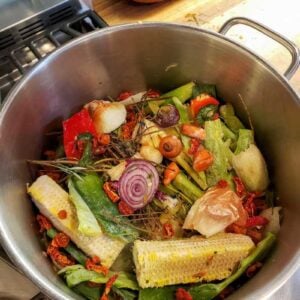
Are you tired of throwing away vegetable scraps after cooking? What if you could turn those leftovers into something delicious and nourishing?
Making vegetable broth with kitchen scraps is an easy way to reduce waste, save money, and add rich flavor to your meals. In this guide, you’ll discover simple steps to transform your vegetable peelings, stems, and ends into a tasty broth that boosts your cooking and benefits your health.
Ready to give your scraps a second life? Keep reading to find out how.
Benefits Of Vegetable Broth
Making vegetable broth from kitchen scraps is more than just a way to reduce waste—it’s a simple habit that benefits your health, your wallet, and the planet. This homemade broth captures the flavors and nutrients of vegetables that might otherwise be tossed out. But have you ever thought about what exactly you gain by choosing homemade vegetable broth over store-bought options?
Nutritional Value
Vegetable broth made from your own scraps is rich in vitamins and minerals that leach out during simmering. You can control what goes in, avoiding added salt, preservatives, or artificial flavors often found in commercial broths. Using scraps like onion peels, carrot tops, and celery leaves means you’re extracting nutrients that usually get thrown away.
Because you simmer the broth gently, delicate nutrients like vitamin C and antioxidants remain intact. Have you noticed how much more vibrant and fresh homemade broth tastes compared to store-bought? That’s the natural nutrition at work.
Environmental Impact
Using kitchen scraps for broth is a smart way to cut down on food waste. Instead of sending vegetable peels and ends to the landfill where they produce methane, you turn them into something useful. This small step can reduce your household’s carbon footprint.
Think about how much packaging waste you avoid by skipping store-bought broth cartons. Plus, you reduce the demand for mass-produced broths, which often require energy-intensive processing. Could your kitchen scraps help you live a little greener?
Cost Savings
Saving money is one of the most immediate benefits you’ll notice. Instead of buying expensive broth, you create a flavorful base for soups, stews, and sauces using ingredients you’ve already paid for. Those scraps you used to throw away now become a valuable resource.
Over time, these savings add up, especially if you cook regularly. You don’t have to sacrifice quality or taste to keep your grocery bills down. How much could you save by making broth a regular part of your cooking routine?

Credit: theuglycucumber.com
Choosing Kitchen Scraps
Choosing the right kitchen scraps is key to making tasty vegetable broth. Not all scraps add great flavor. Picking the best ones ensures a rich and healthy broth. Proper selection helps avoid bad tastes or health risks.
Best Vegetables To Use
- Carrot peels
- Celery ends and leaves
- Onion skins and ends
- Garlic peels and cloves
- Green bean tips
- Mushroom stems
- Potato peels (only if organic)
- Herb stems like parsley or thyme
These scraps add great flavor and nutrients. They create a deep, savory broth without waste.
Avoiding Harmful Scraps
- Discard any moldy or spoiled scraps
- Do not use scraps from bitter vegetables like broccoli stalks
- Avoid scraps with pesticides or wax coating
- Skip scraps from nightshade plants like tomato stems or green potato parts
- Remove tough or woody parts like artichoke stems
These scraps can make broth taste bad or cause stomach upset. Safety matters.
Storing Scraps Properly
Store scraps in a clean, sealed container. Keep it in the fridge to stay fresh. Use scraps within 3-5 days for best flavor. Freeze scraps if not used quickly. Label containers with the date to track freshness.
Preparing Scraps For Broth
Gather vegetable scraps like carrot peels, onion skins, and celery ends. Rinse them well to remove dirt and store in a bag or container until ready to use. These scraps create rich, flavorful broth without waste.
Preparing vegetable broth from kitchen scraps is a delightful way to reduce waste and create something truly nourishing. Often, the parts of vegetables we discard hold the most flavor—think of onion skins, carrot tops, and celery leaves. By carefully preparing these scraps, you can craft a broth that's rich in taste and packed with nutrients.
Cleaning And Cutting
Start by collecting your vegetable scraps in a bowl or a freezer bag. It's important to clean them thoroughly to remove any dirt or pesticides. Give each piece a good rinse under cold water. You don't need to chop everything finely, but breaking larger pieces into smaller chunks can help release more flavor.
Combining Flavors
Consider the flavors of your scraps. Onion and garlic skins add a robust base, while carrot and celery provide a sweet undertone. Mixing different vegetables creates a balanced broth. Too much of one type might overpower the others—aim for harmony in your pot.
Using Herbs And Spices
Herbs and spices elevate your broth from good to great. Toss in a bay leaf or two for depth, or a sprig of thyme for earthiness. Spices like peppercorns can add a gentle kick. Remember, fresh herbs can overpower, so use sparingly unless you love a particular taste. Experiment with your favorite combinations. What unique flavors will you discover in your kitchen?
Cooking The Broth
Cooking the broth is the key step to extract flavors from your kitchen scraps. This process transforms simple vegetable pieces into a rich, tasty liquid. The way you cook the broth affects its depth and clarity. Use gentle heat to unlock the best flavors without bitterness. Here are ways to cook vegetable broth effectively.
Boiling Vs Simmering
Boiling heats the broth at high temperature. It can make the flavors harsh and cloudy. Simmering keeps the broth just below boiling point. This gentle heat helps release flavors slowly and clearly. Simmering also reduces the broth without losing its taste. For a clean, rich broth, simmer rather than boil.
Ideal Cooking Times
Cooking time varies by scrap type and texture. Most vegetable broth cooks well between 45 minutes and 1 hour. Hard scraps like carrots or celery need longer. Softer scraps like tomato skins or herbs require less time. Overcooking can cause bitterness. Check the broth’s aroma and color for readiness.
Using A Slow Cooker Or Instant Pot
Slow cookers are perfect for a hands-off approach. They simmer scraps for several hours at low heat. This method creates deep flavors without worry. Instant Pots speed up broth making with pressure cooking. They extract flavors in under an hour. Both tools save energy and time while producing tasty broth.
Straining And Storing Broth
Straining and storing your homemade vegetable broth ensures a clear, flavorful base for future meals. Proper straining removes bits of vegetables and herbs, leaving a smooth liquid. Safe storage keeps the broth fresh and ready to use anytime.
Effective Straining Methods
Use a fine mesh strainer or cheesecloth to separate solids from liquid. Pour the broth slowly to avoid spills. For extra clarity, strain twice. Press the solids gently to extract more flavor. Avoid squeezing too hard to prevent cloudiness.
Cooling And Refrigeration
Let the broth cool at room temperature for no more than two hours. Transfer it to clean, airtight containers. Leave some space at the top for expansion. Store in the refrigerator for up to five days. Cool broth quickly by placing containers in an ice bath.
Freezing For Future Use
Freeze broth in small portions for easy use. Use freezer-safe containers or bags. Label with the date before freezing. Broth lasts up to three months in the freezer. Thaw in the refrigerator or heat directly from frozen.

Credit: food52.com
Creative Uses For Broth
Vegetable broth made from kitchen scraps is a versatile base in the kitchen. It adds flavor without extra cost. Using broth creatively can enhance many dishes and reduce food waste. Here are some easy ways to use your homemade broth.
Soups And Stews
Broth is the heart of many soups and stews. It brings depth and richness to the dish. Use broth instead of water to cook your favorite soup recipes. It works well in vegetable soups, lentil stews, and chicken noodle soup. The natural flavors from scraps make every bite tasty and satisfying.
Sauces And Gravies
Make sauces and gravies more flavorful with vegetable broth. Use it as a base for pan sauces after cooking meat or vegetables. It adds moisture and a rich taste without heavy cream or butter. Mix broth with herbs and spices for a simple, healthy sauce. Perfect for pouring over rice, pasta, or roasted dishes.
Cooking Grains And Vegetables
Cook rice, quinoa, or couscous in broth instead of plain water. This boosts flavor and makes grains more interesting. Use broth to steam or boil vegetables for a subtle, tasty twist. Your side dishes become more vibrant and full of life. A small change that makes a big difference.
Tips For Sustainable Kitchen Habits
Building sustainable kitchen habits goes beyond just saving money; it helps reduce your environmental impact and creates a more mindful cooking routine. Using vegetable scraps for broth is a perfect example of turning what might be waste into something valuable. Here are some practical tips to make your kitchen more sustainable and efficient.
Reducing Food Waste
You can minimize food waste by saving vegetable peels, ends, and leaves instead of tossing them. Keep a small container in your fridge to collect these scraps daily. This simple habit ensures you have plenty of ingredients ready for broth without extra shopping or waste.
Think about how many times you’ve thrown away onion skins or carrot tops. These parts have flavor and nutrients that enhance broth, so why not make the most of them? Try to buy only what you need and use leftovers creatively to keep waste low.
Composting Scraps
Not all kitchen scraps are perfect for broth, but they can still be useful through composting. Composting turns organic waste into rich soil for your garden or plants. If you don’t have a garden, community compost programs can accept your scraps.
Setting up a small compost bin in your kitchen or backyard encourages you to think twice before throwing food away. You’ll be surprised how much less trash you produce and how good it feels to support healthy soil.
Planning Meals Around Broth
Consider planning meals that use broth as a base to help you use up vegetable scraps regularly. Soups, stews, and risottos are excellent dishes that stretch your ingredients and reduce waste. When you know you’ll be making broth, you’re more likely to save scraps and avoid throwing out perfectly good food.
Ask yourself: How can your weekly meal plan include dishes that make the most of leftovers? This mindset not only saves money but also makes cooking more intentional and enjoyable.

Credit: savorylotus.com
Frequently Asked Questions
What Kitchen Scraps Are Best For Vegetable Broth?
Use onion skins, carrot peels, celery ends, garlic cloves, and mushroom stems. These scraps add rich flavor and nutrients to your broth.
How Long Should Vegetable Broth Simmer?
Simmer the broth for 45 minutes to 1 hour. This allows flavors to fully develop without overcooking the scraps.
Can I Freeze Homemade Vegetable Broth?
Yes, freeze broth in airtight containers or ice cube trays. It stays fresh for up to 3 months for easy use later.
Is Vegetable Broth From Scraps Nutritious?
Yes, broth contains vitamins, minerals, and antioxidants from the vegetables. It’s a healthy way to reduce food waste and boost meals.
Conclusion
Making vegetable broth with kitchen scraps saves money and reduces waste. It uses simple, everyday ingredients you already have. The process is easy and takes little time. This broth adds rich flavor to many dishes. Try collecting peels, stems, and ends in a bag.
Freeze them until ready to cook. Boil scraps with water, strain, and enjoy your broth. Healthy, tasty, and eco-friendly cooking starts here. Give it a try and see the difference. Small steps create big changes in your kitchen.