
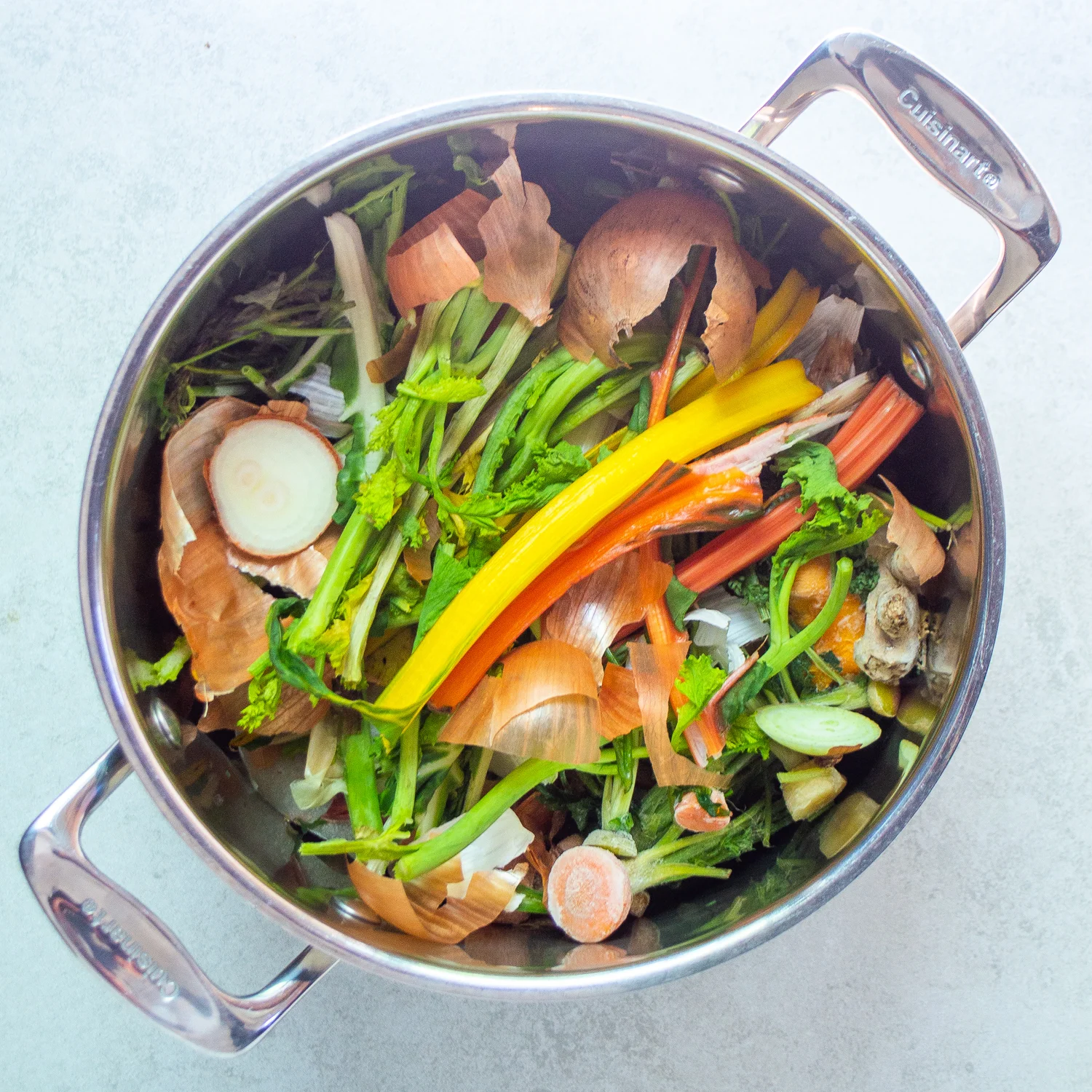
Have you ever tossed vegetable scraps into the trash without a second thought? What if those leftover peels, stems, and ends could turn into something delicious and nourishing for your meals?
Making vegetable stock from kitchen scraps is an easy, cost-effective way to reduce waste and boost the flavor of your cooking. You’ll discover simple steps to transform what you usually throw away into a rich, homemade stock that adds depth to soups, stews, and sauces.
Keep reading—you’ll be surprised how little effort it takes to make the most out of your kitchen scraps.
Credit: homesteadandchill.com
Benefits Of Vegetable Stock
Vegetable stock made from kitchen scraps offers several benefits. It is a smart way to use leftover vegetables and reduce waste. This simple practice improves cooking and helps the environment. Here are some key benefits of making vegetable stock at home.
Eco-friendly Cooking
Using kitchen scraps for stock cuts down food waste. Less waste means fewer resources are wasted too. It lowers the amount of trash sent to landfills. This small step helps reduce pollution and conserve energy.
Cost Savings
Making stock from scraps saves money. Instead of buying store-bought broth, use parts of vegetables you would throw away. It turns scraps into a valuable ingredient. This keeps your grocery bills lower over time.
Enhanced Flavor
Homemade vegetable stock has a richer taste. It contains natural flavors from fresh scraps. You can control the ingredients and seasonings. This adds depth to soups, stews, and sauces in your cooking.
Choosing Kitchen Scraps
Choosing the right kitchen scraps is crucial to making a flavorful and rich vegetable stock. Not all scraps are created equal, and knowing which ones add depth versus those that might muddy the taste can make a huge difference. Paying attention to the quality and type of scraps you save will help you create a stock that enhances your dishes instead of overpowering them.
Best Vegetables To Use
Some vegetable scraps pack more flavor and nutrients than others. Onion skins, carrot peels, celery leaves, and garlic cloves are excellent choices. They bring a natural sweetness and aromatic base to your stock.
Tomato tops and mushroom stems add umami, enriching the broth’s complexity. Even herb stems like parsley and thyme contribute subtle, fresh notes. You’ll find that combining these scraps creates a well-rounded stock every time.
Scraps To Avoid
Not every kitchen scrap belongs in your stock pot. Avoid scraps from bitter vegetables like broccoli stalks or Brussels sprout cores—they can make your stock taste off. Also, stay away from scraps that might carry strong, unwanted flavors such as cabbage or asparagus.
Any spoiled or moldy scraps should be discarded immediately. Remember, the goal is to enhance your stock, not ruin it. Keeping your scraps fresh and clean is key to a great outcome.
Storing Scraps Properly
Collecting scraps is only the first step; storing them properly ensures they stay fresh until you’re ready to cook. Use a breathable container or a paper bag in the fridge to keep scraps from becoming slimy. Avoid sealing them in plastic bags, which trap moisture and speed up spoilage.
Freeze scraps if you don’t plan to use them within a week. This way, you can build up a stash over time without worrying about waste. How often do you toss scraps without thinking? Keeping a dedicated container might surprise you with how much you save.
Preparing Scraps For Stock
Collect vegetable scraps like peels, ends, and leaves to prepare for stock. Rinse them well to remove dirt and avoid spoiled pieces. Store scraps in a container or bag in the freezer until ready to cook.
Preparing vegetable stock from kitchen scraps is a rewarding way to reduce waste and enhance the flavors of your homemade dishes. The process begins with preparing your scraps. This step ensures that your stock is both flavorful and safe to consume. Let's explore how to get the most out of your vegetable trimmings.
Washing And Cleaning
Before anything else, clean your scraps thoroughly. Dirt and pesticides can linger on peels and leaves, so a good rinse under cold water is essential. Use a vegetable brush to scrub tougher skins like carrots or potatoes. Avoid using spoiled or rotten vegetables. They can impart an undesirable taste to your stock. Remember, fresh is best, even when it’s a scrap.
Chopping Tips
Size matters when it comes to releasing flavors. Chop your scraps into uniform pieces to ensure even cooking. Smaller pieces allow for quicker extraction of flavors. Onions, carrots, and celery are classic stock staples. Try to balance your scraps for a well-rounded taste. Too much of one type can overpower the others.
Combining Flavors
Not all scraps are created equal. Some, like broccoli or cabbage, can be overpowering and turn your stock bitter. Use them sparingly or mix them with milder scraps. Consider what flavors you want to infuse. Add herbs like parsley stems or bay leaves for an aromatic boost. Be mindful of the flavors that complement each other to create a harmonious blend. By thoughtfully preparing your scraps, you transform potential waste into a culinary treasure. What creative combinations can you think of for your next batch of stock?
Cooking Vegetable Stock
Cooking vegetable stock from kitchen scraps is a simple and rewarding way to reduce waste while creating a flavorful base for soups, stews, and sauces. The process is straightforward, but a few key details can make a big difference in the taste and quality of your stock. Let's focus on the essentials to get the best results from your homemade vegetable stock.
Choosing The Right Pot
Select a pot that is large enough to hold all your scraps and water comfortably, ideally with a capacity of at least 4 to 6 quarts. A heavy-bottomed pot works best because it distributes heat evenly and prevents burning. You want enough space for the ingredients to move around freely as they simmer, which helps extract maximum flavor.
I once tried making stock in a small pot, and it boiled over quickly, leaving me with a messy stove and weak-tasting stock. A bigger pot makes the process smoother and less stressful.
Water To Scrap Ratio
The balance between water and scraps is crucial. Aim for about 1 part scraps to 2 parts water by volume. This ratio ensures your stock isn’t too diluted or too concentrated, giving you a rich and balanced flavor.
Too much water means a bland stock, while too little can make it overly intense or even bitter. If you’re unsure, start with 4 cups of water for every 2 cups of vegetable scraps and adjust in future batches based on your taste.
Simmering Time
Simmer your vegetable stock gently for about 45 minutes to 1 hour. This timeframe is enough to extract flavors without breaking down the vegetables too much and causing bitterness. Avoid boiling vigorously, as it can make the stock cloudy and less pleasant.
Try tasting your stock after 30 minutes to see how the flavors are developing. Have you ever left stock simmering too long and ended up with a bitter taste? Keeping an eye on the time helps prevent that.
Straining And Storing
Straining and storing your homemade vegetable stock is a crucial step that determines the clarity, flavor, and shelf life of your broth. Proper straining removes unwanted solids, giving you a smooth base for soups, sauces, and stews. How you store the stock impacts how long it stays fresh and ready for use, so it’s worth taking a moment to do it right.
Effective Straining Methods
Use a fine mesh sieve or cheesecloth to strain your stock. Pour the broth slowly to catch all the tiny bits of vegetable scraps and herbs. If you want an ultra-clear stock, double strain it by passing the liquid through a clean cheesecloth-lined sieve again.
Don’t press or squeeze the scraps too hard; this can make the stock cloudy and bitter. Instead, let gravity do the work to keep your stock light and flavorful. Have you tried using a nut milk bag? It works wonders for catching every little piece.
Cooling And Refrigerating
Cool the strained stock quickly to avoid bacterial growth. Pour it into shallow containers to speed up the cooling process. Avoid leaving hot stock out on the counter for too long—it can spoil fast.
Once cooled, seal the containers tightly and store them in the fridge. Your stock will stay fresh for about 3 to 4 days. If you find your fridge space limited, consider dividing the stock into smaller portions for easier use.
Freezing For Later Use
Freezing stock is perfect if you make large batches and want to save some for busy days. Use airtight containers or freezer bags, leaving some space at the top because liquid expands when frozen.
Label each container with the date so you can keep track. Frozen stock lasts up to 3 months and thaws quickly in the fridge or in warm water. Have you ever frozen stock in ice cube trays? It’s an easy way to grab small amounts whenever you need them.

Credit: food52.com
Creative Uses For Vegetable Stock
Vegetable stock offers many creative uses beyond just a cooking base. It adds flavor and nutrition to many dishes. Using homemade stock reduces waste and enhances meals naturally.
Soups And Stews
Vegetable stock makes soups richer and tastier. It adds depth to simple vegetable soups. Use it to cook stews for a fuller flavor. Stock also helps balance spices and herbs. It keeps soups light yet flavorful.
Cooking Grains And Legumes
Cook rice, quinoa, or lentils in vegetable stock instead of water. It boosts their taste and aroma. Grains absorb the stock’s flavors for a delicious result. This method works well for pilafs and salads. It makes dishes more satisfying without extra salt.
Sauces And Gravies
Use vegetable stock as a base for sauces and gravies. It enriches the sauce without adding fat. Stock blends well with herbs and spices. It helps create smooth, flavorful sauces for pasta or veggies. This is a healthy way to add moisture and taste.
Tips To Maximize Flavor
Getting the most flavor out of your vegetable stock made from kitchen scraps is easier than you think. Small tweaks can turn a simple broth into a rich, savory base for soups and sauces. Let’s dive into some practical tips that will help your stock shine.
Adding Herbs And Spices
Fresh or dried herbs can lift your stock’s flavor dramatically. Try adding a few sprigs of thyme, a bay leaf, or a couple of parsley stems during simmering.
Whole spices like peppercorns or a clove of garlic can add subtle complexity. Just be careful not to overpower the natural vegetable taste.
Think about what flavor profile you want. Are you aiming for something earthy, bright, or aromatic? Adjust your herbs and spices accordingly.
Avoiding Bitterness
Some vegetable scraps can introduce bitterness, especially onion skins, broccoli stems, or overly mature greens. To keep bitterness in check, avoid using large amounts of these ingredients.
Simmer your stock gently, and don’t let it boil vigorously. A slow simmer helps extract flavor without breaking down bitter compounds.
Have you noticed a bitter aftertaste in your past stocks? Try rinsing your scraps before cooking or balancing with a small pinch of sugar to neutralize harsh flavors.
Boosting Umami
Umami is the savory taste that makes stocks taste deeply satisfying. Adding mushroom stems, sun-dried tomatoes, or a splash of soy sauce can boost this flavor.
Roasting some of your scraps before simmering also enhances umami. Caramelization brings out natural sweetness and depth.
Do you want a richer flavor without adding meat? These umami boosters can make your vegetable stock taste like a gourmet base.

Credit: blog.blueapron.com
Frequently Asked Questions
What Kitchen Scraps Can I Use For Vegetable Stock?
You can use onion peels, carrot ends, celery leaves, garlic skins, and mushroom stems. Avoid bitter or moldy scraps. These scraps add flavor and nutrients to your stock.
How Long Should I Simmer Vegetable Stock?
Simmer your vegetable stock for 30 to 60 minutes. This timeframe extracts flavors without making it bitter. Avoid overcooking to keep the broth fresh and tasty.
Can I Freeze Homemade Vegetable Stock?
Yes, homemade vegetable stock freezes well. Store it in airtight containers or ice cube trays. Freeze for up to 3 months for convenient, ready-to-use broth.
Is Vegetable Stock Healthy To Consume Regularly?
Vegetable stock is low in calories and rich in vitamins. It hydrates and adds nutrients to meals. Homemade stock is free from preservatives, making it a healthy choice.
Conclusion
Making vegetable stock from kitchen scraps saves money and reduces waste. It uses simple ingredients you already have at home. The process takes little time but adds great flavor to meals. You can store the stock in the fridge or freezer for later use.
Try this easy way to cook smarter and eat healthier. Small steps like this help the planet too. Enjoy your homemade stock in soups, stews, and sauces. Give it a try and notice the difference in your cooking.