
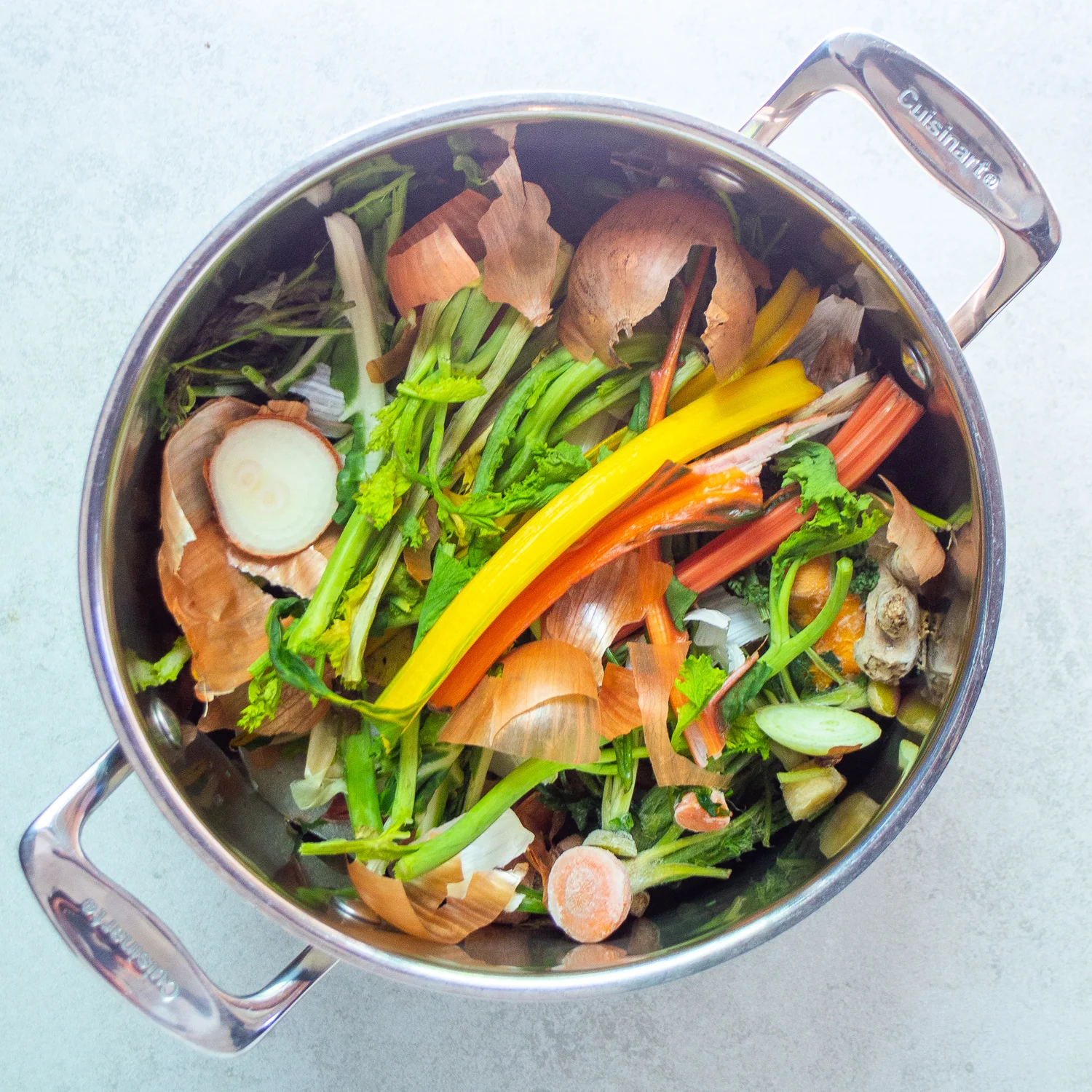
Have you ever tossed vegetable scraps into the trash without a second thought? What if those peels, stems, and ends could transform into something delicious and nourishing?
Making veggie stock from kitchen scraps is a simple way to reduce waste, save money, and boost the flavor of your meals. You’ll discover easy steps to turn your leftover veggies into a rich, homemade stock that will elevate your cooking.
Ready to unlock the hidden potential in your kitchen scraps? Let’s get started!
Benefits Of Veggie Stock
Making veggie stock from kitchen scraps offers more than just a base for soups and stews. It brings several valuable benefits that impact your kitchen, wallet, and the environment. Understanding these advantages might just inspire you to start saving those veggie bits instead of tossing them.
Reducing Food Waste
Every carrot peel and onion end you save can become part of a flavorful stock. Instead of throwing away these scraps, you give them a second life in your cooking. This small habit helps cut down the amount of food waste heading to the trash or landfill.
Have you ever noticed how much vegetable peelings you throw out in a week? Collecting them for stock can change that and reduce your kitchen’s footprint.
Saving Money
Buying pre-made broth or stock adds up over time. Using scraps you already have means you don’t need to spend extra on these ingredients. It's a smart way to stretch your grocery budget without compromising on taste.
Think about how often you buy stock or broth. How much could you save if you made your own regularly from leftovers?
Boosting Flavor Naturally
Veggie stock made from scraps offers a rich, fresh flavor you can’t get from store-bought versions loaded with preservatives. It lets you control exactly what goes into your cooking, avoiding artificial additives. Plus, homemade stock adds depth and complexity to dishes in a natural way.
When you taste your own veggie stock, you might be surprised by how much it enhances your meals. What simple changes in your kitchen could bring this kind of fresh flavor to your table?
Credit: homesteadandchill.com
Choosing Kitchen Scraps
Choosing the right kitchen scraps is the foundation for making a rich and flavorful veggie stock. Not all scraps are created equal—some add depth, while others can overpower or spoil the taste. Knowing what to pick and what to leave out will save you from a bitter or off-putting broth.
Best Vegetables To Use
Root vegetables like carrots, celery, and onions form the perfect base for your stock. Their natural sweetness and earthiness enhance the broth's flavor without overwhelming it.
Tomato scraps, especially the skins and cores, add a subtle acidity that brightens the stock. Mushroom stems are another hidden gem—they bring umami richness that makes your stock taste full-bodied.
- Carrot peels and ends
- Celery stalks and leaves
- Onion skins and root ends
- Mushroom stems
- Tomato cores and skins
- Leek greens
Avoiding Bitter Or Strong Flavors
Some scraps can ruin your stock with bitterness or overpowering notes. Avoid using scraps from cruciferous vegetables like broccoli, cauliflower, or cabbage, as they release strong flavors that dominate the broth.
Also, skip any vegetable parts that are bruised or moldy since they can spoil the stock’s taste and safety. Garlic skins can be used sparingly, but too much might make the stock too pungent.
Safe Scraps To Include
Always wash your scraps thoroughly to remove dirt and pesticides. Storing scraps in a dedicated container in your fridge helps you collect enough for a batch without waste.
You can safely include herb stems such as parsley, thyme, and cilantro—they add a fresh, aromatic touch without overpowering the stock. Just avoid woody stems like rosemary or sage, which can be too strong.
- Parsley stems
- Thyme sprigs
- Cilantro stems
- Clean vegetable peels and ends
- Discarded green onion tops
What scraps do you usually toss that could be a hidden treasure in your next veggie stock?
Preparing Scraps For Stock
Save vegetable peels, ends, and leaves in a container for making stock. Rinse scraps to remove dirt before storing. Freeze scraps to keep them fresh until ready to use.
Preparing veggie stock from kitchen scraps is a rewarding and sustainable practice. It not only reduces waste but also adds depth to your culinary creations. By giving those onion peels, carrot tops, and celery leaves a new life, you can create a rich, flavorful broth that enhances your favorite dishes.
Washing And Storing
Before you start collecting scraps, ensure they are clean. Rinse your vegetables thoroughly under cold water to remove any dirt or residues. This simple step prevents any unwanted flavors from sneaking into your stock. As you cook throughout the week, store your clean scraps in a designated container in the fridge. A large jar or a reusable bag works well. Make sure the container is airtight to preserve freshness.
Chopping And Freezing Tips
Chop your veggie scraps into manageable pieces before freezing them. This will save you time later when you're ready to make your stock. Smaller pieces also freeze more evenly, ensuring a consistent flavor. Consider using a freezer-friendly bag or container. Label it with the date and type of scraps inside. This helps you keep track of what's available and ensures you use the oldest scraps first. Have you ever noticed that some veggies freeze better than others? Experiment with different scraps to see which ones retain the best flavor. This trial and error can lead to delightful discoveries in your homemade stock journey.

Credit: blog.blueapron.com
Cooking Veggie Stock
Cooking your own veggie stock from kitchen scraps is a simple way to reduce waste and create a flavorful base for countless dishes. The process is forgiving, allowing you to experiment with different vegetable combinations. Once you understand the basics, you can tailor the stock to suit your taste and cooking needs.
Basic Recipe Steps
Start by gathering your vegetable scraps like onion peels, carrot ends, celery leaves, and mushroom stems. Rinse them briefly to remove any dirt or debris. Place the scraps in a large pot and cover them with cold water, about 8 cups for every 4 cups of scraps.
Bring the water to a gentle boil, then immediately reduce the heat to a low simmer. Avoid adding salt or strong spices at this stage, as it’s best to season your dishes later. Once simmering, you’re ready to develop the flavors.
Simmering Time And Temperature
Keep your stock at a low simmer—not a rolling boil—to extract flavors without making it cloudy. Simmering for 30 to 45 minutes usually releases enough flavor from the scraps without overcooking. Have you noticed how longer simmering can sometimes turn the stock bitter?
After simmering, strain the stock through a fine mesh sieve or cheesecloth. This step removes solids and results in a clear, clean broth perfect for soups, risottos, or sauces.
Flavor Enhancements
To boost your veggie stock, consider adding a few simple ingredients that deepen the taste. A couple of garlic cloves, a bay leaf, or fresh herbs like thyme and parsley add layers of flavor. If you have a piece of dried seaweed like kombu, it can introduce a subtle umami note.
Try to avoid strong-flavored vegetables like broccoli or cabbage—they can overpower the stock. What flavor combinations have you tried that surprised you in a good way? Experimenting with small additions can make your veggie stock uniquely yours.
Straining And Storing Stock
Straining and storing veggie stock properly keeps the flavors clear and fresh. It removes leftover bits and helps the stock last longer. Clean stock looks better and tastes smoother in soups and sauces.
Straining Techniques
Use a fine mesh sieve to catch small pieces. Pour the stock slowly to avoid spills. For extra clarity, strain twice through cheesecloth or a clean kitchen towel. Avoid pressing scraps to keep the stock clear. Discard the solids or compost them.
Cooling And Refrigeration
Cool the stock quickly to prevent bacteria growth. Pour it into shallow containers for faster cooling. Leave the container uncovered until it reaches room temperature. Cover and place in the fridge within two hours. Use refrigerated stock within 4 to 5 days.
Freezing For Future Use
Freeze stock in portions for easy use later. Use ice cube trays for small servings. Once frozen, transfer cubes to freezer bags. Label bags with the date to track freshness. Frozen stock lasts up to 3 months. Thaw in the fridge or add directly to hot dishes.
Creative Uses For Veggie Stock
Veggie stock made from kitchen scraps is more than just a way to reduce waste—it’s a versatile ingredient that can boost the flavor of many dishes. Once you have a batch ready, think beyond just using it as a base for soups. Veggie stock adds depth and richness to a wide range of recipes, giving you more reasons to save those peels, ends, and leaves.
Soups And Stews
Veggie stock is perfect for soups and stews, turning simple ingredients into comforting meals. It enhances the natural taste of your veggies, beans, or grains, making every spoonful more satisfying. Try swapping water for veggie stock in your favorite soup recipes to notice the difference immediately.
Have you ever made a stew and felt it was missing something? Adding homemade veggie stock can fill that gap, giving your dish a richer, fuller flavor without extra salt or seasoning.
Cooking Grains And Legumes
Using veggie stock instead of plain water to cook rice, quinoa, lentils, or beans infuses them with flavor from the start. This small change can make your side dishes or salads taste more vibrant and interesting. For example, cooking brown rice in veggie stock adds a subtle earthiness that complements roasted vegetables beautifully.
Next time you boil lentils for a salad or curry, try veggie stock. It’s a simple trick that can lift a basic ingredient to something special, saving you from adding too many sauces later.
Sauces And Gravies
Veggie stock is a fantastic base for sauces and gravies, giving them body and taste without relying on heavy cream or butter. When you reduce veggie stock with herbs and spices, you create a flavorful sauce that pairs well with pasta, roasted veggies, or tofu.
Think about making a quick pan sauce after sautéing mushrooms or onions—adding a splash of veggie stock instead of water can turn drippings into a rich, silky sauce that enhances your meal.
Tips For Sustainable Cooking
Sustainable cooking helps reduce waste and saves resources. It makes the kitchen eco-friendly and budget-friendly. Using kitchen scraps for veggie stock is a smart way to practice sustainability. Small actions add up to big changes.
Reducing Kitchen Waste
Saving vegetable peels, ends, and leaves prevents throwing good food away. Store scraps in a container in the fridge. Use them within a week to keep freshness. This habit cuts down on food waste. It lowers your grocery bills and helps the planet.
Composting Leftover Scraps
Some scraps cannot be used for stock, like onion skins or tough stems. Composting turns these scraps into rich soil for plants. Start a small compost bin at home or join a community compost program. Composting reduces landfill waste and enriches your garden soil. It closes the food loop naturally and simply.

Credit: food52.com
Frequently Asked Questions
What Kitchen Scraps Are Best For Veggie Stock?
Use onion skins, carrot peels, celery ends, and garlic cloves. Avoid bitter scraps like broccoli stems or cabbage cores for better flavor.
How Long Should Veggie Stock Simmer?
Simmer veggie stock for 30 to 45 minutes. This extracts flavors without becoming bitter or overpowering.
Can I Freeze Homemade Veggie Stock?
Yes, freeze veggie stock in airtight containers or ice cube trays. It keeps fresh for up to 3 months.
Is Veggie Stock Healthier Than Store-bought?
Homemade veggie stock contains no preservatives or additives. It’s fresh, flavorful, and often more nutritious than store-bought options.
Conclusion
Making veggie stock from kitchen scraps saves money and reduces waste. It uses simple ingredients you already have. This stock adds rich flavor to soups, stews, and sauces. You control what goes inside, so it stays healthy and fresh. Try it often to enjoy homemade broth anytime.
Small efforts in the kitchen can make a big difference. Give your scraps a second life and cook smarter. Cooking becomes easier and tastier with your own veggie stock.