
Your kitchen sponge is one of the dirtiest tools you use every day, but did you know you can easily clean it using just your microwave? If you’ve ever wondered how to make your sponge bacteria-free without harsh chemicals, this simple trick will surprise you.
By following a few easy steps, you can keep your sponge fresh, safe, and ready to tackle any mess. Keep reading to discover how to microwave your kitchen sponge the right way and protect your family from harmful germs.

Credit: www.deseret.com
Benefits Of Microwaving Sponges
Microwaving your kitchen sponge offers more than just a quick way to freshen it up. This simple practice brings a range of benefits that improve hygiene, save you money, and cut down on cleaning time. If you want to keep your sponge safe and effective, understanding these advantages can change the way you maintain your kitchen tools.
Kills Germs Effectively
Microwaving your sponge can destroy harmful bacteria and germs that thrive in damp environments. Studies show that just a minute or two in the microwave can eliminate up to 99% of these microbes. This means your sponge isn’t just cleaner to the eye, but truly safer for your health.
Think about how often your sponge comes into contact with raw food and dirty dishes. Would you trust it to be germ-free without this extra step? Microwaving gives you a reliable way to reduce the risk of spreading bacteria around your kitchen.
Extends Sponge Lifespan
Instead of tossing your sponge after a week or two, microwaving can help you get more use out of it. The heat kills bacteria that cause bad odors and material breakdown, keeping your sponge fresher for longer. You save money by not having to replace it as often.
This method is especially useful if you’re trying to cut down on waste. Have you noticed how quickly sponges start to smell or fall apart? Microwaving helps delay that process, giving you better value from each sponge.
Saves Time And Effort
Cleaning your sponge in the microwave takes just a couple of minutes and requires no special products or scrubbing. It’s a quick fix that fits easily into your kitchen routine. You don’t have to soak or rinse it repeatedly to get the same level of cleanliness.
Imagine reducing the time spent worrying about sponge hygiene each week. Wouldn’t it be nice to spend those minutes doing something more enjoyable? Microwaving makes sponge maintenance simple and effective, so you can focus on other tasks.
Preparing Your Sponge
Preparing your kitchen sponge correctly is key to cleaning it safely in the microwave. This process ensures the sponge heats evenly and kills bacteria effectively. Taking a few simple steps before microwaving can improve results and extend your sponge’s life.
Choose The Right Sponge
Pick a sponge made from synthetic materials. Natural sponges or those with metal scrubbing pads are not microwave safe. Look for sponges labeled microwave-safe or those without metal parts. This helps avoid sparks or fires in the microwave.
Remove Excess Food Debris
Rinse the sponge under running water to wash away food bits. Scrape off any stuck-on particles using your fingers or a brush. This prevents burning and unpleasant smells during microwaving. A clean sponge heats more evenly and stays fresher longer.
Wet The Sponge Properly
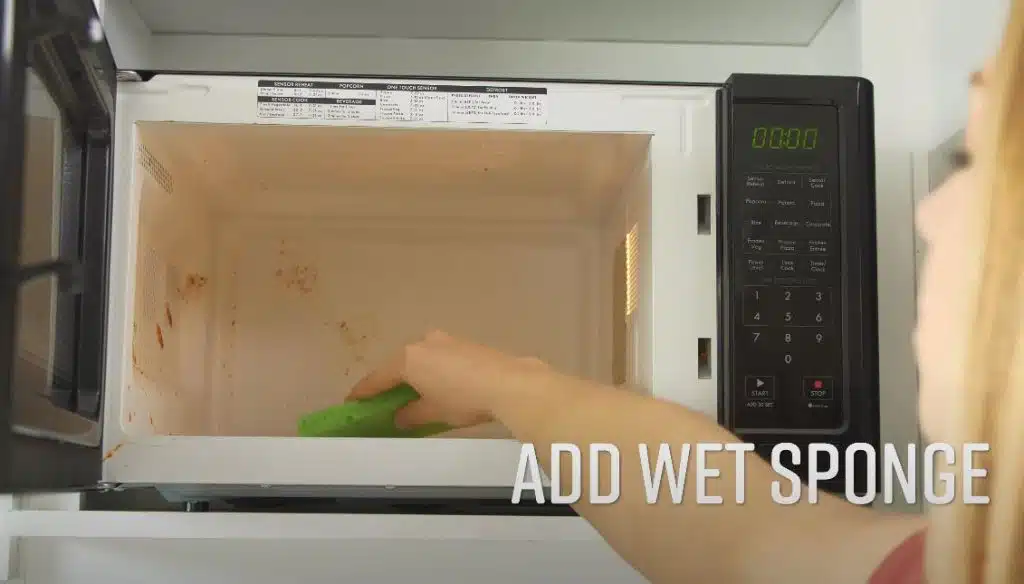
Soak the sponge completely with clean water before microwaving. A wet sponge absorbs heat better and reduces fire risk. Squeeze out excess water until it feels damp but not dripping. This step protects both the sponge and your microwave.
Microwave Settings And Timing
Set your microwave to high power and heat the damp sponge for about one to two minutes. Ensure the sponge is wet to avoid any fire risk during microwaving. Let it cool before handling to kill most germs effectively.
Microwaving your kitchen sponge is an effective way to kill bacteria and keep your cleaning tools sanitary. However, getting the microwave settings and timing right is crucial. If you've ever wondered how long to microwave a sponge, you're not alone. Understanding the right wattage and duration can make all the difference. Let's dive into the specifics to ensure your sponge is sanitized without any mishaps.
Recommended Wattage
The wattage of your microwave plays a significant role in effectively sanitizing your sponge. Most household microwaves range between 600 to 1200 watts. Aiming for a medium to high setting, around 1000 watts, is generally ideal. This ensures enough power to eliminate bacteria without causing damage to the sponge. Check your microwave's manual or label to find out its wattage. Adjust accordingly if your microwave is on the lower or higher end.
Ideal Heating Duration
Timing is everything when it comes to microwaving a sponge. A common recommendation is to heat the sponge for about one to two minutes. Shorter times may not effectively kill germs, while longer durations risk overheating. Keep a close eye on your sponge as it heats to avoid any unpleasant surprises. Have you ever wondered if your sponge is truly clean? A quick minute in the microwave could be the answer.
Avoiding Overheating
Overheating your sponge can lead to burning or melting, which is both unsafe and messy. To prevent this, ensure your sponge is damp before microwaving. A dry sponge is more likely to catch fire, so add a few drops of water if needed. Additionally, stay nearby to monitor the process and stop the microwave if you notice any smoke. Are you ready to try this technique? Following these tips can keep your sponges clean and your kitchen safe.

Credit: www.mirror.co.uk
Safety Precautions
Microwaving kitchen sponges is a quick way to kill germs. Safety must come first to avoid accidents. Following clear precautions helps protect your home and yourself.
Preventing Fires
Never microwave a dry sponge. Always soak it in water before heating. A dry sponge can catch fire easily. Set the microwave timer for short bursts, like 30 seconds. Watch the sponge closely during microwaving. Stop immediately if you see smoke or smell burning.
Handling Hot Sponges
Microwaved sponges get very hot. Use tongs or gloves to remove them. Let the sponge cool on a heatproof surface. Avoid touching it with bare hands to prevent burns. Wait a few minutes before using the sponge again.
Avoiding Metal Components
Do not microwave sponges with metal parts. Metal can cause sparks and damage the microwave. Check your sponge before microwaving. Remove any scrubbers or attachments with metal wires. Only microwave plain, wet sponges for safety.
Alternative Cleaning Methods
Cleaning a kitchen sponge is crucial for hygiene. Besides microwaving, other easy ways exist. These alternative methods kill bacteria and extend sponge life. Choose the one that fits your kitchen style and tools.
Boiling Water Technique
Boiling water is a simple, effective way to clean sponges. Place the sponge in a pot of boiling water for about 5 minutes. The high temperature kills germs and softens food residues. Let the sponge cool before use. This method is chemical-free and safe for most sponges.
Using Vinegar Or Bleach
Vinegar and bleach work well to disinfect kitchen sponges. Soak the sponge in a bowl of white vinegar for 5 minutes to kill bacteria naturally. For a stronger clean, use a diluted bleach solution (1 part bleach to 9 parts water). Soak the sponge for 2 minutes, then rinse thoroughly. Always handle bleach with care and keep it away from children.
Dishwasher Cleaning
Running sponges through a dishwasher cycle cleans and sanitizes them. Place the sponge on the top rack and use a hot water cycle. The heat and detergent remove germs and grime effectively. This method is quick and uses household appliances you already have. Make sure the sponge is dishwasher-safe before use.

Credit: www.absolutesolutions.com.sg
Maintaining Sponge Hygiene
Keeping your kitchen sponge clean is essential to avoid spreading germs instead of cleaning them up. A microwave can help kill bacteria, but maintaining sponge hygiene involves more than just microwaving. You need a routine that includes replacing, drying, and recognizing when your sponge is no longer safe to use.
Regular Replacement Schedule
Microwaving your sponge can kill many germs, but it doesn’t make your sponge last forever. Aim to replace your kitchen sponge every one to two weeks, depending on how often you use it.
If you cook daily and use your sponge multiple times a day, consider switching it out weekly. For lighter use, two weeks might be fine, but don’t push it beyond that.
Have you noticed your sponge starting to smell or break apart? That’s a clear sign it’s time for a fresh one.
Drying And Storage Tips
After using your sponge, rinse it thoroughly to remove food particles. Squeeze out as much water as you can—moisture encourages bacteria growth.
Store your sponge in a place where air can circulate freely, like on a sponge holder that drains well. Avoid leaving it in the bottom of a sink or a closed container.
One trick I use is to stand my sponge upright between uses. It dries faster and stays fresher longer.
Signs Of Sponge Wear
How can you tell if your sponge has outlived its usefulness? Look for cracks, tears, or a slimy texture. These indicate the sponge is harboring too many germs and won't clean effectively.
A sponge that leaves residue or doesn’t absorb water well also needs replacing. Don’t wait for a bad smell—physical wear is a stronger signal.
Think of your sponge like a cleaning tool that needs care, not just a throwaway item. Staying alert to these signs keeps your kitchen safer and your dishes cleaner.
Frequently Asked Questions
How Long Should I Microwave A Kitchen Sponge?
Microwave your sponge on high for 1 to 2 minutes. Ensure the sponge is wet to avoid fire risks. This time effectively kills most bacteria and germs, keeping your sponge hygienic and safe to use.
Can Microwaving A Sponge Sanitize It Completely?
Microwaving kills most germs but may not sterilize completely. It significantly reduces bacteria but some spores might survive. For best results, combine microwaving with regular sponge replacement and cleaning.
Is It Safe To Microwave Any Kitchen Sponge?
Only microwave wet, non-metallic sponges. Dry or metallic sponges can catch fire or cause sparks. Always ensure the sponge is soaked before microwaving to prevent hazards.
How Often Should I Microwave My Kitchen Sponge?
Microwave your sponge 2 to 3 times a week for hygiene. Frequent microwaving helps reduce bacterial buildup and odor. Replace your sponge regularly for optimal kitchen cleanliness.
Conclusion
Microwaving your kitchen sponge helps kill many germs quickly. It keeps your sponge cleaner and safer to use. Remember to wet the sponge before microwaving to avoid fire risks. Heat it for about one to two minutes on high power.
Let it cool down before handling. Doing this regularly can extend your sponge’s life. A simple step that improves your kitchen hygiene. Try it and see the difference in your cleaning routine. Clean sponges mean healthier dishes and less bacteria around.
Easy, fast, and effective.