
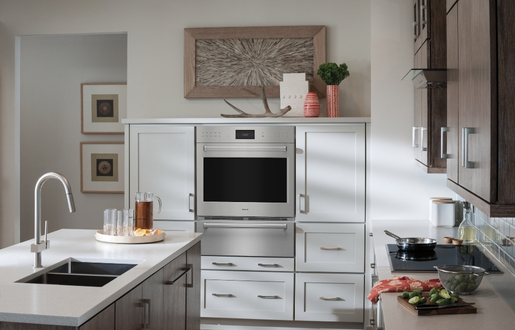
Are you wondering where the best spot for your oven in the kitchen is? Placing your oven correctly can make a huge difference in how smoothly your cooking flows.
Imagine reaching for your oven without bumping into anything or having enough space to move freely while baking your favorite dishes. This guide will help you find the perfect place for your oven, making your kitchen safer, more efficient, and a joy to cook in.
Keep reading to discover simple tips that will transform your kitchen setup and make every meal easier to prepare.
Choosing The Right Location
Choosing the right location for your oven is crucial to creating a kitchen that feels both functional and comfortable. The spot you pick impacts how easily you cook, clean, and move around. It’s not just about fitting the oven in; it’s about fitting it in well.
Consider Kitchen Layout
Look at your kitchen’s overall design before placing the oven. Is your kitchen open-plan or a closed space? An open layout might allow more flexibility, while a smaller kitchen demands careful space management.
Think about the "work triangle" between the stove, sink, and refrigerator. Your oven should be part of this triangle to reduce unnecessary steps. If your oven is too far from these areas, meal prep can become tiring.
Check Ventilation Needs
Ovens generate heat and odors that need proper ventilation. Make sure the spot you choose is near a vent or a window to avoid smoky or overheated kitchens. Poor ventilation can affect your comfort and even damage your cabinets over time.
Do you have an existing hood or exhaust fan? Position the oven so these work efficiently. If you don’t, plan for installing one—this small step saves you from big headaches later.
Assess Accessibility
Can you easily open the oven door without bumping into counters or appliances? Accessibility matters for safety and ease of use. You want to avoid awkward bends or reaching over hot surfaces.
Consider who uses the kitchen most often. Is the oven at a comfortable height for everyone? Think about adding features like slide-out shelves or side-opening doors if space is tight. These small adjustments make daily cooking smoother.
Measuring Space Requirements
Measuring space requirements is a key step before placing an oven in your kitchen. Precise measurements help ensure the oven fits well and works safely. This step prevents costly mistakes and improves kitchen workflow.
Account For Oven Dimensions
Start by checking the oven’s height, width, and depth. Measure the exact space where the oven will go. Include any built-in cabinets or shelves around the area. Compare your measurements with the oven size to confirm a good fit.
Allow Clearance For Safety
Leave extra space around the oven for heat circulation. Follow the manufacturer’s guidelines for minimum clearance distances. Proper clearance prevents overheating and protects nearby surfaces. It also helps maintain air flow and oven performance.
Plan For Door Swing
Measure the space needed for the oven door to open fully. Check the direction the door swings and avoid blocking walkways or cabinets. Ensure the door can open without hitting walls or appliances. This step improves comfort and kitchen safety.
Electrical And Gas Connections
Place the oven near existing electrical or gas lines for easy connection. Ensure outlets and pipes are safely accessible and meet local codes. Proper placement prevents hazards and allows efficient use of energy.
Placing an oven in your kitchen involves more than just finding a convenient spot. Ensuring the electrical and gas connections are set up correctly is crucial for safety and functionality. Each connection type has its specific requirements and considerations, which can impact the overall efficiency and safety of your kitchen setup.
Locate Power Sources
First, identify where your power sources are located. Check if there are existing outlets nearby, or if you need to install new ones. If you’re using an electric oven, you'll need a dedicated circuit to handle the appliance's power requirements. This means ensuring your kitchen's electrical panel can support the additional load without tripping.
Ensure Proper Wiring
Proper wiring is key to avoiding electrical issues. Consider hiring a certified electrician to ensure everything is up to code. Faulty wiring can lead to hazards, so it's important to use the right gauge of wire for your oven’s wattage. Have you ever experienced a tripped breaker while baking? It’s often due to inadequate wiring.
Plan Gas Line Placement
For gas ovens, planning the gas line placement is crucial. The gas line should be easily accessible and not obstruct other kitchen functions. Consider the distance from your gas supply to minimize pressure loss. Have you thought about how a misplaced gas line could affect your kitchen’s layout? Proper planning now can save headaches later. Incorporating these steps ensures your oven is both functional and safe. Whether you are upgrading or installing a new oven, focusing on these connections will enhance your kitchen experience. Remember, a well-placed oven is not just about aesthetics but also about optimizing functionality.
Credit: www.artisanwestappliance.com
Integrating With Other Appliances
Placing your oven in the kitchen is more than just finding an empty spot. It needs to work well with your other appliances to keep cooking smooth and efficient. Thinking about how the oven fits with the cooktop, fridge, and storage areas can save you time and hassle every day.
Maintain Adequate Spacing
Give your oven enough space to breathe and operate safely. Avoid cramming it too close to cabinets or other appliances that generate heat. A gap of at least a few inches on each side helps prevent overheating and allows proper ventilation.
Have you noticed how tight spaces make cooking stressful? Leaving room around the oven also means you can open the door fully without blocking pathways or bumping into something.
Coordinate With Cooktop
Place the oven near your cooktop to create a natural cooking zone. This setup lets you move food quickly between the stovetop and oven without carrying hot dishes across the kitchen.
Think about your cooking routine: do you often start on the cooktop and finish in the oven? If yes, keeping these appliances close saves you from extra steps and spills.
Plan For Storage Nearby
Keep essential cooking tools and bakeware within arm’s reach of your oven. Cabinets or drawers nearby should hold pots, pans, oven mitts, and trays.
When I moved my oven next to a deep drawer for baking sheets, it changed how smoothly I work. No more hunting through the entire kitchen for what I need.
- Store spices and oils close to the cooktop, not the oven, to avoid heat damage.
- Use pull-out shelves near the oven for easy access to heavy items.
- Reserve a countertop spot nearby for cooling racks and prepping baked goods.
Ergonomics And User Comfort
Ergonomics and user comfort are key when placing an oven in your kitchen. The right positioning makes cooking easier, safer, and more enjoyable. Imagine reaching effortlessly for your favorite dish without bending or stretching awkwardly—this is what good ergonomic design aims to achieve.
Optimal Oven Height
The height of your oven significantly affects your comfort during cooking. Ideally, the oven should be installed at waist to eye level to reduce bending or stretching. This height lets you check your food easily without straining your back or neck.
Think about the times you’ve had to crouch down to look inside a low oven. It’s not just uncomfortable but can also cause spills or burns. Placing the oven higher helps you maintain a natural posture and minimizes the risk of accidents.
Easy Access To Controls
Controls should be simple to reach and use without awkward movements. Position the control panel where you can adjust settings while standing straight or with a slight bend. This prevents you from leaning over hot surfaces, reducing the chance of burns.
Check if the buttons and knobs are clear and large enough to operate quickly, especially when your hands are messy. Have you ever struggled with tiny buttons on your oven? Easy access to controls saves time and adds to your cooking comfort.
Safe Handling Space
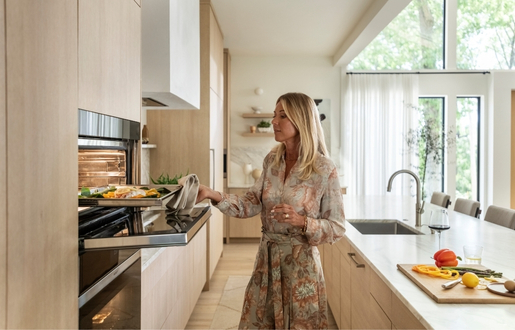
Oven placement must allow enough space around it for safe handling of hot trays and dishes. Leave at least 15–20 inches of countertop or open space beside the oven to set down items immediately after removing them. This space acts as a buffer zone, preventing accidental drops or burns.
Also, consider the flow of your kitchen. Is there enough room to move freely while carrying hot food? If not, rearranging your oven or adjacent counters can make a big difference in safety and ease.
Credit: www.calgary.ca
Safety Considerations
Placing an oven in the kitchen requires careful attention to safety. Heat, fire, and children’s access are major concerns. Taking the right steps helps prevent accidents and damage. Safety should guide every decision in oven placement.
Heat Resistance Materials
Use heat-resistant materials around the oven. Walls and countertops should not catch fire easily. Choose tiles, stone, or metal surfaces near the oven. Avoid placing ovens near wood or plastic surfaces. These materials can melt or burn from oven heat.
Child Safety Measures
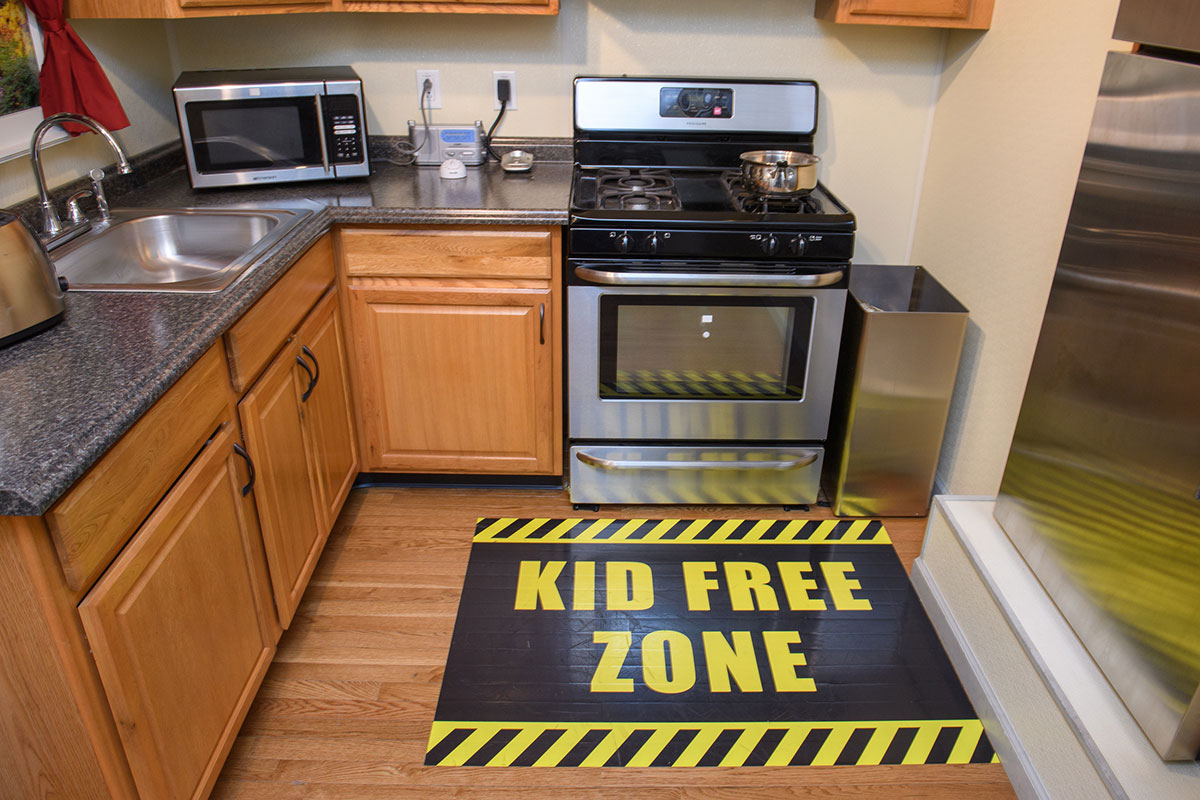
Keep the oven out of children’s reach. Place it where kids cannot touch hot surfaces. Use safety locks on oven doors if possible. Avoid low placements that make the oven easy to open. Teach children that ovens are dangerous and hot.
Fire Prevention Tips
- Keep flammable items away from the oven.
- Do not store paper towels or cloth near the oven.
- Install a smoke detector close to the kitchen.
- Ensure proper ventilation to avoid heat buildup.
- Regularly clean oven to prevent grease fires.
Styling And Finishing Touches
Styling and finishing touches are what transform a kitchen from functional to fabulous. Placing your oven thoughtfully is just the start; how it blends with your kitchen’s look and how you highlight it can make a big difference. Paying attention to design details will help your oven stand out or blend in perfectly, depending on your style.
Matching Kitchen Design
Your oven should feel like part of the kitchen, not an afterthought. Think about the overall style—modern, rustic, or classic—and choose an oven design that fits. For example, a sleek, stainless steel oven works well in a modern kitchen, while a retro-style oven might suit a vintage-inspired space.
Consider the placement too. Built-in ovens create a seamless look, while freestanding ovens add character but need coordination with surrounding cabinetry. Have you looked at how your oven’s shape and size relate to your countertops and cabinets?
Choosing Oven Color And Finish
Color and finish impact how much your oven stands out. Stainless steel is popular because it’s versatile and easy to clean. But don’t overlook black, white, or even bold colors if you want your oven to be a focal point.
Matte finishes reduce fingerprints and smudges, making maintenance easier. Glossy surfaces can reflect light beautifully but might show every mark. What finish will suit your lifestyle and kitchen traffic best?
Adding Complementary Lighting
Good lighting can highlight your oven and make cooking more enjoyable. Consider installing task lights above or around the oven to brighten the workspace. LED strip lights under cabinets near the oven can add a warm glow and improve visibility.
Accent lighting also enhances style. Soft lights inside the oven window or backlighting can create a cozy ambiance. Have you thought about how lighting can change the way your oven looks at different times of the day?
Common Placement Mistakes To Avoid
Placing an oven in the kitchen requires careful thought. Mistakes during placement can cause issues with safety, comfort, and kitchen flow. Avoiding common errors helps create a functional and safe cooking space.
Ignoring Ventilation
Ovens need proper ventilation to work safely. Poor airflow can cause heat buildup and damage cabinets. Ventilation prevents smoke and odors from lingering in the kitchen. Always plan for a vent hood or exhaust system near the oven.
Overcrowding The Area
Placing the oven in a crowded spot limits workspace and movement. It can make cooking stressful and unsafe. Leave enough room around the oven for opening doors and placing hot trays. Avoid placing it too close to the sink or refrigerator.
Neglecting Accessibility
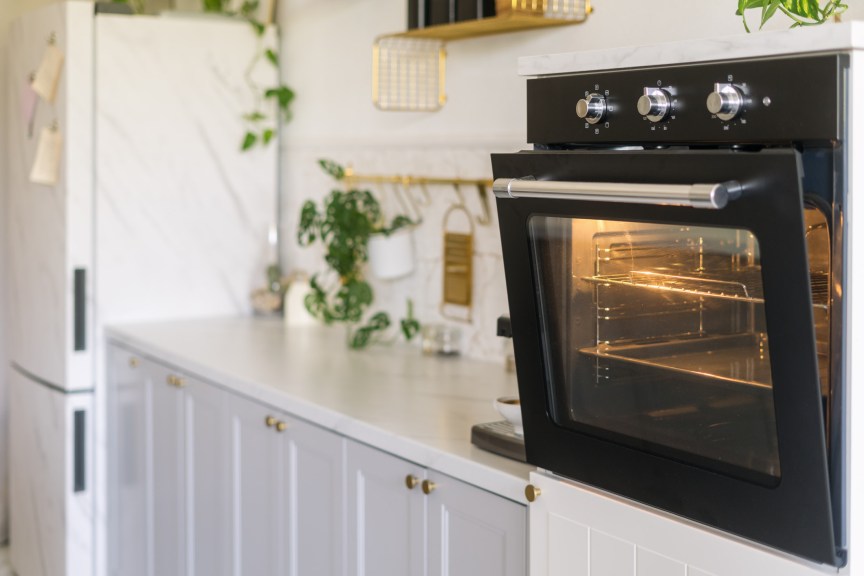
The oven should be easy to reach and use. Avoid placing it too low or too high for safe handling. Ensure controls are visible and reachable without strain. Accessibility improves cooking efficiency and reduces accidents in the kitchen.
Credit: www.thecooldown.com
Frequently Asked Questions
Where Is The Best Spot To Place An Oven In Kitchen?
The best spot for an oven is near the cooking area for easy access. Ensure enough counter space around it. Avoid placing it near refrigerators or sinks to maintain efficiency and safety.
How High Should An Oven Be Installed?
Install the oven at eye level for convenience and safety. This height prevents bending and reduces the risk of burns. It also improves accessibility while cooking and checking food.
Can I Place An Oven Next To The Refrigerator?
No, avoid placing an oven next to the refrigerator. Heat from the oven can affect the fridge's cooling efficiency, increasing energy consumption and potentially damaging the appliance.
What Safety Measures Are Needed When Placing An Oven?
Ensure proper ventilation to avoid heat buildup. Keep the oven away from flammable materials. Install it with enough clearance and use heat-resistant surfaces around it for safety.
Conclusion
Placing your oven in the kitchen requires careful thought. Choose a spot that fits your space and cooking style. Make sure there is enough room for safety and convenience. Keep the oven near other cooking areas for easy access. Proper placement helps you cook better and enjoy your kitchen more.
Remember, a well-placed oven makes cooking easier and more fun. Take your time and plan well before installing. Your kitchen will look neat and work smoothly with the right oven spot.