

Are you wondering where to place your refrigerator in the kitchen for the best use of space and convenience? The right spot can make your cooking easier, save energy, and keep your kitchen looking great.
But if you put it in the wrong place, you might struggle with cramped space or poor workflow. You’ll discover simple tips to find the perfect location for your fridge. Keep reading, and you’ll learn how to make your kitchen more functional and enjoyable every day.
Choosing The Right Spot
Choosing the right spot for your refrigerator is key to a smooth kitchen workflow. The position affects your cooking speed and kitchen comfort. Think about space, access, and appliance needs before placing it.
Consider Kitchen Layout
Place the refrigerator where it fits the kitchen design. Keep it near the cooking area and sink for easy reach. Avoid blocking walkways or cabinet doors. The goal is a natural flow between food storage, preparation, and cooking.
Check Ventilation Needs
Refrigerators need space to breathe. Leave at least 2 inches of space around the sides and back. This helps the appliance cool efficiently and saves energy. Avoid tight corners or enclosed spots without airflow.
Avoid Heat Sources
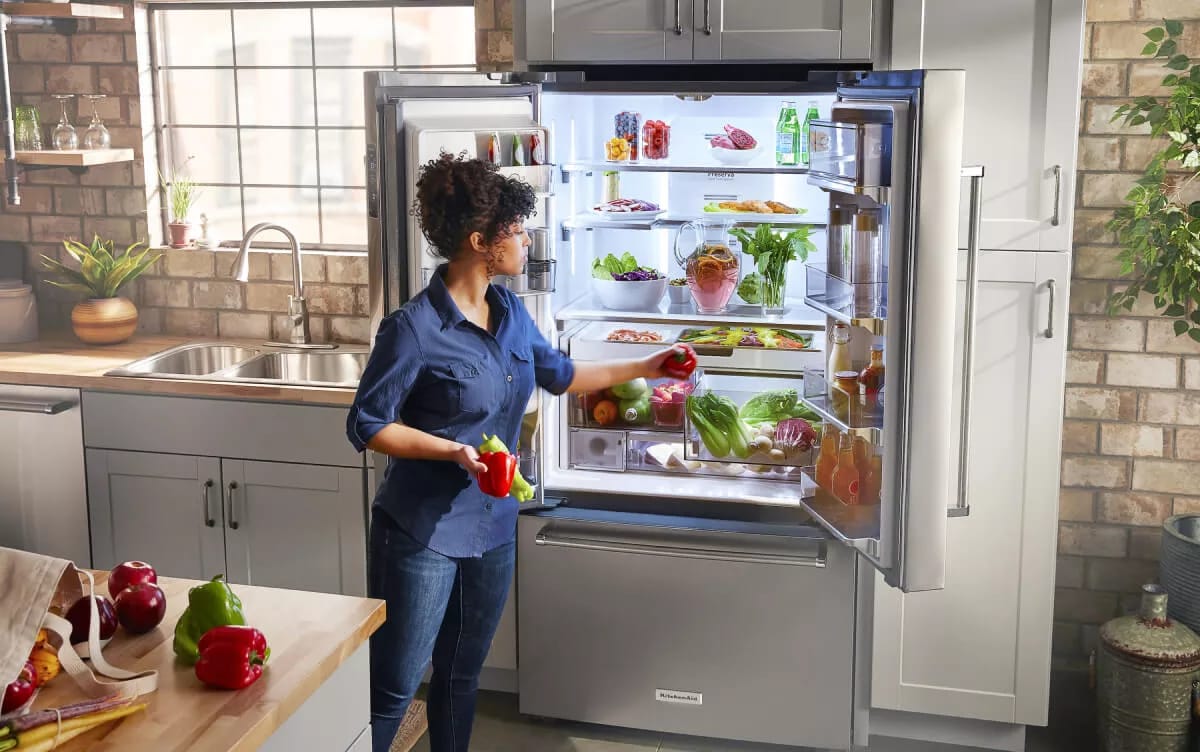
Keep the refrigerator away from ovens, dishwashers, or direct sunlight. Heat makes the fridge work harder and uses more electricity. Place it near cooler areas to maintain its temperature and extend its life.
Credit: www.kitchenaid.com
Measuring Space Accurately
Measuring space accurately is key to placing your refrigerator in the kitchen. It helps avoid tight spots and ensures smooth kitchen flow. Taking precise measurements saves time and effort during installation. Start by measuring the width, height, and depth of the available space. This step helps match the fridge size perfectly with your kitchen layout.
Keep in mind the extra space needed for doors and ventilation. Careful planning makes your kitchen safer and more comfortable. Accurate measurements also help keep appliances accessible and functional.
Account For Door Clearance
Measure the refrigerator door width and space to open fully. Doors need enough room to swing wide without hitting walls or cabinets. Check the path for the fridge door and any adjacent cabinets. Leave space so the door can open at least 90 degrees. This clearance makes loading and unloading easier.
Leave Room For Airflow
Refrigerators need space around them for proper airflow. Measure and leave a few inches between the fridge and walls or cabinets. Good airflow prevents overheating and improves energy efficiency. Check the manufacturer’s instructions for recommended clearance. Don’t block vents or air intakes with nearby objects.
Plan For Appliance Accessibility
Measure the space to ensure you can reach the fridge controls easily. Leave enough room to open the freezer and fresh food compartments fully. Consider the position of power outlets and water lines if needed. Make sure there is clear access for cleaning and maintenance. Accessibility saves frustration and keeps your kitchen organized.
Types Of Refrigerator Placement
Placing a refrigerator in the kitchen depends on space and convenience. Common types include built-in, freestanding, and under-counter placements. Each option affects kitchen flow and accessibility differently.
Choosing the right place for your refrigerator can significantly enhance the functionality and aesthetics of your kitchen. The placement not only affects how you access your fridge but also impacts energy efficiency and kitchen flow. Let's explore different types of refrigerator placements to help you decide the best fit for your kitchen.
Built-in Vs Freestanding
Built-in refrigerators are designed to be flush with your kitchen cabinetry, offering a seamless and integrated look. They are perfect if you want a sleek, custom appearance. However, they require precise planning and often cost more due to installation needs. Freestanding refrigerators are more flexible and easier to install. They are great if you foresee needing to change your kitchen layout in the future. This type of refrigerator can also be a budget-friendly option, especially for renters.
Under-counter Models
Under-counter refrigerators are ideal for compact kitchens or as a secondary fridge. They fit neatly below your countertops, saving space and providing a minimalist appeal. These are perfect for storing beverages or snacks, keeping them within easy reach without occupying valuable upper cabinet space. Think about your kitchen workflow. Will having a fridge at knee level streamline your cooking process or add unnecessary bending? Consider how often you access your fridge and what items you store most frequently.
Corner Positioning
Positioning your refrigerator in a corner can maximize kitchen space, especially in smaller layouts. This setup can free up wall space for cabinets or other kitchen essentials. However, be mindful of the door swing and ensure there's ample clearance for opening. Imagine the convenience of having your fridge close to your cooking area, minimizing the distance between prep and storage. Yet, make sure it doesn't block the natural flow of your kitchen or obstruct access to other appliances. Would this placement enhance or hinder your kitchen's usability? Choosing the right refrigerator placement requires thoughtful consideration of your kitchen's layout and your lifestyle needs. Whether you're going for a sleek built-in look or optimizing space with an under-counter model, each option offers unique benefits. How will you transform your kitchen space with the perfect fridge placement?
Maximizing Kitchen Space
Maximizing kitchen space is essential, especially when fitting a refrigerator into limited areas. You want your kitchen to feel open and functional, not cramped and cluttered. Clever placement of your fridge can free up valuable room and make your daily cooking more enjoyable.
Use Vertical Storage
Think about how much vertical space you have above your refrigerator. Adding shelves or cabinets there can give you extra storage for less-used items.
For example, stacking baskets or bins on top helps keep things organized without taking up counter space. This approach makes your fridge area work harder for you.
Integrate With Cabinets
Positioning your refrigerator next to or within cabinetry creates a seamless look and saves floor space.
Custom panels or built-in units can make your fridge look like part of the kitchen furniture. This design trick not only maximizes space but also improves aesthetics.
Utilize Narrow Spaces
Don’t overlook tight spots, like corners or small gaps between counters. Slim or compact refrigerators can fit perfectly in these areas.
Using these narrow spaces prevents your kitchen from feeling crowded and keeps your essential appliances accessible. What small areas in your kitchen could serve double duty with the right fridge?
Safety And Maintenance Tips
Placing your refrigerator in the kitchen involves more than just finding a spot. Paying attention to safety and maintenance ensures your appliance runs efficiently and lasts longer. A few simple habits can save you time, money, and prevent potential hazards.
Ensure Stable Positioning
Your refrigerator needs a flat, stable surface to sit on. Uneven flooring can cause the fridge to wobble, making the compressor work harder and increasing wear and tear.
Use a level tool to check the fridge’s position after installation. Adjust the feet if necessary to avoid any tilting.
Have you noticed your fridge door closing on its own? This often points to uneven positioning. Fixing this early prevents energy waste and food spoilage.
Keep Area Clean
Dust and dirt around and under your fridge can block airflow, causing the appliance to overheat. Regularly vacuum or wipe down these areas to keep it running smoothly.
Don’t forget to clean the coils at least twice a year. This simple step can improve cooling efficiency and lower electricity bills.
Think about the last time you cleaned behind your fridge—does it surprise you how much dust collects there? Making this part of your cleaning routine prevents future problems.
Regularly Check Door Seals
The rubber door seals (gaskets) keep cold air in and warm air out. Over time, they can crack or loosen, leading to energy loss.
Test your seals by closing the door on a piece of paper. If you can pull it out easily, the seal might need cleaning or replacement.
Keeping seals in good condition protects your food and reduces electricity costs. When was the last time you inspected yours?

Credit: www.searshomeservices.com
Aesthetic Considerations
Choosing the right spot for your refrigerator affects the kitchen’s look. Aesthetic considerations help blend the fridge smoothly into the kitchen design. This makes the space feel neat and stylish. Small design choices can make a big difference in how the fridge fits the room.
Match Color And Style
Pick a refrigerator color that matches the kitchen walls or cabinets. Stainless steel works well with modern kitchens. White or black fits classic or simple designs. Matching the fridge style with other appliances keeps the space unified. A consistent look makes the kitchen feel calm and organized.
Conceal With Panels
Use cabinet panels to hide the refrigerator. This creates a built-in look that blends with the cabinetry. Panels can be painted or stained to match the kitchen wood. Concealing the fridge keeps the kitchen lines smooth and clean. It also makes the fridge less noticeable and more elegant.
Add Decorative Elements
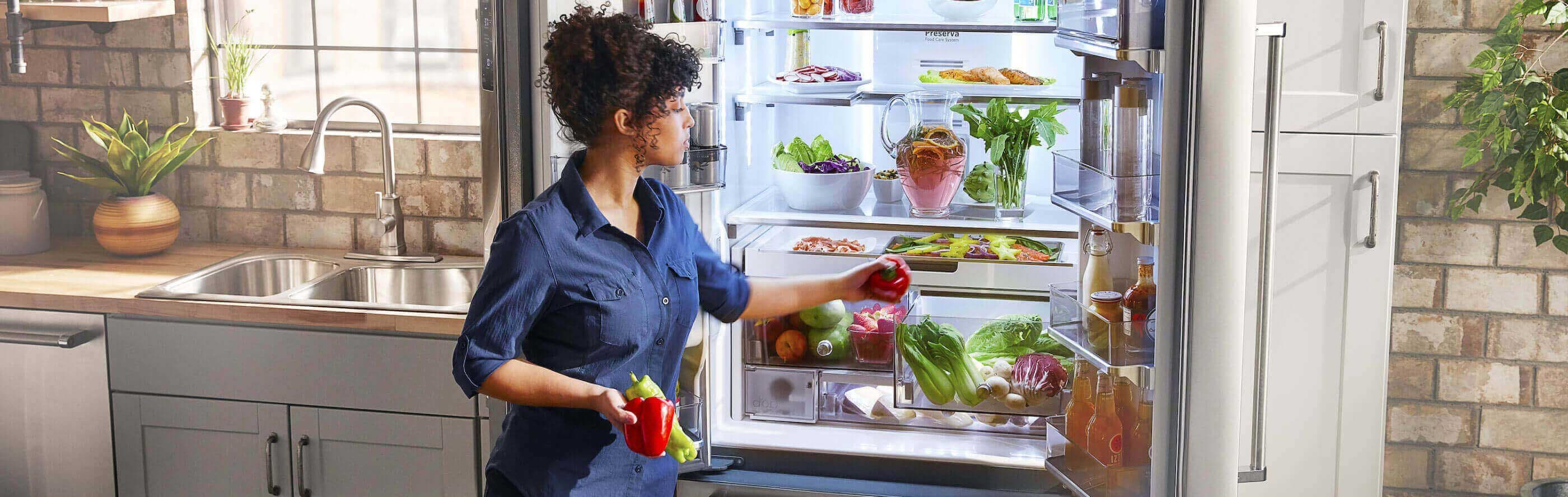
Decorate around the refrigerator to make it part of the kitchen art. Place plants or cookbooks on top if there is space. Use magnets or art that fits the kitchen theme. Add a small shelf nearby for extra style and function. These touches personalize the area and soften the fridge’s presence.
Credit: www.kitchenaid.com
Frequently Asked Questions
Where Is The Best Spot For A Kitchen Refrigerator?
The ideal spot is near the cooking and prep areas. It should allow easy access without blocking walkways. Avoid placing it next to heat sources like ovens. Proper ventilation space around the fridge is essential for efficient cooling.
How Much Clearance Is Needed Around A Refrigerator?
Leave at least 1-2 inches of space on each side and top. This clearance ensures proper air circulation and prevents overheating. Check the manufacturer’s guidelines for exact measurements. Adequate space improves fridge efficiency and prolongs its lifespan.
Can A Refrigerator Be Placed Near The Stove Or Oven?
It’s best to avoid placing the refrigerator next to the stove or oven. Heat from cooking appliances makes the fridge work harder, increasing energy consumption. Keep at least a few feet of separation to maintain optimal fridge performance.
How To Position The Fridge Door For Kitchen Flow?
Ensure the fridge door opens without obstructing walkways or cabinets. Position it so you can easily access contents while cooking. Consider the kitchen layout to avoid door collisions. Proper door placement improves kitchen workflow and safety.
Conclusion
Placing your refrigerator right keeps your kitchen neat and easy to use. Choose a spot with good space and near a power source. Avoid heat sources like ovens or direct sunlight. Leave room for the fridge door to open fully.
Keep it close to where you cook and store food. A smart fridge placement saves time and energy daily. Follow these tips for a smooth kitchen flow. Your cooking and cleaning become simpler and faster. Small changes can make a big difference in your kitchen.