
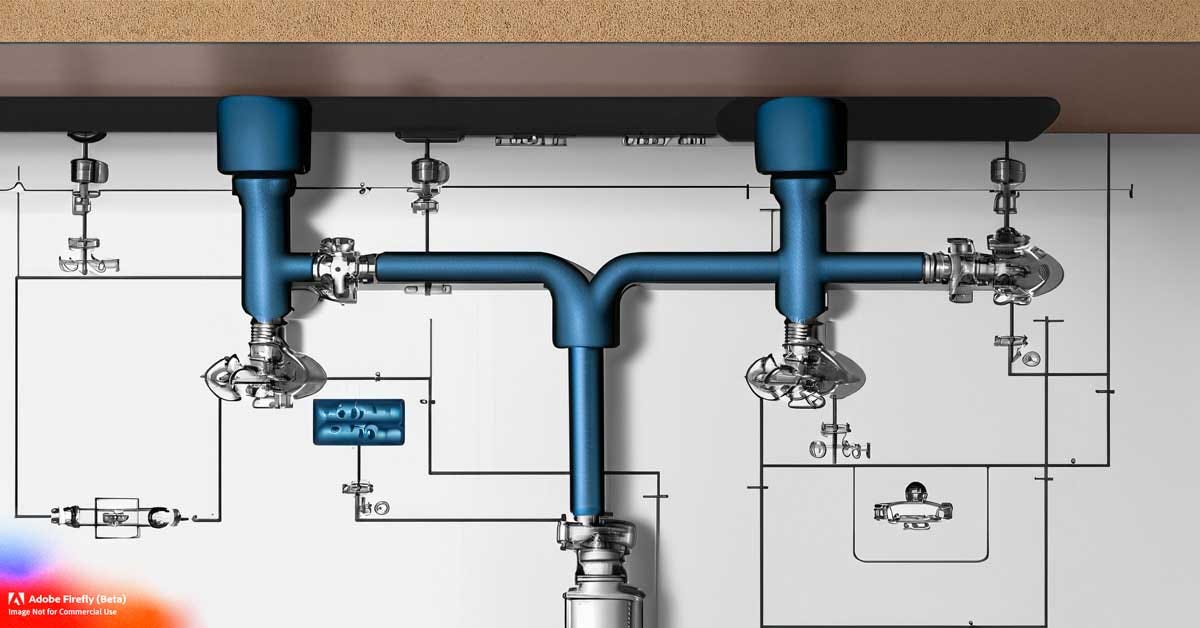
Are you ready to upgrade your kitchen with a double sink and a dishwasher but unsure how to connect everything properly? Plumbing a double kitchen sink with a dishwasher might seem tricky, but with the right steps, you can do it yourself and save time and money.
Imagine having a smooth-running kitchen where water flows perfectly, and your dishwasher works without a hitch. In this guide, you’ll discover simple, clear instructions that will make the job easier than you think. Keep reading, and by the end, you’ll have the confidence to tackle this project like a pro.
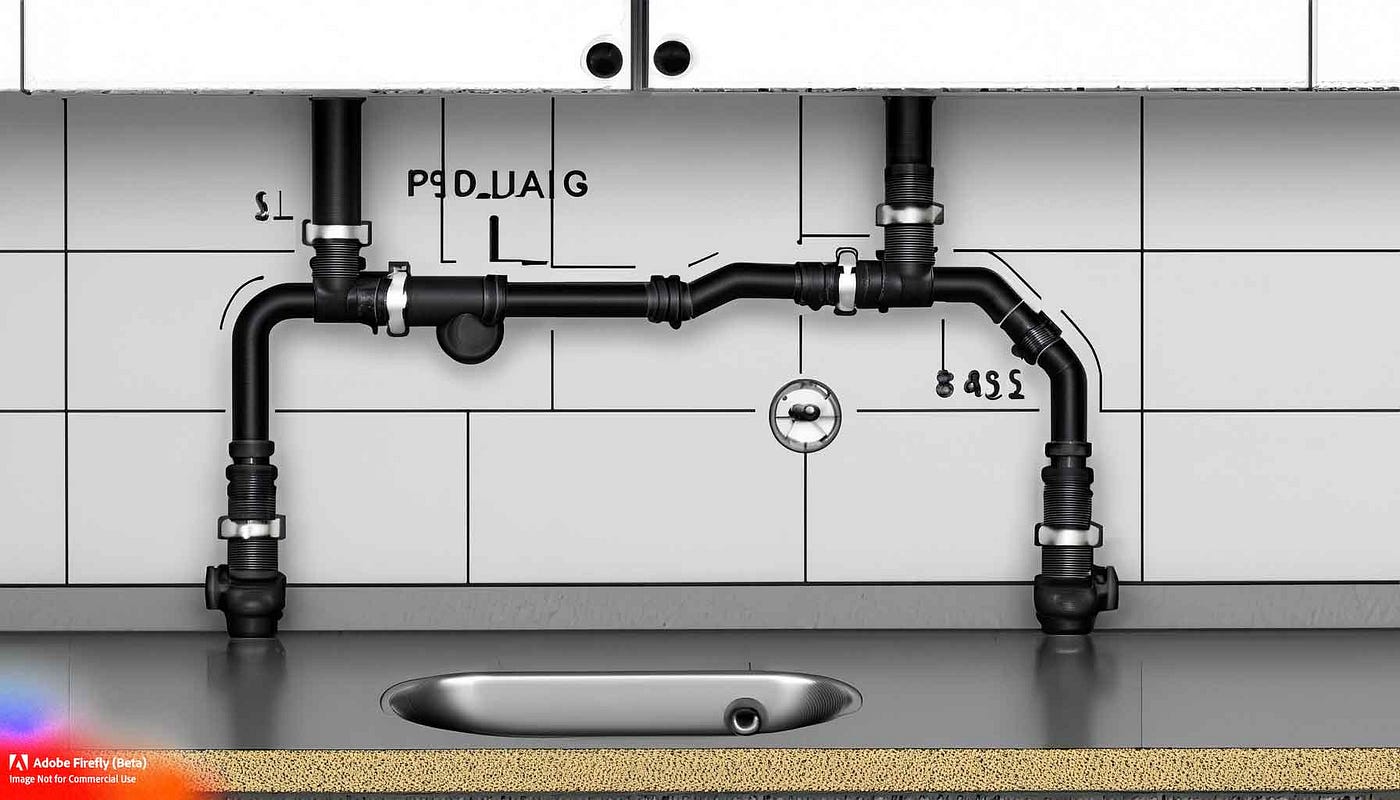
Credit: medium.com
Tools And Materials Needed
Gathering the right tools and materials is key before starting plumbing for a double kitchen sink with a dishwasher. Having everything at hand saves time and avoids interruptions.
Each item plays a specific role in the installation process. Using proper tools ensures clean connections and prevents leaks.
Basic Plumbing Tools
- Adjustable wrench – for tightening nuts and fittings
- Pipe wrench – to grip and turn pipes
- Slip-joint pliers – useful for various plumbing tasks
- Hacksaw – to cut pipes to the right length
- Pipe cutter – for clean, precise pipe cuts
- Plumber’s tape (Teflon tape) – seals threaded joints
- Bucket – to catch water during disconnection
- Utility knife – for trimming and cutting materials
Plumbing Materials
- PVC or ABS pipes – for drain lines and connections
- Pipe fittings – elbows, tees, and couplings
- P-trap assembly – prevents sewer gases from entering
- Dishwasher drain hose – connects dishwasher to sink drain
- Sink strainers – to catch debris and prevent clogs
- Plumber’s putty or silicone sealant – seals sink drain connections
- Compression nuts and washers – secure pipe connections
Additional Equipment For Dishwasher Connection
- Air gap fitting – prevents backflow into dishwasher
- Hose clamps – secure dishwasher hose to fittings
- Dishwasher tailpiece – connects sink drain to dishwasher hose
- Power tools (drill with bits) – may be needed for mounting
Preparing The Work Area
Preparing the work area is a crucial first step before you start plumbing a double kitchen sink with a dishwasher. A well-organized space reduces mistakes and speeds up the process. You want to make sure everything is easy to reach and safe to work around.
Clear And Clean The Space
Remove everything from under the sink and nearby cabinets. This gives you plenty of room to move and prevents damage to items during plumbing. Take time to wipe down surfaces; a clean area helps you spot leaks or issues more easily.
Gather All Necessary Tools And Materials
Having everything ready saves you from frustrating trips back and forth. Make a list that includes pipes, fittings, plumber’s tape, a wrench, and sealant. Don’t forget safety gear like gloves and goggles to protect yourself during the job.
Turn Off Water Supply And Power
Before you touch any pipes, locate and shut off the water valves to avoid flooding. If your dishwasher is electric, turn off its power at the breaker box. This step is often overlooked but critical for your safety and to prevent water damage.
Plan Your Drain And Vent Setup
Think about how the sink drains will connect to the dishwasher and the main plumbing line. Visualize the layout or sketch it out to avoid confusion during installation. This foresight can save you from costly mistakes and leaks later on.
Shutting Off Water Supply
Shutting off the water supply is crucial for plumbing tasks. It prevents water leaks and potential damage. Before starting, ensure you locate the water valves. This step ensures a smooth plumbing process without unwanted surprises.
Locate The Main Water Supply Valve
Begin by finding the main water supply valve. This valve controls water flow to the entire house. Typically, it's near the water meter or in the basement. Turn this valve clockwise to stop the water flow completely.
Identify Sink-specific Shut-off Valves
Under the sink, you'll find two shut-off valves. One for hot water, the other for cold. These valves let you control water supply to the sink specifically. Turn them clockwise to ensure no water reaches the sink.
Check The Dishwasher Water Supply
The dishwasher usually has a dedicated shut-off valve. This valve is often located under the sink or behind the dishwasher. Turn it off to prevent water from entering the dishwasher during plumbing.
Test The Water Shut-off
After shutting off the valves, test them. Turn on the sink faucet and ensure no water flows. This confirms the water supply is properly shut off. Ensure everything is dry before proceeding with plumbing work.
Credit: www.diychatroom.com
Installing The Drain Assembly
Installing the drain assembly for a double kitchen sink with a dishwasher can feel tricky, but breaking it down into clear steps makes the job manageable. This stage is critical because a secure and leak-free drain ensures your sink and dishwasher work smoothly together. Paying close attention to each part of the drain assembly helps prevent future water damage and plumbing headaches.
Fitting The Sink Strainers
Start by fitting the sink strainers into each basin. These strainers catch food debris and prevent clogs, so you want them sitting perfectly. Place the rubber gasket and cardboard friction ring under the sink before inserting the strainer from above.
Make sure the strainer is centered in the drain hole. Then, from underneath, screw on the mounting nut tightly to hold the strainer in place. If the strainer isn’t flush against the sink, you could face leaks or slow drainage.
Applying Plumber’s Putty
Plumber’s putty creates a watertight seal between the sink and the strainer. Roll a small amount of putty into a rope-like shape and press it around the drain hole on the sink’s surface. Don’t skimp on the putty; a good seal means no drips under your sink.
Once the strainer is in place, any excess putty will squeeze out. Wipe this away neatly to avoid a messy finish. Remember, plumber’s putty stays soft, making future disassembly easier if needed.
Securing The Drain Pipes
After the strainers and seals are set, connect the drain pipes beneath the sink. Use slip nuts and washers to join the tailpiece to the P-trap and make sure the connections are tight but not overdone. Over-tightening can crack plastic fittings or strip threads.
Double sinks require a T-connector or a double trap adapter to link both drain lines. Check that all pipes slope gently toward the wall drain to prevent standing water. Have you checked your connections by running water and watching for leaks? This simple test can save hours of repair later.
Connecting The Double Sink Drains
Connecting the double sink drains is a crucial part of plumbing your kitchen setup. It ensures that water flows smoothly from both basins into the drain system without leaks or blockages. Getting these connections right will save you time and frustration later on.
Installing The Tailpieces
Start by attaching tailpieces to each sink drain. These straight pipes connect directly to the sink’s drain openings and guide water downward. Make sure the tailpieces are the correct length; you can trim them if needed for a snug fit.
Hand-tighten the slip nuts first to keep the tailpieces in place. This allows you to adjust the alignment easily before fully securing everything. Remember, a loose fit here can cause leaks later, so double-check the positioning.
Attaching The T-fitting
The T-fitting is the connector that joins both tailpieces into a single drain line. Slide the open ends of the tailpieces into each side of the T-fitting. This creates a common outlet for both sinks.
Align the T-fitting so it points downward toward the drain pipe. You want a smooth, downward flow to prevent standing water or backups. If your dishwasher drains into this line, connect its hose to the dishwasher inlet on the T-fitting.
Sealing The Joints
Sealing the joints properly is key to preventing leaks. Use plumber’s putty or rubber gaskets between the sink and tailpieces to create a watertight seal. For threaded connections, apply plumber’s tape around the threads before tightening.
Don’t overtighten the slip nuts; this can crack plastic fittings. Tighten just enough to secure the joint firmly. After assembly, run water through both sinks to check for leaks. If you spot any drips, tighten connections slightly or reseal as needed.
Hooking Up The Dishwasher Drain
Hooking up the dishwasher drain is a key part of plumbing a double kitchen sink. This connection allows the dishwasher to drain water safely into the sink’s plumbing system. A proper setup prevents leaks and clogs, ensuring smooth operation.
Focus on locating the correct drain inlet, attaching the drain hose securely, and fastening it with a hose clamp. Each step must be done carefully to avoid water damage and maintain kitchen hygiene.
Locating The Dishwasher Drain Inlet
Find the dishwasher drain inlet near the sink drain or garbage disposal. It is usually a small, raised pipe or fitting. Check under the sink cabinet for a plastic or metal inlet pipe. This is where the dishwasher hose will connect.
Make sure the inlet is clean and free from debris before attaching the hose. Clear any blockages to allow water to flow freely.
Connecting The Dishwasher Drain Hose
Take the dishwasher drain hose and slide it onto the drain inlet. Push the hose firmly to ensure a tight fit. Avoid bending or kinking the hose as this can block water flow.
Keep the hose looped above the drain inlet to prevent backflow. This loop acts as a water seal and stops dirty water from returning to the dishwasher.
Securing The Hose Clamp
Use a hose clamp to secure the dishwasher drain hose to the inlet. Slide the clamp over the hose before attaching it to the inlet. Once in place, tighten the clamp with a screwdriver.
- Check that the clamp holds the hose firmly.
- Do not overtighten and damage the hose.
- Ensure the connection is leak-proof and stable.
Double-check the clamp and hose after tightening. This prevents leaks and keeps the dishwasher running smoothly.
Installing The P-trap
Installing the P-trap is a vital step in plumbing a double kitchen sink with a dishwasher. The P-trap prevents sewer gases from entering your home and ensures proper drainage. Proper installation avoids leaks and clogs that can cause problems later.
Choosing The Right P-trap
Select a P-trap that fits your sink’s drain size. Most kitchen sinks use a 1 ½ inch trap. Use a durable material like PVC or metal. PVC is easier to work with and resists corrosion. Ensure the trap matches your existing plumbing and dishwasher drain connection.
Aligning And Attaching The P-trap
Start by positioning the trap under the sink drain tailpiece. Connect the trap arm to the wall drain pipe. The P-trap should form a smooth curve without sharp bends. Tighten the slip nuts by hand, then gently use pliers. Avoid overtightening, which can crack the fittings.
Checking For Leaks
Run water through both sinks and the dishwasher drain line. Watch closely for any drips around the P-trap joints. Use a dry cloth to detect moisture. Tighten connections if needed. Leak-free installation keeps your kitchen dry and odor-free.
Testing The Plumbing System
Testing the plumbing system ensures everything works well after installation. It confirms water flows smoothly and no leaks exist. This step protects your kitchen from future water damage and costly repairs. Use simple checks to verify each connection and appliance functions properly.
Running Water Through The Sinks
Turn on the hot and cold water taps for both sinks. Let the water run for several minutes. Watch the drains carefully to ensure water flows quickly without backing up. Listen for any gurgling sounds that could indicate a clog. Check under the sink for any signs of water pooling or dampness.
Checking Dishwasher Drain Function
Run the dishwasher through a full cycle. Observe the water draining from the dishwasher into the plumbing system. Make sure water drains freely without spilling or backing up into the sink. Confirm the dishwasher drain hose is secure and properly connected to the sink drain or garbage disposal.
Inspecting For Drips And Leaks
Use a flashlight to examine all joints and connections beneath the sinks. Look for small water droplets or wet spots on pipes and fittings. Check around the dishwasher drain hose connection as well. Wipe dry areas and check again after a few minutes to catch slow leaks. Tighten any loose fittings found during inspection.
Common Issues And Fixes
Plumbing a double kitchen sink with a dishwasher can lead to some common problems. Knowing how to spot and fix these issues keeps your kitchen running smoothly. Troubles with clogs, leaks, and drainage often arise. Addressing these quickly saves time and prevents bigger damage.
Clearing Clogs
Clogs often happen in the sink drains or dishwasher drain line. Food scraps, grease, and soap buildup block water flow. Use a plunger or a drain snake to remove the blockage. Avoid harsh chemicals that can damage pipes. Regularly cleaning the drain helps prevent future clogs.
Fixing Leaks
Leaks usually appear under the sink or around pipe joints. Check all connections for looseness or cracks. Tighten loose fittings with a wrench. Replace worn-out washers or seals. Use plumber’s tape on threaded joints to stop drips. Catch leaks early to avoid water damage.
Ensuring Proper Drainage
Proper drainage keeps water flowing without backups. Make sure the drain pipes slope downward toward the main drain. Install a vent to allow air to enter the pipes. Check the dishwasher drain hose is connected correctly. Avoid sharp bends or kinks in the hoses. Proper setup reduces standing water and odors.

Credit: www.reddit.com
Frequently Asked Questions
How Do I Connect A Dishwasher To A Double Sink Drain?
Connect the dishwasher drain hose to the double sink drain tailpiece. Use a branch tailpiece with a dishwasher inlet. Secure all connections with clamps to avoid leaks.
What Tools Are Needed To Plumb A Double Kitchen Sink?
You’ll need a pipe wrench, plumber’s tape, PVC pipes, pipe cutter, adjustable pliers, and a bucket for water catch. These tools help ensure a secure, leak-free installation.
Can I Use The Same Drain For Sink And Dishwasher?
Yes, a double sink and dishwasher can share a drain line. Use a branch tailpiece with a dishwasher inlet for proper drainage and venting.
How To Prevent Dishwasher Backflow Into The Sink?
Install a high loop or air gap in the dishwasher drain hose. This prevents dirty water from flowing back into the sink.
Conclusion
Plumbing a double kitchen sink with a dishwasher can feel tricky at first. Take it step by step and follow the right order. Make sure all connections are tight and leak-free. Test the water flow before finishing. This setup helps save space and improves kitchen work.
With patience and care, you can complete this task yourself. A well-plumbed sink and dishwasher make daily chores easier and faster. Keep tools handy and safety in mind throughout the process. Plumbing does not have to be hard. Give it a try!