
Are you ready to tackle your kitchen plumbing project but unsure where to start with your sink drain and dishwasher connection? You’re in the right place.
Knowing how to plumb a kitchen sink drain with a dishwasher might sound tricky, but with the right steps, you can do it yourself without calling a pro. Imagine saving time and money while making sure your kitchen runs smoothly.
Keep reading, and you’ll discover simple, clear instructions that will empower you to handle this task confidently and avoid common mistakes. Let’s get your kitchen working perfectly together!
Gather Tools And Materials
Gathering the right tools and materials is the first step to plumb a kitchen sink drain with a dishwasher. Having everything ready saves time and prevents interruptions during the job. It also ensures the connections are secure and leak-free.
Below is a list of essential items needed for the project. Organize them before starting to make the process smooth and efficient.
Essential Plumbing Tools
- Adjustable wrench for tightening fittings
- Pipe wrench for gripping and turning pipes
- Slip-joint pliers for holding and bending
- Pipe cutter or hacksaw to cut pipes cleanly
- Plumber’s tape (Teflon tape) to seal threaded joints
- Bucket to catch water during disassembly
- Utility knife for trimming hoses and seals
- Screwdriver set for securing clamps and fittings
- Measuring tape to ensure proper pipe lengths
- Flashlight for better visibility in tight spaces
Required Pipes And Fittings
- PVC or ABS drain pipes matching your home plumbing
- Trap assembly (P-trap) to prevent sewer gas
- Pipe connectors and couplings for joining sections
- Elbows and tees for changing pipe directions
- Slip nuts and washers for watertight seals
- Tailpiece to connect sink drain to trap
- Dishwasher branch tailpiece or wye fitting
Dishwasher Drain Hose Components
- Dishwasher drain hose designed for appliance drainage
- Hose clamp to secure the hose to the drain fitting
- Air gap fitting or high loop to prevent backflow
- Hose adapter to connect dishwasher hose to drain pipe
Turn Off Water And Power
Before starting any plumbing work on your kitchen sink drain and dishwasher, safety is the top priority. Turning off water and power prevents accidents and damage. This step protects you from leaks and electrical shocks. It also makes the plumbing process smoother and safer.
Shut Off Water Supply
Locate the main water valve under the sink or near the kitchen wall. Turn the valve clockwise to close it. This stops water flow to the sink and dishwasher drain area. Open the faucet to drain any remaining water. Check for leaks by watching the pipes closely after shutting off the valve.
Disconnect Dishwasher Power
Find the dishwasher’s power source. Usually, it is under the sink or near the appliance. Unplug the dishwasher from the electrical outlet. If hardwired, turn off the circuit breaker that controls the dishwasher’s power. Use a voltage tester to confirm no electricity is flowing. Safety first—never work on live electrical circuits.
Remove Old Drain Assembly
Start by turning off the water supply and disconnecting the drain pipes under the sink. Carefully remove the old drain assembly to make space for the new plumbing setup.
Removing the old drain assembly is essential when plumbing a kitchen sink drain with a dishwasher. This step ensures a clean slate for new installation. A proper removal process prevents future leaks and blockages. It also ensures efficient water flow. Here’s how you can go about it.
Detach Sink Drain
Start by clearing under the sink. Remove stored items to avoid clutter. Locate the drain pipes and fittings. Use a wrench to loosen the locknut under the sink. Hold the drain steady from above to prevent spinning. Gently lift the drain flange from the sink. Clean the area to remove old plumber's putty. This prepares the sink for a new drain.
Remove Existing P-trap
Place a bucket under the P-trap. This catches any water or debris. Loosen the slip nuts on both ends of the P-trap. Use a wrench or pliers for tight fittings. Carefully remove the P-trap. Inspect it for clogs or damage. Discard if it's unusable or heavily clogged. Clean the remaining pipes to ensure a fresh start.

Credit: www.youtube.com
Install New Sink Drain
Installing a new sink drain is a key part of plumbing your kitchen sink, especially when connecting a dishwasher. The process ensures water flows properly and prevents leaks that can cause damage. Taking your time to install the drain correctly saves you from future headaches and costly repairs.
Fit Drain Flange
The drain flange is the visible part inside your sink where water drains out. Before you fit it, apply a bead of plumber’s putty or silicone around the flange’s underside. This creates a watertight seal between the sink and the flange.
Press the flange firmly into the drain hole in your sink. Hold it in place while you move underneath to attach the next parts. Don’t rush this step—making sure the flange sits evenly prevents leaks later.
Secure Drain Body
Under the sink, slide the rubber gasket and cardboard washer onto the drain body. These parts protect your sink’s surface and help seal the connection. Screw the drain body tightly onto the flange, turning it clockwise.
Use adjustable pliers or a drain wrench to tighten the drain body firmly but be careful not to overtighten. Too much force can crack the sink or strip the threads. Check for wobbling by gently moving the drain body; it should feel solid and secure.
Have you noticed how many leaks come from loose drain connections? A tight, well-sealed drain body is your best defense against those annoying drips. Taking a moment to secure this properly makes all the difference in your kitchen plumbing.
Connect Dishwasher Drain Line
Connecting the dishwasher drain line to the kitchen sink drain is essential for proper water flow and drainage. This connection prevents leaks and ensures waste water from the dishwasher flows smoothly into the plumbing system. Follow these clear steps to connect the dishwasher drain line safely and effectively.
Locate Dishwasher Drain Inlet
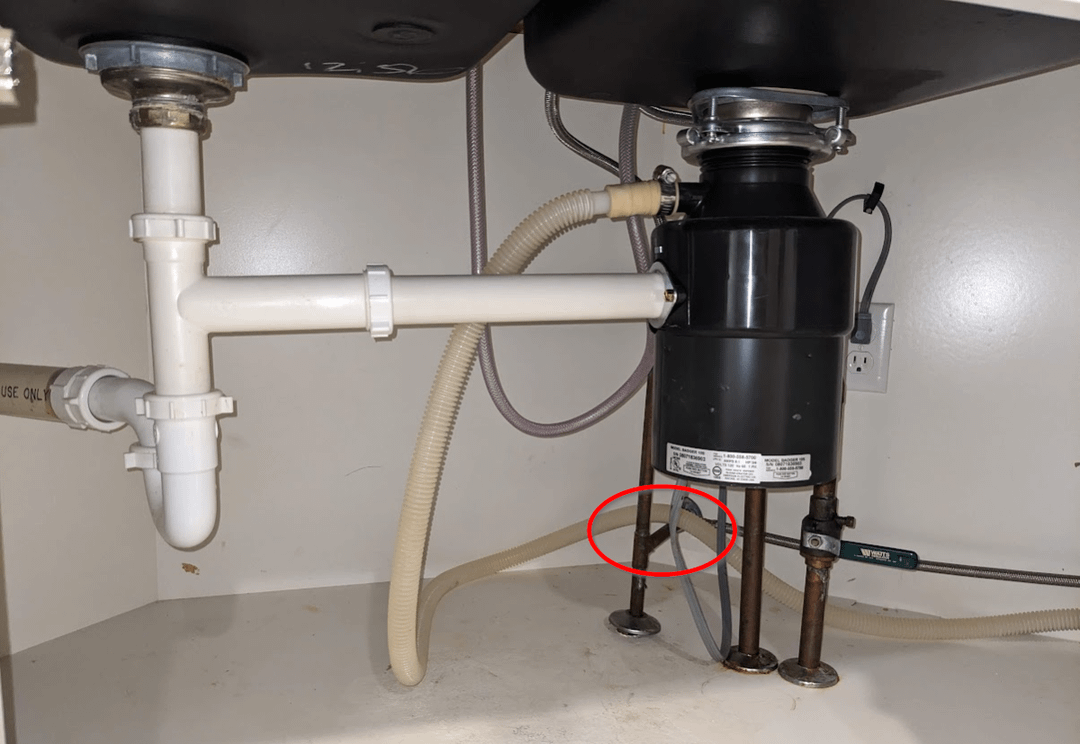
Find the dishwasher drain inlet under the kitchen sink. This is usually a small pipe or fitting on the sink drain or garbage disposal. It is designed to accept the dishwasher drain hose. Make sure the inlet is clean and free of debris before connecting the hose.
Attach Air Gap Or High Loop
Install an air gap or create a high loop to prevent backflow. The air gap is a small device mounted on the sink or countertop. It stops dirty water from flowing back into the dishwasher. If no air gap is available, raise the drain hose under the sink to form a high loop. Secure it tightly to the underside of the countertop to keep it elevated above the drain inlet.
Secure Drain Hose Connection
Push the dishwasher drain hose onto the drain inlet firmly. Use a hose clamp to hold it tightly in place. Tighten the clamp with a screwdriver, but avoid overtightening to prevent damage. Check the connection for leaks by running the dishwasher through a test cycle. Ensure the hose is free of kinks and bends for smooth drainage.

Credit: www.reddit.com
Assemble P-trap And Tailpiece
Assembling the P-trap and tailpiece is a key part of plumbing your kitchen sink drain, especially when you have a dishwasher connected. These components work together to ensure proper drainage while preventing sewer gases from entering your kitchen. Handling this assembly carefully can save you from leaks and unpleasant odors.
Attach Tailpiece To Drain
Start by securing the tailpiece directly to the sink drain. Make sure the rubber washer is in place to create a tight seal and prevent leaks. Hand-tighten the slip nut, then give it a slight turn with a wrench—avoid over-tightening, which can crack the pipes.
Check that the tailpiece is aligned properly with the sink drain and sits straight down. If you have a dishwasher, ensure the dishwasher drain line is connected to the tailpiece’s branch—this connection is vital for proper drainage.
Connect P-trap To Waste Pipe
Next, position the P-trap under the tailpiece, aligning it with the waste pipe coming from the wall. Slide the trap arm into the waste pipe fitting and hand-tighten the slip nut to hold it in place.
Use a level to check that the P-trap is correctly aligned; an uneven trap can cause water to pool and lead to clogs. Don’t forget to tighten all slip nuts just enough to secure the connections without cracking the pipes.
Have you noticed any water pooling or slow drainage after assembly? That often signals a misaligned trap or loose connection—double-check your setup before finishing the job to avoid future hassle.
Check For Leaks
Checking for leaks is a crucial part of plumbing your kitchen sink drain with a dishwasher connection. Even a small drip can cause damage over time or lead to costly water bills. Catching leaks early ensures your plumbing holds up well and works efficiently.
Run Water Through Sink
Start by running water through the sink for a few minutes. Use both hot and cold water to test how the pipes handle different temperatures. Look closely under the sink and around all joints for any signs of moisture or dripping.
If you see water pooling or feel dampness, tighten the fittings immediately. Sometimes, a loose connection is the only problem. You want everything sealed perfectly before moving on.
Test Dishwasher Drain Function
Next, run a full dishwasher cycle and observe the drain connections. The dishwasher drain hose links to your sink drain, so watch for leaks where they connect. Pay attention during the draining phase, as this is when water pressure increases.
Have a dry cloth or paper towel handy to wipe around the joints after the cycle. If you spot any wet spots, it means your seal or clamp might need adjustment. Remember, a leak here can cause water damage inside your cabinet, so don’t skip this step.
Tips For Maintenance And Troubleshooting
Keeping your kitchen sink drain with dishwasher plumbing in top shape is easier than you think. Regular maintenance and quick troubleshooting can save you from costly repairs and kitchen downtime. Let’s dive into some practical tips that help you avoid common problems and fix issues fast.
Preventing Clogs
Clogs are the most frequent problem in kitchen sink drains. You can prevent them by being mindful of what goes down the drain. Avoid pouring grease, coffee grounds, or large food scraps into the sink.
Use a drain strainer to catch debris before it enters the drainpipe. This simple tool can save you a lot of hassle later. Also, flush your drain with hot water regularly to help dissolve any buildup inside the pipes.
Have you ever noticed slow drainage after washing dishes? That’s a sign your pipes might be starting to clog. Acting early can prevent a full blockage that stops water flow completely.
Addressing Common Issues
If your dishwasher isn’t draining properly, check the air gap or the dishwasher drain hose first. Sometimes these get kinked or blocked with food particles. Straightening the hose or cleaning the air gap can restore proper drainage.
Leaks around your sink or dishwasher often come from loose or worn-out connections. Tighten any visible fittings and replace damaged washers or seals. When you spot a leak, fixing it quickly prevents water damage under your sink.
Have you heard strange gurgling noises when water drains? This might indicate a venting problem in your plumbing. Ensuring the vent pipes are clear can stop those noises and improve drainage.

Credit: www.reddit.com
Frequently Asked Questions
How Do You Connect A Dishwasher To Kitchen Sink Drain?
To connect, use a dishwasher drain hose with a high loop or air gap. Attach it to the sink drain or garbage disposal. This prevents backflow and ensures proper drainage. Secure connections tightly to avoid leaks.
What Tools Are Needed To Plumb A Kitchen Sink Drain?
You’ll need a pipe wrench, plumber’s putty, adjustable pliers, a screwdriver, and a hacksaw. Also, have PVC pipes, fittings, and T-connectors ready. These tools help you assemble and secure the drain lines correctly.
Can I Install A Dishwasher Drain Without A Garbage Disposal?
Yes, you can connect the dishwasher drain to the sink’s tailpiece using a branch tailpiece. Ensure the dishwasher drain hose has a high loop to prevent backflow. Follow local plumbing codes to avoid issues.
Why Is A High Loop Necessary For Dishwasher Drainage?
A high loop prevents wastewater from flowing back into the dishwasher. It creates an air gap above the sink’s drain level. This simple step helps maintain hygiene and proper appliance function.
Conclusion
Plumbing a kitchen sink drain with a dishwasher need not be hard. Follow each step carefully for a leak-free connection. Use the right tools and parts for best results. Check all joints to avoid water damage later. Take your time; rushing may cause mistakes.
Your kitchen will work smoothly with proper drainage. Enjoy a clean sink and dishwasher running well. Small efforts now save big repairs later. Plumbing can be simple with clear guidance. Keep this guide handy for future plumbing needs.