
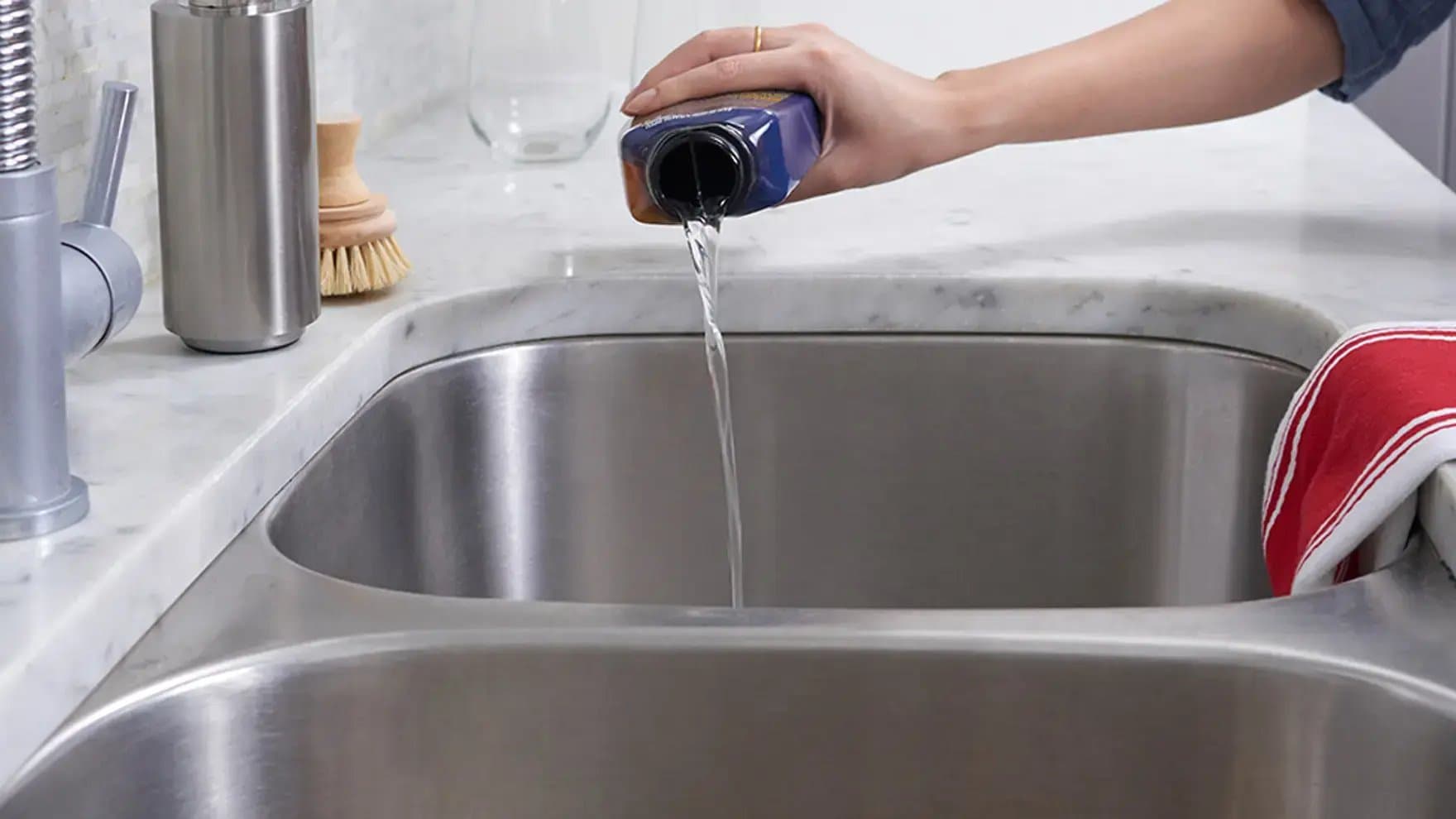
Is your double kitchen sink clogged and causing you frustration? You’re not alone, and the good news is that you don’t need to call a plumber right away.
Knowing how to plunge a double kitchen sink properly can save you time, money, and stress. In this guide, you’ll discover simple, step-by-step tips that anyone can follow to clear the blockage quickly. Keep reading, and you’ll be back to a smoothly flowing sink before you know it.
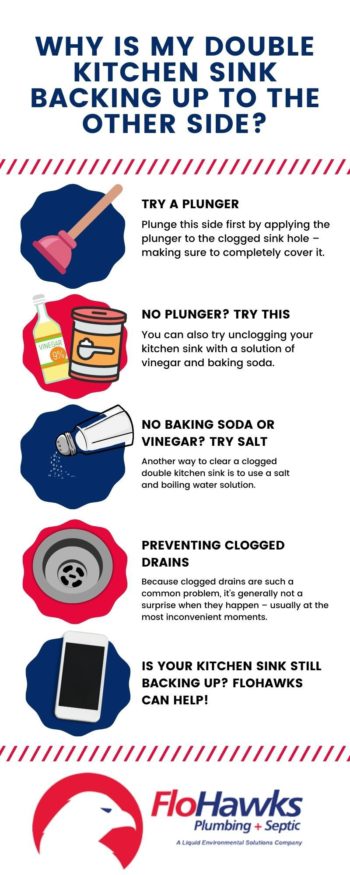
Credit: flohawks.com
Tools You’ll Need
Getting the right tools is key before you start plunging your double kitchen sink. Having what you need on hand saves time and frustration. It also helps you tackle the clog effectively without making a bigger mess.
Choosing The Right Plunger
Not all plungers are made for kitchen sinks. You want a plunger with a flange, sometimes called a cup plunger, because it fits better into the drain opening. This creates a tighter seal and stronger suction, which is essential for clearing stubborn clogs.
Have you ever tried using a flat plunger on your sink and ended up splashing water everywhere? That’s a sign you need the right type. A flange plunger is designed to adapt to the shape of your sink drain, making the job easier and cleaner.
Additional Handy Tools
Besides a good plunger, a few other tools can be lifesavers. A drain snake or auger helps you reach deeper blockages. It’s especially useful if plunging alone doesn’t clear the clog.
- Bucket:To catch any water that might spill when you work under the sink.
- Old towels:For cleaning up drips and protecting your floor.
- Gloves:To keep your hands clean and safe.
- Flashlight:So you can see clearly under the sink or inside the drain.
Do you have these ready before you start? Preparing well can make plunging less stressful and more successful.
Preparing The Sink
Clear both sink basins and remove any visible debris to ensure an effective plunge. Seal the overflow drain with a wet cloth to create proper suction. Fill the sink with enough water to cover the plunger’s cup for better pressure.
Preparing the sink is crucial before plunging a double kitchen sink. A well-prepared sink makes the plunging process more efficient and effective. It ensures the removal of any visible debris and allows you to focus on the real blockage.
Clearing The Drain Area
Start by clearing the drain area of any dishes or utensils. This space should be free of obstacles for easy access. Wipe away any food scraps or residue around the drain. This prevents them from going down and worsening the clog. Use a damp cloth to clean around the sink's edges. Ensure no leftover debris is present. This step keeps the work area tidy and manageable.
Removing Sink Stoppers
Next, remove the sink stoppers. These often trap small debris and food particles. Lift the stoppers out carefully to avoid splashing. Clean them under warm running water. Remove any stuck debris or grime. Set them aside in a clean area. This step ensures the drain is clear for plunging. It also helps identify if the stoppers themselves are causing the issue.
Plunging Techniques
Plunging a double kitchen sink requires a bit more strategy than a single basin. If you only focus on one side, you might not create enough pressure to clear the clog. Using the right techniques ensures you maximize suction and tackle the blockage effectively.
Sealing Both Sinks
Start by sealing the drain of the sink that isn’t clogged. You can use a wet cloth or a sink plug to block the other side. This prevents air from escaping and directs all the plunging force to the problem drain.
Think about the pressure you create when you plunge. If air escapes from the other basin, the suction weakens, making your efforts less effective. Sealing both sinks helps you focus the power right where it’s needed.
Using Water For Better Suction
Make sure there is enough water in the sink to cover the plunger cup before you start. Water, unlike air, helps create a tight seal and improves the plunging action. Without enough water, the plunger will just push air and won’t clear the clog.
Sometimes, if the water level is too low, add warm water to the sink. It not only improves suction but can also help break down grease or soap buildup. Have you ever noticed how plunging feels easier with water covering the plunger cup? That’s no coincidence.
Alternative Methods
Plunging a double kitchen sink may not always clear the clog. Some blockages need other approaches. Alternative methods can help dissolve or remove tough clogs. These options are simple and use common household items or tools. They protect your pipes and avoid harsh chemicals.
Using Baking Soda And Vinegar
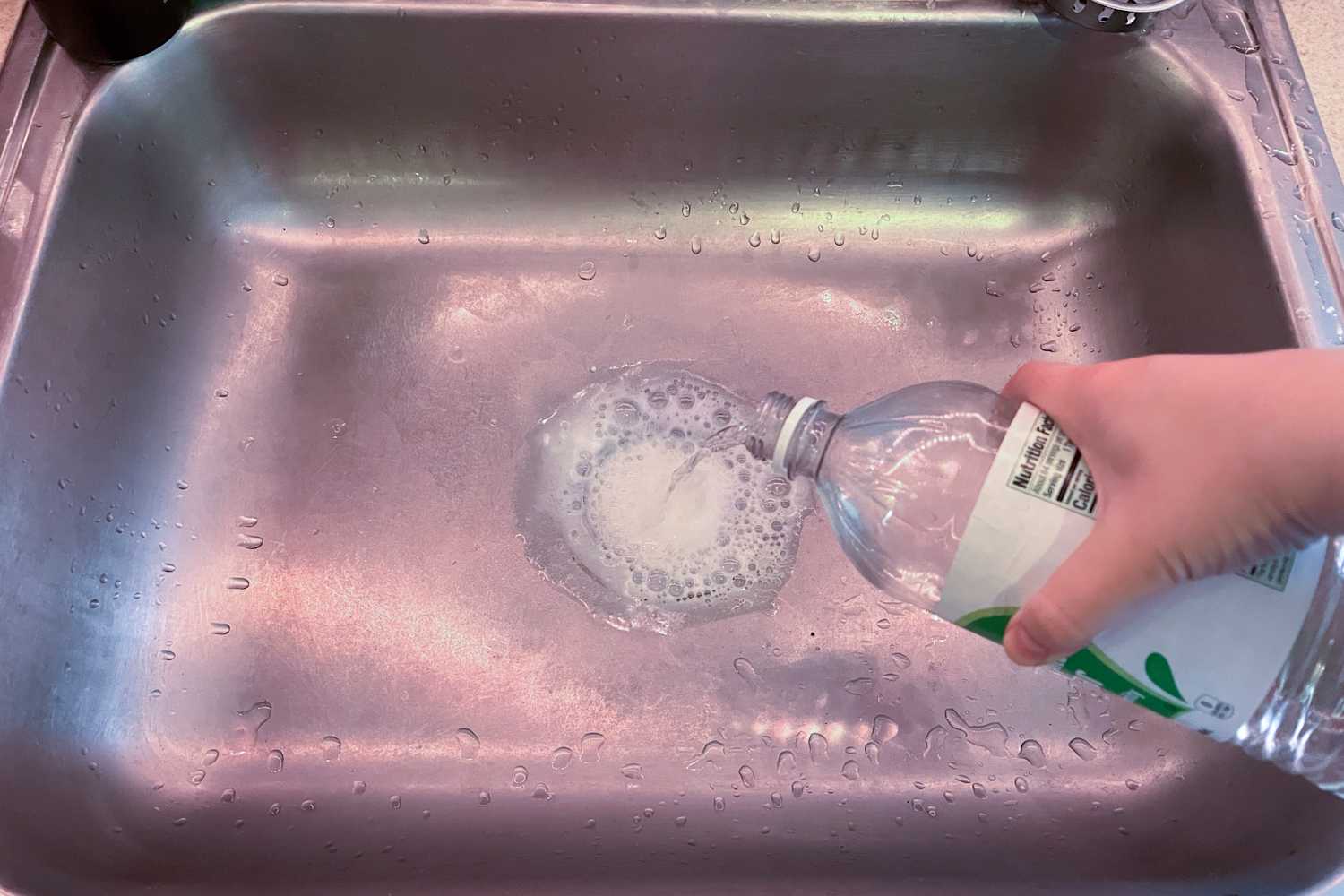
Baking soda and vinegar create a natural cleaning reaction. Pour half a cup of baking soda into the drain. Follow with half a cup of white vinegar. Let the mixture fizz and sit for 15 to 30 minutes. Then, flush with hot water to clear loosened debris. This method breaks down grease and mild blockages.
Applying A Drain Snake
A drain snake is a flexible tool that reaches deep clogs. Insert the snake into the drain until you feel resistance. Turn the handle to break up or hook the blockage. Pull the snake out slowly to remove debris. Repeat if necessary. This method works well for hair and solid buildup in pipes.
Preventing Future Clogs
Preventing future clogs in your double kitchen sink saves you time, money, and hassle. A clogged sink disrupts your daily routine and can cause water damage if ignored. Taking simple steps regularly can keep your drains flowing smoothly and your kitchen stress-free.
Regular Maintenance Tips
One easy habit is to flush your drains with hot water once a week. This helps dissolve grease and food particles before they build up.
Use a natural cleaner like baking soda and vinegar monthly to break down minor blockages. Pour half a cup of baking soda down the drain, followed by half a cup of vinegar. Let it sit for 15 minutes, then rinse with boiling water.
Keep a sink strainer in place to catch food scraps and prevent them from going down the drain. Empty it regularly to avoid unpleasant odors and buildup.
Avoiding Common Mistakes
Never pour grease or oil down your sink. These liquids solidify and cause serious blockages. Instead, collect them in a container and dispose of them in the trash.
Avoid using chemical drain cleaners frequently. They can damage your pipes and worsen clogs over time. If you need to clear a stubborn clog, try a plunger or a drain snake first.
Don’t overload one side of a double sink with dirty dishes while the other side is blocked. This can cause water to back up and increase pressure on the pipes.
Have you noticed how small habits in the kitchen impact your sink’s health? Changing what you pour down your drain can prevent many headaches before they start.
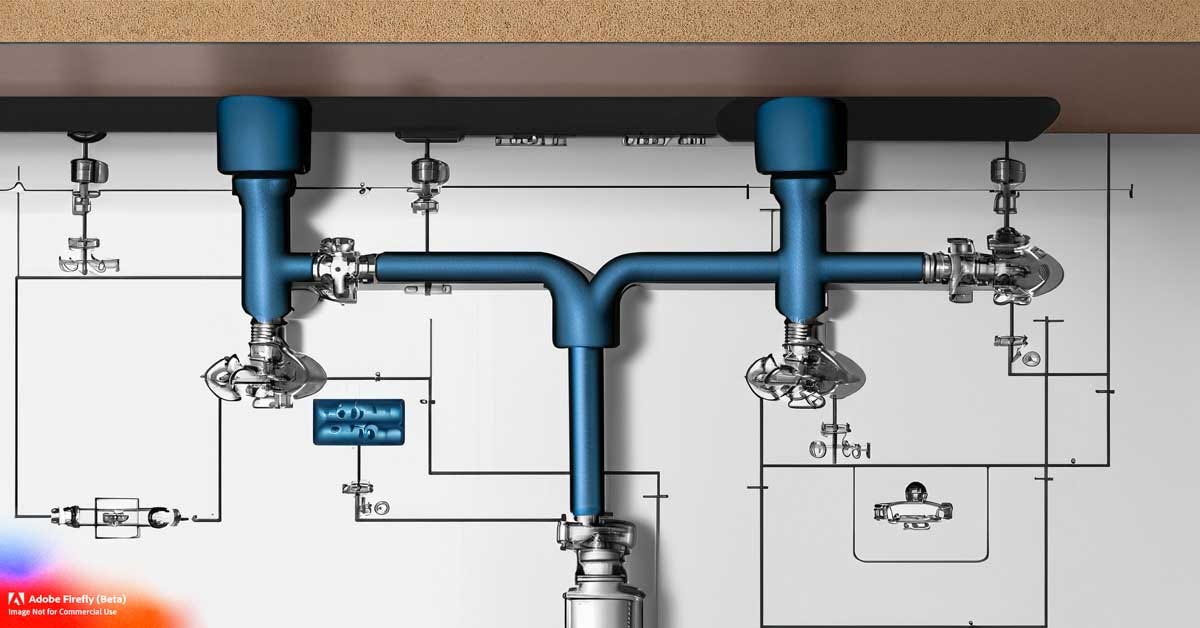
Credit: medium.com
Credit: www.thekitchn.com
Frequently Asked Questions
How Do You Plunge A Double Kitchen Sink Effectively?
To plunge a double kitchen sink, block the other drain with a wet cloth. Fill water to cover the plunger cup. Plunge vigorously to create suction and dislodge clogs. Repeat until water drains freely.
What Tools Are Needed To Plunge A Double Sink?
You need a cup plunger with a good seal, a wet cloth, and optionally a bucket. A proper plunger creates strong suction for clearing clogs in double kitchen sinks.
Why Is One Side Of My Double Sink Draining Slow?
A slow drain usually means a clog or partial blockage. It could be in the trap, pipe, or disposal. Plunging or cleaning the pipes often resolves the issue.
Can Plunging Damage A Double Kitchen Sink?
When done correctly, plunging does not damage the sink. Use a proper plunger and avoid excessive force. Gentle, consistent plunging protects sink components and clears blockages effectively.
Conclusion
Plunging a double kitchen sink is easier than it seems. Start by blocking one drain to focus pressure on the other. Use steady, strong plunges to clear the clog. Be patient and repeat if needed. Keep your sink clean to avoid future blockages.
Regular care saves time and hassle. Now, you can handle a clogged double sink with confidence. No need to call a plumber right away. Simple steps make a big difference in your kitchen.