
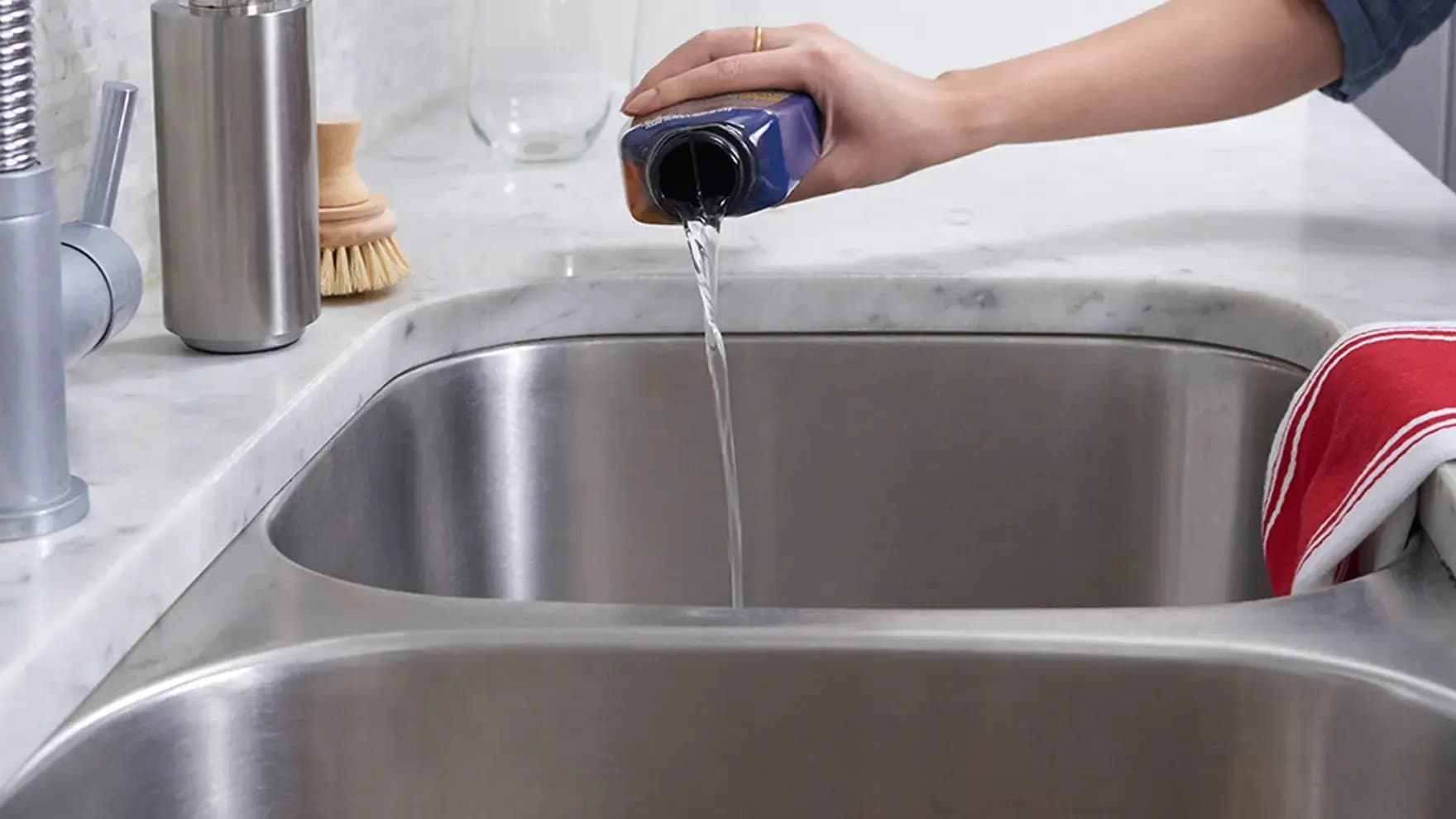
Is your kitchen sink clogged, and the garbage disposal isn’t helping? You might feel stuck, unsure how to fix the problem without making a bigger mess.
But don’t worry—plunging a kitchen sink with a garbage disposal is easier than you think. In this guide, you’ll learn simple, effective steps to clear the blockage quickly. Imagine turning on your sink and having water flow smoothly again—no more standing water or foul smells.
Keep reading, and you’ll discover the exact techniques that make plunging your sink hassle-free and stress-free. Your kitchen will thank you!
Tools Needed
Before you start plunging your kitchen sink with a garbage disposal, it’s important to gather the right tools. Having everything ready will save you time and frustration. It also helps you avoid making the problem worse by using the wrong equipment.
Basic Tools You’ll Need
- Plunger:A standard sink plunger works best. Avoid toilet plungers because their shape doesn’t seal well on flat sink surfaces.
- Bucket:Keep a bucket nearby to catch any water that might spill out when you start plunging.
- Rubber Gloves:Protect your hands from dirty water and sharp disposal parts by wearing sturdy rubber gloves.
Specialized Tools For Garbage Disposal
- Hex Wrench (Allen Key):Many garbage disposals come with a small hex wrench to manually turn the blades if they get stuck.
- Flashlight:A flashlight helps you see inside the disposal unit to check for visible clogs or jams.
- Plumber’s Snake or Wire Coat Hanger:For tough clogs, a plumber’s snake or a straightened wire coat hanger can help dislodge debris stuck deep inside the drain.
Additional Helpful Items
- Old Towels or Rags:These help soak up water spills and keep your workspace clean.
- Screwdriver:You might need this to remove the disposal splash guard for better access.
- Safety Glasses:Protect your eyes from splashes or flying debris while you’re plunging or inspecting the disposal.
Do you have these tools ready? If not, getting them before you start will make the plunging process much smoother. Having the right tools also reduces the risk of damaging your garbage disposal or plumbing system.
Safety First
Safety is the top priority when plunging a kitchen sink with a garbage disposal. The disposal has sharp blades and electrical parts that can cause injury. Taking the right precautions protects you and your home. Follow these simple safety tips before you start any work.
Turn Off The Power
Always switch off the garbage disposal before plunging. Unplug it or turn off the circuit breaker. This stops the blades from spinning unexpectedly. Never work on the disposal while it is powered.
Use Proper Tools
Choose a plunger designed for kitchen sinks. Avoid using tools that can damage the disposal or pipes. A sink plunger creates a strong seal and pressure to clear clogs safely.
Wear Protective Gear
Put on rubber gloves to protect your hands from sharp edges. Safety goggles help keep debris and splashes out of your eyes. These simple items prevent injuries during the process.
Avoid Harsh Chemicals
Do not use chemical drain cleaners with a garbage disposal. These chemicals can damage the blades and pipes. They also pose risks to your skin and eyes.
Shut Off Power
Before you start plunging a kitchen sink with a garbage disposal, shutting off the power is crucial. This step protects you from unexpected accidents. A garbage disposal can turn on suddenly, causing serious injury.
Locate The Power Source
First, find where your garbage disposal is plugged in or hardwired. Usually, it’s under the sink or connected to a dedicated outlet. If you have trouble spotting it, check the electrical panel for a labeled switch.
Turn Off The Disposal Switch
Most kitchens have a wall switch that controls the disposal. Flip this switch off to cut the power. Don’t assume the switch alone is enough; sometimes, power can still flow through the circuit.
Unplug Or Switch Off The Circuit Breaker
For extra safety, unplug the disposal from the outlet under the sink. If it’s hardwired, turn off the corresponding circuit breaker. This step eliminates any risk of the disposal activating while you work.
Double-check Power Is Off
Press the disposal’s reset button or try turning it on briefly (after confirming the switch and breaker are off). If it doesn’t start, you’re safe to proceed. Never skip this check because power could still be live.
Have you ever underestimated the power of a garbage disposal? Taking these precautions can save you from painful mistakes. Your safety depends on ensuring the disposal is completely off before plunging.

Credit: www.youtube.com
Remove Standing Water
Standing water in the sink blocks plunging efforts and can cause spills. Removing it helps create a tight seal for the plunger. This step improves pressure and clears the clog faster.
Removing standing water is a crucial first step when dealing with a clogged kitchen sink, especially one with a garbage disposal. Stagnant water not only makes it difficult to see the blockage but also creates an unhygienic environment. Clearing this water allows you to work more effectively on the clog. Let's explore how to tackle this task efficiently.
Use A Bucket And Cup
Start by using a small cup to scoop out water. Pour the water into a bucket. This method keeps your workspace clean. Continue until most of the water is removed.
Employ A Wet/dry Vacuum
A wet/dry vacuum can quickly remove standing water. Ensure the vacuum is set to handle liquids. Insert the hose into the sink and turn on the vacuum. This approach is fast and efficient.
Check The Garbage Disposal
Ensure the garbage disposal is off before proceeding. Sometimes, simply running the disposal can clear small blockages. If it doesn't work, proceed with other methods.
Inspect For Visible Blockages
After removing the water, check for visible clogs. Use a flashlight for a better view. Remove any debris found within reach. This might solve the issue without further action.
Clear The Disposal Chamber
Clearing the disposal chamber is a crucial part of plunging a kitchen sink with a garbage disposal. This area often traps food scraps and debris that block water flow. Taking the time to clear it out properly can save you from more serious clogs and unpleasant odors later.
Turn Off The Power To The Disposal
Before you reach into the disposal chamber, make sure you switch off the power. Unplug the unit or turn off the circuit breaker to avoid any accidents. It’s surprising how many people forget this simple step and risk injury.
Remove Visible Debris Carefully
Use tongs or pliers to pull out any chunks of food or objects stuck inside the chamber. Never use your hands, even if the power is off. Clearing these blockages by hand is safer and more effective.
Use A Flashlight To Inspect The Chamber
Shine a flashlight into the disposal to spot any remaining stuck items. Sometimes small bits cling to the sides or blades, causing slow drainage. Spotting these early helps you target the problem area directly.
Flush With Hot Water And Dish Soap
After removing solid debris, pour hot water mixed with a few drops of dish soap into the chamber. This helps break down greasy residues that cling to the blades and walls. Let it sit for a minute before plunging to loosen buildup.
Check For Any Signs Of Damage
While clearing the chamber, look for cracks, rust, or loose parts. Damaged components can worsen clogs or cause leaks. Catching these early lets you arrange repairs before they become costly problems.

Credit: www.youtube.com
Proper Plunging Technique
Mastering the proper plunging technique is key to clearing a clogged kitchen sink with a garbage disposal. It’s not just about force; it’s about precision and creating the right seal to push the blockage through. Using the right tools and steps can save you from frustration and potential damage.
Choosing The Right Plunger
Not all plungers are built the same. A standard cup plunger, designed for flat surfaces like sinks, works best here. Avoid flange plungers meant for toilets, as they won’t create a good seal on your kitchen sink drain.
Consider a plunger with a sturdy rubber cup and a comfortable handle. This design helps you apply consistent pressure without slipping. Have you noticed how a flimsy plunger just makes a mess instead of clearing the clog?
Sealing The Drain
Creating a tight seal around the drain is crucial. If air escapes, the plunging force weakens and the clog won’t budge. Use a wet rag to block the secondary drain opening or the overflow hole if your sink has one.
Press the plunger firmly over the drain, ensuring the rubber cup completely covers it. You want to feel resistance when you push down. Does your plunger wiggle or does it stay put? The latter means you’re ready to plunge.
Plunging Steps
- Fill the sink with enough water to cover the plunger cup. Water, not air, transmits pressure best.
- Hold the plunger vertically and plunge with steady, controlled force. Rapid or jerky movements can break the seal.
- Push down and pull up without lifting the plunger off the drain.
- Repeat this motion 15 to 20 times, checking periodically if the water drains.
- If the water starts to drain slowly, plunge a few more times to clear the blockage completely.
Remember, patience is important. Have you ever rushed plunging only to find the clog stubbornly remains? Slow and steady usually wins here.
Check For Clogs In The Drain Pipe
Check for clogs in the drain pipe before plunging a kitchen sink with a garbage disposal. Clogs often cause slow drainage or water backup. Identifying the clog location helps clear it effectively. The drain pipe connects the sink to the home’s plumbing system. Food scraps, grease, and soap scum often build up inside this pipe. Clearing these blockages restores proper water flow and prevents damage to the disposal.
Locate The Drain Pipe Under The Sink
Open the cabinet beneath the sink to find the drain pipe. It usually runs from the garbage disposal to the wall or floor drain. Look for any visible signs of leaks or buildup on the pipe’s surface. Place a bucket underneath to catch any water before disconnecting the pipe.
Disconnect The P-trap For Inspection
The P-trap is a curved section of the drain pipe. It collects debris and prevents sewer gases from entering the kitchen. Use a wrench or pliers to loosen the slip nuts holding the P-trap. Remove the trap carefully and check for clogs inside. Clean out any trapped debris using a brush or flexible wire.
Use A Drain Snake To Clear Deeper Clogs
For clogs beyond the P-trap, a drain snake works well. Insert the snake into the drain pipe and turn it clockwise. Push it gently until you feel resistance from the clog. Rotate the snake to break up or hook the blockage. Pull the snake out slowly, removing trapped debris. Run water to check if the clog clears.
Flush The Drain With Hot Water And Baking Soda
After removing visible clogs, flush the drain to remove grease and residue. Pour half a cup of baking soda down the drain. Follow it with a cup of hot water or vinegar for a fizzing reaction. Let it sit for 10-15 minutes. Flush again with hot water to clear remaining buildup.

Credit: www.benjaminfranklinplumbingtyler.com
Reset The Garbage Disposal
Resetting the garbage disposal is a simple fix for many common problems. Sometimes the disposal stops working because it has overheated or jammed. A quick reset can restore power and get it running again. This step is safe and easy to do without special tools.
Before resetting, make sure to turn off the disposal and unplug it if possible. This prevents accidents during the reset process. After resetting, test the disposal by running water and turning it on. If it still does not work, further troubleshooting may be needed.
Locate The Reset Button
The reset button is usually on the bottom or side of the garbage disposal unit. It is a small, red or black button. Sometimes it is labeled "Reset." Look under the sink to find the disposal and check carefully.
Press The Reset Button
Push the button firmly until you hear a click. This means the disposal has reset. If the button does not stay pressed, wait a few minutes and try again. The disposal may need time to cool down before resetting.
Test The Disposal
Plug the disposal back in if you unplugged it. Run cold water into the sink. Turn on the disposal switch. Listen for normal running sounds. If it works smoothly, the reset was successful. If not, check for jams or call a professional.
When To Use A Snake
Sometimes, plunging does not clear a stubborn kitchen sink clog. This is when using a plumbing snake becomes essential. The snake, a flexible tool, can reach deeper clogs. It navigates through the pipes and clears blockages effectively. Knowing when to use a snake saves time and effort. Let's explore this approach further.
Signs You Need A Snake
If water drains slowly, a snake might be necessary. Persistent clogs that don't respond to plunging require a snake. Foul odors from the drain suggest deep-seated clogs. These signs indicate a deeper issue within the pipes.
How To Use A Snake
Insert the snake into the drain slowly. Turn the handle clockwise to move it forward. Continue until you feel resistance. This means the snake has reached the clog. Rotate the snake to break up the blockage. Pull the snake back gently to remove debris.
Safety Precautions When Using A Snake
Wear gloves to protect your hands. Be cautious with the snake's sharp end. Avoid using excessive force to prevent pipe damage. Ensure the garbage disposal is off before starting. This prevents accidents and ensures safety.
Benefits Of Snaking A Drain
Snaking can clear tough clogs effectively. It reaches deep into pipes where plungers can't. The snake offers a thorough cleaning of the drain. Using a snake can prevent future clogs by removing buildup. It's a practical tool for maintaining a healthy plumbing system.
Preventing Future Clogs
Preventing future clogs is key to keeping your kitchen sink and garbage disposal working smoothly. Taking simple steps can save you time and avoid the hassle of plunging again. Let’s look at how you can protect your plumbing with mindful habits and regular care.
Proper Disposal Use
Not everything belongs in the garbage disposal. Avoid putting fibrous foods like celery, onion skins, or corn husks down the drain—they can wrap around the blades and cause blockages.
Grease and oil are another big no. When these liquids cool, they solidify and stick to the pipes, creating tough clogs. Instead, pour fats into a container and throw them in the trash.
Think about what you feed your disposal like a diet for a pet. What you put in directly affects its health and performance. Have you ever noticed a strange noise or slow draining after tossing something unusual in? That’s your disposal’s way of telling you to rethink your choices.
Regular Maintenance
Regular care keeps your garbage disposal in top shape. Run cold water through the disposal for about 30 seconds before and after use to flush out debris and help solidify any grease so it can be chopped up.
Once a week, grind small amounts of ice cubes and a tablespoon of rock salt to clean the blades and scrape away buildup. This simple routine can prevent stubborn clogs from forming.
Don’t forget to freshen your disposal by grinding citrus peels like lemon or orange. This not only eliminates odors but also encourages smooth operation.
Frequently Asked Questions
How Do You Safely Plunge A Kitchen Sink With Disposal?
First, turn off the garbage disposal power. Use a sink plunger, sealing the other drain. Plunge gently to avoid damage. Repeat until water drains smoothly.
Can A Plunger Damage A Garbage Disposal?
Yes, aggressive plunging can harm disposal parts. Use gentle pressure and seal the other drain to prevent damage. Always disconnect power before plunging.
What Should I Avoid When Plunging A Kitchen Sink?
Avoid using excessive force and harsh chemicals. Do not plunge with the disposal running. Always turn off power and seal other drains for best results.
How Often Should I Plunge A Kitchen Sink With Disposal?
Plunge only when the sink clogs or drains slowly. Regular maintenance like cleaning the disposal helps prevent frequent clogs. Avoid overuse to protect the disposal.
Conclusion
Plunging a kitchen sink with a garbage disposal is simple and useful. Clear blockages fast by following the right steps. Stay patient and use gentle pressure to avoid damage. Keep your sink clean to stop future clogs. Small efforts save big plumbing problems later.
Now, you can handle minor sink issues confidently at home. Trust your hands and tools to get the job done.