
Is your kitchen sink clogged, and you don’t have a plunger nearby? Don’t worry—you can still fix it yourself.
A blocked sink is frustrating and can slow down your entire routine. But before you call a plumber or buy a new tool, there are simple tricks you can try right now with things you already have at home. Keep reading to discover easy, effective ways to plunge your kitchen sink without a plunger and get your water flowing freely again.
Credit: www.housedigest.com
Common Causes Of Sink Clogs
Kitchen sink clogs happen for many reasons. Understanding these causes helps fix the problem faster. Clogs block water flow and cause bad smells. Some causes are easy to avoid with good habits. Others need a little effort to clear up. Here are the most common causes of kitchen sink clogs.
Food Particles And Grease
Food scraps often go down the drain. Over time, they pile up inside the pipes. Grease from cooking oils cools and hardens. This sticky layer traps more food bits. The clog builds slowly but blocks water well.
Soap Scum Build-up
Soap mixes with minerals in water. This creates a hard film called soap scum. Soap scum sticks to pipe walls. It narrows the drain space. Water drains slowly and clogs form easily.
Foreign Objects
Small items like bottle caps or jewelry can fall in. These objects block pipes quickly. Even bits of plastic or paper cause trouble. They stop water flow and cause backups.

Credit: www.drano.com
Tools You Can Use Instead Of A Plunger
Clogged kitchen sinks can be a hassle, especially without a plunger. Several common household items can help clear the blockage. These tools are easy to find and simple to use. They offer effective alternatives to traditional plungers.
Baking Soda And Vinegar
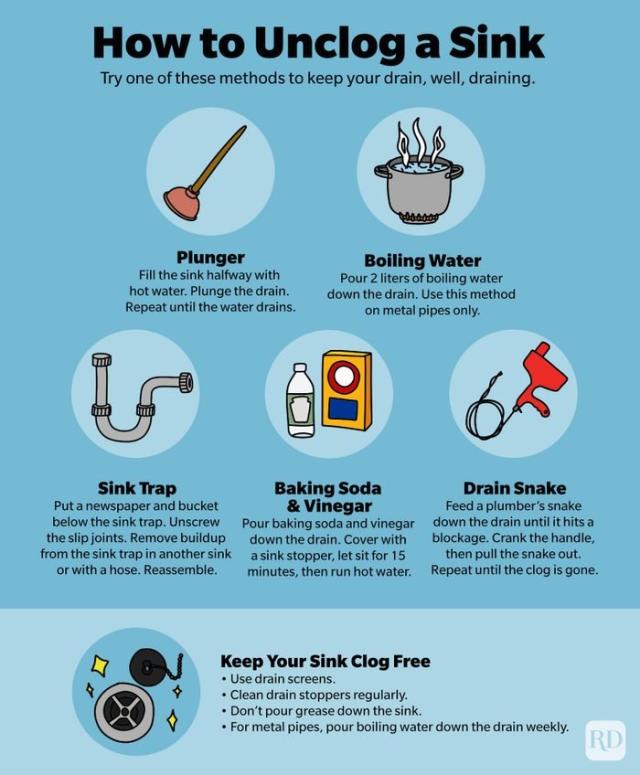
Baking soda and vinegar create a natural cleaning reaction. Pour half a cup of baking soda into the drain. Follow with one cup of vinegar. Let the mixture fizz for 15 minutes. Flush the drain with hot water. This method can break down grease and debris.
Dish Soap And Hot Water
Dish soap helps dissolve grease blocking the drain. Pour a generous amount of dish soap into the sink. Follow with a kettle of hot water. The heat and soap work together to clear oily clogs. This method is gentle and safe for pipes.
Wire Hanger
A straightened wire hanger can reach deep into the drain. Unwind the hanger and create a small hook at one end. Carefully insert it into the drain to pull out hair or debris. Be gentle to avoid damaging the pipes.
Wet/dry Vacuum
A wet/dry vacuum can suck out stubborn clogs. Set the vacuum to liquid mode. Cover the vent to avoid a mess. Place the hose over the drain opening and create a tight seal. Turn on the vacuum to remove blockages quickly.
Step-by-step Diy Methods
Plunging a kitchen sink without a plunger might seem challenging. Yet, there are simple DIY methods to tackle this problem. These techniques use common household items. They are effective and easy to execute.
Using Baking Soda And Vinegar
Baking soda and vinegar create a powerful reaction. Pour a cup of baking soda into the drain. Follow with a cup of vinegar. Let it fizz for 15 minutes. Then, flush with hot water. This breaks down minor blockages.
Applying Dish Soap With Hot Water
Dish soap can help remove greasy clogs. Squirt a generous amount into the drain. Boil water in a kettle. Pour the hot water slowly. It softens and dislodges oily buildup. Repeat if necessary for stubborn clogs.
Clearing Blockages With A Wire Hanger
Unravel a wire hanger to create a hook. Insert it into the drain carefully. Twist and pull out debris. Be gentle to avoid pipe damage. This method is ideal for hair or solid waste.
Vacuuming The Drain
A wet/dry vacuum can suck out clogs. Set it to liquid mode. Create a tight seal around the drain. Turn on the vacuum and let it work. It removes blockages effectively.
Preventing Future Sink Clogs
Preventing future sink clogs is easier than you think. Small habits can save you from messy, time-consuming blockages. By paying attention to your kitchen sink’s daily use, you can keep water flowing smoothly and avoid the hassle of plunging without a plunger.
Regular Cleaning Tips
Cleaning your sink drain regularly helps stop buildup before it becomes a clog. Pour a mixture of baking soda and vinegar down the drain once a week to break down grease and food particles. Follow it with hot water to flush everything away.
Don’t forget to wipe the sink and the drain opening daily. This simple act removes bits of food and soap scum that can cause blockages. Have you noticed how a clean sink feels fresher and works better?
Proper Disposal Of Waste
Think twice before washing scraps down the drain. Avoid pouring grease, coffee grounds, and fibrous vegetables like celery into your sink. These materials harden or tangle, leading to clogs.
Use a compost bin or trash can for these wastes instead. It might seem small, but changing what you throw down the drain makes a huge difference. How often do you catch yourself rinsing off things that should go in the trash?
Installing A Drain Strainer
A drain strainer is a simple tool that catches food debris before it goes down your drain. Installing one costs just a few dollars but saves hours of frustration. It’s like having a guard at the gate, stopping clogs before they start.
Choose a strainer that fits your sink snugly and clean it regularly. You’ll be surprised how much stuff it collects that you never saw going down the drain. Have you tried using a strainer in your kitchen sink yet?
When To Call A Professional
Knowing when to call a professional plumber can save time and prevent damage. Some kitchen sink issues need expert help beyond DIY fixes. Recognizing the warning signs is key to avoiding bigger problems.
Persistent Clogs
Clogs that do not clear after several attempts need professional attention. Stubborn blockages may indicate a deeper pipe issue. Experts have tools to clear tough clogs safely and quickly.
Unusual Drain Noises
Gurgling, banging, or rattling sounds from your drain signal trouble. These noises can mean trapped air or pipe damage. A plumber can diagnose and fix these issues before they worsen.
Leaks And Water Damage
Visible leaks under the sink or water stains on cabinets require urgent care. Ignoring leaks can lead to mold and structural damage. Professionals can locate leaks and repair pipes properly.
Credit: www.aol.com
Frequently Asked Questions
How Can I Unclog A Kitchen Sink Without A Plunger?
You can use baking soda and vinegar to unclog your sink. Pour half a cup of baking soda, then add half a cup of vinegar. Let it sit for 15 minutes, then flush with hot water to clear the blockage.
What Household Items Replace A Plunger For Sinks?
Common alternatives include a wire hanger, baking soda, vinegar, or a wet-dry vacuum. These items help break up or extract clogs effectively without a traditional plunger.
Is Boiling Water Effective To Clear Kitchen Sink Clogs?
Yes, boiling water can dissolve grease and soap buildup. Pour it slowly in stages to avoid pipe damage. It’s a safe and easy first step before trying other methods.
Can Dish Soap Help Unclog A Kitchen Sink?
Dish soap helps break down greasy clogs. Pour a generous amount down the drain, then follow with hot water. This method softens blockages and promotes smoother drainage.
Conclusion
Clearing a kitchen sink without a plunger is easier than it seems. Use common household items and simple steps. Patience helps to avoid making the clog worse. Try these methods before calling a plumber. Keep your sink clean to prevent future clogs.
Small efforts save time and money. Remember, a clear sink means a happy kitchen.