
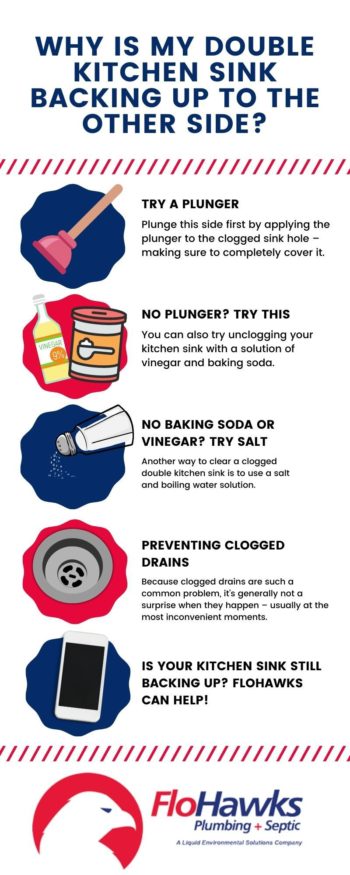
Is your double kitchen sink clogged and slowing you down? You don’t have to call a plumber just yet.
Learning how to plunge a double kitchen sink can save you time, money, and frustration. With the right technique, you can clear the blockage quickly and get your sink draining smoothly again. In this guide, you’ll discover simple steps to tackle the clog effectively—no fancy tools or expert skills needed.
Ready to take control and fix your sink yourself? Keep reading, and you’ll be plunging like a pro in no time.
Tools Needed
Plunging a double kitchen sink requires the right tools to work efficiently. Having these tools ready helps clear the clog faster. It also prevents damage to your sink or pipes. Below is a list of essential and optional tools for this task.
Essential Plunging Tools
- Sink plunger with a flange for better seal
- Bucket to catch any spilled water
- Old towels or rags to protect the countertop
- Rubber gloves for hygiene and grip
- Flashlight to check the drain and pipes
Optional Accessories
- Drain snake or auger for tough clogs
- Pipe wrench for loosening drain pipes if needed
- Baking soda and vinegar for natural cleaning after plunging
- Drain cleaning brush for scrubbing inside pipes
- Plastic sheeting to cover and protect surrounding areas

Credit: www.drano.com
Preparing The Sink
Preparing your double kitchen sink before plunging is essential for effective unclogging. Taking the time to set up the area properly can save you frustration and prevent damage. Let’s look at how clearing the area and sealing the drain sets you up for success.
Clearing The Area
Start by removing any dishes, soap bottles, or sponges around the sink. A clutter-free space gives you room to work comfortably and prevents accidental spills or breakage. If you have a garbage disposal, check for any food debris that might interfere with plunging.
Clear the cabinet underneath if you need access to the pipes later on. Protect the cabinet floor with a towel or plastic sheet to catch any drips. Have a bucket handy just in case water spills when you start plunging.
Sealing The Drain
Sealing the drain properly is key to creating the suction needed to dislodge the clog. For a double sink, plug the drain on the side you’re not plunging. You can use a wet cloth or a sink stopper to make sure no air escapes.
Make sure the plunger’s cup completely covers the drain opening. Push down firmly to create a tight seal before you start plunging. Have you noticed how sometimes the plunger slips? That’s usually because of a poor seal—fixing that can make plunging much more effective.
Choosing The Right Plunger
Selecting a plunger with a flange helps create a strong seal for double kitchen sinks. Choose one that fits both drain openings for effective plunging. A sturdy handle ensures better control and pressure during use.
Choosing the right plunger is essential for unclogging a double kitchen sink. A plunger that fits well and creates a strong seal will make the task easier. Different plungers serve various purposes, so knowing which one suits your sink is vital.
Types Of Plungers
Plungers come in different shapes and sizes. The most common types include:
- Standard Cup Plunger:Best for flat surfaces, like sinks and tubs.
- Flange Plunger:Designed for toilets but can work on sinks with a flange attachment.
- Accordion Plunger:Provides strong suction, suitable for stubborn clogs.
- Beehive Plunger:Versatile design that fits sink and toilet drains.
Each type has its unique features and uses. Selecting the right one saves time and effort.
Best Plunger For Double Sinks
For double kitchen sinks, the flange plunger is often the best choice. Its design helps create a better seal in sink drains. This ensures effective plunging, clearing blockages efficiently. The standard cup plunger can also work well if the sink's surface is flat. An accordion plunger might be helpful for tougher clogs. Its robust suction can handle challenging blockages. Choosing the right plunger can make a significant difference in clearing your double sink.
Plunging Steps For Double Sink
Plunging a double kitchen sink might seem tricky at first, but with the right approach, you can clear clogs quickly and efficiently. The key is to handle each basin thoughtfully, ensuring you create a strong seal and apply pressure where it counts. Let’s walk through the essential steps that make plunging a double sink straightforward and effective.
Blocking One Drain
Start by blocking one of the sink drains. This step is crucial because plunging one drain without sealing the other will let air escape, reducing the pressure needed to clear the blockage.
You can use a wet cloth, a rubber stopper, or even a small bowl to cover the other drain tightly. Make sure the seal is snug—if water or air leaks out, your plunging won’t be as effective.
Have you ever tried plunging without blocking the second drain? It’s like pushing water uphill—inefficient and frustrating.
Effective Plunging Technique
With one drain sealed, fill the sink with enough water to cover the plunger’s cup. The water helps create the suction and pressure needed to dislodge the clog.
Place the plunger over the open drain, ensuring it forms a tight seal. Use steady, forceful plunges—push down and pull up without breaking the seal.
Notice the rhythm. Too fast or too slow can waste effort. Aim for about 10 to 15 solid plunges, then quickly pull the plunger away to see if the water drains.
Repeating For Second Sink
Once the first drain is clear, switch to the second sink. Repeat the process: block the drain you just cleared and plunge the other side.
Many people overlook this step, assuming unclogging one basin fixes the entire sink. But double sinks often have separate traps, so each side needs attention.
Patience here pays off. Clearing both drains prevents future backups and keeps your kitchen running smoothly.
Alternative Fixes
When plunging your double kitchen sink doesn’t clear the clog, alternative fixes can save you a trip to the plumber. These methods use simple household items or manual efforts to tackle stubborn blockages. They often reveal hidden issues you might not have noticed before.
Using Baking Soda And Vinegar
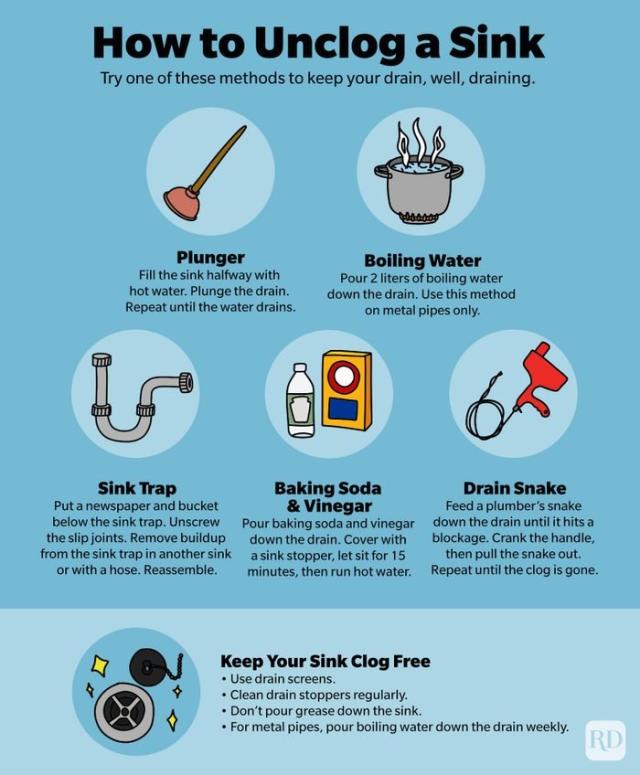
This classic combo is more than a kitchen staple—it’s a natural drain cleaner. Start by pouring about half a cup of baking soda into the drain. Then, slowly add one cup of vinegar and watch the fizz work through the clog.
Let the mixture sit for 15 to 20 minutes. During this time, the chemical reaction helps break down grease and food particles blocking your pipes. Follow up by flushing the drain with hot water to wash everything away.
Have you ever noticed how this method can sometimes clear smells as well? It’s a win-win for both clogs and odors, making your kitchen sink feel fresh and free-flowing again.
Manual Cleaning Of Drain Trap
If the baking soda and vinegar don’t do the trick, the problem might be trapped in the drain trap (the U-shaped pipe under your sink). Place a bucket underneath to catch any water, then carefully unscrew the slip nuts holding the trap in place.
Remove the trap and inspect it for debris like food scraps, grease, or even small objects. Cleaning this out by hand can often solve clogs that plunging misses completely.
Remember to check the washers and seals before reassembling to avoid leaks. This hands-on approach not only clears the blockage but also gives you a better understanding of your sink’s plumbing system.
Credit: www.aol.com
When To Call A Professional
Knowing when to call a professional plumber is important for double kitchen sink issues. Some clogs need expert help to avoid worsening the problem. Understanding the signs of severe clogs and how to avoid damage helps you decide the best time to get professional service.
Signs Of Severe Clogs
- Water drains very slowly or not at all.
- Unpleasant odors come from the sink drains.
- Water backs up into the other side of the double sink.
- Plunging does not improve the drainage.
- Repeated clogs happen in a short time.
These signs often mean the clog is deep in the pipes or too tough for simple tools. A professional has special equipment to clear these safely and quickly.
Avoiding Damage
- Do not use excessive force with the plunger.
- Avoid harsh chemical drain cleaners that can harm pipes.
- Do not try to remove pipes without proper knowledge.
- Turn off water supply if flooding starts.
- Use professional help if unsure about the problem.
Wrong attempts can cause pipe leaks or damage. Professionals prevent costly repairs by handling the problem carefully. Calling a plumber saves time and protects your kitchen plumbing.
Preventing Future Clogs
Preventing future clogs in your double kitchen sink saves you time, hassle, and unexpected repair costs. It’s easier to avoid a clog than to fix one, especially when you understand how everyday habits impact your pipes. Small changes can make a big difference in keeping your drains clear and your sink functioning smoothly.
Regular Maintenance Tips
Cleaning your sink drains regularly helps catch buildup before it becomes a clog. Pour boiling water down the drains once a week to dissolve grease and soap residue. You can also use a mixture of baking soda and vinegar to naturally break down debris and keep smells away.
Check the sink stoppers and strainers often. Removing trapped food scraps prevents them from slipping into the pipes. Even a quick rinse of the strainers after each use can reduce the chance of blockage.
Proper Sink Usage Habits
Think about what goes down your drains. Avoid pouring grease, coffee grounds, and fibrous food scraps into the sink. These materials stick to pipes and build up over time, leading to blockages.
- Use sink strainers to catch food particles.
- Scrape plates into the trash before washing.
- Dispose of cooking oils in a separate container instead of the drain.
Does your sink clog quickly after certain meals? That’s a sign to change what you flush down. Being mindful about waste disposal helps you keep your drains flowing freely and reduces the need to plunge your double kitchen sink frequently.

Credit: www.angi.com
Frequently Asked Questions
How Do I Plunge A Double Kitchen Sink Effectively?
To plunge a double kitchen sink, block the other drain with a wet cloth. Fill the clogged side with water. Use a plunger with a firm seal and pump vigorously to dislodge the blockage. Repeat if necessary for best results.
What Tools Do I Need To Plunge A Double Kitchen Sink?
You need a cup plunger and a wet cloth or stopper. Optionally, wear gloves for hygiene. A bucket helps catch any overflow. These tools ensure a proper seal and effective plunging of the sink drains.
Can Plunging Damage A Double Kitchen Sink?
Plunging is safe if done gently. Avoid excessive force to prevent pipe or sink damage. Use a proper plunger and seal the other drain to maintain pressure. If unsure, consult a plumber to avoid risks.
How Often Should I Plunge My Double Kitchen Sink?
Plunge only when you notice slow drainage or clogs. Routine plunging is unnecessary and may wear out seals. Regular cleaning and avoiding debris buildup help prevent frequent clogs and maintain sink function.
Conclusion
Plunging a double kitchen sink can be simple and quick. Use the right tools and follow steps carefully. Clear blockages to keep water flowing well. Regular care helps avoid tough clogs later. Stay patient and work gently for best results.
This method saves time and money on repairs. Keep your sink clean and working smoothly every day.