
Your kitchen sink is one of the busiest spots in your home, yet it often gets overlooked when it comes to cleaning. Over time, it can lose its shine, looking dull and worn out.
But what if you could bring back that bright, polished look with just a few simple steps? You’ll discover easy and effective ways to polish your kitchen sink, making it look brand new again. Keep reading, and you’ll learn how to transform your sink without spending a fortune or hiring a professional.
Your kitchen deserves to sparkle—and you’re just a few steps away from making that happen.
Credit: www.housework.com
Choose The Right Polish
Choosing the right polish for your kitchen sink makes a huge difference in restoring its shine and protecting its surface. Different sink materials react differently to polishes, so using the wrong product can cause damage instead of enhancing the look. Understanding what your sink is made of is the first step to picking a polish that works effectively without harm.
Types Of Sink Materials
Your kitchen sink could be stainless steel, porcelain, granite composite, or even copper. Each material needs special care:
- Stainless Steel:Durable and common, but prone to water spots and scratches.
- Porcelain:Smooth and elegant but can chip or stain easily.
- Granite Composite:Tough and resistant to scratches but can lose its luster over time.
- Copper:Beautiful with a natural patina but requires gentle cleaning to avoid tarnish.
Do you know what your sink is made of? If not, check the manufacturer’s label or manual before buying any polish.
Best Polishing Products
Not all polishes are created equal. Some are specially formulated for certain sink materials. Using a stainless steel polish on a porcelain sink can cause dullness or damage.
| Sink Material | Recommended Polish | Key Benefits |
|---|---|---|
| Stainless Steel | Bar Keepers Friend, Stainless Steel Cleaner | Removes stains, hides scratches, restores shine |
| Porcelain | Non-abrasive cream cleaner, mild polishing paste | Prevents chipping, removes stains, maintains gloss |
| Granite Composite | Granite-specific polish, mild liquid cleaners | Protects surface, enhances color, resists water spots |
| Copper | Copper cleaner, natural polish like lemon and salt | Removes tarnish, preserves patina, shines without damage |
Have you tried a product that didn’t work? Sometimes it’s worth testing a small hidden spot before committing to a full polish. This helps avoid surprises and keeps your sink looking its best.
Credit: modern-maids.com
Prepare The Sink
Preparing the kitchen sink is a key step before polishing. A clean and clear surface helps achieve a shiny finish. Dirt, food scraps, and stains can block polish from working well. Taking time to prepare the sink will make polishing easier and more effective.
Clear And Clean The Surface
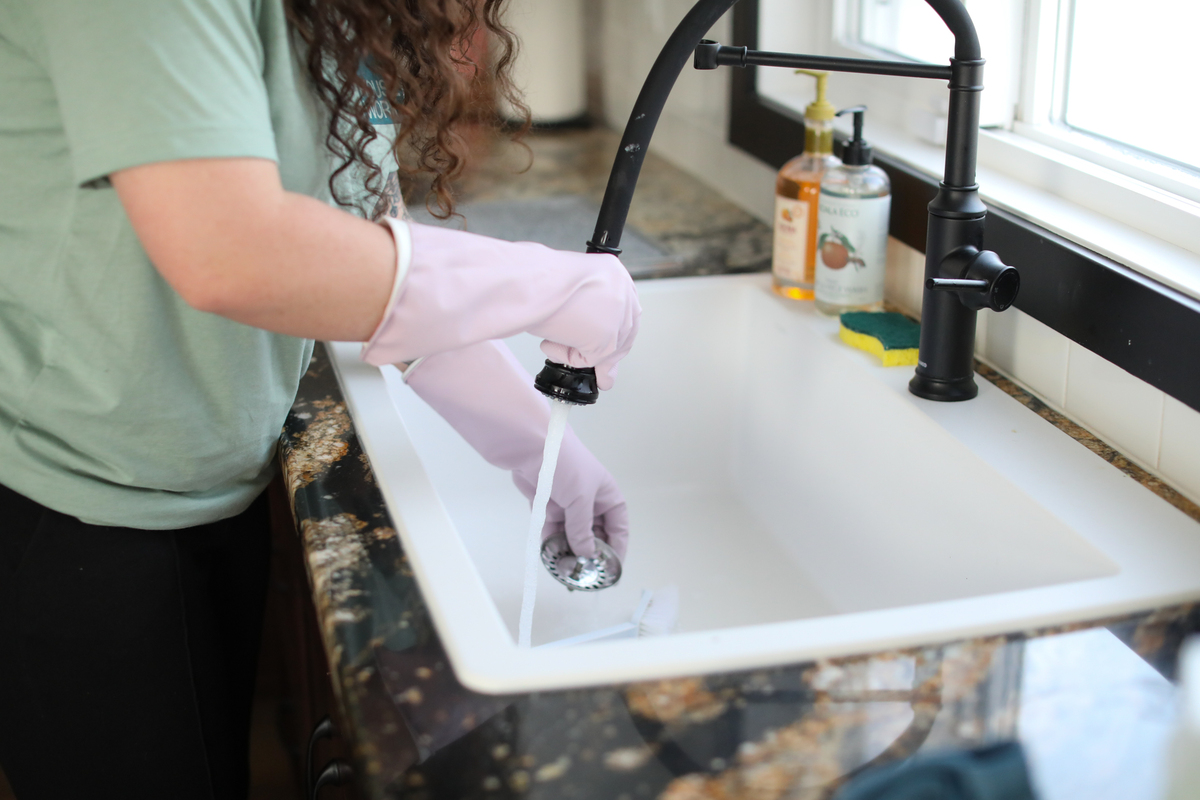
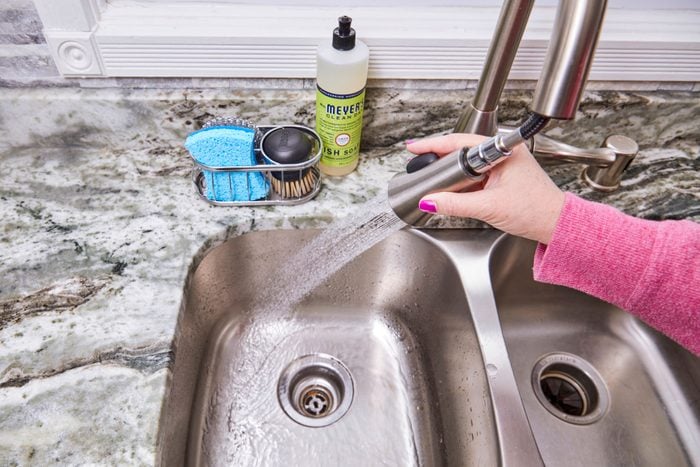
Start by removing all dishes and items from the sink. Use warm water and dish soap to wash away grease and grime. A soft sponge or cloth works best to avoid scratching. Rinse the sink thoroughly with clean water to remove soap residue. Dry the surface with a clean towel to spot any areas that need more cleaning.
Remove Stains And Residue
Stains can dull the sink’s look and stop polish from sticking properly. Use a baking soda paste made with water for gentle scrubbing. Apply it on stains and rub lightly with a soft cloth. For tougher spots, try white vinegar or a mild cleaner safe for your sink type. Rinse well after treatment and wipe dry. This step clears residue and prepares the surface for polishing products.
Polishing Techniques
Clean the sink thoroughly to remove dirt and stains. Use a soft cloth with a gentle polish or baking soda paste to buff the surface. Rinse well and dry to bring out a shiny, smooth finish.
Polishing your kitchen sink can make it shine like new. This process not only enhances its appearance but also extends its lifespan. Here, we explore effective polishing techniques to keep your sink sparkling clean.
Hand Polishing Tips
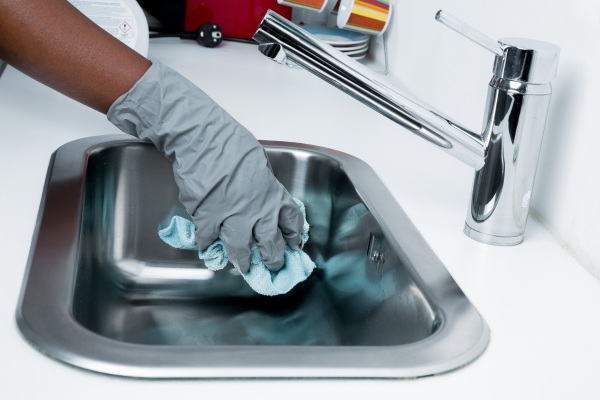
Hand polishing is simple and effective. Start with a clean cloth. Apply a few drops of dish soap on it. Gently scrub the sink in circular motions. Focus on areas with stains or dull spots. Rinse with warm water and dry with a soft towel. For a deeper shine, use a stainless steel polish. Apply it with a microfiber cloth. Buff the sink with gentle pressure. This removes any residue and enhances the luster.
Using A Polishing Machine
A polishing machine can save time and effort. Choose a machine with a gentle setting. Attach a soft pad to the machine. Apply a small amount of metal polish to the pad. Turn the machine on at low speed. Glide it across the sink in even strokes. Avoid pressing too hard to prevent scratches. Rinse the sink thoroughly after polishing. Use a dry cloth to wipe away excess moisture. This method is ideal for larger or heavily stained sinks.
Maintain The Shine
Keeping your kitchen sink shiny requires more than just a quick polish. It demands consistent care and smart habits to maintain that fresh, gleaming look day after day. Let’s explore how you can protect your effort and keep your sink sparkling for longer.
Regular Cleaning Habits
Clean your sink daily to prevent buildup of grime and mineral deposits. Use a soft cloth or sponge with mild dish soap to wipe down all surfaces. Rinse thoroughly and dry with a microfiber cloth to avoid water spots.
Once a week, consider a deeper clean with a gentle scrubbing paste made from baking soda and water. It removes stubborn stains without scratching the surface. Have you noticed how skipping regular drying invites water marks and dullness?
Avoiding Common Damage
Be careful with harsh chemicals like bleach or abrasive cleaners—they can strip the sink’s finish. Never use steel wool or rough scrubbers; they leave scratches that dull the shine.
Protect your sink from heavy pots and pans banging around. Dropping metal objects can cause dents or chips, making your sink look worn quickly. Wouldn’t it be easier to keep your sink flawless if you treated it like a delicate piece of art?
- Use a sink grid to cushion heavy items
- Wipe spills immediately, especially acidic liquids like lemon juice or vinegar
- Avoid leaving wet sponges or cloths in the sink for long periods
Troubleshoot Common Issues
Troubleshooting common issues is key to keeping your kitchen sink shiny and smooth. Small problems can spoil the look and make polishing harder. Quick fixes help restore the sink’s finish and maintain its appeal. Learn how to handle scratches and remove hard water spots effectively.
Handling Scratches
Scratches can make your sink look old and worn out. Light scratches often come from daily use. To fix them, use a non-abrasive cleaner and a soft cloth. Rub gently in circular motions. For deeper scratches, try a metal polish made for sinks. Always test polish on a small area first. Avoid harsh scrubbing, which can worsen scratches.
Dealing With Hard Water Spots
Hard water spots leave white marks on the sink surface. These spots form from minerals in water. Use vinegar to dissolve mineral deposits. Soak a cloth in vinegar and place it on the spots for 10-15 minutes. Then, wipe the sink clean with a soft cloth. Rinse well with water to remove vinegar smell. Regular cleaning prevents hard water buildup and keeps the sink bright.
Credit: www.rd.com
Frequently Asked Questions
How Do I Prepare My Kitchen Sink For Polishing?
Start by cleaning the sink thoroughly with soap and water. Remove all debris and stains. Dry the sink completely before polishing to ensure the best results.
What Materials Do I Need To Polish A Kitchen Sink?
You need a soft cloth, non-abrasive polish or baking soda, a sponge, and water. Avoid harsh chemicals that can damage the sink surface.
How Often Should I Polish My Kitchen Sink?
Polish your kitchen sink every 1 to 2 months. Regular polishing maintains its shine and prevents buildup of stains and water spots.
Can I Polish All Types Of Kitchen Sinks?
Most stainless steel and porcelain sinks can be polished safely. Avoid polishing natural stone or coated sinks without checking manufacturer recommendations.
Conclusion
A polished kitchen sink looks clean and bright. Regular care keeps it shiny and new. Use gentle cleaners and soft cloths to avoid scratches. Small steps make a big difference over time. Keep your sink free from stains and water spots.
A little effort brings great results. Enjoy a sparkling sink every day. Simple methods work best and save money. Make polishing part of your cleaning routine. Your kitchen will feel fresher and more inviting.