
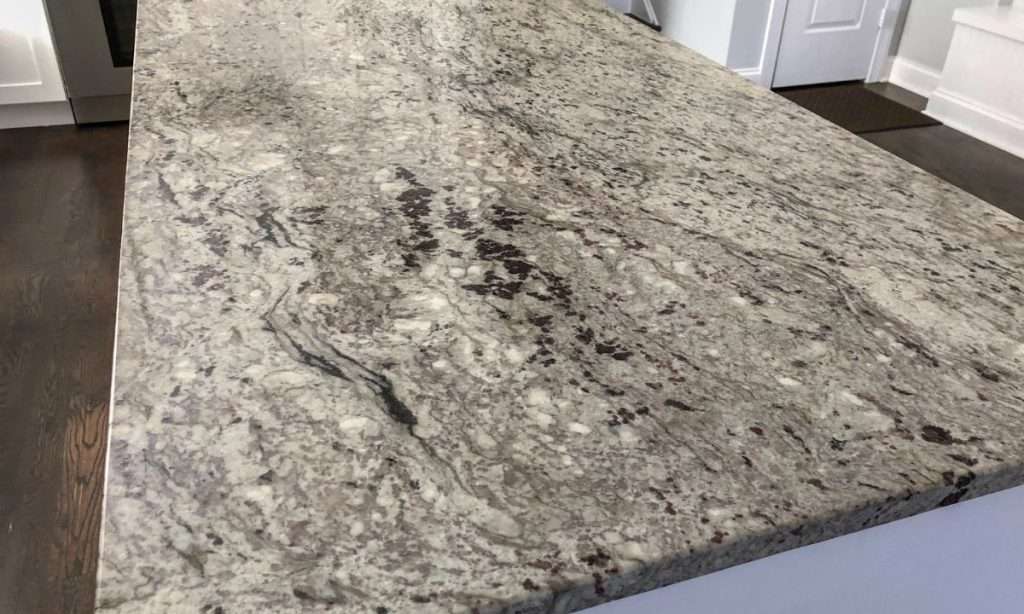
Your granite kitchen countertops add a touch of elegance and durability to your home. But over time, they can lose their shine and look dull.
You might wonder how to bring back that smooth, glossy finish without spending a fortune or hiring a pro. The good news is, polishing your granite countertops yourself is easier than you think. You’ll discover simple, effective steps to restore the natural beauty of your granite.
Keep reading, and you’ll soon have countertops that look brand new and make your kitchen the envy of everyone who visits.

Credit: www.youtube.com
Choosing The Right Materials
Choosing the right materials is key for polishing granite kitchen countertops. The right products protect the stone and bring out its shine. Using harsh cleaners or wrong tools can dull the surface or cause damage. Quality materials make the task easier and the results last longer.
Start by selecting cleaners that are safe for granite. Next, pick polishing compounds that restore gloss without scratching. Finally, gather the right tools to apply and buff the polish effectively. Each choice affects the countertop’s look and durability.
Best Cleaners For Granite
Granite needs gentle, pH-neutral cleaners. Avoid acidic or abrasive products. Look for cleaners made specifically for natural stone. These remove dirt and grease without harming the surface. A mild dish soap mixed with water can also work well. Always use a soft cloth or sponge for cleaning.
Selecting Polishing Compounds
Choose polishing compounds designed for granite or stone. These restore shine and fill in minor scratches. Avoid general-purpose polishes with harsh chemicals. Powder or liquid compounds both work fine. Follow product instructions for best results. Small test areas help ensure no damage occurs.
Tools You Will Need
- Soft microfiber cloths for cleaning and polishing
- Non-abrasive sponges to avoid scratching
- Polishing pads or buffing machines for larger surfaces
- Spray bottles for applying cleaner evenly
- Protective gloves to keep hands safe
Having the right tools helps apply products smoothly. It also prevents damage and speeds up polishing. Simple tools make the process manageable for beginners.
Preparing The Countertop
Preparing your granite kitchen countertops before polishing is key to achieving a smooth, shiny finish. Skipping this step can lead to uneven results or even damage the stone. Taking the time to properly prepare ensures your efforts pay off with a countertop that looks stunning and lasts longer.
Clearing And Cleaning The Surface
Start by removing everything from your countertop. Clear off appliances, utensils, and decorative items to give yourself a clean workspace. This also prevents dirt or debris from scratching the granite during polishing.
Next, clean the surface thoroughly using a mild dish soap and warm water. Avoid harsh chemicals that can dull the stone's finish. Use a soft cloth or sponge to gently remove grease, food residue, and dust.
After washing, rinse with clean water and dry the countertop completely with a microfiber cloth. Moisture left on the surface can interfere with the polishing process. Have you ever noticed how even a small water spot can ruin the shine?
Checking For Damage Or Stains
Once the countertop is clean and dry, inspect it closely for cracks, chips, or stains. These imperfections can affect the polishing outcome and may need special attention before you begin.
Stains often appear as dark or discolored spots. You might need to apply a granite poultice to draw out stubborn stains. If cracks or chips are present, consider consulting a professional for repairs to avoid worsening the damage.
Taking the time to carefully check your countertop can save you frustration later. What small detail might you overlook that could impact the final shine?
Cleaning The Granite
Polishing granite kitchen countertops restores their natural shine and smooth surface. Use a soft cloth and a gentle granite polish to avoid damage. Regular care keeps countertops looking clean and fresh.
Cleaning granite countertops keeps them shiny and durable. Proper cleaning methods maintain their natural beauty. Let's explore the best ways to clean granite surfaces.
Using Mild Soap Solutions
For granite cleaning, use a mild soap solution. Mix dish soap with warm water. Use a soft cloth to clean the surface. Gently wipe the countertop. This removes dirt and grime. Rinse with clean water. Dry with a soft towel. This prevents water spots.
Avoiding Harsh Chemicals
Keep granite safe by avoiding harsh chemicals. Avoid vinegar, lemon juice, and ammonia. These can damage the stone. Stick to gentle solutions. Harsh cleaners may dull or scratch the surface. Always read labels on cleaning products. Choose those safe for granite. This keeps countertops beautiful and intact.
Polishing Techniques
Polishing your granite kitchen countertops brings back their natural shine and enhances their durability. The right polishing techniques not only restore the surface but also protect it from future stains and scratches. Let’s dive into practical ways you can polish granite with confidence and care.
Applying Polishing Compound
Start by selecting a granite-specific polishing compound. These compounds contain fine abrasives that gently smooth the surface without causing damage.
Apply a small amount of the compound directly to the countertop. Use a clean, damp cloth to spread it evenly in circular motions. This technique ensures the compound reaches every nook and cranny, lifting dullness and minor imperfections.
Buffing With A Soft Cloth
Buffing is where the magic happens. Grab a soft, lint-free cloth—microfiber works best—and gently rub the surface in small circles.
This step removes excess polishing compound and enhances the shine. Keep your pressure light to avoid scratching the granite. Have you noticed how a simple cloth can transform the look of your countertop with just a few minutes of work?
Using A Polishing Machine
If you want a professional-level finish, consider using a polishing machine. These devices come with pads designed specifically for granite.
Operate the machine on low speed to avoid overheating the stone. Move it steadily across the surface, ensuring even coverage. Using a machine can save time and effort, especially on larger countertops, but it requires a steady hand to avoid uneven spots.
Sealing For Protection
Sealing granite kitchen countertops is essential to protect them from stains and damage. It creates a barrier that stops liquids from soaking into the stone. This layer helps keep your countertops looking new and shiny for years. Proper sealing also makes cleaning easier and prevents bacteria buildup.
Choosing A Granite Sealer
Select a sealer made specifically for granite surfaces. Look for penetrating sealers that soak into the stone. These sealers protect without changing the granite’s natural look. Avoid surface sealers that sit on top and can peel or crack. Check product labels for water or oil resistance. Choose a sealer with good reviews for durability and ease of use.
Applying The Sealer Correctly
Clean the countertop thoroughly before sealing. Use a mild cleaner and dry the surface well. Apply the sealer evenly with a soft cloth or sponge. Cover all areas, including edges and corners. Let the sealer sit for the time recommended on the label. Wipe off any excess with a clean cloth. Allow the countertop to dry completely before use.
Frequency Of Sealing
Granite countertops need sealing every 1 to 3 years. This depends on the sealer type and how much you use the surface. Test your countertop by placing a few drops of water on it. If the water absorbs quickly, it is time to reseal. If the water beads up, the seal is still good. Regular sealing keeps granite protected and looking fresh.

Credit: www.usagranitetools.com
Maintaining The Shine
Maintaining the shine of granite kitchen countertops keeps your kitchen looking fresh and elegant. Regular care protects the surface from dullness and damage. Simple habits can extend the life of your polished granite.
Daily Cleaning Tips
- Use a soft cloth or sponge with warm water.
- Apply a gentle, pH-balanced cleaner made for stone surfaces.
- Wipe spills immediately to prevent stains.
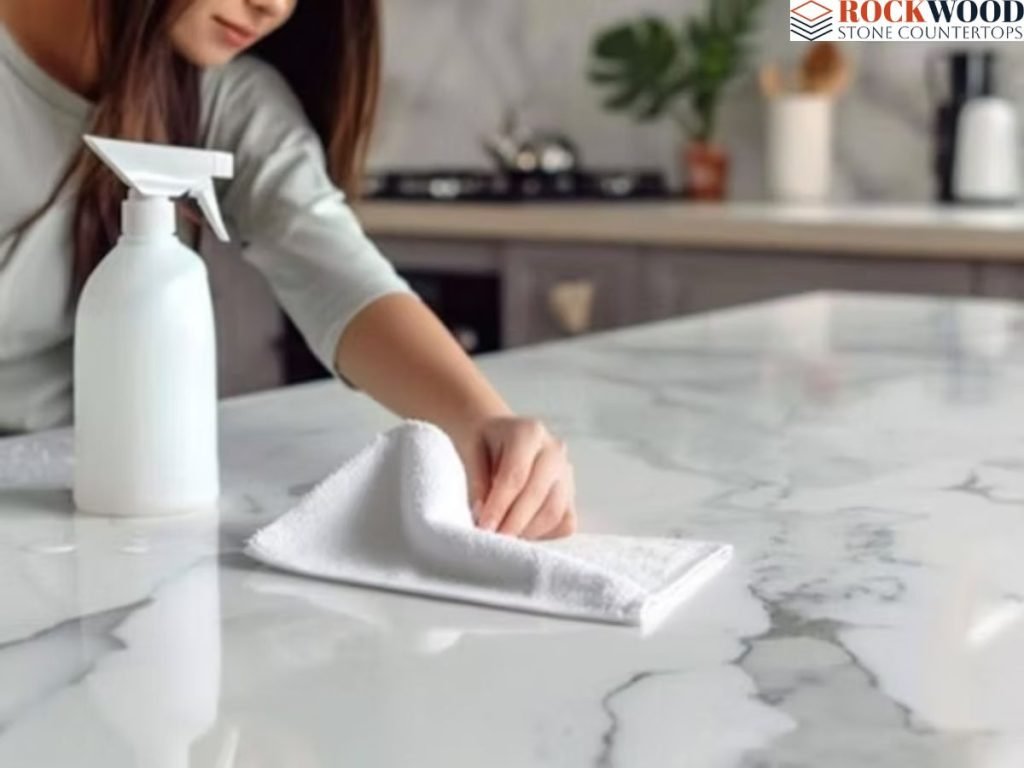
- Dry the countertop after cleaning to avoid water spots.
- Avoid abrasive scrubbers that can scratch the surface.
Avoiding Damage And Stains
- Use cutting boards; never cut directly on granite.
- Place hot pots or pans on trivets or heat pads.
- Keep acidic substances like lemon juice and vinegar away.
- Seal the granite regularly to create a protective barrier.
- Clean up oil and grease spills quickly to avoid stains.
When To Re-polish
Granite loses its shine over time due to wear and tear.
Check for dull spots, scratches, or stains that don’t clean.
Re-polish if the surface looks faded or rough to the touch.
Polishing restores shine and smoothness, enhancing granite’s natural beauty.
Consider professional polishing every few years for best results.
Credit: www.rockwoodstone.com
Frequently Asked Questions
How Often Should I Polish Granite Countertops?
Polish granite countertops every 2 to 3 months to maintain shine. Frequent polishing prevents dullness and enhances surface protection. Avoid over-polishing to prevent buildup of residues on the stone.
What Products Are Best For Polishing Granite?
Use granite-specific polishing products or natural options like baking soda paste. Avoid acidic or abrasive cleaners to protect the stone. Always follow product instructions for safe and effective polishing.
Can I Polish Granite Countertops Myself?
Yes, you can polish granite countertops using the right tools and products. Clean the surface thoroughly before applying polish. Use a soft cloth and work in circular motions for best results.
Does Polishing Granite Remove Stains Or Scratches?
Polishing improves shine but does not remove deep stains or scratches. For stains, use specialized granite cleaners or poultices. Repair scratches with professional refinishing or stone repair kits.
Conclusion
Polishing granite countertops keeps them shiny and new. Clean the surface first to remove dirt and stains. Use a gentle polish made for granite stones. Rub the polish in small circles for best results. Wipe away any extra polish with a soft cloth.
Regular care helps protect your countertop from damage. A well-polished granite surface brightens your kitchen space. Small efforts bring lasting beauty to your countertops. Try these steps to enjoy a smooth, glossy finish. Your kitchen will look fresh and inviting every day.