
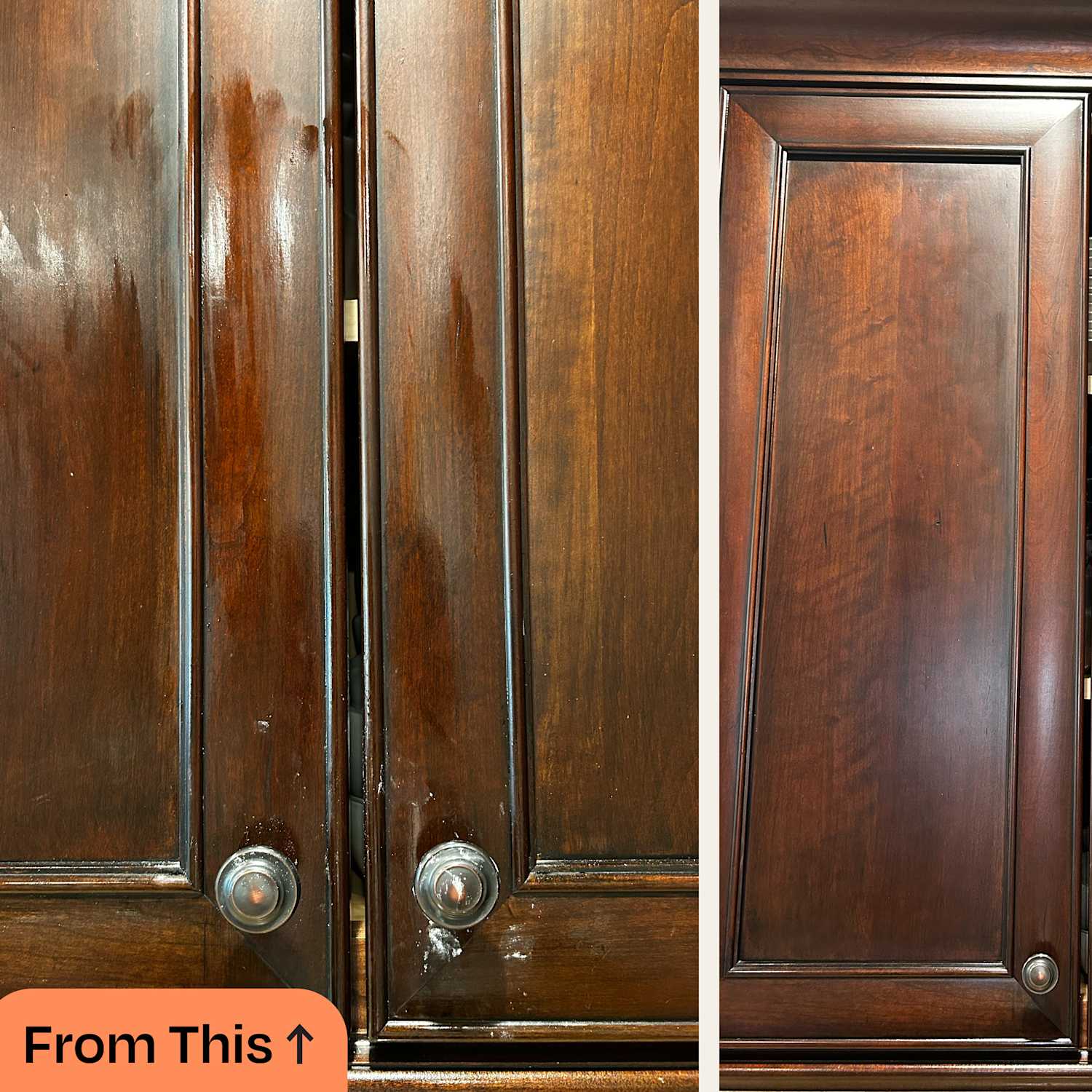
Are your kitchen cabinet doors looking dull or scratched? You don’t have to replace them to bring back their shine.
Polishing your cabinet doors is an easy way to refresh your kitchen’s look without spending a lot of money. In this guide, you’ll learn simple, step-by-step tips to make your cabinets gleam like new. Ready to transform your kitchen and impress everyone who walks in?
Keep reading, and you’ll discover how a little polish can make a big difference.
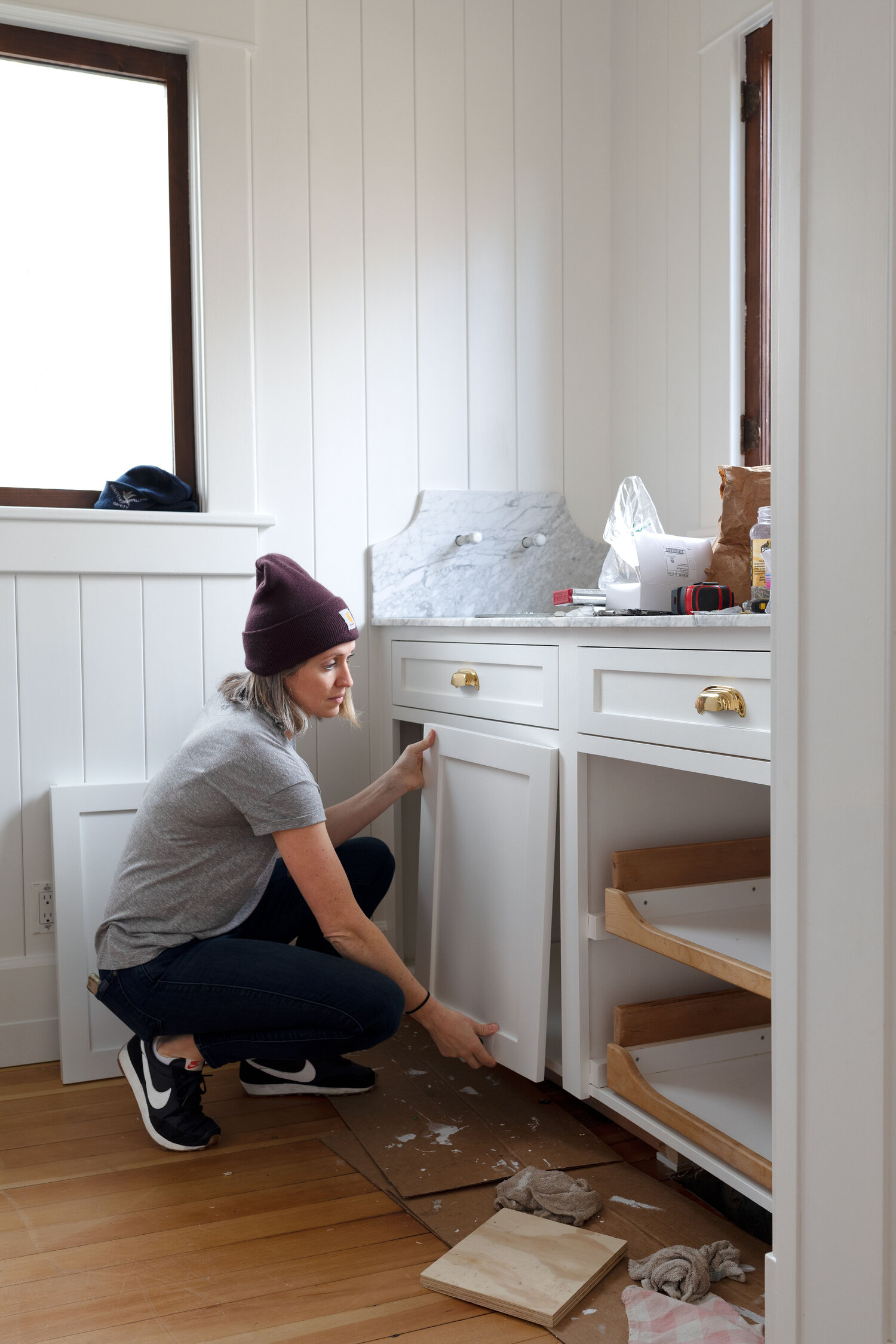
Credit: www.thegritandpolish.com
Prepare The Workspace
Preparing your workspace is a crucial part of polishing kitchen cabinet doors. It sets the tone for a smooth, effective process and helps you avoid any unexpected mess or delays. Taking time to organize your area can save you frustration and ensure the best results.
Clear And Clean The Area
Start by removing all items from countertops and nearby surfaces. This gives you plenty of room to move and prevents dust or polish from settling on your belongings.
Wipe down cabinets and adjacent walls with a damp cloth to eliminate grease and grime. Dust and dirt can interfere with the polish, so a clean surface is essential.
Have you noticed how clutter can slow you down? Clearing your space not only protects your items but also helps you focus better on the task.
Gather Necessary Tools
Collect all the supplies you’ll need before you begin. This includes soft cloths, a gentle cleaner, polishing compound, and gloves to protect your hands.
Having everything on hand means you won’t have to stop mid-way to search for a tool. For example, using microfiber cloths prevents scratches and helps spread polish evenly.
Think about how much time you can save by organizing your tools in one spot. What could you achieve with a fully prepped workspace?
Clean The Cabinet Doors
Cleaning your kitchen cabinet doors is the essential first step before polishing. Dirt and grime can build up over time, dulling the surface and hiding the true beauty of the wood or finish beneath. Taking the time to thoroughly clean your cabinets will help the polish adhere better and create a smoother, more radiant finish.
Remove Dust And Dirt
Start by wiping down your cabinet doors with a soft, dry cloth to remove loose dust and dirt. Using a microfiber cloth works well because it traps dust without scratching the surface.
If you notice stubborn dirt or grease spots, dampen the cloth slightly with warm water and wipe gently. Avoid soaking the wood or finish; excess moisture can cause damage or swelling.
Have you ever skipped this step only to find your cabinets looking dull after polishing? Taking the time to remove every bit of dirt pays off in the final shine.
Use Appropriate Cleaning Solutions
Choosing the right cleaner depends on your cabinet material. For wooden cabinets, a mild dish soap mixed with warm water is usually safe and effective.
Apply the solution with a soft cloth and clean in the direction of the wood grain to prevent streaks. Afterward, wipe the surface with a clean damp cloth to remove any soap residue.
For laminate or painted cabinets, avoid harsh chemicals that can strip or dull the finish. Instead, opt for a gentle all-purpose cleaner or a vinegar-water mixture.
Remember, testing your cleaner on a small, hidden area first can help avoid any unwanted damage. What cleaning solution has worked best for your cabinets in the past?
Choose The Right Polish
Choosing the right polish is key for shiny, well-protected kitchen cabinet doors. The polish must suit the cabinet’s material to avoid damage. Picking the correct type ensures a smooth finish and longer cabinet life.
Select Based On Material
Cabinet materials vary, so polishes do too. Wood cabinets need a polish that nourishes and protects the grain. For painted surfaces, use a polish safe for paint to avoid peeling or discoloration.
Laminate or metal cabinets require polishes designed for non-porous surfaces. These polishes clean without scratching or leaving residue. Always read the label to match polish with your cabinet type.
Consider Eco-friendly Options
Eco-friendly polishes use natural ingredients and avoid harsh chemicals. They are safer for your family and the environment. These options often have less odor and are biodegradable.
Many green polishes work well on various materials. Choosing eco-friendly products helps keep your kitchen fresh and reduces chemical exposure.
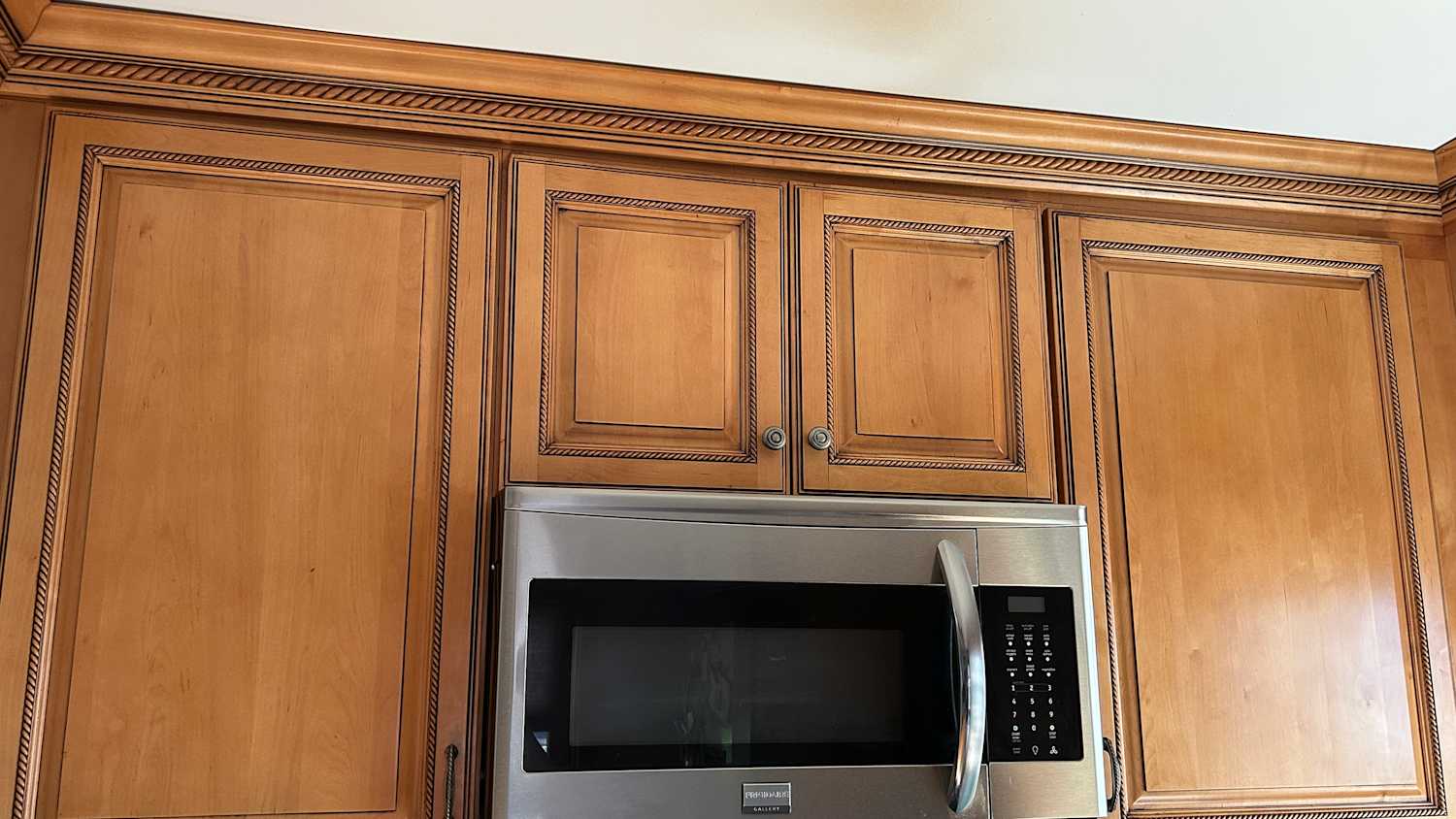
Credit: www.thekitchn.com
Apply The Polish
Polishing kitchen cabinet doors brings back their shine. It also protects them from wear. This process is simple but requires attention to detail. Applying the polish correctly ensures the cabinets look their best. Let's explore the best practices for this task.
Use Soft Cloths Or Applicators
Choose a soft cloth or applicator for polishing. Microfiber cloths work well as they are gentle. Avoid abrasive materials that can scratch the surface. Ensure the cloth is clean to prevent residue. A soft cloth helps apply the polish evenly.
Follow Proper Techniques
Apply a small amount of polish to the cloth. Begin at the top of the door and work downwards. Use circular motions for even coverage. This method prevents streaks. Do not use too much polish to avoid build-up. Wipe away excess polish with a clean cloth.
Maintain a consistent pressure while polishing. This ensures a smooth finish. Pay attention to edges and corners. These areas often collect dust and grime. A thorough approach keeps the cabinets looking their best.
Buff For Extra Shine
Buffing your kitchen cabinet doors adds that final touch of brilliance that makes them stand out. It enhances the polish’s effect by smoothing out any residue and bringing out a richer shine. This simple step can transform tired cabinets into a gleaming centerpiece of your kitchen.
Use Circular Motions
When buffing, move your cloth in small, circular motions. This technique helps distribute pressure evenly and avoids streaks or uneven shine. I once skipped this and ended up with patchy spots that took extra effort to fix.
Use a soft, clean microfiber cloth for the best results. Apply gentle pressure, letting the cloth do the work rather than scrubbing hard. This approach reveals the true luster of your cabinet doors without damaging the finish.
Avoid Over-polishing
It’s easy to think more buffing means more shine, but overdoing it can dull your cabinets instead. Excessive rubbing can wear down the protective layer and create a cloudy look. How do you know when to stop? When the surface feels smooth and reflects light evenly, it’s time to pause.
Try to buff only as much as necessary to remove excess polish and enhance the gloss. This preserves your cabinets’ finish and keeps them looking fresh longer. Remember, a gentle hand often achieves the best shine.
Maintain The Shine
Maintaining the shine on kitchen cabinet doors keeps your kitchen looking fresh and inviting. Regular care helps preserve the polish and prevents dullness. Small, consistent efforts make a big difference over time.
Regular Cleaning Tips
Clean cabinet doors often to avoid dirt buildup. Use a soft cloth dampened with warm water and mild soap. Wipe gently to remove grease and fingerprints without damaging the finish. Avoid harsh chemicals that can strip the shine.
Dry the surface thoroughly after cleaning. This stops water spots and streaks from forming. For deeper cleaning, use a wood-safe polish occasionally. This restores the natural glow and protects the surface.
Protect From Damage
Prevent scratches by handling cabinet doors carefully. Avoid placing sharp or heavy objects against them. Use soft cloths or pads when cleaning to reduce abrasion. Keep kitchen appliances and utensils away from direct contact with the doors.
Limit exposure to heat and moisture. Both can cause warping or fading of the finish. Install exhaust fans to reduce steam buildup during cooking. Quickly wipe spills to prevent stains and damage to the wood.

Credit: www.youtube.com
Frequently Asked Questions
How Do I Prepare Cabinet Doors For Polishing?
Clean the doors thoroughly to remove dirt and grease. Remove hardware and lightly sand the surface for better polish adherence.
What Type Of Polish Is Best For Kitchen Cabinets?
Use a polish designed for wood surfaces, such as beeswax or a commercial wood polish. Avoid harsh chemicals.
How Often Should I Polish Kitchen Cabinet Doors?
Polish your cabinet doors every 3 to 6 months to maintain shine and protect the wood from damage.
Can I Polish Painted Cabinet Doors?
Yes, use a polish safe for painted surfaces. Avoid abrasive products that can damage the paint finish.
Conclusion
Polishing kitchen cabinet doors can brighten your entire kitchen space. Clean the surface well before applying polish. Use gentle, circular motions for best results. Regular polishing helps protect wood and keeps cabinets looking fresh. Avoid harsh chemicals that might damage the finish.
Small efforts bring big improvements in appearance. Enjoy the warm, inviting look of shiny cabinets. Keep this routine simple and consistent for lasting beauty. Your kitchen will feel more welcoming and cared for. Easy steps lead to great results every time.