
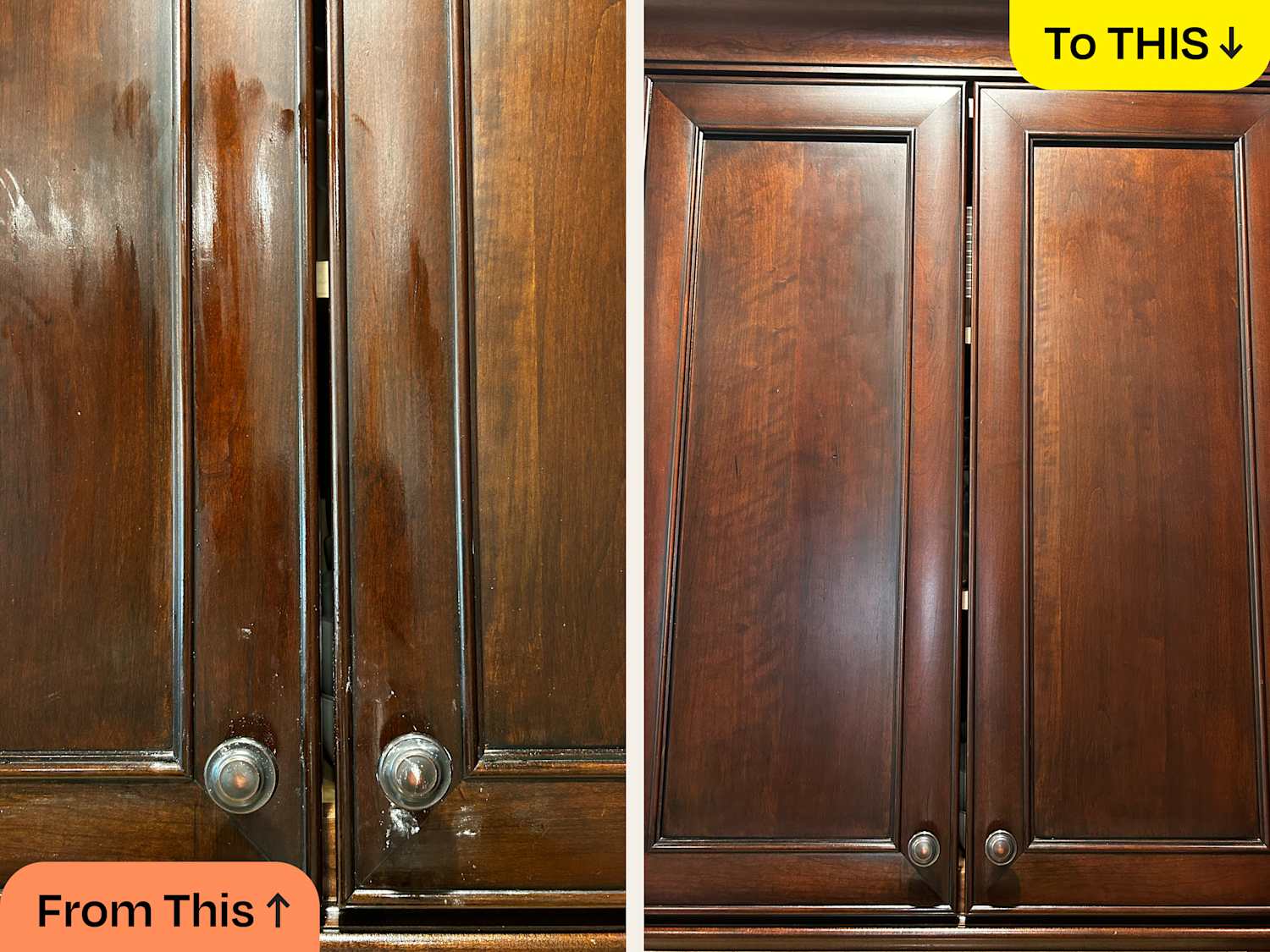
Are your kitchen cabinets looking dull or worn out? You don’t need to replace them to bring back their shine.
Polishing your kitchen cabinets can instantly refresh your entire kitchen, making it look cleaner and more inviting. In this guide, you’ll learn simple, effective steps to polish your cabinets like a pro—no fancy tools or expensive products needed. Ready to transform your kitchen and impress everyone who walks in?
Let’s dive in and get those cabinets gleaming!
Credit: www.kraftmaid.com
Choose The Right Polish
Choosing the right polish makes a big difference in how your kitchen cabinets look. The right product can protect the wood and bring out its natural shine. It also helps keep cabinets clean and fresh for a long time. Knowing the types of polishes and the differences between natural and commercial options will help you make the best choice.
Types Of Cabinet Polishes
Cabinet polishes come in many forms. Some are sprays, others are creams or liquids. Each type has its own benefits:
- Spray Polishes:Easy to apply and quick drying.
- Cream Polishes:Provide a thicker layer of protection.
- Liquid Polishes:Absorb well into the wood for deep shine.
- Paste Polishes:Good for very dry or old wood.
Choose a polish that suits your cabinet material and your cleaning habits.
Natural Vs Commercial Options
Natural polishes use ingredients from nature. Common ones include beeswax, olive oil, and lemon juice. They are gentle and safe for most woods. Natural options add a soft shine and help maintain moisture.
Commercial polishes are made with chemicals and synthetic ingredients. They often offer stronger protection against dirt and water. Many include ingredients to prevent dust buildup and scratches. Commercial products can be more durable but may contain harsh chemicals.
Think about your cabinet’s finish and any allergies before choosing. Natural polishes suit delicate or antique wood. Commercial ones work well for modern cabinets needing extra protection.
Credit: www.thekitchn.com
Prepare The Cabinets
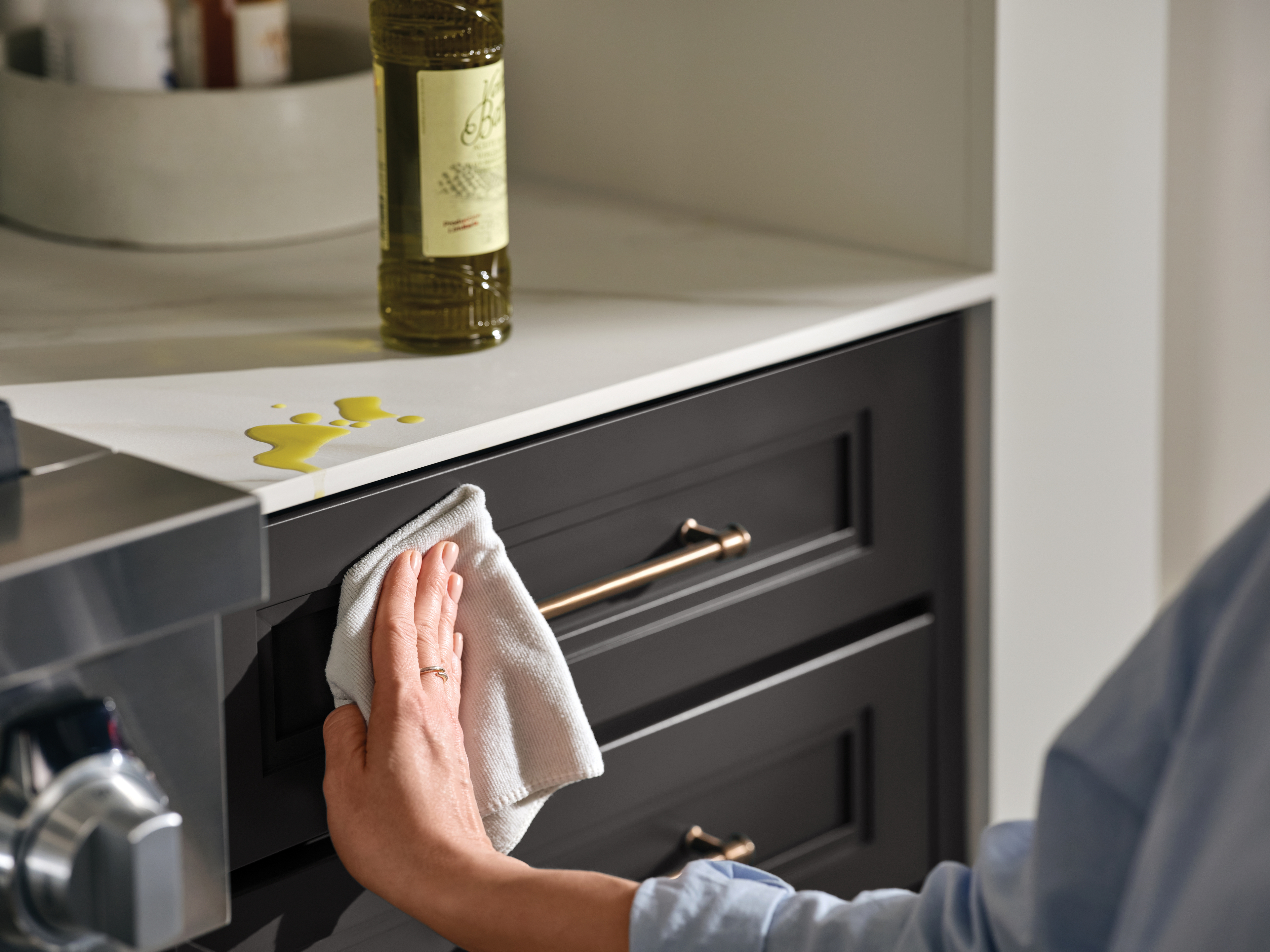
Clear all items from the cabinet surfaces and doors. Wipe down cabinets with a damp cloth to remove dust and grease. Allow them to dry completely before polishing.
To polish kitchen cabinets effectively, begin by preparing them properly. Proper preparation ensures a smooth and shiny finish. It also helps remove dirt and grease. Follow these steps to prepare your cabinets for polishing.
Clear The Surface
Remove all items from your cabinets. This includes dishes, glasses, and other kitchenware. Empty shelves make cleaning easier. You can also see any hidden spots. Take off any removable shelves if possible. This helps you clean thoroughly. Use a soft cloth to wipe away loose dust and debris.
Clean With Mild Detergent
Mix a mild detergent with warm water. Avoid harsh chemicals that might damage the wood. Dip a soft cloth into the soapy water. Wring out excess liquid to avoid soaking the wood. Gently scrub the cabinet surfaces. Focus on greasy or sticky spots. Rinse the cloth with clean water. Wipe the cabinets again to remove soap residue.
Dry Completely
Use a dry, soft cloth to wipe the cabinets. Make sure every surface is dry. Moisture can harm the wood finish. Drying also prevents streaks or spots. Pay extra attention to corners and edges. Allow the cabinets to air out for a few minutes. This ensures no moisture is left behind. Now, your cabinets are ready for polishing.
Gather Necessary Tools
Before you start polishing your kitchen cabinets, gathering the right tools is crucial. Having everything at hand makes the process smoother and helps you achieve a professional finish. Let's look at the essential items you need to prepare.
Soft Cloths And Brushes
Soft cloths are your best friends when polishing cabinets. They prevent scratches and evenly spread polish. Microfiber cloths work particularly well because they pick up dust and grime without damaging the surface.
Brushes help reach tricky spots like corners and grooves. Choose brushes with soft bristles to avoid scratching your cabinets. I once tried using a stiff brush and ended up with tiny marks that took more effort to fix—so trust softness over toughness.
Protective Gloves
Wearing protective gloves keeps your hands safe from chemicals in the polish. It also prevents oils from your skin from transferring to the cabinets, which can interfere with the shine. Nitrile gloves are a great choice because they’re durable and comfortable.
Have you ever noticed how your hands get dry or irritated after cleaning? Gloves stop that problem before it starts. Plus, they make cleanup easier since you won’t have to scrub polish residue off your skin.
Apply The Polish
Applying polish to kitchen cabinets requires care and attention. This step brings out the wood’s natural shine and protects the surface. Use the right amount of polish to avoid buildup or streaks. Work in small areas for even coverage and better control. Follow simple techniques to make your cabinets look smooth and fresh.
Small Section Technique
Focus on one small section at a time. This helps you cover every part evenly. Avoid spreading polish over large areas quickly. Use a soft cloth or applicator to apply polish gently. Working on small sections prevents the polish from drying too fast. It also helps spot any missed spots or excess polish easily.
Use Circular Motions
Apply the polish using gentle circular motions. This method spreads polish evenly on the wood. Circles help work the polish deep into the surface. Move the cloth in small circles until the polish absorbs fully. Avoid pressing too hard to prevent scratches. Circular motion also helps remove light dust or dirt from the cabinets.
Buff To A Shine
Buffing your kitchen cabinets to a shine is the final touch that transforms them from dull to dazzling. This step enhances the wood’s natural beauty and brings out a rich, polished look that lasts. It’s all about gentle, consistent effort and the right technique to highlight the finish without damaging it.
Use A Dry Cloth
Grab a soft, dry cloth—microfiber works best because it won’t scratch your cabinets. Avoid using any damp or wet cloths, as moisture can dull the finish you’ve worked hard to create. Gently rub the surface in small circular motions, applying just enough pressure to feel the cloth glide smoothly over the wood.
Have you noticed how different fabrics affect the shine? I once tried a cotton towel, and it left tiny fibers behind that dulled the surface. A dry microfiber cloth made all the difference, leaving a clean, streak-free shine.
Achieve Even Gloss
To get an even gloss, move the cloth consistently across the entire cabinet surface. Don’t linger too long in one spot; this prevents uneven shine and potential buildup. Work in sections, checking your progress in good lighting to catch any missed areas or streaks.
Think about how you clean a window or a mirror—uniform strokes create a flawless finish. Buffing your cabinets is no different. If you spot a dull patch, gently go over it again with your dry cloth.
Maintain The Shine
Maintaining the shine of kitchen cabinets keeps them looking fresh and new longer. Regular care prevents dullness and damage. A simple routine helps preserve the polished surface. Focus on gentle cleaning and protecting the finish for lasting beauty.
Regular Dusting
Dust cabinets often with a soft cloth or microfiber duster. This removes particles that can scratch the surface. Avoid using rough materials that may damage the polish. Dusting keeps the cabinets bright and smooth every day.
Avoid Harsh Cleaners
Use mild soap and water for cleaning instead of strong chemicals. Harsh cleaners can strip the polish and harm the wood. Test any new cleaner on a small area first. Gentle products protect the cabinet’s shine and finish longer.
Troubleshoot Common Issues
Troubleshooting common issues while polishing kitchen cabinets can save you time and frustration. Stains and scratches often stand in the way of achieving that perfect shine. Understanding how to handle these problems will help you restore your cabinets’ beauty effectively.
Handling Stubborn Stains
Stains on kitchen cabinets can be tricky, especially if they have been there for a while. Start by gently rubbing the stained area with a soft cloth dampened in warm, soapy water. Avoid soaking the wood to prevent damage.
If the stain persists, try using a mixture of baking soda and water to create a mild abrasive paste. Apply it carefully and rub in circular motions. This approach works well for grease and food stains without harming the finish.
Have you noticed that some stains seem almost impossible to remove? Sometimes, switching to a commercial wood cleaner designed specifically for your cabinet finish can make all the difference. Always test a small hidden area first to avoid discoloration.
Dealing With Scratches
Scratches can make polished cabinets look worn out quickly. Light scratches often disappear after applying a small amount of furniture polish or a wood marker that matches your cabinet color.
For deeper scratches, fill them with a wood filler or wax stick before polishing. This method smooths out the surface, making scratches less noticeable and protecting the wood underneath.
Have you tried blending scratches by gently buffing the area with a soft cloth? Sometimes, this simple step can reduce the appearance of minor scratches and restore shine. Remember, consistent care prevents new scratches from forming.

Credit: www.youtube.com
Frequently Asked Questions
How Often Should I Polish Kitchen Cabinets?
Polish kitchen cabinets every 3 to 6 months to maintain shine and protection. Frequent polishing prevents buildup and keeps wood healthy. Adjust frequency based on cabinet material and kitchen use.
What Is The Best Polish For Wooden Cabinets?
Use a natural beeswax or oil-based polish for wooden cabinets. These nourish wood and enhance natural grain. Avoid silicone-based products as they can damage finishes over time.
Can I Polish Kitchen Cabinets Myself?
Yes, polishing kitchen cabinets is an easy DIY task. Clean surfaces first, apply polish with a soft cloth, and buff gently. This improves appearance and extends cabinet life without professional help.
Should I Clean Cabinets Before Polishing Them?
Always clean cabinets before polishing to remove dirt and grease. Use mild soap and water, then dry completely. Clean surfaces ensure the polish adheres properly and lasts longer.
Conclusion
Polishing kitchen cabinets can refresh your whole kitchen look. It takes only a little time and care. Use the right polish and a soft cloth for best results. Clean cabinets shine brighter and last longer. Regular polishing keeps wood healthy and smooth.
Try it today to see the difference yourself. A simple step that brings warmth and charm back. Your kitchen will feel fresher and more inviting. Small effort, big change. Easy to do, easy to enjoy.