
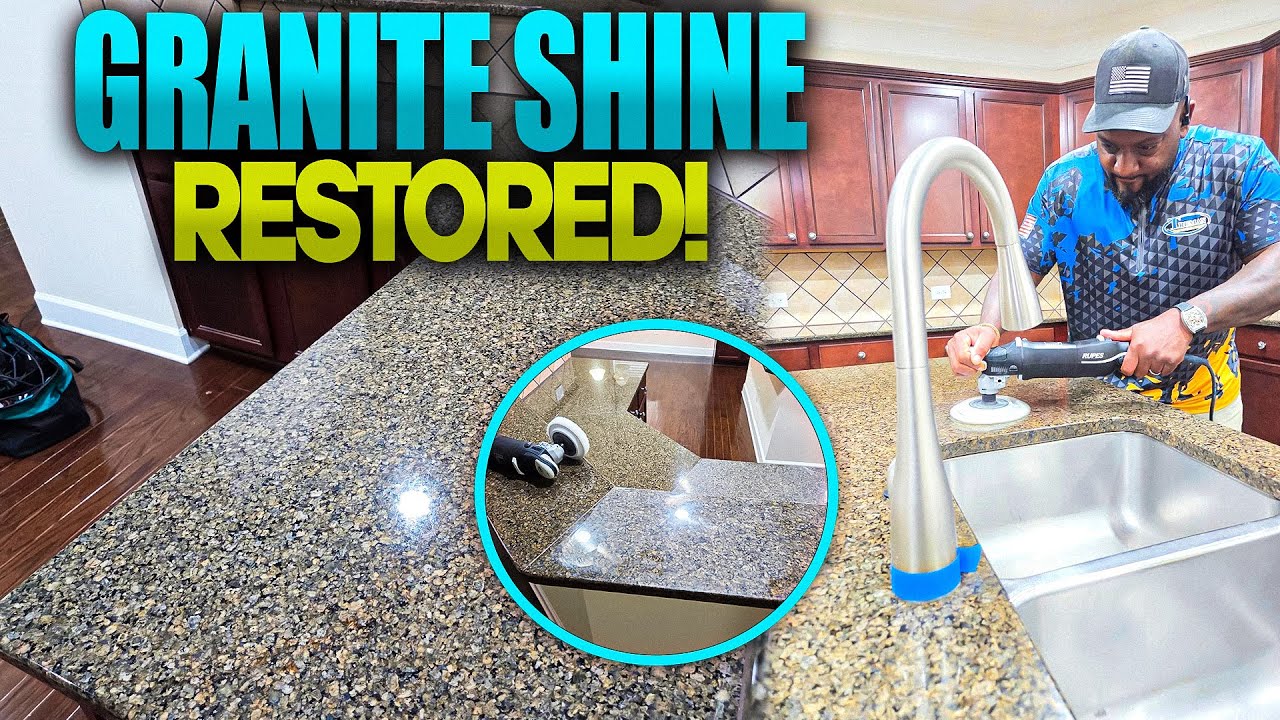
Your kitchen granite is more than just a surface—it’s the heart of your home. Over time, it can lose its shine and start to look dull or scratched.
But what if you could bring back that glossy, polished finish with just a few simple steps? You don’t need expensive tools or professional help to make your granite sparkle like new again. In this guide, you’ll discover easy and effective ways to polish your kitchen granite, so it stands out and adds beauty to your space every day.
Keep reading to learn how to protect your investment and make your countertops shine effortlessly.

Credit: lcfflooring.ca
Choosing The Right Tools
Choosing the right tools is crucial to bring out the natural shine of your kitchen granite. Using improper supplies can dull the surface or even cause damage. You want to work smart, not hard, so selecting the correct polishing materials ensures your efforts pay off beautifully.
Essential Polishing Supplies
Start with a soft microfiber cloth. It’s gentle on granite and picks up dust without scratching. Avoid rough sponges or abrasive pads that can wear down the stone’s finish over time.
Next, consider a polishing compound designed specifically for granite. These products contain fine abrasives that smooth out minor imperfections and restore shine. Applying too much pressure or using the wrong compound can harm the surface, so follow the label instructions carefully.
Another tool worth having is a low-speed polishing machine or buffer if you want a professional-grade finish. However, if you’re not comfortable using power tools, hand polishing with the right cloth and compound works well too.
Safe Cleaning Agents
Granite is sensitive to acidic and harsh chemicals, so pick cleaners labeled safe for natural stone. Mild dish soap diluted in warm water often does the trick for routine cleaning before polishing.
Avoid vinegar, bleach, or ammonia-based products, as they can etch the stone’s surface and dull the polish. Instead, choose pH-neutral cleaners to protect your granite’s integrity.
Have you checked the labels on your current kitchen cleaners? You might be unknowingly using something that harms your granite. Switching to gentle, stone-safe products will keep your countertop looking fresh and polished longer.

Credit: www.walmart.ca
Preparing The Granite Surface
Preparing the granite surface is the first and most important step before you start polishing. If the granite isn’t clean and free from stains, polishing won’t give you the shiny, smooth finish you want. Taking time to properly prepare ensures your effort pays off with a stunning kitchen countertop.
Removing Dirt And Debris
Start by wiping down your granite with a soft cloth and warm water. Avoid harsh chemicals—they can damage the stone’s natural seal. Instead, use a mild dish soap or a cleaner made specifically for granite surfaces.
Use a soft-bristle brush or sponge to gently scrub away any dirt stuck in crevices. Don’t forget to rinse thoroughly to remove any soap residue. Have you noticed how even small crumbs or dust can dull the shine? Getting rid of all particles will help your polish work better.
Handling Stains Effectively
Stains can be stubborn, but treating them before polishing makes a big difference. Identify the type of stain first—oil, wine, or coffee each needs a slightly different approach. For oily stains, a baking soda paste (baking soda + water) applied for 24 hours works wonders.
For organic stains like coffee or wine, a mixture of hydrogen peroxide and a few drops of ammonia can lift the discoloration. Remember to test any stain remover on a small, hidden spot first to avoid damage. Have you ever skipped stain removal and ended up with a patchy polish? Taking this step seriously saves you frustration later.
Step-by-step Polishing Process
Begin by cleaning the granite surface thoroughly to remove dirt and stains. Use a polishing compound and a soft cloth to buff the stone gently. Finish by wiping with a clean, dry cloth to reveal a shiny, smooth surface.
Polishing your kitchen granite can seem like a daunting task, but breaking it down into simple steps can make it manageable and even enjoyable. Think of it as giving your countertop a spa day, where it comes out looking refreshed and rejuvenated. The step-by-step polishing process ensures your granite maintains its natural shine and enhances the overall aesthetic of your kitchen.
Applying Granite Polish
Start by selecting a high-quality granite polish from your local store. Ensure it's specifically designed for granite to avoid any potential damage. Before applying, make sure your countertop is clean and dry. Spray or pour a small amount of polish directly onto the granite. Use a soft cloth or a microfiber pad to spread the polish evenly across the surface. Work in small sections to ensure full coverage.
Buffing Techniques
Buffing is where the magic happens. Use a clean, dry microfiber cloth to buff the polished area. Move the cloth in circular motions, applying gentle pressure to help the polish penetrate the granite. Are you seeing the granite's natural shine return? If not, you might need to apply a bit more elbow grease or repeat the process. Remember, patience is key, and your effort will be rewarded with a gleaming countertop.
Drying And Finishing Touches
Once buffing is complete, allow the polish to dry for about 15-20 minutes. This ensures the polish sets properly and provides lasting protection. After drying, give your countertop a final wipe with a clean cloth to remove any excess polish. Stand back and admire your handiwork. Doesn't your kitchen feel more inviting already? By following these steps, you ensure your granite not only looks great but stays protected against stains and scratches. Isn't it satisfying to know you can achieve professional results with a bit of DIY enthusiasm?
Maintaining Granite Shine
Maintaining the shine of your kitchen granite is essential to keep it looking fresh and elegant. A polished granite surface not only enhances your kitchen’s beauty but also protects it from stains and damage. With the right care routine, you can easily preserve that glossy finish for years.
Regular Cleaning Habits
Clean your granite daily using a soft cloth and warm water mixed with a few drops of mild dish soap. Avoid harsh chemicals that can dull the surface. Wiping spills immediately, especially acidic ones like lemon juice or vinegar, prevents etching and staining.
Try using a microfiber cloth instead of paper towels to reduce scratches. Have you noticed how small habits, like wiping crumbs right away, can make a big difference in keeping your granite shining?
Avoiding Damage
Granite is tough, but it’s not invincible. Avoid placing hot pots or pans directly on the surface; heat can cause discoloration or cracks. Use cutting boards to prevent scratches from knives.
Be cautious with heavy or sharp objects that might chip the edges. Think about the last time you accidentally dragged a heavy pan—did it leave marks? Protect your granite by handling items carefully and using coasters under glasses to prevent water rings.
Periodic Deep Polishing
Even with regular cleaning, your granite benefits from a deeper polish every few months. Use a granite-specific polish or a mix of baking soda and water applied gently with a soft cloth. Buff the surface in small circular motions to restore that mirror-like shine.
If your granite has lost its luster despite care, consider hiring a professional for a thorough polishing. How often do you check your granite for dull spots? Setting a reminder for deep polishing can keep your kitchen looking showroom-ready.
Common Mistakes To Avoid
Polishing kitchen granite can dramatically enhance its natural beauty, but certain mistakes can quickly undo your hard work. Avoiding these common errors will help keep your granite looking flawless and extend its lifespan. Let’s look at some pitfalls you should steer clear of to maintain that perfect shine.
Using Harsh Chemicals
Many people assume that strong cleaners will make granite sparkle more. The truth is, harsh chemicals can damage the stone’s surface and strip away its natural oils. Avoid acidic cleaners like vinegar or bleach, as they can etch the granite and leave dull spots.
Instead, use a gentle, pH-balanced granite cleaner or simply warm water with a few drops of mild dish soap. Have you ever noticed a rough patch after cleaning? That’s often caused by the wrong product. Protect your investment by choosing your cleaning agents carefully.
Over-polishing Risks
It’s easy to think that polishing granite more often will keep it looking better, but too much polishing can cause problems. Over-polishing can wear down the surface and make it look uneven or cloudy. You don’t want to end up with a countertop that looks dull despite all your efforts.
Listen to your granite. If it still shines after a gentle polish, don’t push it further. How often you polish depends on your granite’s type and usage, so pay attention to what it really needs instead of polishing on a fixed schedule.
Ignoring Sealant Needs
Polishing isn’t enough if you skip sealing your granite. Sealant prevents stains and moisture from penetrating the stone, which keeps it looking fresh longer. Many skip this step thinking polishing alone will protect their countertop, but that’s a costly mistake.
Check your granite’s seal by sprinkling a few drops of water on the surface. If the water soaks in quickly, it’s time to reseal. Regular sealing combined with polishing keeps your granite safe from everyday spills and stains.

Credit: graniteempirehuntsville.com
Frequently Asked Questions
How Often Should I Polish Kitchen Granite Countertops?
Polish your granite countertops every 6 to 12 months. Regular polishing maintains shine and protects the surface from stains and scratches. Frequent polishing keeps your kitchen looking new and enhances the stone’s natural beauty.
What Products Are Best For Polishing Granite Surfaces?
Use granite-specific polishing creams or powders. Avoid acidic or abrasive cleaners that can damage the stone. Look for products with natural ingredients to safely enhance granite’s shine and durability.
Can I Polish Granite Countertops Myself At Home?
Yes, you can polish granite at home using simple products and tools. Clean the surface first, then apply granite polish with a soft cloth. Buff in circular motions for best results, restoring shine without professional help.
Will Polishing Remove Stains Or Scratches From Granite?
Polishing improves shine but doesn’t remove deep stains or scratches. For tough blemishes, use specialized granite cleaners or consider professional restoration services. Regular polishing helps prevent further damage.
Conclusion
Polishing kitchen granite keeps it shiny and beautiful. Regular care stops dull spots and stains. Use gentle cleaners and soft cloths for best results. Avoid harsh chemicals that can damage the stone. A little effort goes a long way in maintaining your granite.
Your kitchen will look fresh and inviting. Keep polishing every few months to protect your investment. Simple steps make a big difference in appearance. Enjoy a clean, bright kitchen surface every day.