
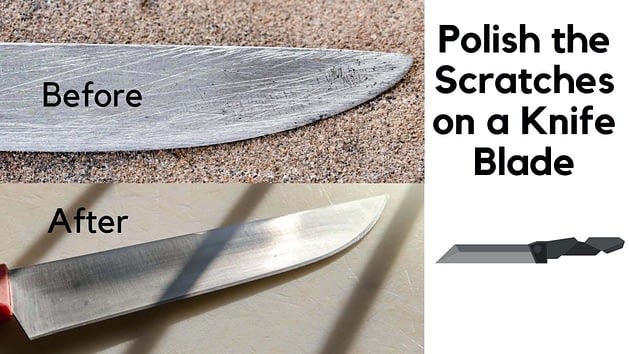
Your kitchen knives are more than just tools—they’re the heart of your cooking. But over time, they can lose their sharpness and shine, making your prep work frustrating and slow.
What if you could bring back that smooth, razor-sharp edge and gleaming finish with just a few simple steps? In this guide, you’ll discover easy, effective ways to polish your kitchen knives, so they cut like new and look stunning every time you use them.
Ready to transform your knives and elevate your cooking experience? Keep reading to find out how.
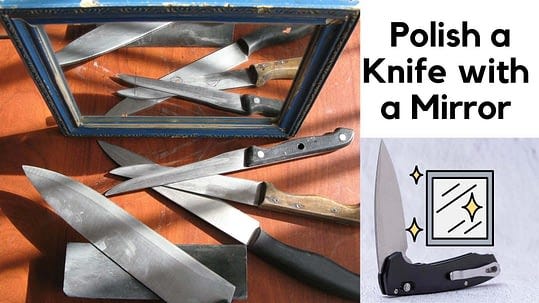
Credit: medium.com
Choosing The Right Tools
Choosing the right tools is key to polishing kitchen knives effectively. Good tools make the process easier and protect your blade. Poor tools can damage the knife or waste your time.
Each tool serves a different purpose. Knowing their uses helps you pick the best one for your needs. This section explains popular options for knife polishing.
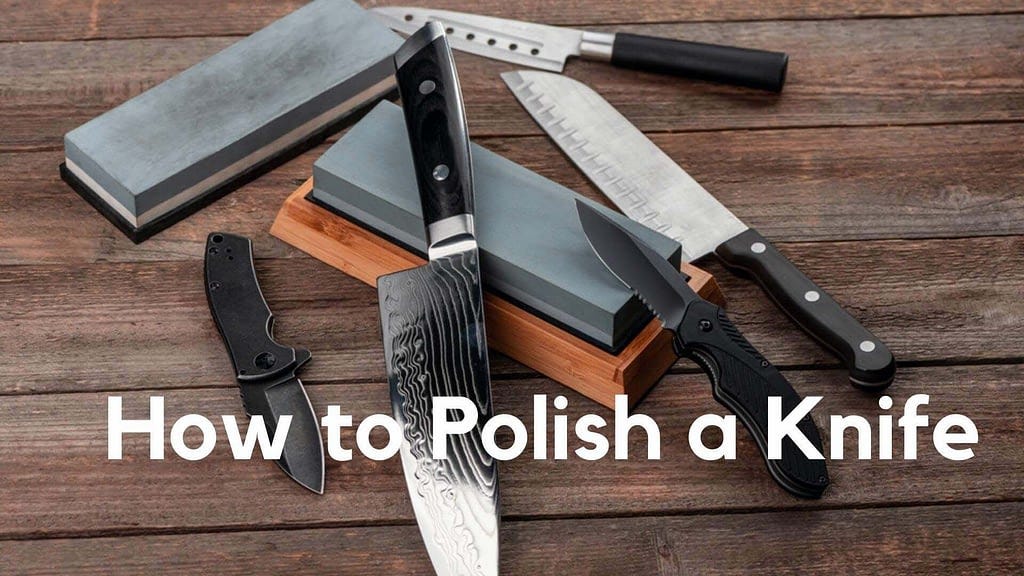
Types Of Sharpening Stones
Sharpening stones are popular for polishing knives by hand. They come in various materials like natural, synthetic, and diamond stones. Each type varies in grit size, which affects how fine the polish will be.
- Coarse stonesremove chips and dull edges quickly.
- Medium stonesrefine the blade edge.
- Fine stonescreate a smooth, polished finish.
Using a combination of stones with different grits gives the best polish.
Using Honing Rods
Honing rods do not sharpen but align the knife edge. They keep your blade straight and smooth between sharpenings. Made from steel, ceramic, or diamond-coated materials, honing rods are easy to use.
Regular use prolongs sharpness. They work best on knives with minor dullness or after sharpening.
Electric Vs Manual Sharpeners
Electric sharpeners offer speed and convenience. They have preset angles and multiple stages for coarse and fine sharpening. These tools suit busy kitchens or people who want quick results.
Manual sharpeners give more control over the blade angle. They often use stones or rods and require practice. Manual tools allow for precise polishing and better edge care.
Choose based on your skill level and how much effort you want to spend on sharpening.
Credit: medium.com
Preparing Your Knives
Preparing your kitchen knives properly sets the stage for an effective polishing process. Skipping these early steps can lead to less-than-perfect results or even damage your blades. Taking a few minutes to clean, inspect, and ensure safety will save you frustration and protect your investment in quality knives.
Cleaning Before Polishing
Remove any food particles, grease, or residue from your knives before you start polishing. Use warm water and mild dish soap with a soft sponge or cloth. Avoid abrasive scrubbers that can scratch the blade further.
Dry each knife thoroughly with a lint-free towel to prevent water spots or rust. Clean knives not only polish better but also prevent dirt from embedding into the metal during the process.
Inspecting For Damage
Look closely at your knives for any chips, nicks, or rust spots. Polishing can highlight these flaws if you don’t address them first. If you notice any serious damage, consider professional sharpening or repair before polishing.
Check the blade edge and the handle for looseness or cracks. A damaged handle can be dangerous when polishing, as it might cause slipping or injury.
Safety Precautions
Polishing knives requires caution to avoid accidents. Always handle blades with care, holding them by the handle, never the sharp edge. Wearing cut-resistant gloves can add an extra layer of protection.
Ensure your workspace is well-lit and free of clutter. Secure the knives on a stable surface to prevent slipping while you work. Have a first-aid kit nearby just in case.
Step-by-step Polishing Process
Polishing kitchen knives is an essential skill that ensures your tools are always ready for action. A well-polished knife not only enhances your culinary experience but also adds a touch of professionalism to your kitchen. Let's dive into a step-by-step polishing process that will keep your knives shining and sharp.
Setting The Angle
Setting the correct angle is crucial for effective knife polishing. You want to maintain a consistent angle, typically between 15 to 20 degrees, depending on the type of knife. A handy tip is to imagine the angle between the edge and the stone as if you're slicing a thin piece off the top of a tomato.
Using an angle guide can be extremely helpful if you're new to knife polishing. It ensures consistency and prevents uneven sharpening. Remember, even a slight variation can impact the knife's performance.
Sharpening Techniques
Once you've set the angle, it's time to focus on sharpening techniques. Move the knife across the sharpening stone in a smooth motion, applying light pressure. Start from the base of the blade and work your way to the tip.
- Use water or oil as a lubricant for the sharpening stone.
- Repeat the motion on both sides of the blade, maintaining the angle.
It's often said that practice makes perfect. The more you sharpen, the more you'll develop a feel for the process. Do you remember the first time you tried a new recipe? The same persistence applies here.
Polishing And Honing
After sharpening, polishing and honing bring your knife to its finest edge. Polishing removes any burrs or rough spots, while honing aligns the blade edge for precision cutting. Use a finer grit stone or a leather strop for polishing.
Honing rods are excellent tools for realigning the knife's edge. A few gentle strokes on each side can make a significant difference. Do you notice how your cutting board thanks you by not getting scratched?
Incorporate these steps into your regular kitchen routine, and you'll soon find that maintaining your knives is as satisfying as cooking with them. What's the most challenging dish you've ever prepared? With polished knives, the challenge becomes just a bit more manageable.
Credit: medium.com
Maintaining Sharpness
Keeping kitchen knives sharp is key for safety and efficiency. Sharp knives cut cleanly and require less force. Dull knives slip and can cause accidents. Regular care helps maintain the edge and extend the blade's life.
Regular Honing Tips
Honing realigns the knife’s edge without removing metal. Use a honing steel before or after each use. Hold the steel vertically and slide the blade down at a 15-20 degree angle. Alternate sides with gentle pressure. Repeat 5-10 times per side. Avoid using honing if the blade is chipped or very dull. In those cases, sharpening is needed.
Proper Storage Methods
Store knives to protect the blade and prevent damage. Use a magnetic strip, knife block, or blade guards. Avoid tossing knives in drawers where edges can dull quickly. Keep knives dry before storage to stop rust. Proper storage keeps knives sharper longer and safer to use.
Avoiding Common Mistakes
- Never cut on hard surfaces like glass or stone. Use wood or plastic cutting boards.
- Don't wash knives in the dishwasher; hand wash and dry immediately.
- Avoid using knives for tasks like opening cans or prying items.
- Do not skip regular honing sessions to keep edges aligned.
Troubleshooting Common Issues
Troubleshooting common issues while polishing your kitchen knives can save you time and frustration. Small problems like nicks, chips, or rust can reduce your knife's performance, but many of these can be fixed at home. Knowing when to repair or replace your knife is key to keeping your kitchen safe and efficient.
Fixing Nicks And Chips
Small nicks and chips in your blade can make cutting difficult and dangerous. Use a sharpening stone or a ceramic rod to gently smooth out the damaged area. Hold the knife at the correct angle—usually around 20 degrees—and work slowly to avoid removing too much metal.
If the chip is large, try grinding it down on a coarse stone before moving to finer grits. Keep checking the edge by running your finger lightly (careful!) or slicing paper to feel for smoothness. A well-maintained edge improves your cooking experience and safety.
Dealing With Rust
Rust spots can appear if your knife isn’t dried properly or stored in a humid place. To remove rust, apply a paste of baking soda and water to the affected area, then scrub gently with a soft brush or steel wool. Avoid harsh scrubbing that can scratch the blade.
After cleaning, polish the knife with a fine sharpening stone or a strop to restore its shine and sharpness. Prevent rust by wiping your knife dry immediately after washing and storing it in a dry environment. Have you checked your knife’s storage lately?
When To Replace Your Knife
Some knife damage can't be fixed with polishing or sharpening. Deep chips, cracks, or a blade that won’t hold an edge despite your best efforts may mean it’s time for a replacement. Using a damaged knife can be unsafe and frustrating.
Consider your knife’s age and quality; sometimes investing in a new one saves time and improves your kitchen work. Think about whether you’ve tried all repair options—if you’re still struggling, a fresh blade might be your best choice. What’s the last time you evaluated your knives?
Frequently Asked Questions
How Often Should I Polish My Kitchen Knives?
Polish your kitchen knives every few months to maintain sharpness and appearance. Frequent use may require more regular polishing. Consistent care extends the blade’s lifespan and improves cutting efficiency. Avoid over-polishing, which can wear down the blade unnecessarily.
What Tools Do I Need To Polish Kitchen Knives?
You need a fine sharpening stone, polishing compound, microfiber cloth, and honing rod. These tools help remove scratches and restore the blade’s shine. Using the right tools ensures safe and effective polishing without damaging the knife.
Can I Polish Kitchen Knives At Home Safely?
Yes, you can safely polish knives at home with proper tools and technique. Always handle knives carefully and work on a stable surface. Follow step-by-step instructions to avoid injury and protect the blade during polishing.
Will Polishing Improve My Knife’s Sharpness?
Polishing mainly enhances blade smoothness and shine but slightly improves sharpness. Use a sharpening stone or honing rod for significant edge sharpening. Polishing removes minor imperfections and protects the blade from rust and wear.
Conclusion
Polishing kitchen knives keeps them sharp and safe to use. It also helps your knives last longer. Regular care prevents rust and dullness. Use simple tools like a sharpening stone or cloth. Take small steps and be patient. Clean knives well before and after polishing.
Your kitchen work becomes easier with sharp knives. A little effort brings great results every time. Keep practicing to improve your skills. Enjoy cooking with knives that feel like new.