
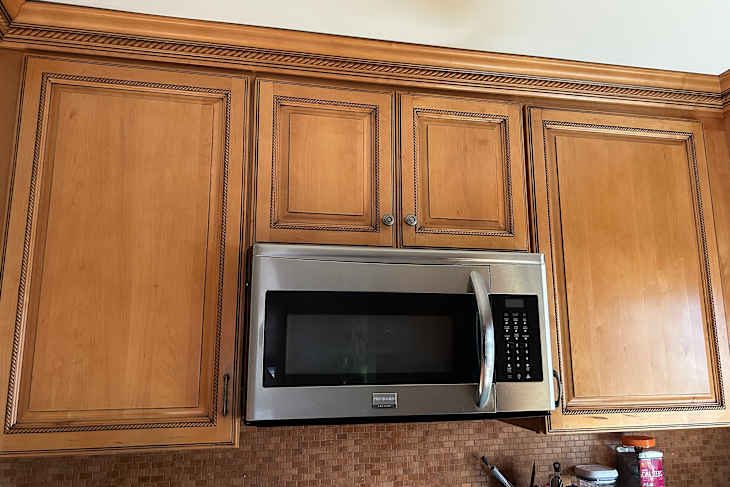
Are your wood kitchen cabinets looking dull or worn out? You don’t have to replace them to bring back their shine.
With the right steps, you can easily polish your cabinets and make your kitchen feel fresh and inviting again. Imagine opening your cabinets and seeing that smooth, glossy finish that makes your whole space sparkle. In this guide, you’ll discover simple, effective ways to polish your wood kitchen cabinets and achieve professional-looking results—without spending a fortune.
Ready to give your kitchen the makeover it deserves? Let’s dive in!
Choosing The Right Polish
Choosing the right polish for your wood kitchen cabinets can make a significant difference in their appearance and longevity. It’s not just about shine—it's about protection and enhancing the natural beauty of the wood. Knowing what type of polish suits your cabinets will save you time, effort, and money.
Types Of Wood Polishes
Wood polishes come in various forms, each designed for different needs and finishes. You’ll find liquid polishes that are easy to apply and quick to dry, paste polishes that offer a thicker protective layer, and wax-based polishes that provide a deep, rich shine.
Some polishes also contain oils like lemon or linseed oil, which nourish the wood, while others focus on creating a surface barrier against moisture and dirt. Think about whether you want a polish mainly for shine or one that also offers conditioning benefits.
Natural Vs. Synthetic Options
Natural polishes often use ingredients like beeswax, carnauba wax, and plant oils. These are great if you prefer eco-friendly products or want to avoid chemicals around your family and pets.
Synthetic polishes, on the other hand, tend to have longer-lasting effects and sometimes offer extra protection against scratches and stains. However, they might contain solvents or preservatives that require good ventilation during application.
Which matters more to you: the environmental impact or the durability? Your answer will guide your choice between natural and synthetic.
Safety Considerations
Always check the label for safety instructions before applying any polish. Some products have strong fumes or chemicals that can irritate your skin and lungs.
If you have kids or pets, opt for non-toxic, low-VOC polishes to keep your kitchen safe. Wearing gloves and ensuring good airflow during polishing protects you as well.
Remember, a product that’s safe for your family is just as important as one that looks good on your cabinets.
Preparing Cabinets For Polishing
Preparing wood kitchen cabinets for polishing is a key step for a smooth, lasting finish. Clean surfaces ensure polish sticks well. Small dents and scratches need fixing to look perfect. Light sanding helps polish absorb evenly and gives a professional look.
Cleaning And Degreasing
Start by removing all dirt and grease. Use a mild soap mixed with warm water. A soft cloth or sponge works best. Avoid soaking the wood; wipe gently. For stubborn grease, try a degreaser made for wood. Rinse with clean water and dry fully. Clean cabinets allow polish to bond better.
Repairing Scratches And Dents
Examine cabinets for any scratches or dents. Use wood filler or putty to fill small holes. Press it firmly into the damaged spot. Let it dry completely before sanding. For deeper dents, consider using a wood repair kit. Smooth repairs prevent uneven polish surfaces.
Sanding Tips
Light sanding makes cabinets ready for polish. Use fine-grit sandpaper, around 220 grit. Sand in the direction of the wood grain. Avoid heavy sanding to prevent damage. Remove dust using a tack cloth or vacuum. Sanded surfaces absorb polish evenly and shine better.
Polishing Techniques
Start by cleaning the cabinets with a soft cloth to remove dust and dirt. Apply a small amount of polish evenly, then buff gently to bring out the wood’s natural shine. Regular polishing helps keep cabinets looking fresh and well-maintained.
Polishing wood kitchen cabinets can restore their natural glow. It's an essential part of maintaining a fresh kitchen look. Using the right techniques ensures the wood remains vibrant and protected. Let's explore some effective polishing techniques.
Applying Polish Correctly
Choose a polish suitable for your cabinet's wood type. Apply a small amount on a soft cloth. Gently rub the polish onto the cabinet surface. Move in the direction of the wood grain. This helps the polish to penetrate and protect the wood. Avoid overusing polish to prevent buildup.
Using Cloths And Brushes
Soft cloths are ideal for spreading polish evenly. Use microfiber cloths to avoid scratches. For intricate details, use a soft-bristle brush. Brushes reach corners where cloths can't. Always ensure your tools are clean to prevent residue.
Buffing For Maximum Shine
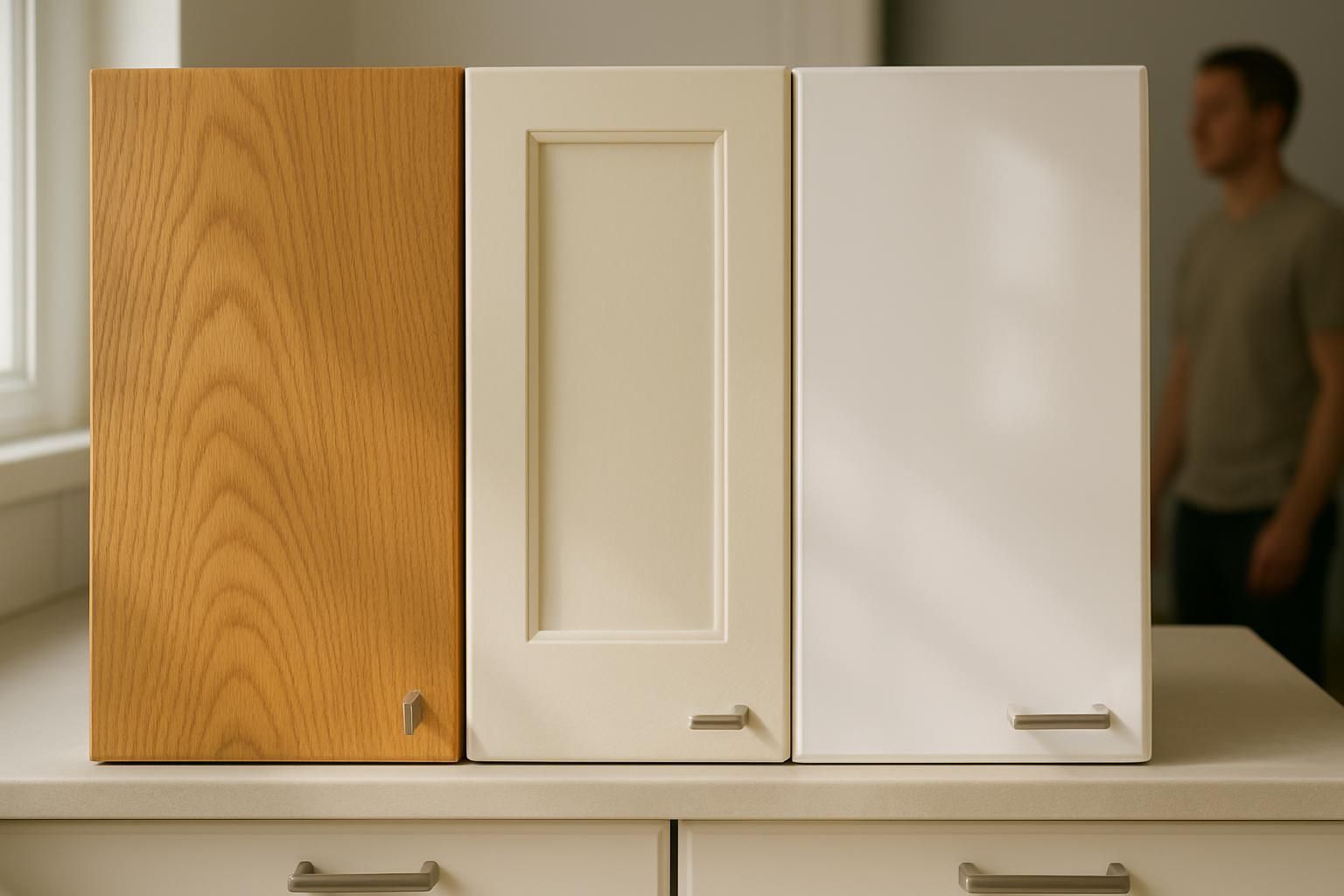
Buffing brings out the cabinet's natural shine. Use a clean, dry cloth for buffing. Move the cloth in circular motions. This technique enhances the wood's luster. Buffing removes excess polish and leaves a smooth finish. Repeat until the desired shine is achieved.
Credit: mycleaningangel.com
Maintaining The Shine
Maintaining the shine of wood kitchen cabinets keeps your kitchen looking fresh and welcoming. A polished surface reflects light and shows off the natural beauty of wood. Simple habits and care routines help preserve this shine for years.
Regular Cleaning Practices
Clean cabinets often with a soft cloth or microfiber towel. Dust and dirt can dull the finish. Use mild soap mixed with water for sticky spots. Avoid harsh chemicals that strip polish or damage wood. Dry the surface thoroughly to prevent water marks.
Avoiding Damage
- Keep sharp objects away from cabinet surfaces.
- Use coasters or mats under hot items.
- Wipe spills immediately to prevent stains.
- Avoid excessive moisture near cabinets.
- Do not use abrasive scrubbers or steel wool.
These steps stop scratches and water damage that harm the shine.
Repolishing Frequency
Polish cabinets every 3 to 6 months for best results. High-use kitchens may need more frequent polishing. Watch for dull spots or rough areas to know when to repolish. Use a quality wood polish designed for your cabinet type. Proper timing keeps the finish fresh and glowing.
Common Mistakes To Avoid
Polishing wood kitchen cabinets can bring out their natural beauty and extend their life. However, many people unknowingly make mistakes that can damage the finish or make the cabinets look worse. Avoiding these common errors will save you time, effort, and frustration while giving your cabinets a flawless shine.
Overusing Polish
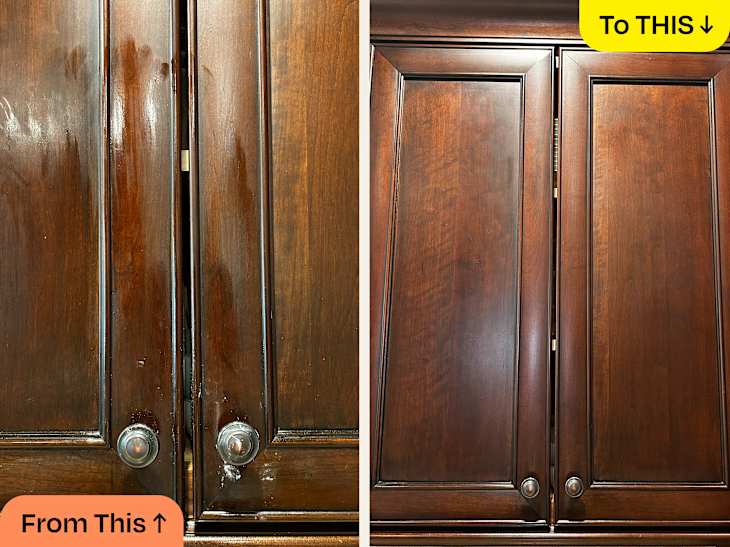
It might seem like applying more polish will make your cabinets shinier, but too much can cause buildup. This buildup attracts dust and dirt, making surfaces look dull and sticky instead of clean. Apply polish sparingly and buff gently to achieve a smooth, natural finish without layering on excess product.
Think about the last time you cleaned something with too much product—did it leave streaks or residue? Your cabinets deserve better care to keep them looking fresh.
Ignoring Surface Preparation
Polishing without properly cleaning your cabinets first is a common mistake. Dirt, grease, and old polish residue can trap under the new layer, creating a cloudy or uneven appearance. Take the time to wipe down cabinets with a mild cleaner and dry them completely before polishing.
Skipping this step is like painting over a dirty wall—it won’t last or look good. Have you ever rushed a project only to fix it later? Proper prep prevents that hassle.
Using Harsh Chemicals
Many wood finishes are sensitive to strong chemicals found in some cleaners and polishes. Using these can strip the wood’s protective layer or cause discoloration. Choose gentle, wood-safe products designed specifically for kitchen cabinets to protect their finish and maintain their warmth.
Ask yourself if the product you’re using is safe for your wood type. Have you checked labels carefully before applying anything? Protect your investment by choosing the right formula.
Credit: www.thekitchn.com

Credit: capitoldesignbuild.com
Frequently Asked Questions
How Often Should I Polish Wood Kitchen Cabinets?
Polish wood kitchen cabinets every 3 to 6 months. Regular polishing maintains shine, protects wood, and removes dirt. Avoid over-polishing as it may cause buildup. Adjust frequency based on usage and kitchen environment.
What Type Of Polish Is Best For Wood Cabinets?
Use a high-quality, natural wood polish or beeswax-based product. Avoid silicone-based polishes as they can damage finish. Choose products designed for kitchen cabinets to enhance wood grain and provide lasting protection.
Can I Polish Cabinets After Cleaning Them?
Yes, always polish cabinets after cleaning. Cleaning removes dirt and grease, allowing polish to adhere better. Ensure cabinets are dry before applying polish for best results and lasting shine.
Is It Necessary To Remove Cabinet Hardware Before Polishing?
Removing cabinet hardware is optional but recommended. It allows thorough polishing around edges and prevents polish from sticking to handles. If not removed, polish carefully around hardware to avoid buildup.
Conclusion
Polishing wood kitchen cabinets keeps them looking fresh and new. Regular care protects wood from damage and dirt. Use gentle polish and soft cloths for best results. Avoid harsh chemicals that can harm the wood finish. Clean and polish cabinets every few months to maintain shine.
A little effort makes your kitchen warm and inviting. Enjoy the natural beauty of your polished wood cabinets every day. Simple steps lead to lasting kitchen charm.