
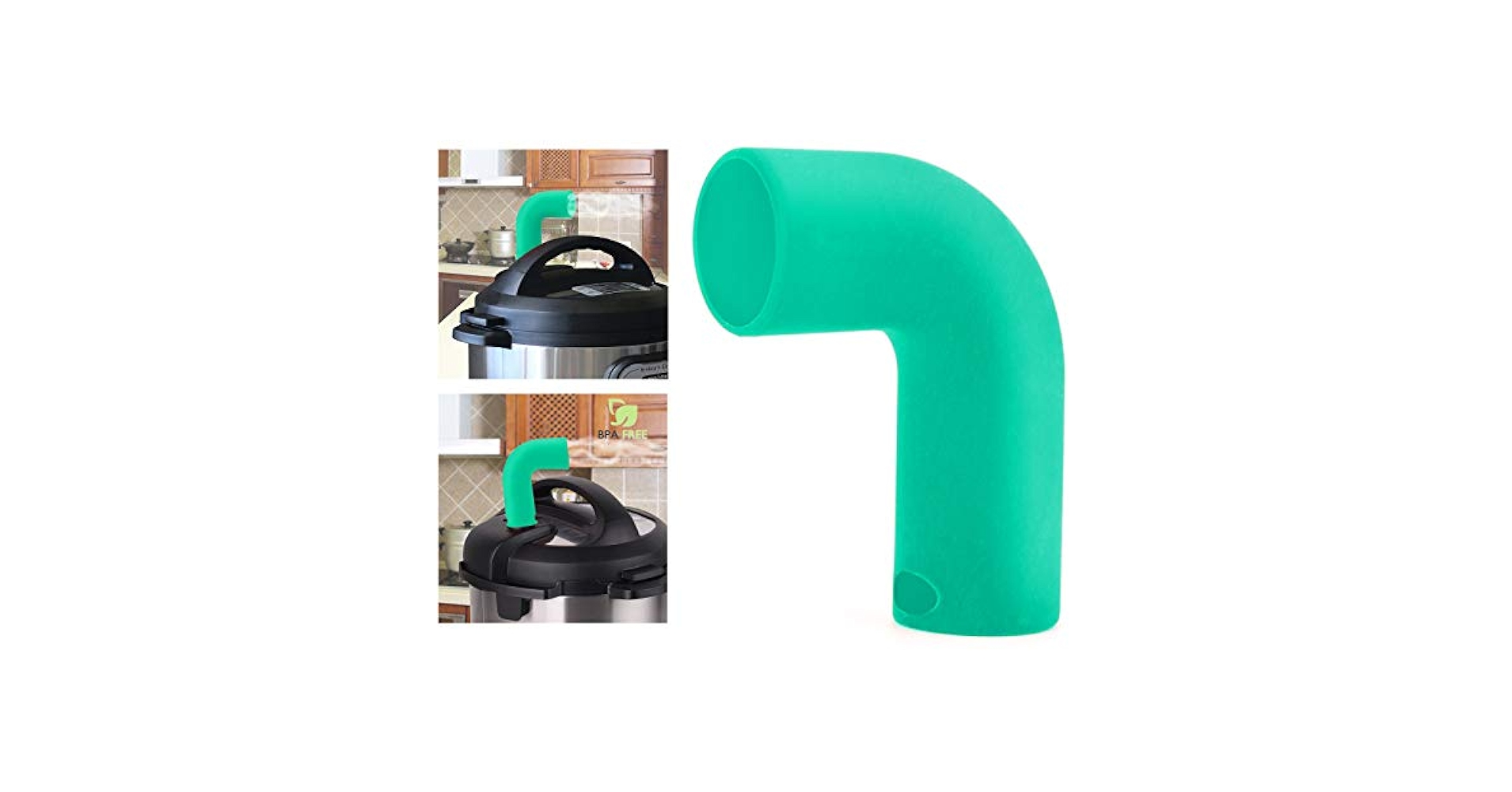
Your kitchen cabinets face a constant enemy: steam. Every time you cook, boiling water and rising steam threaten to damage the wood, warp the surfaces, and shorten their lifespan.
But what if you could stop this damage before it starts? Imagine keeping your cabinets looking fresh and sturdy for years, without costly repairs or replacements. You’ll discover simple and effective ways to protect your kitchen cabinets from steam, saving you time, money, and stress.
Keep reading to learn how to defend your kitchen’s heart and maintain its beauty effortlessly.
Causes Of Steam Damage
Steam damage in the kitchen often happens without you noticing it right away. Understanding what causes steam to build up near your cabinets is the first step to protecting them. Steam can come from several places and affect your cabinets in different ways, so it’s important to recognize these sources and their effects.
Steam Sources In The Kitchen
Steam commonly comes from cooking activities, especially boiling, steaming, and simmering foods. When you cook pasta or steam vegetables, steam rises quickly and can linger around cabinets if ventilation is poor.
Other sources include:
- Using the dishwasher, especially if it’s close to cabinets and the door is opened right after the cycle.
- Hot water from the sink, which creates steam when washing dishes or cleaning.
- Humidity from poor kitchen ventilation, trapping steam inside the room for longer periods.
Have you noticed moisture forming on or near your cabinets after cooking? That’s a clear sign steam is affecting that area.
Effects On Cabinet Materials
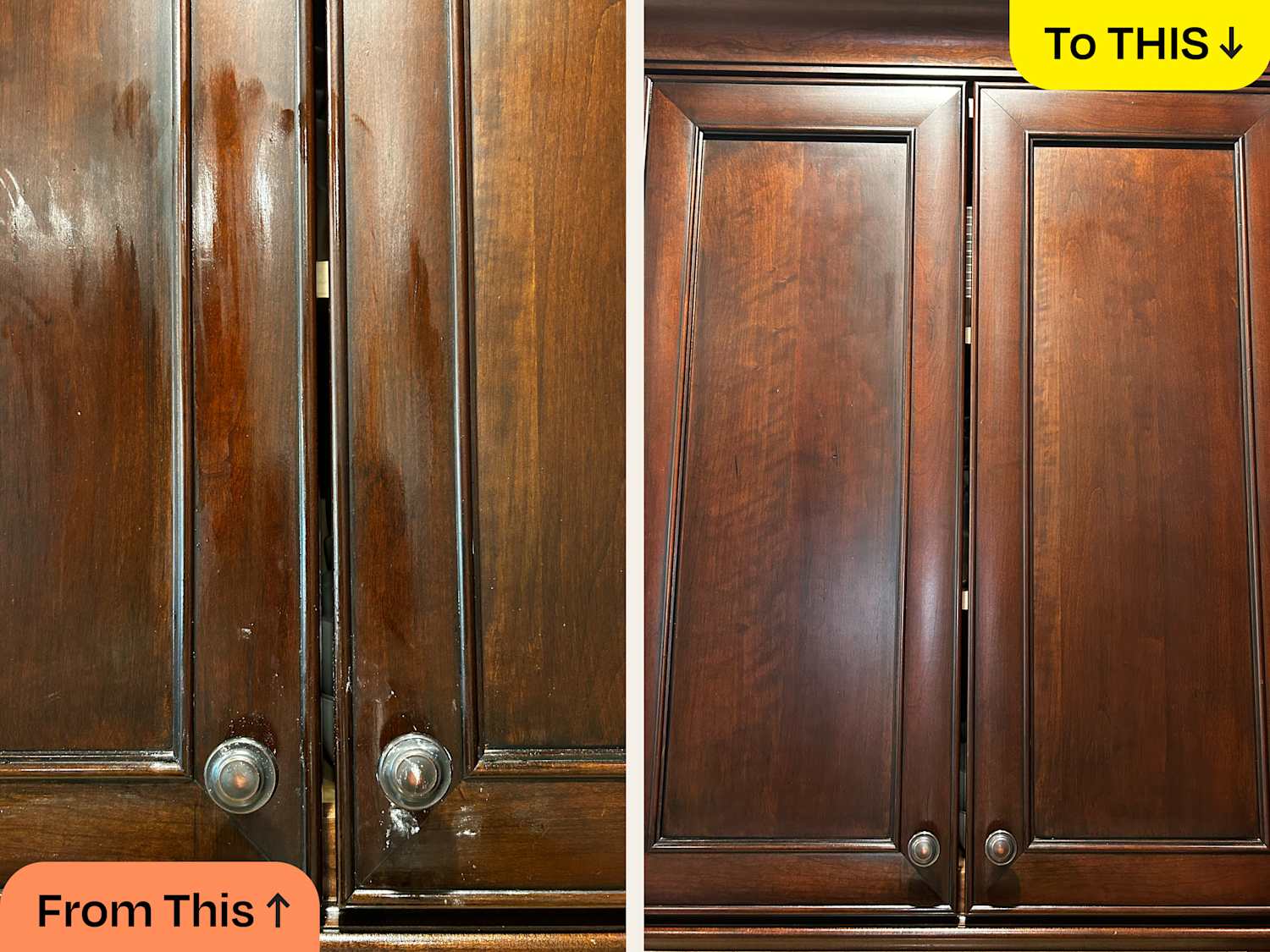
Cabinet materials react differently to steam exposure. Wood cabinets absorb moisture, causing them to swell, warp, or even peel over time. This not only damages their appearance but also weakens their structure.
Laminate and veneer surfaces can bubble or peel when exposed to constant moisture. Even metal handles and hinges can rust if steam leads to condensation buildup.
Think about your own kitchen: have you seen any discoloration or soft spots on your cabinets? These are early warnings that steam is causing damage.
Protecting your cabinets means controlling these steam sources and understanding their impact on your materials. What steps can you take today to reduce steam exposure in your kitchen?
Choosing Steam-resistant Materials
Choosing the right materials is key to protecting kitchen cabinets from steam damage. Steam causes wood to swell, warp, and lose its finish over time. Selecting steam-resistant materials helps keep cabinets looking fresh and strong. It reduces the need for repairs and replacements.
Steam-resistant materials can handle moisture better. They prevent water from soaking into the wood. This protects the cabinet structure and extends its life. Using the proper wood types and protective coatings is essential.
Best Wood Types For Cabinets
Some wood types naturally resist moisture better than others. These woods hold up well against steam in kitchens:
- Teak:Dense and oily wood. Resists water and warping effectively.
- Maple:Hard and close-grained. Limits moisture absorption.
- Cherry:Dense wood with good stability. Handles steam well.
- Mahogany:Durable and moisture-resistant wood. Maintains shape and finish.
Choosing hardwoods with tight grains reduces steam penetration. Avoid softwoods like pine, which absorb moisture easily. Proper wood selection ensures cabinets stay sturdy and beautiful.
Protective Finishes And Coatings
Applying the right finish adds a strong barrier against steam. Finishes prevent moisture from reaching the wood surface. Common steam-resistant finishes include:
- Polyurethane:Creates a tough, waterproof layer. Easy to clean.
- Lacquer:Dries fast and forms a hard protective shell.
- Varnish:Resistant to water and heat damage.
- Oil-based finishes:Penetrate wood and repel moisture.
Multiple coats improve protection. Always seal edges and corners well. Regular maintenance of finishes keeps cabinets safe from steam damage.
Effective Ventilation Solutions
Effective ventilation is key to protecting your kitchen cabinets from the damaging effects of steam. Steam causes moisture buildup, which can warp wood, peel finishes, and encourage mold growth. By improving how air moves in your kitchen, you control moisture levels and extend the life of your cabinets.
Range Hoods And Exhaust Fans
Installing a high-quality range hood or exhaust fan directly above your stove can drastically reduce steam exposure. These devices pull humid air out of your kitchen before it settles on your cabinets. Consider models with adjustable fan speeds and easy-to-clean filters to maintain performance.
Think about the noise level too—quiet fans encourage consistent use. I once upgraded to a quieter range hood, and it made a huge difference; I used it more often without getting annoyed by the sound. Do you find yourself skipping ventilation because of noise?
Natural Airflow Techniques
Natural airflow can complement mechanical ventilation and often costs nothing. Opening windows during and after cooking creates a cross breeze that helps steam escape quickly. If your kitchen layout allows, keep doors open to encourage air circulation throughout your home.
Adding a ceiling fan or portable fan can also boost airflow. Position fans near windows or doorways to push moist air outside. Have you noticed how a simple window fan can cut down on lingering smells and moisture?
- Use window vents or trickle vents to allow continuous airflow without fully opening windows.
- Keep curtains or blinds away from windows during cooking to avoid trapping steam.
- Regularly check that vents and fans are free of dust for maximum efficiency.
Credit: www.thekitchn.com
Proper Cabinet Installation
Proper cabinet installation lays the foundation for protecting your kitchen cabinets from steam damage. If cabinets are not installed with steam exposure in mind, moisture can seep in, causing warping and deterioration over time. Paying attention to details during installation can save you from costly repairs and keep your kitchen looking fresh for years.
Sealing Gaps And Edges
One of the most overlooked aspects of cabinet installation is sealing gaps and edges. Steam finds its way through even the smallest cracks, so applying a high-quality sealant around cabinet joints and edges is essential.
Use silicone caulk or weatherstripping to create a moisture barrier. Pay special attention to areas near the stove, sink, and dishwasher where steam levels are highest.
Have you checked your cabinets recently for tiny gaps? Sealing them tightly can make a big difference in preventing moisture damage.
Height And Placement Tips
Installing cabinets at the right height and distance from steam sources is critical. Cabinets placed too close to stovetops or sinks are more vulnerable to constant steam exposure.
Consider mounting upper cabinets slightly higher or installing a vent hood that directs steam away. This simple adjustment can reduce moisture contact significantly.
Think about how you use your kitchen daily—where does steam gather the most? Position your cabinets to avoid those hot spots and extend their lifespan.
Regular Maintenance Practices
Protecting kitchen cabinets from steam requires consistent care. Regular maintenance helps keep cabinets strong and looking good. Small daily actions prevent large problems later. Simple cleaning and checking routines extend cabinet life and keep moisture damage away. Follow these easy steps to maintain your kitchen cabinets effectively.
Cleaning And Drying Methods
Wipe cabinets with a soft, damp cloth often. Use mild soap with water to remove grease and dirt. Avoid harsh chemicals that can damage finishes. Dry cabinets immediately after cleaning to stop moisture buildup. Use a dry cloth or towel for best results. Keep kitchen well-ventilated during and after cooking. Open windows or use exhaust fans to lower steam levels. These steps reduce moisture exposure and protect cabinet surfaces.
Inspecting For Early Damage
Check cabinets regularly for signs of water damage or warping. Look for bubbles, peeling paint, or discoloration. Pay attention to areas near the stove and sink. Early detection allows quick repair before damage spreads. Tighten loose hinges and handles to prevent further wear. Replace any damaged seals or weatherstripping around cabinet doors. Routine inspections keep cabinets functional and prevent costly repairs.

Credit: lifehacker.com
Additional Protective Measures
Steam can damage kitchen cabinets over time. Protecting them requires some extra steps. Let's explore some effective measures that keep your cabinets safe and looking good.
Using Heat Shields
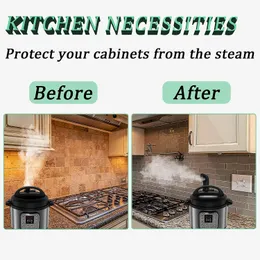
Heat shields can protect cabinets from steam damage. They are easy to install and affordable. Place them between the stove and cabinets. This simple action deflects steam away from the wood. Heat shields come in different materials. Choose one that matches your kitchen style.
Applying Water-repellent Products
Water-repellent products can safeguard cabinets from moisture. These products form a protective layer over the cabinet surface. Look for products specifically designed for wood. Apply them regularly for the best protection. This layer helps prevent warping and peeling. It also keeps cabinets looking new for longer.
Credit: www.dhgate.com
Frequently Asked Questions
How Does Steam Damage Kitchen Cabinets?
Steam causes wood to warp, swell, and peel paint. Prolonged moisture weakens cabinet structure and finish. Preventing steam exposure protects cabinet durability and appearance.
What Materials Resist Steam Damage Best?
Materials like solid wood with waterproof finishes, laminate, and PVC resist steam well. These materials prevent moisture absorption and maintain cabinet integrity over time.
How Can Ventilation Protect Cabinets From Steam?
Good ventilation reduces moisture buildup near cabinets. Installing exhaust fans or vents removes steam quickly. This prevents damage and keeps kitchen air fresh.
Should I Use Sealants On Kitchen Cabinets?
Yes, sealants create a moisture barrier on cabinets. Applying waterproof sealants protects wood from steam and humidity. Regular reapplication ensures lasting protection.
Conclusion
Protecting kitchen cabinets from steam saves their look and life. Use vents or open windows to let steam out. Wipe cabinets often to keep them dry and clean. Choose water-resistant materials when installing new cabinets. Small steps make a big difference in keeping cabinets strong.
Enjoy a kitchen that stays fresh and damage-free. Keep these tips handy for a long-lasting kitchen space.