
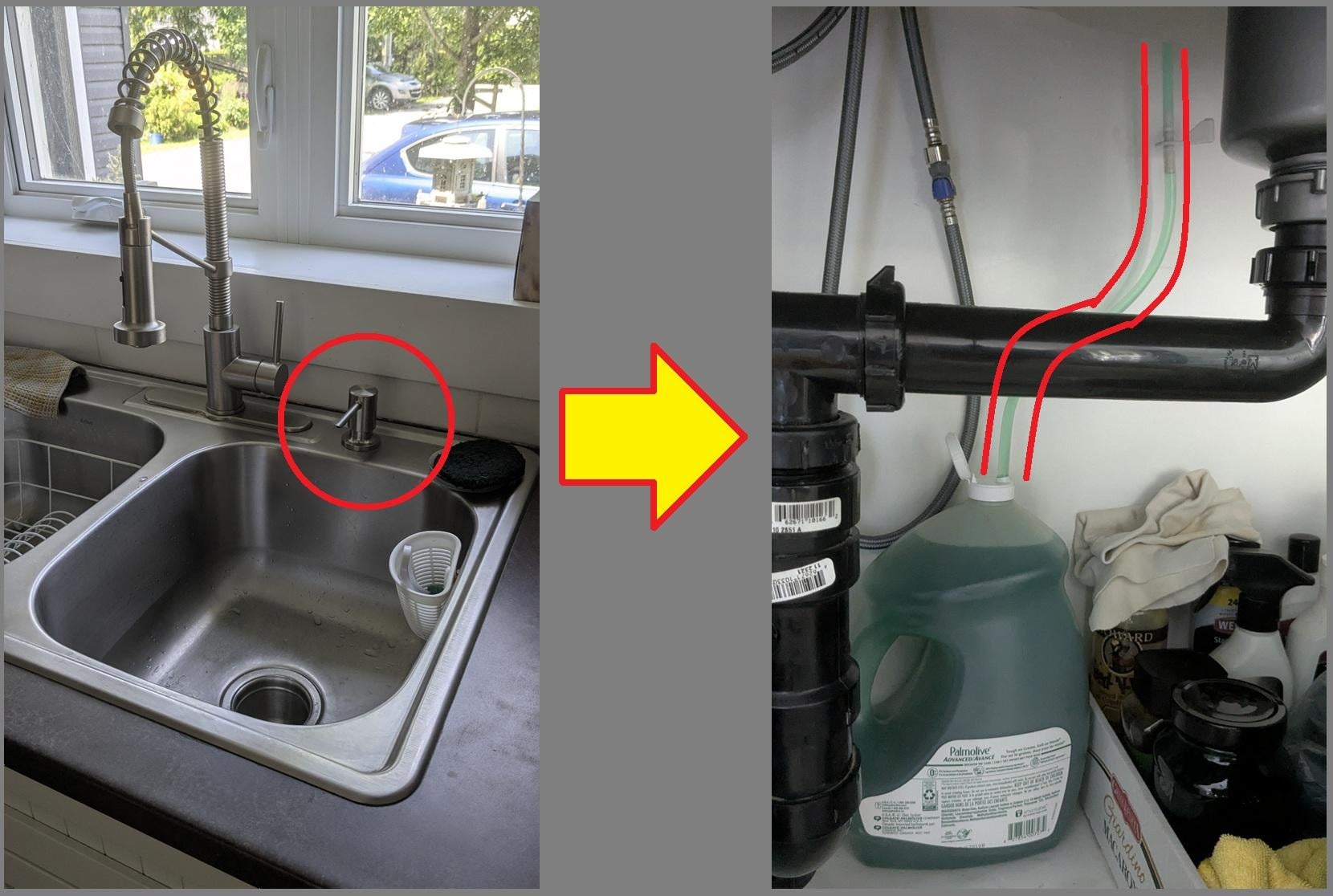
Is your kitchen sink soap dispenser running low or empty? Knowing how to refill it quickly and correctly can save you time and keep your kitchen neat.
You might think it’s a small task, but doing it the right way prevents messes and keeps your soap flowing smoothly. In this guide, you’ll learn simple steps to refill your soap dispenser without any hassle. Keep reading, and you’ll never have to deal with an empty dispenser again!
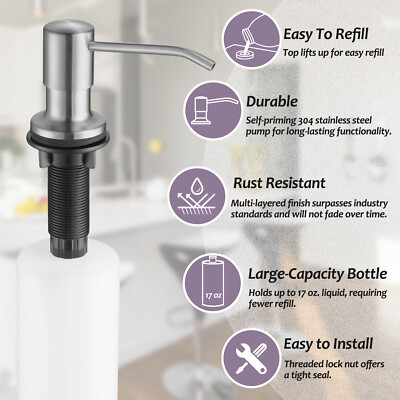
Credit: www.ebay.com
Choosing The Right Soap
Choosing the right soap for your kitchen sink dispenser is more important than you might think. The soap you select affects not only how clean your hands get but also how smoothly your dispenser works. Picking the wrong type can cause clogging or damage, leading to frustration every time you need to wash up.
Liquid Soap Types
You’ll find many liquid soap options on the market, each designed for different purposes. Some soaps are antibacterial, while others focus on moisturizing your skin or offering a fresh scent. Consider what matters most to you—do you want something gentle on your hands or a soap that fights germs aggressively?
Another factor is the soap’s consistency. Thinner soaps flow easily through most dispensers, making them a reliable choice. Soaps labeled as “hand soap” or “dish soap” often work well, but it’s a good idea to check the product’s label for compatibility with dispensers.
Avoiding Thick Soaps
Thick soaps might feel luxurious, but they can cause more harm than good in your kitchen dispenser. These soaps tend to clog the pump, forcing you to clean or even replace the dispenser more often. If you’ve ever struggled with a soap pump that just won’t squirt, thick soap could be the culprit.
Instead, look for soaps with a light or medium viscosity. If you only have thick soap on hand, try diluting it with a bit of water before adding it to your dispenser. This simple trick can save you time and headaches by keeping your dispenser working smoothly.
Gathering Necessary Supplies
Before refilling your kitchen sink soap dispenser, it’s important to gather all the supplies you’ll need. Having everything ready saves time and prevents frustration. Plus, being prepared helps you avoid spills and messes that often happen when you rush.
Soap Dispenser Tools
Start by locating the right tools to open and refill your dispenser easily. Usually, a small funnel helps you pour soap without spilling. You might also need a screwdriver if your dispenser has a cap that screws off tightly.
Keep a clean cloth or paper towel nearby to wipe any drips. Having a measuring cup can help if you want to control the amount of soap you add. Do you know your dispenser’s capacity? This can prevent overfilling and soap wastage.
Cleaning Materials
Before refilling, cleaning the dispenser ensures your soap stays fresh and your sink looks tidy. Gather mild dish soap and warm water to wash the dispenser parts if needed. A small brush or old toothbrush can reach tricky spots inside the pump mechanism.
Don’t forget disposable gloves if you want to keep your hands dry and clean. Using a soft cloth to dry the dispenser after cleaning prevents water spots. Have you noticed your dispenser clogging? Cleaning it regularly can fix that.
Locating The Dispenser Pump
The dispenser pump is usually found near the kitchen sink faucet. Look for a small nozzle or button that pumps soap. Sometimes, it’s built into the countertop or attached to the sink itself.
Locating the dispenser pump under your kitchen sink is crucial. It can save time and reduce frustration. By knowing where to find it, refilling becomes a breeze. Let's explore how you can easily locate it.
Common Placement Spots
The dispenser pump often hides beneath the sink. It is usually near the faucet base. Check the countertop hole first. It is where the soap dispenses. Trace this hole under the sink. You will find a bottle or tube attached. Some dispensers are mounted on the sink surface. Others have a separate bottle underneath. Knowing these spots helps in finding it quickly.
Removing The Pump
Once located, removing the pump is simple. Start by unscrewing the top of the dispenser. Hold the base steady with one hand. Turn the pump counterclockwise with the other. If it feels stuck, apply gentle pressure. Avoid forcing it to prevent damage. Some models have a snap-fit design. Simply pull upwards to release the pump. Now, you are ready to refill or clean it.

Credit: www.amazon.com
Refilling The Soap Dispenser
Refilling your kitchen sink soap dispenser is a simple task that can save you money and reduce waste. However, doing it carefully ensures your dispenser works smoothly and keeps your kitchen clean. Let’s dive into some practical tips to refill your soap dispenser without any mess or hassle.
Pouring Soap Safely
Start by removing the dispenser pump from the sink to avoid spills. Use a small funnel or a narrow spout bottle to pour the soap directly into the reservoir. This approach helps prevent drips and keeps the soap container tidy.
Hold the funnel steady and pour slowly to control the flow. Rushing this step often leads to soap spilling onto the countertop, which can be sticky and hard to clean. Have a damp cloth nearby just in case a small spill happens—it’s easier to wipe up immediately.
Avoiding Overfilling
Overfilling your soap dispenser can cause it to clog or leak when you press the pump. Leave some space at the top of the reservoir so the pump can function properly without pushing soap out unexpectedly.
Try to fill the dispenser about three-quarters full. If you’re unsure, stop periodically and test the pump a few times to see if the soap flows smoothly. This simple habit prevents annoying drips and keeps your sink area clean.
Reassembling The Dispenser
Reassembling the dispenser is the final step after refilling the soap. It ensures the soap dispenser works properly and looks neat. A careful reassembly prevents leaks and keeps the kitchen clean. Follow these simple tips to put everything back in place smoothly.
Securing The Pump
Place the pump back into the dispenser hole gently. Turn the pump clockwise to tighten it securely. Avoid over-tightening to prevent damage to the threads. Check that the pump sits straight and does not wobble. A firm pump helps the soap flow smoothly without spills.
Testing The Soap Flow
Press the pump a few times to start the soap flow. Watch for smooth and steady soap release from the nozzle. If soap doesn’t come out, try pumping a few more times. Check for any leaks around the pump base. Adjust the pump if needed to fix soap flow issues.

Credit: www.ebay.com
Maintaining Your Soap Dispenser
Maintaining your soap dispenser keeps it working well and extends its life. Regular care stops problems before they start. Clean and check it often for best results. A well-maintained dispenser makes kitchen tasks easier and more hygienic.
Regular Cleaning Tips
Clean the soap dispenser every few weeks. Use warm water and mild soap. Avoid harsh chemicals that can damage the dispenser. Wipe the pump and bottle with a soft cloth. Remove any soap buildup around the nozzle. Dry all parts before refilling. This prevents mold and keeps the dispenser looking new.
Preventing Clogs
Clogs happen when soap dries and blocks the pump. Use liquid soap that is not too thick. Shake the soap bottle before refilling to mix it well. Pump water through the dispenser once a month. This clears any dried soap inside. If the pump clogs, soak it in warm water. Gently clean the nozzle with a toothpick or small brush. Avoid letting soap sit in the dispenser too long without use.
Frequently Asked Questions
How Do I Refill A Kitchen Sink Soap Dispenser?
Remove the soap dispenser pump from the sink top. Pour liquid soap into the bottle below the sink. Avoid overfilling to prevent spillage. Reinsert the pump firmly. Test the dispenser to ensure it works properly.
What Type Of Soap Is Best For Dispensers?
Use liquid dish soap or hand soap designed for dispensers. Avoid thick gels or foam soaps that clog pumps. Choose a soap with a mild formula to prevent damage to the dispenser. Always check the manufacturer’s recommendations for best results.
How Often Should I Refill The Soap Dispenser?
Refill the soap dispenser when it runs low, usually every 2-4 weeks. Frequency depends on household usage and soap type. Regular refilling prevents pump drying and clogging. Check levels weekly for busy kitchens to maintain smooth operation.
Can I Use Homemade Soap In Kitchen Dispensers?
Yes, homemade liquid soap can be used if it’s thin enough to pump easily. Avoid chunky or gritty soaps that clog the dispenser. Strain homemade soap to remove solids. Test small amounts first to ensure pump compatibility.
Conclusion
Refilling your kitchen sink soap dispenser is simple and quick. Keep the soap bottle nearby for easy access. Avoid overfilling to prevent spills and mess. Regularly check the dispenser to keep it working well. Small steps save time and keep your sink tidy.
Now, enjoy clean hands with less hassle. Easy to do, helps your kitchen stay neat. Try it today and see the difference!