
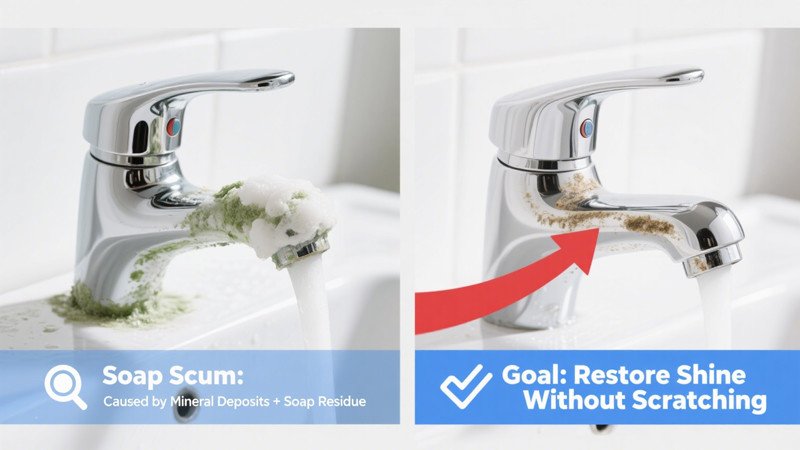
Is your kitchen sink looking dull and covered in stubborn soap scum? You’re not alone.
Soap scum can build up quickly, making your sink look dirty even when you’ve just cleaned it. But don’t worry—removing that grime is easier than you think. You’ll discover simple, effective methods to get your sink sparkling clean again. Keep reading, and you’ll learn how to banish soap scum for good, saving time and effort while keeping your kitchen fresh and inviting.
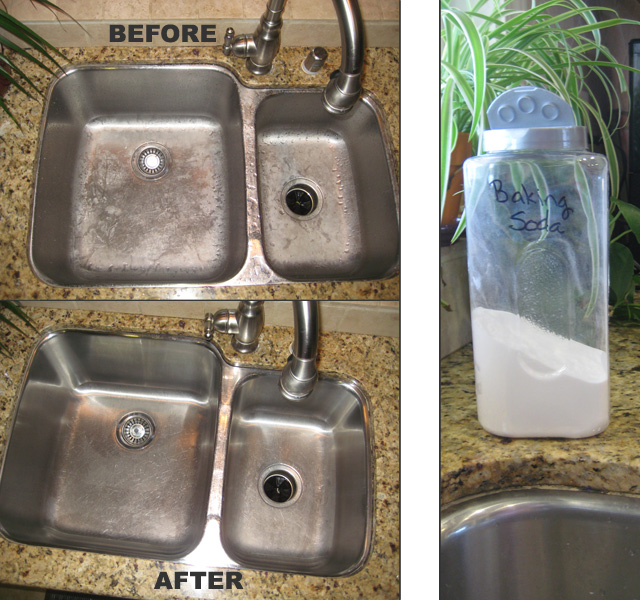
Credit: www.lisabronner.com
Causes Of Soap Scum In Kitchen Sink
Understanding what causes soap scum in your kitchen sink is essential to keeping it clean and shiny. Soap scum doesn’t just appear out of nowhere—it builds up due to everyday kitchen activities. Knowing the root causes can help you prevent it from forming and save you time on tough cleaning sessions.
What Soap Scum Is
Soap scum is a filmy, chalky residue that forms when soap mixes with minerals in water. Hard water, which contains calcium and magnesium, reacts with soap to create this stubborn layer. It often feels slippery and looks dull, making your sink surface appear dirty even after washing.
Common Sources In Kitchen
- Dish Soap Residue:Frequent dishwashing leaves soap behind, especially if rinsing isn’t thorough.
- Hand Soap:Washing hands over the sink deposits soap that can combine with minerals in the water.
- Food Particles:Grease and food bits mix with soap, accelerating the build-up of scum.
- Hard Water:The minerals in hard water are a main culprit in soap scum formation.
Think about your last kitchen cleanup—did you notice a film left after rinsing? That’s the soap and minerals starting to stick around.
Effects On Sink Appearance
Soap scum dulls the shine of your sink and creates an unattractive, cloudy layer. Over time, it can cause discoloration and make your sink look old and neglected. This build-up also traps bacteria and grime, which can affect hygiene and lead to unpleasant odors.
Have you ever scrubbed your sink only to find the same filmy layer returning? Understanding these effects shows why regular cleaning and prevention are key to a spotless kitchen sink.
Tools And Materials Needed
Removing soap scum from your kitchen sink requires the right tools and materials. Having these on hand makes the job quicker and less frustrating. Let’s look at what you’ll need to tackle that stubborn grime effectively.
Household Cleaners
- Dish Soap:A gentle but effective option for light soap scum buildup.
- All-Purpose Cleaner:Works well on various surfaces and can cut through grease.
- Baking Soda-based Cleaners:Often abrasive enough to scrub without scratching your sink.
- Vinegar-Based Spray:Great for breaking down mineral deposits and soap residue.
Do you have any of these cleaners tucked away under your sink? They’re probably more powerful than you realize.
Natural Cleaning Agents
- Baking Soda:Acts as a mild abrasive to help scrub off soap scum.
- White Vinegar:Neutralizes soap scum and dissolves mineral buildup.
- Lemon Juice:Adds a fresh scent and helps cut through grease.
- Salt:Can increase scrubbing power when combined with baking soda.
Natural agents are safe for most sinks and better for your family’s health. Have you tried mixing baking soda and vinegar to see how they fizz and work together?
Cleaning Tools And Accessories
- Non-Scratch Scrubbing Pads:Essential to avoid damaging your sink’s surface.
- Soft-Bristle Brush:Perfect for getting into tight corners and around the drain.
- Microfiber Cloths:Ideal for wiping down and polishing after scrubbing.
- Old Toothbrush:Great for precision cleaning in small or hard-to-reach areas.
- Spray Bottle:Handy for applying vinegar or other liquid cleaners evenly.
Think about the last time you cleaned your sink—did you have the right tools? Using the proper accessories can make a noticeable difference in your results.
Step-by-step Cleaning Methods
Begin by rinsing the sink with warm water to loosen soap scum. Apply a mixture of baking soda and vinegar, then scrub gently with a sponge. Rinse thoroughly and dry with a clean cloth for a shiny finish.
Cleaning soap scum from your kitchen sink can seem like a daunting task, but with the right approach, it becomes manageable and even satisfying. Imagine the gleam of a spotless sink, reflecting your hard work and dedication. Here are some effective methods to tackle that stubborn soap scum and restore your sink to its sparkling best.
Using Vinegar And Baking Soda
Start by sprinkling a generous amount of baking soda directly onto the soap scum. This common kitchen ingredient is a gentle abrasive, perfect for scrubbing away grime without scratching surfaces. Next, pour white vinegar over the baking soda and watch as the mixture fizzles and bubbles, breaking down the soap scum. Allow the mixture to sit for about 15 minutes. Then, use a sponge or cloth to scrub the sink, paying extra attention to heavily stained areas. Rinse thoroughly with warm water to reveal a cleaner, fresher sink.
Lemon And Salt Scrub
Cut a lemon in half and sprinkle salt on the cut side. The acidity of the lemon combined with the abrasive nature of salt makes for a powerful cleaning duo. Rub the salted lemon over the soap scum, allowing the natural acids to dissolve the buildup. This method not only cleans but also leaves your kitchen smelling citrus-fresh. After scrubbing, rinse the sink with warm water and admire the gleam of a job well done. Who knew such a simple combination could pack such a punch?
Commercial Soap Scum Removers
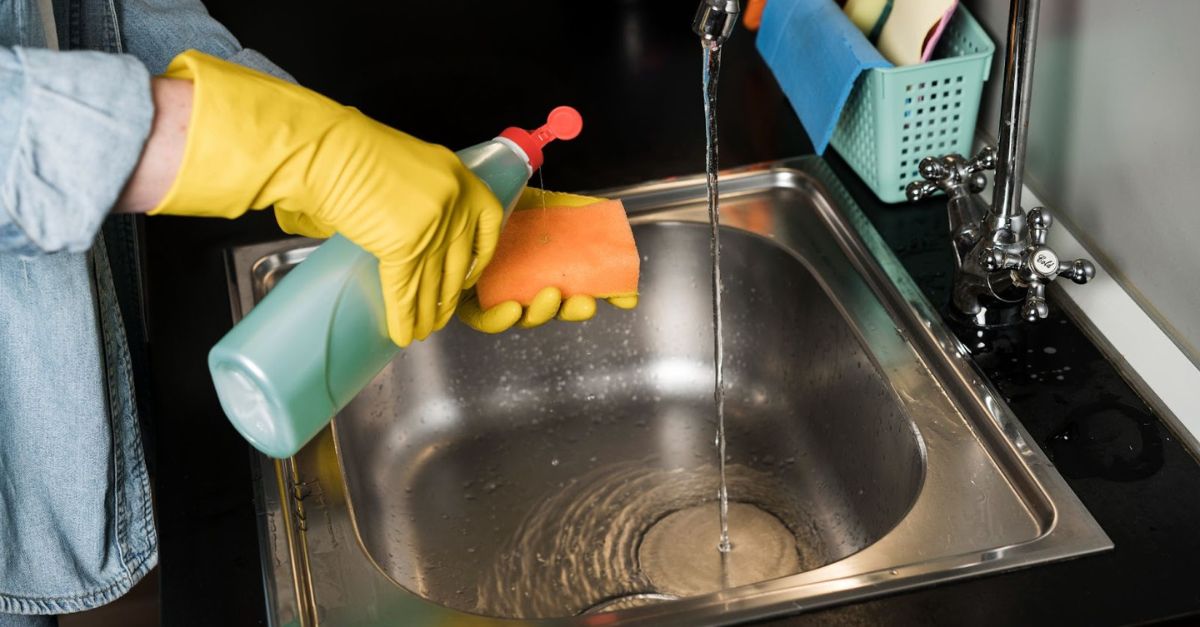
For those particularly stubborn spots, a commercial soap scum remover might be necessary. These products are designed specifically to tackle tough soap residue. Follow the manufacturer's instructions carefully, and remember to wear gloves to protect your skin. Apply the cleaner to the affected areas and let it sit for the recommended time. Then, scrub and rinse as directed, ensuring you remove all residue to prevent future buildup. Do you have a favorite commercial product that works wonders? Share it with others who might be facing the same battle.
:max_bytes(150000):strip_icc()/SPR-how-pro-cleaners-clean-a-sink-11781060-6d7babfdf0074ca79564864a6c7325dd.jpg)
Credit: www.thespruce.com
Preventing Soap Scum Buildup
Preventing soap scum buildup in your kitchen sink saves you time and effort on tough cleaning sessions later. Soap scum forms when soap mixes with minerals in water, leaving a stubborn film. Stopping it before it starts keeps your sink shiny and hygienic without harsh scrubbing.
Regular Cleaning Tips
Wiping down your sink daily prevents soap scum from settling. Use a soft cloth or sponge with mild dish soap and warm water to clean after each use. This simple habit breaks the cycle of buildup and keeps your sink looking fresh.
Rinse the sink thoroughly to remove any leftover soap residue. Dry the surface with a microfiber cloth to avoid water spots, which can attract more soap scum. Small daily efforts make a big difference over time.
Proper Sink Maintenance
Check your sink’s drain and faucet for leaks regularly, as moisture buildup encourages soap scum. Fix dripping taps promptly to avoid constant wet surfaces. Also, clean the faucet aerator monthly to ensure smooth water flow and reduce soap residue.
Consider using a soft scrub brush for weekly deep cleaning, especially around edges and corners where soap scum likes to hide. This prevents hard-to-remove layers from forming and keeps your sink in good shape.
Water Softening Solutions
Hard water is a major cause of soap scum buildup. If you notice white spots or a chalky film frequently, your water might be high in minerals like calcium and magnesium. Installing a water softener can reduce these minerals and lower soap scum formation.
Alternatively, use a vinegar rinse after washing your sink to dissolve mineral deposits. Pour a cup of vinegar, let it sit for 10 minutes, then rinse thoroughly. This simple trick helps keep soap scum at bay without extra chemicals.
Handling Stubborn Soap Scum
Stubborn soap scum can turn a sparkling kitchen sink into a frustrating chore. It clings tightly, resisting simple wipes and regular cleaners. Tackling these tough spots requires patience and the right techniques to avoid damaging your sink’s surface while restoring its shine.
Soaking Techniques
Soaking is your best friend against hardened soap scum. Fill your sink with warm water and add a cup of white vinegar or lemon juice. These natural acids help break down the mineral deposits without harsh chemicals.
Let it soak for at least 30 minutes. If the scum is really tough, try soaking overnight. After soaking, the residue softens, making it easier to wipe away with minimal scrubbing.
Using Scrubbing Pads Safely
Choosing the right scrubbing pad is key to protecting your sink’s finish. Avoid steel wool or anything too abrasive, especially on stainless steel or enamel sinks.
- Use non-scratch sponges or nylon scrubbers instead.
- Apply gentle pressure and work in circular motions.
- Test a small hidden area first to ensure it won’t scratch.
Remember, scrubbing harder isn’t always better. It can damage your sink and make future cleaning harder. Have you ever noticed fine scratches that trap dirt? That’s exactly what you want to avoid.
When To Call A Professional
If soap scum remains after your best efforts, it might be time to call in a pro. Persistent buildup could signal mineral deposits or damage that requires specialized tools or cleaning solutions.
Professionals can also assess if your sink’s finish has worn down and advise on repairs or replacement. Don’t wait until stains become permanent—know when to hand over the task to avoid costly damage.
Credit: www.vevor.com
Frequently Asked Questions
What Causes Soap Scum In Kitchen Sinks?
Soap scum forms when soap mixes with hard water minerals. It leaves a filmy, sticky residue on surfaces. Regular cleaning prevents buildup and keeps sinks shiny.
How Can I Remove Soap Scum Naturally?
Use equal parts white vinegar and water. Spray the solution on soap scum, let it sit for 10 minutes, then scrub with a sponge. Rinse thoroughly for a clean sink.
Is Baking Soda Effective Against Soap Scum?
Yes, baking soda is mildly abrasive and removes soap scum well. Sprinkle it on the sink, scrub gently with a damp cloth, and rinse to restore shine.
Can Lemon Juice Help Clean Soap Scum?
Lemon juice’s acidity breaks down soap scum effectively. Apply lemon juice, let it sit for 5 minutes, scrub, then rinse. It also leaves a fresh scent.
Conclusion
Removing soap scum from your kitchen sink is simple and quick. Use common household items like vinegar and baking soda. Scrub gently to protect the sink’s surface. Regular cleaning stops buildup and keeps your sink shiny. A clean sink makes your kitchen look fresh and neat.
Try these easy steps to keep soap scum away. Your kitchen will feel more comfortable and inviting. Small efforts bring big results. Keep your sink spotless with little daily care.