
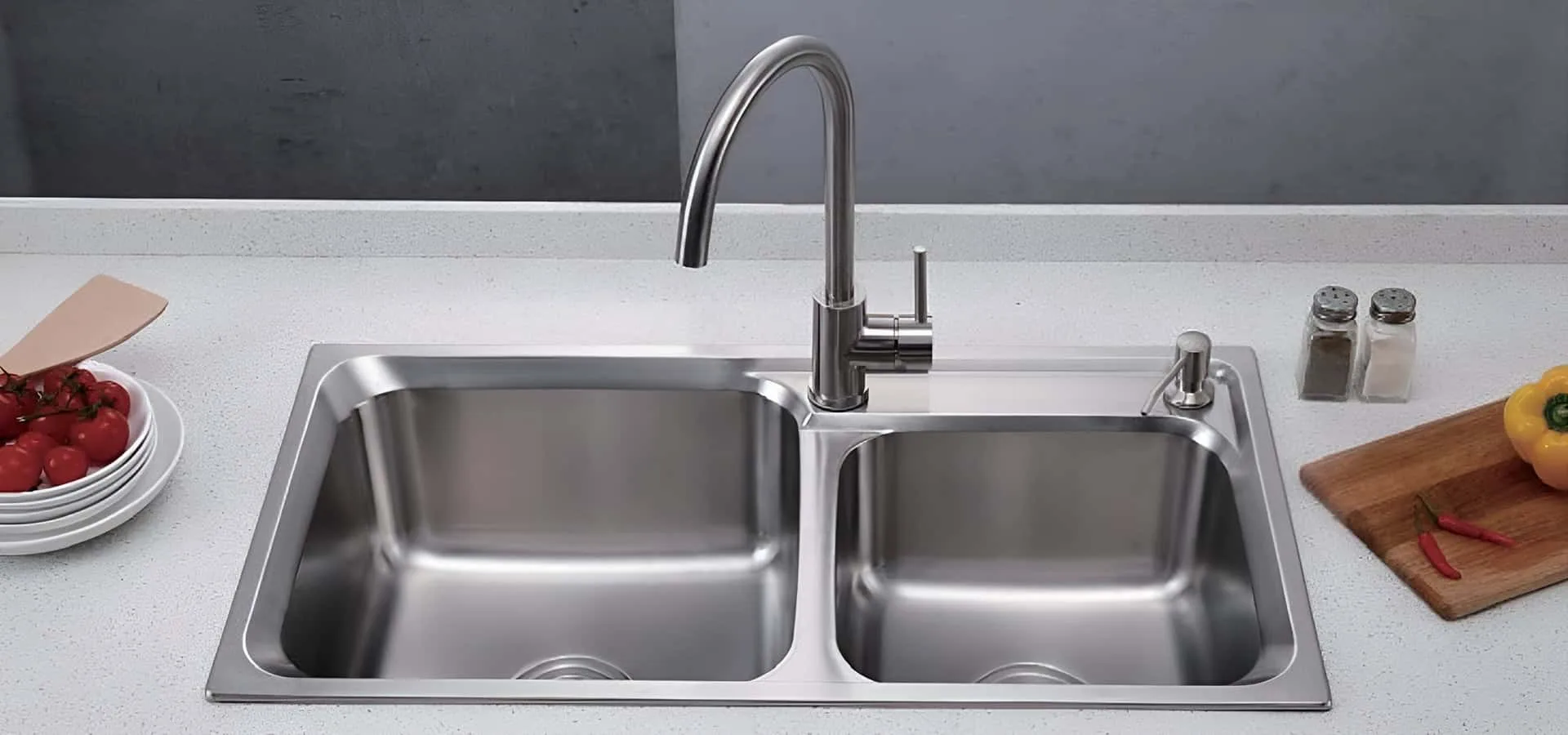
Is your kitchen sink soap dispenser leaking, broken, or just not working like it used to? You don’t have to call a plumber or buy a whole new sink to fix it.
Replacing your kitchen sink soap dispenser is easier than you think—and it can save you time and money. In this guide, you’ll discover simple, step-by-step instructions to replace your soap dispenser quickly and confidently. Keep reading to get your kitchen back to perfect working order without any hassle.
Tools And Materials Needed
Before you start replacing your kitchen sink soap dispenser, it’s important to gather all the right tools and materials. Having everything ready saves you time and prevents frustration during the process. Plus, it makes your work cleaner and more efficient.
Essential Tools For The Job
- Adjustable Wrench:This tool helps you loosen and tighten the nuts securing the dispenser under the sink. A good grip here is crucial to avoid damaging fittings.
- Screwdriver:Depending on your dispenser model, a flathead or Phillips screwdriver will come in handy to remove screws or pry off covers.
- Bucket or Bowl:Use this to catch any water that might drip when disconnecting the dispenser hose. Keeping the area dry prevents slips and messes.
- Utility Knife:Useful for cutting any sealant or caulking around the dispenser base if needed.
- Plumber’s Putty or Silicone Caulk:This helps create a watertight seal when installing the new dispenser, avoiding leaks under your sink.
Materials Needed For Replacement
- New Soap Dispenser:Choose one that fits your sink’s hole size and matches your kitchen style. Remember, not all dispensers are one-size-fits-all.
- Soap Refill:Pick a soap type compatible with your dispenser to ensure smooth pumping action and prevent clogging.
- Replacement Hose (Optional):Sometimes, the hose can be worn out or too short. Having a spare can save you a second trip to the store.
Why Preparation Matters
Have you ever started a small home project only to realize you're missing a crucial tool? It’s frustrating and can turn a quick fix into a long ordeal.
Gathering all your tools and materials beforehand means you can focus on the task, not the hunt. It also helps you spot if something is missing early, so you can find a substitute or buy what’s needed without delay.
Getting this right is the first step toward a smooth, successful soap dispenser replacement you’ll be glad you tackled yourself.

Credit: www.amazon.co.uk
Prepare The Work Area
Preparing your work area is key to a smooth kitchen sink soap dispenser replacement. A tidy and organized space helps you avoid frustration and unexpected messes. Taking a few moments to set things up properly saves time and effort during the task.
Clear The Sink And Countertop
Start by removing all items around the sink and on the countertop. This gives you plenty of room to work comfortably and prevents anything from falling into the sink. A clear space also helps you spot any leaks or parts more easily.
Gather Necessary Tools And Materials
Before you begin, collect everything you’ll need. Common tools include an adjustable wrench, a bucket, and a screwdriver. Having these ready means you won’t have to stop midway to find something.
Protect The Area From Water Damage
Place a towel or small container under the sink to catch any drips or spills. This simple step keeps your cabinets dry and avoids water damage. It also makes cleanup quicker once the replacement is done.
Turn Off The Water Supply
Shut off the water valves under the sink to prevent any unexpected leaks. Even if you think the dispenser doesn’t connect directly to water lines, it’s better to be safe. Have a towel handy just in case a little water spills out.
Plan For Waste Disposal
Replacing a soap dispenser can involve removing old soap and debris. Keep a small trash bin or cloth nearby to dispose of any waste immediately. This keeps your work area neat and reduces the chance of slipping on spilled soap.
Have you noticed how a little preparation changes the whole experience? Setting up your workspace thoughtfully makes the job feel less like a chore and more like a simple fix you can handle yourself.
Remove The Old Soap Dispenser
Removing the old soap dispenser is an important first step before installing a new one. It might seem straightforward, but a careful approach can save you time and avoid any damage to your sink or countertop. Let’s break down the process into simple actions that anyone can do with minimal tools.
Turn Off Water Supply
Even though the soap dispenser isn't connected directly to your water lines, turning off the water supply nearby is a smart precaution. This prevents any accidental leaks while you work under the sink. Locate the shut-off valves beneath your sink and turn them clockwise until they stop.
If your valves are stuck or hard to turn, try using a cloth for grip or a pair of pliers. Have you ever encountered a rusty valve that just wouldn’t budge? Taking care early can prevent bigger plumbing headaches later.
Disconnect Soap Bottle
Look under your sink to find the soap bottle connected to the dispenser. Gently unscrew the bottle by twisting it counterclockwise. Be ready with a towel or bowl to catch any soap that might spill out.
Soap bottles sometimes get stuck from dried soap or grime. If it feels stuck, wiggle it gently instead of forcing it. Getting this part off without breaking it will make the next steps much easier and cleaner.
Unscrew And Remove Dispenser
With the soap bottle disconnected, focus on the dispenser nozzle on your sink or countertop. From underneath, locate the retaining nut holding the dispenser in place. Use an adjustable wrench or your hands to unscrew this nut by turning it counterclockwise.
Once loosened, lift the dispenser out from the sink. If it’s stuck, try rocking it gently back and forth. Think about how tight your old dispenser feels—does it look like it’s been there for years? Removing it carefully avoids scratches or damage to your surface.
Clean The Sink Surface
Clean the sink surface thoroughly to remove dirt and soap residue. A spotless area helps the new soap dispenser fit securely and work well. Use a mild cleaner and a soft cloth for best results.
Cleaning the sink surface is a crucial step when replacing your kitchen sink soap dispenser. Ensuring a clean and debris-free area not only makes the installation process smoother but also extends the lifespan of your new dispenser. A spotless sink surface provides a fresh start, allowing your soap dispenser to function efficiently without grime and residue interfering with its operation.
Remove Old Residue
Begin by removing any old soap residue or grime that may have accumulated around the sink opening. Use a gentle scrubbing pad or sponge with a bit of dish soap. This helps to break down any stubborn deposits that could hinder the new dispenser's fit.
Use A Mild Cleaning Solution
Mix a mild cleaning solution using warm water and vinegar. Dampen a cloth with this mixture and wipe down the entire sink surface. This natural solution not only cleans but also disinfects, ensuring a hygienic environment for your new dispenser.
Dry The Surface Thoroughly
Once cleaned, make sure to dry the sink surface completely. Use a soft towel to absorb any remaining moisture. A dry surface ensures that the new soap dispenser seals properly, preventing leaks and enhancing its durability.
Inspect For Damage
While cleaning, take the opportunity to inspect the sink for any signs of wear or damage. Look for cracks or chips that might need attention. Addressing these issues now can prevent potential problems down the line, saving you time and stress. Have you ever noticed how a clean workspace can make any task feel less overwhelming? Applying the same principle here could make your soap dispenser replacement an unexpectedly satisfying project. By taking the time to prepare your sink, you're setting the stage for a successful installation and a functional kitchen accessory.
Install The New Soap Dispenser
Installing a new kitchen sink soap dispenser can seem tricky, but it’s all about careful placement and securing. Once you have your new dispenser ready, the key is to fit it properly so it stays stable and works smoothly. Let’s walk through how to install your new soap dispenser step by step to avoid any leaks or wobbling.
Insert Dispenser Into Sink Hole
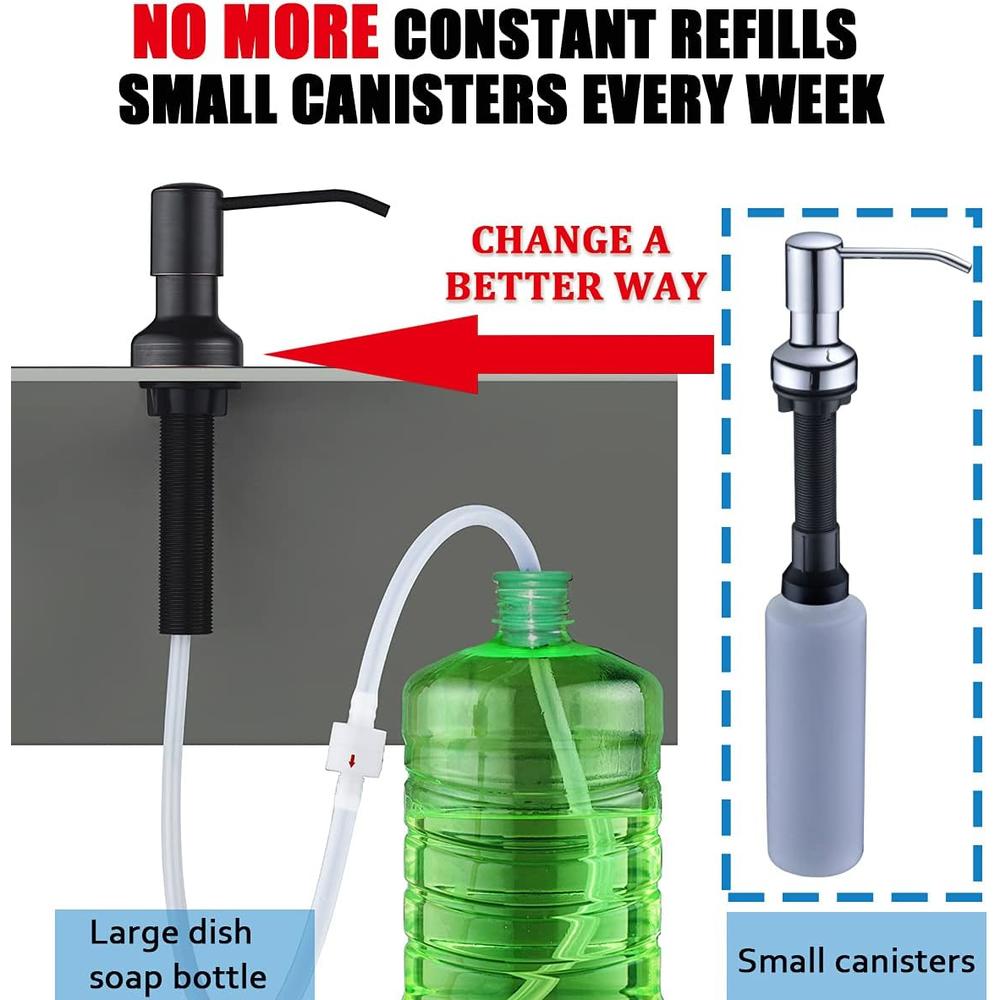
Start by placing the soap dispenser’s pump head through the sink hole from above. Make sure the dispenser’s neck fits snugly without forcing it, as this prevents damage.
If your sink hole has any old plumber’s putty or debris, clean it out first. This helps the dispenser sit flat and prevents water from seeping underneath. Don’t rush this step; a clean surface ensures a better seal and longer-lasting installation.
Secure Dispenser From Below
Underneath the sink, slide the mounting nut onto the dispenser’s threaded shaft. Hand-tighten it first to hold the dispenser in place.
Use a wrench or pliers to tighten the nut further, but be careful not to overtighten. Too much pressure can crack your sink or strip the threads. Check the dispenser above the sink as you tighten to make sure it remains aligned properly.
Attach Soap Bottle
Once the dispenser is secured, screw the soap bottle onto the threaded shaft under the sink. Fill it with your favorite dish soap before attaching if you want to test immediately.
Make sure the bottle is tight enough to avoid leaks but easy to remove for refilling. If you notice any leaks when pumping soap, double-check the tightness of the bottle and the dispenser’s mounting nut.
Have you ever installed a kitchen fixture and found a small step you overlooked? Paying attention to these details now can save you from frustrating leaks and repairs later on.
Credit: majlont.cz
Test The New Dispenser
Testing your new kitchen sink soap dispenser is crucial to ensure it works smoothly and delivers soap without any leaks or jams. This final check confirms that you installed everything correctly and can enjoy the convenience without any hiccups. Let’s walk through how to fill the dispenser and pump it to verify its function.
Fill With Soap
Start by filling the dispenser reservoir with your preferred liquid soap. Avoid overfilling; leave some space to prevent spills when you reinsert the pump. Using a funnel can help you pour soap neatly without making a mess around the sink.
Think about the type of soap you use—thicker soaps might clog the dispenser faster. Have you noticed your old dispenser struggling with certain soap brands? Choosing a liquid soap that flows easily can save you time and frustration down the line.
Pump And Check Function
After filling, press the pump several times to prime the dispenser and get the soap flowing. Watch closely for smooth pumping action and steady soap flow. If the pump feels stiff or no soap comes out, double-check the installation or try pumping a few more times.
Check around the base and under the sink for any leaks. Even a tiny drip can indicate a loose connection or misalignment. Have you ever ignored a small leak only to deal with a bigger mess later? Catching it now saves effort and keeps your kitchen tidy.
Troubleshooting Common Issues
Common problems may arise when replacing a kitchen sink soap dispenser. Knowing how to spot and fix these issues saves time and frustration. Troubleshooting helps keep the dispenser working smoothly and prevents damage.
Dispenser Not Pumping
Soap may not come out if the pump is clogged or stuck. Check for hardened soap inside the pump tube. Clean it with warm water to clear any blockages. Press the pump several times to prime it. Use a thin wire or toothpick to clear the nozzle if needed. Avoid using harsh tools that might damage the dispenser.
Leaks Around Dispenser
Leaks often happen if the dispenser is not sealed properly. Inspect the rubber gasket or O-ring under the sink. Replace any worn or cracked parts. Tighten the mounting nut securely but do not overtighten. Soap spills can also cause leaks; wipe excess soap regularly to avoid buildup. Check the soap bottle connection for cracks or loose fittings.
Loose Fitting
A loose dispenser wobbles or moves when pressed. Tighten the mounting nut under the sink with a wrench. Hold the dispenser from above while tightening to keep it steady. If the nut is stripped or damaged, replace it with a new one. Use plumber’s tape on the threads to improve grip if needed. Ensure the dispenser sits flush on the sink surface for stability.

Credit: www.amazon.com
Frequently Asked Questions
How Do I Remove An Old Kitchen Sink Soap Dispenser?
Turn off water supply under the sink. Disconnect the soap container and unscrew the dispenser from the sink. Remove it carefully from the mounting hole to avoid damage.
What Tools Are Needed To Replace A Soap Dispenser?
You need an adjustable wrench, screwdriver, and pliers. A bucket helps catch water drips. Having a flashlight can assist in tight spaces.
Can I Install A Soap Dispenser Without Professional Help?
Yes, installation is straightforward with basic tools. Follow instructions carefully. It usually takes 15-30 minutes and saves money on plumber fees.
How Do I Avoid Leaks After Installing The Dispenser?
Ensure all connections are tight but not over-tightened. Use plumber’s tape on threads if needed. Test by pressing the dispenser and checking for drips.
Conclusion
Replacing a kitchen sink soap dispenser is simple and quick. Gather your tools and follow each step carefully. Disconnect the old dispenser and install the new one securely. Check for leaks before finishing up. Doing this yourself saves money and adds convenience.
Now, enjoy a neat and working soap dispenser every day. Small repairs like this boost your kitchen’s function and look. Give it a try—you’ll feel proud of the result.