
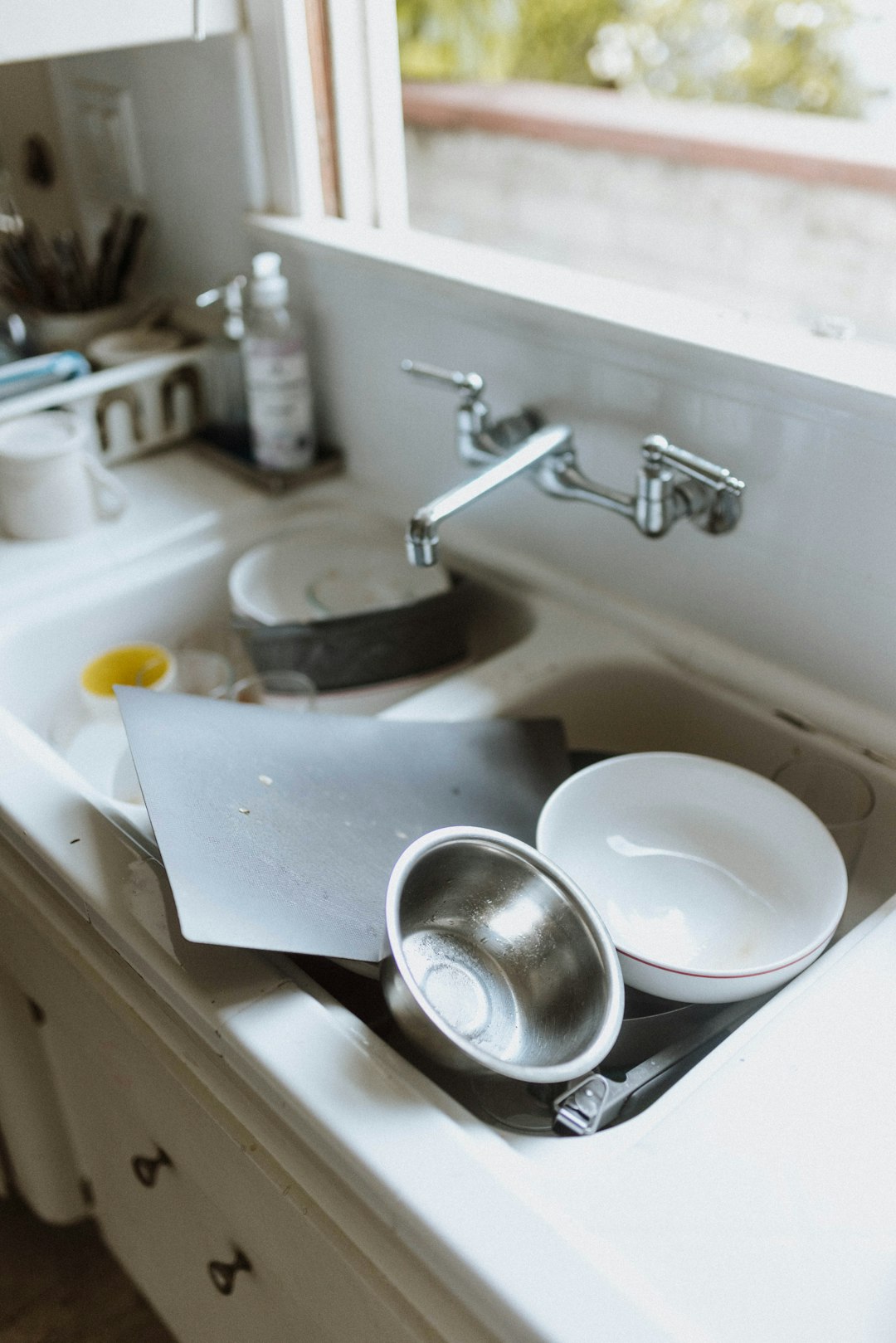
Your kitchen sink is one of the busiest spots in your home. Every day, it comes into contact with food scraps, dirty dishes, and germs you can’t see.
If you don’t sanitize it properly, those germs can quickly spread and put your health at risk. But don’t worry—sanitizing your kitchen sink is easier than you think. You’ll learn simple, effective steps to keep your sink spotless and safe.
By the end, you’ll feel confident that your kitchen is a cleaner, healthier place for you and your family. Keep reading to discover how to make your sink shine and stay germ-free!
Credit: modern-maids.com
Gather Essential Supplies
Gathering the right supplies is the first step to sanitize your kitchen sink effectively. Having everything ready saves time and ensures you clean thoroughly. Each item plays a key role in removing germs and grime.
Cleaning Agents
- Disinfectant spray or wipes designed for kitchen surfaces
- Liquid dish soap to remove grease and food particles
- White vinegar, a natural cleaner that kills bacteria
- Baking soda to scrub away stains and odors
- Hydrogen peroxide for extra sanitizing power
Tools Needed
- Soft scrub brush or sponge for gentle cleaning
- Old toothbrush to reach tight corners and drains
- Microfiber cloths for wiping and drying
- Spray bottle to apply vinegar or other liquids
- Bucket or basin to rinse and soak items
Safety Gear
- Rubber gloves to protect your hands from chemicals
- Protective eyewear if using strong disinfectants
- Mask to avoid inhaling fumes from cleaning agents
- Apron to keep clothes clean and dry
Clear And Rinse The Sink
Clearing and rinsing your kitchen sink is the foundation of effective sanitization. Before applying any cleaning agents, it's important to remove visible debris and rinse away loose dirt. This simple step prepares the sink surface, ensuring that sanitizers can work more efficiently.
Remove Debris
Start by checking your sink for leftover food particles, crumbs, or grease. Use a paper towel or a soft cloth to scoop out any solid debris. Avoid using harsh scrapers that can scratch the sink surface.
Pay special attention to the drain area where bits of food often accumulate. Clearing this spot prevents unpleasant odors and bacterial buildup. Have you noticed how much cleaner your sink feels once this step is done?
Rinse With Warm Water
Next, rinse the entire sink with warm water. Warm water helps to loosen any remaining grime and prepares the surface for deeper cleaning. Let the water flow over all areas, including corners and around the faucet base.
Using warm water instead of cold also makes it easier for soap or disinfectant to spread evenly. Try this: run warm water for 30 seconds before applying cleaning products and see how much more effective your sanitizing process becomes.
Scrub The Sink Surface
Scrubbing the sink surface is a crucial step in sanitizing your kitchen sink. It removes stuck-on grime and bacteria that regular rinsing can’t handle. A thorough scrub ensures your sink not only looks clean but is genuinely hygienic for daily use.
Apply Cleaner
Start by choosing a cleaner suitable for your sink’s material—whether it’s stainless steel, porcelain, or composite. Apply the cleaner generously, covering every inch of the surface. Don’t forget to spread it evenly, especially in corners where dirt tends to build up.
Have you ever noticed how some cleaners foam up and others don’t? This can affect how well they lift grease and germs. Try different types to find what works best for your sink.
Scrubbing Techniques
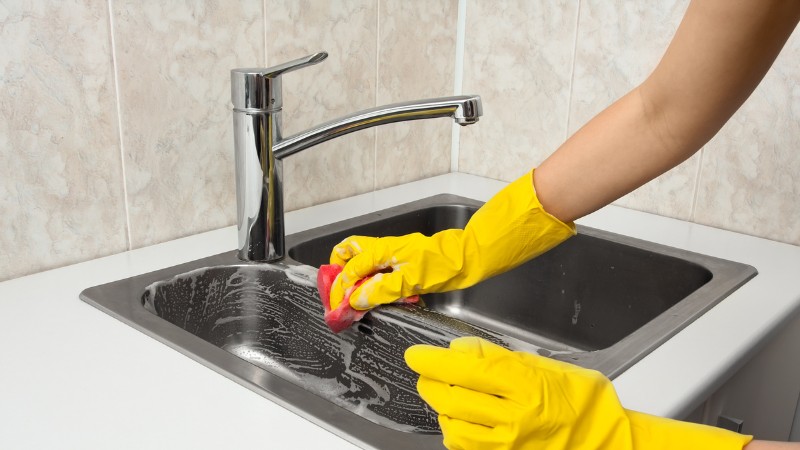
Use a soft sponge or a non-abrasive scrub brush to avoid scratching the sink. Scrub in circular motions to break down grime effectively. Pay special attention to stubborn spots, applying a bit more pressure without damaging the finish.
If you want extra power, sprinkle baking soda on the surface before scrubbing. This adds a mild abrasive that helps lift stains without harsh chemicals. What’s your go-to tool for tackling tough sink messes?
Focus On Drain And Faucet
The drain and faucet are hotspots for bacteria and buildup. Use an old toothbrush to scrub around the drain edges and faucet base where grime hides. This small effort can prevent odors and keep water flowing smoothly.
Don’t overlook the faucet handles—wipe them down thoroughly. Germs love hanging out on these frequently touched areas, so your attention here makes a big difference.
:max_bytes(150000):strip_icc()/SPR-how-pro-cleaners-clean-a-sink-11781060-6d7babfdf0074ca79564864a6c7325dd.jpg)
Credit: www.thespruce.com
Disinfect The Sink
Clean the sink thoroughly using soap and warm water to remove dirt. Spray a disinfectant and let it sit for a few minutes before rinsing well. This kills germs and keeps your kitchen safe.
Disinfecting your kitchen sink is vital for a healthy home. Germs can thrive in damp places. Cleaning alone is not enough. You need to disinfect. This ensures harmful bacteria are removed. Follow these steps to properly disinfect your sink.
Choose A Disinfectant
Select a suitable disinfectant. Options include bleach, vinegar, or commercial cleaners. Bleach is strong but effective. Vinegar is natural and eco-friendly. Check labels for proper usage. Ensure the product is safe for your sink material.
Proper Application
Apply the disinfectant evenly. Use a cloth or sponge. Cover all areas, including corners and edges. Pay attention to the drain. This area often harbors germs. Be thorough in your application.
Contact Time
Allow the disinfectant time to work. This is called contact time. Check the product instructions. Many need 5 to 10 minutes. Do not rush this step. Proper contact time ensures germs are killed. Rinse the sink well after.
Rinse And Dry Thoroughly
Rinsing and drying your kitchen sink thoroughly is key to keeping it clean and safe. Water and cleaning agents left behind can cause stains or build-up. Proper rinsing removes all residues and dirt. Drying prevents water marks and keeps the sink shiny. This simple step boosts your kitchen’s hygiene and appearance.
Remove Residue
Start by rinsing the sink with warm water. Use your hand or a soft cloth to wash away soap and debris. Make sure to clear the drain area and corners. Residue can trap bacteria and cause odors. Rinsing ensures no cleaning agents remain on the surface. This step prepares the sink for drying and prevents grime build-up.
Prevent Water Spots
Dry the sink immediately after rinsing. Use a soft, clean towel or microfiber cloth. Water spots appear when water evaporates and leaves minerals behind. These spots make the sink look dull and dirty. Drying also stops rust and corrosion on metal surfaces. A dry sink looks polished and stays cleaner longer.
Maintain A Clean Sink Daily
Keeping your kitchen sink clean every day helps stop germs and dirt from building up. A clean sink looks nice and keeps your kitchen safe for cooking. Small daily habits can make a big difference in your kitchen’s hygiene.
Quick Daily Wipes
Wipe down the sink with a damp cloth or sponge after each use. Use mild soap or a kitchen cleaner to remove food scraps and stains. Dry the sink with a clean towel to stop water spots and bacteria growth.
Avoiding Build-up
Don’t leave dirty dishes or food scraps in the sink for long. Rinse the sink after washing dishes to clear away grease and residue. Check the drain regularly to remove trapped food that can cause bad smells and bacteria.
Regular Deep Cleaning
Set a weekly time for a deep sink clean. Use baking soda and vinegar or a disinfectant to scrub the sink surface. Clean faucet handles and drain covers carefully to kill hidden germs. Rinse well and dry to keep the sink fresh and shiny.

Credit: www.abt.com
Frequently Asked Questions
How Often Should I Sanitize My Kitchen Sink?
Sanitize your kitchen sink at least once a day to kill bacteria. Daily cleaning prevents germs from spreading and keeps your sink hygienic.
What Is The Best Sanitizer For Kitchen Sinks?
Use a bleach solution or white vinegar for effective sanitizing. Both kill germs well and are safe when used correctly in sinks.
Can I Use Natural Products To Sanitize My Sink?
Yes, natural products like vinegar and baking soda work well. They clean and disinfect without harsh chemicals, making them eco-friendly options.
How Do I Safely Sanitize A Stainless Steel Sink?
Apply a mild bleach solution or vinegar, then rinse thoroughly. Avoid abrasive cleaners to prevent scratches and maintain the sink’s shine.
Conclusion
A clean kitchen sink helps keep your home healthy and safe. Regularly sanitizing stops germs from spreading. Use simple steps and common products to do this. Spend a few minutes each day cleaning your sink. You will notice a fresher, cleaner kitchen space.
Small actions make a big difference in hygiene. Keep your sink free from bacteria and grime. A clean sink means a happy kitchen.