
Your kitchen counters are the heart of your cooking space, but they can also be a hotspot for germs and bacteria. Knowing how to properly sanitize them keeps your family safe and your meals healthy.
If you've ever wondered whether you're doing it right or want quick, effective tips, this guide is for you. Keep reading to discover simple steps that will make your kitchen counters spotless and truly clean every time you wipe them down.
Choose The Right Cleaner
Choosing the right cleaner for your kitchen counters is key to maintaining a safe and healthy cooking environment. Not all cleaners are created equal, and picking the wrong one can leave harmful residues or damage your surfaces. You want something effective, safe, and easy to use every day.
Natural Vs Chemical Options
Natural cleaners often use ingredients like vinegar, baking soda, or lemon juice. They are gentle on surfaces and reduce exposure to harsh chemicals. Many people prefer natural options because they’re eco-friendly and less likely to irritate skin or lungs.
Chemical cleaners, on the other hand, are designed to kill a wider range of germs quickly. They often contain bleach, ammonia, or other strong disinfectants. These can be very effective but require careful handling and rinsing to avoid leftover toxins.
Think about your lifestyle and sensitivity to chemicals. Do you have kids or pets around? That might push you toward natural cleaners. But if you’re dealing with raw meat or heavy spills, a stronger chemical cleaner could be necessary for peace of mind.
Safe Ingredients For Food Areas
When cleaning surfaces where you prepare food, safety is non-negotiable. Look for cleaners labeled as food-safe or non-toxic. Ingredients like ethanol, hydrogen peroxide, and certain essential oils can disinfect without harmful residues.
Always check the label to ensure no harmful additives like phosphates or artificial dyes are included. These can contaminate your food or leave a sticky residue that attracts dirt.
Here’s a quick list of safe ingredients to look for:
- Vinegar:Great for cutting grease and mild disinfecting.
- Baking Soda:Works as a gentle abrasive to remove stains.
- Hydrogen Peroxide:Effective for killing bacteria and safe when used properly.
- Plant-Based Surfactants:Help remove dirt without harsh chemicals.
Choosing a cleaner with these ingredients helps you keep your kitchen counters fresh and safe without risking your health or the environment. What’s your go-to cleaner, and have you noticed a difference when switching from one type to another?
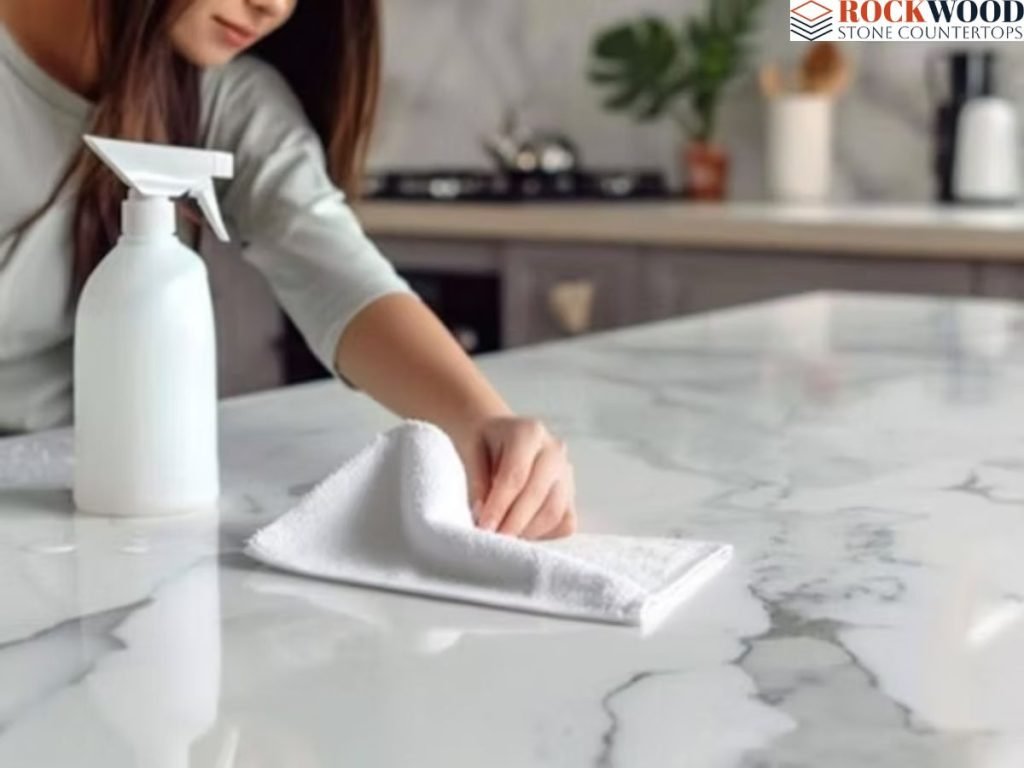
Credit: www.rockwoodstone.com
Clear And Prepare Counters
Clearing and preparing kitchen counters is the first step to proper sanitization. Clean surfaces ensure that germs and dirt don’t hide under debris. Preparing counters also protects the surface during cleaning. Taking time to clear and check counters makes sanitizing more effective and safe.
Remove Food And Debris
Start by removing all food items from the counters. Crumbs, spills, and leftover bits can block cleaning agents. Use a dry cloth or paper towel to wipe away loose debris. For sticky spots, a damp cloth helps lift residue. Clearing the area completely means the disinfectant reaches every inch of the surface.
Check For Surface Material
Identify the material of your kitchen counters before cleaning. Different surfaces need different care to avoid damage. Common materials include granite, laminate, wood, and stainless steel. Some cleaners can harm delicate surfaces like wood or natural stone. Knowing your counter type helps you pick the right sanitizer and prevents costly mistakes.
Wipe Down Surfaces
Keeping kitchen counters clean is essential for a healthy kitchen. Wiping down surfaces is a simple yet effective step. It removes germs and keeps your kitchen fresh. Let's dive into the process.
Use Warm Soapy Water
Start with warm soapy water. It breaks down grease and grime easily. Use a soft cloth or sponge. Dip it in the soapy water. Wring out excess water to avoid drips. Begin wiping the counter from one end to the other.
Cover the entire surface evenly. Pay extra attention to corners and edges. These spots can hold more dirt.
Remove Visible Dirt
Look for visible dirt or stains. Focus on these areas first. Scrub gently with your sponge or cloth. Apply more pressure if needed, but be careful with delicate surfaces.
Rinse the cloth in clean water regularly. This prevents spreading dirt around. Once finished, dry the counter with a clean towel. A dry surface helps prevent bacterial growth.
Apply Sanitizing Solution
Applying a sanitizing solution correctly is key to keeping your kitchen counters truly clean and safe. Simply spraying a cleaner won’t do the job unless you pay attention to how the solution is prepared and how long it stays on the surface. Let’s break down what you need to know to sanitize effectively.
Proper Dilution And Application
Sanitizing solutions often come in concentrated forms, so diluting them properly is crucial. Using too little sanitizer won’t kill germs, while too much can leave harmful residues or damage your counters.
Check the label for exact dilution instructions. Usually, this means mixing a specific amount of sanitizer with water. For example, a common recipe is 1 tablespoon of bleach per gallon of water.
Apply the solution evenly using a clean cloth, spray bottle, or sponge. Make sure every inch of the counter is covered. Avoid wiping it off immediately—let the solution sit to do its work.
Contact Time For Effectiveness
Contact time means how long the sanitizer stays wet on the surface. This time is crucial for killing bacteria and viruses effectively. If you wipe the surface too soon, many germs will survive.
Most sanitizers require at least 1 to 5 minutes of contact time. Check the product’s instructions to know the exact duration. You might wonder, “Is it okay to leave the solution on longer?” Yes, as long as it doesn’t damage your counters.
Think about your daily routine. Do you rush through cleaning? Slowing down and letting the sanitizer work can make a big difference in your kitchen’s hygiene.
Rinse And Dry Counters
Rinsing and drying your kitchen counters is a crucial step in the sanitizing process. After applying your cleaning solution, thoroughly rinsing the surface helps remove any leftover detergent or disinfectant. Drying prevents moisture from lingering, which can attract bacteria and create a less hygienic environment.
Preventing Residue Build-up
Residue from cleaners can leave your counters sticky or streaky, making them a magnet for dirt and germs. Rinsing with clean water washes away these remnants effectively. Have you noticed how some countertops feel tacky even after cleaning? That’s often due to residue build-up that you can avoid simply by rinsing well.
Using warm water can help dissolve residues faster. Pay extra attention to edges and corners where residue tends to hide. This small extra step keeps your counters truly clean and ready for your next meal prep.
Use Clean Cloths Or Paper Towels
Drying your counters with a clean cloth or fresh paper towel is key to avoiding cross-contamination. Reusing a damp or dirty cloth can spread germs instead of removing them. I once skipped this step and ended up with a streaky, less sanitary surface that needed re-cleaning.
Opt for microfiber cloths—they trap moisture and dirt better than regular towels. If you prefer paper towels, use a new one each time to keep your counters spotless. Remember, the last touch in your cleaning routine makes all the difference in maintaining a hygienic kitchen.
:max_bytes(150000):strip_icc()/hydrogen-peroxide-uses-home-4174809-05-3c126f03778d46f4858d75c2780429a9.jpg)
Credit: www.thespruce.com
Maintain Regular Cleaning Habits
Maintaining regular cleaning habits keeps kitchen counters safe and fresh. Consistent care stops germs from growing. It also prevents stains and sticky buildup. Small daily actions make a big difference over time. Establishing a cleaning routine is key to a healthy kitchen.
Daily Wipe-down Tips
Use a clean cloth or sponge for daily wiping. Warm soapy water works well for most surfaces. Avoid harsh chemicals that can damage countertops. Wipe spills immediately to prevent stains. Focus on areas near the sink and stove. Dry the surface after cleaning to avoid water spots. Keep cleaning supplies handy for quick access.
Deep Cleaning Frequency
Deep cleaning should happen at least once a week. Use a disinfectant suitable for your countertop material. Scrub gently to remove stuck-on food and grease. Pay special attention to corners and edges. Replace or wash cleaning cloths regularly to avoid spreading germs. A thorough clean refreshes the kitchen and reduces bacteria buildup.
Avoid Common Mistakes
Sanitizing your kitchen counters is essential for keeping your cooking space safe and clean. However, many people unknowingly make mistakes that reduce the effectiveness of their efforts or even damage their surfaces. Avoiding these common errors can save you time, money, and frustration.
Using Harsh Chemicals On Delicate Surfaces
Not all kitchen counters are built the same. Using strong chemicals like bleach or ammonia on delicate surfaces such as granite, marble, or quartz can cause dulling, discoloration, or even permanent damage.
Instead, choose a mild cleaner specifically designed for your counter material. I once tried a powerful cleaner on my granite counters and ended up with a cloudy patch that took weeks to fix. That taught me to always check product labels and test on a small spot first.
Would you risk ruining your expensive counters just to save a few minutes? Gentle cleaners combined with proper wiping often do a better job.
Ignoring High-touch Areas
People often focus on visible messes but forget about spots that are touched frequently, like around the sink faucet, light switches, and cabinet handles. These areas can harbor bacteria and germs even when the counters look clean.
Make it a habit to include these high-touch zones in your sanitizing routine. A quick wipe-down of these spots can reduce the chance of cross-contamination during meal prep.
Next time you clean, ask yourself: have I really covered all the places where hands meet surfaces? Overlooking them might leave hidden risks behind.
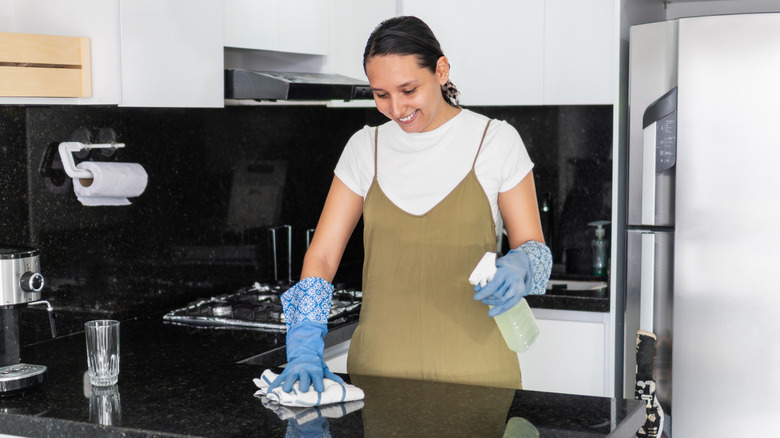
Credit: www.housedigest.com
Frequently Asked Questions
How Often Should I Sanitize Kitchen Counters?
Sanitize kitchen counters daily to prevent bacteria buildup. After food preparation, especially raw meat, clean immediately. Regular sanitizing reduces germs and keeps surfaces safe for cooking.
What Is The Best Sanitizer For Kitchen Counters?
Use a bleach solution or commercial kitchen sanitizer. Ensure it is food-safe and EPA-approved. Avoid harsh chemicals that can damage surfaces or leave harmful residues.
Can I Use Vinegar To Sanitize Kitchen Counters?
Vinegar is a natural cleaner but not a strong sanitizer. It removes dirt and some bacteria but won't kill all germs. For proper sanitizing, use bleach solutions or designated sanitizers.
Should I Sanitize Kitchen Counters Before Or After Cooking?
Sanitize counters before cooking to create a clean workspace. After cooking, sanitize again to remove bacteria and food residues. This practice ensures a safe, hygienic kitchen environment.
Conclusion
Sanitizing kitchen counters keeps your home safe and clean. Use simple steps and common products to remove germs. Clean spills right away to stop bacteria growth. Regular wiping prevents dirt and grime buildup. Stay consistent with your cleaning routine every day.
This small effort protects your family’s health. A clean kitchen feels fresh and inviting. Keep counters spotless to enjoy cooking safely. Your kitchen deserves this easy care.